Nigeria Reviews Chinese Company's Involvement in $200 Billion "Oil/Gas for Infrastructure" High-Speed Rail Integrated Project
en.Wedoany.com Reported - The Nigerian federal government has established an inter-ministerial technical committee to conduct a comprehensive review of an integrated "oil/gas for infrastructure" high-speed rail project with a total investment of up to $200 billion, focusing on verifying financing capabilities and potential risks. The project plans to construct a high-speed railway network of approximately 4,000 kilometers, while simultaneously promoting natural gas development and upgrading the power system. It is the country's largest infrastructure plan in recent years.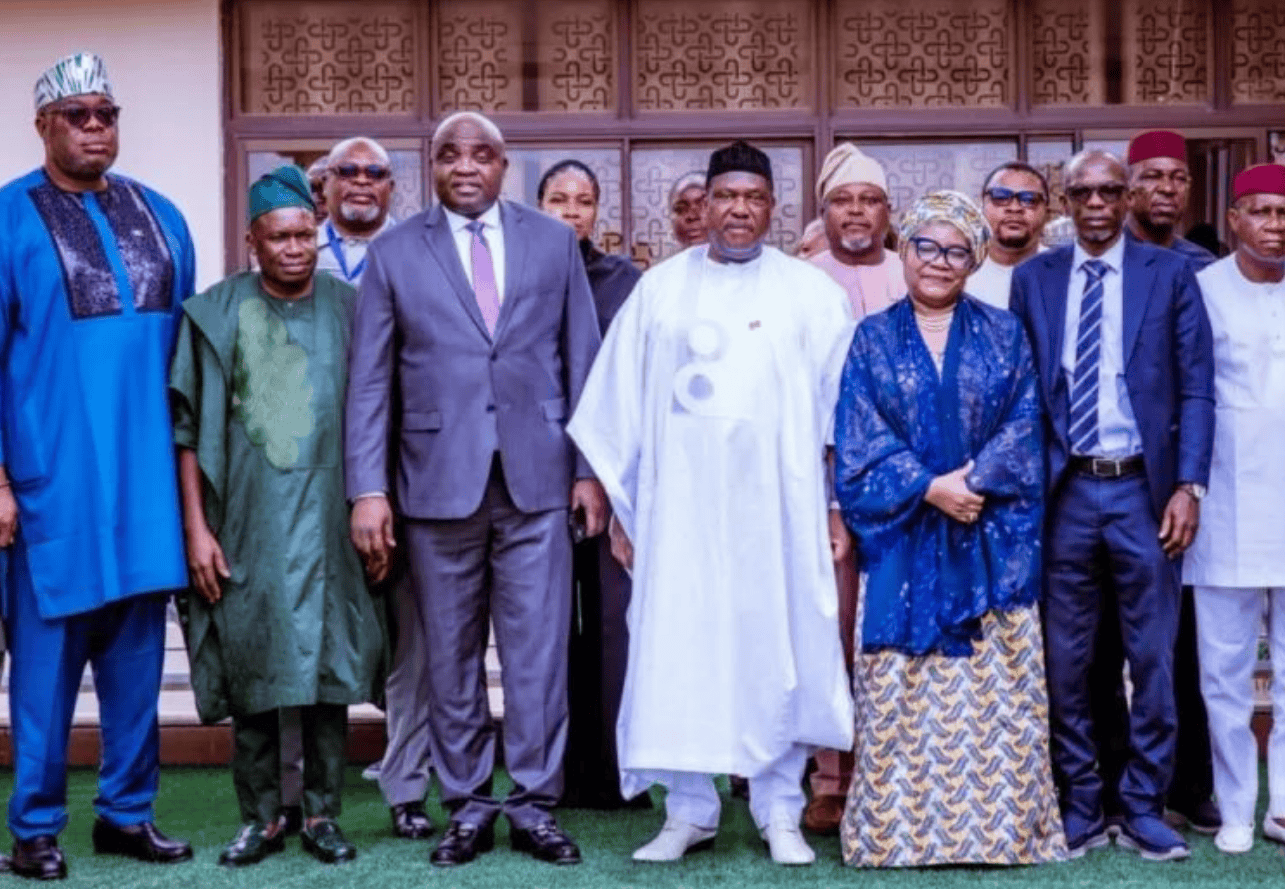
Proposed by the Nigerian President in August 2025, the project aims to comprehensively enhance national energy security, industrialization levels, and transportation infrastructure capabilities by integrating natural gas development, power supply, and high-speed rail construction. The project will be implemented in phases, specifically including the construction of approximately 4,000 km of high-speed rail, the development of natural gas resources (Nigeria's natural gas reserves exceed 200 trillion cubic feet) for power generation and railway electrification, and the establishment of a nationwide power production, transmission, and distribution system.
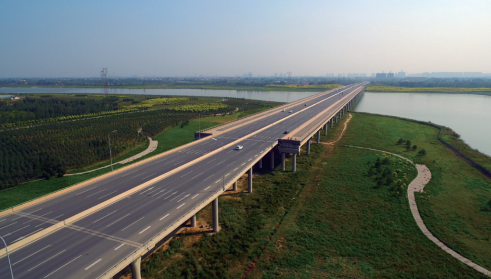
The planned first phase of the 4,000 km high-speed rail network will cover the Lagos-Abuja-Kano-Port Harcourt corridor, passing through more than 20 states with a total length of about 1,700 km. The commercial operating speed of the trains is 200-250 km/h, with some proposals suggesting a maximum speed of up to 350 km/h. This will significantly reduce travel time between major cities, for example, Lagos to Abuja in about 2.5 hours. The first phase is planned to be built in an elevated form and will integrate fiber optic cables and power transmission lines.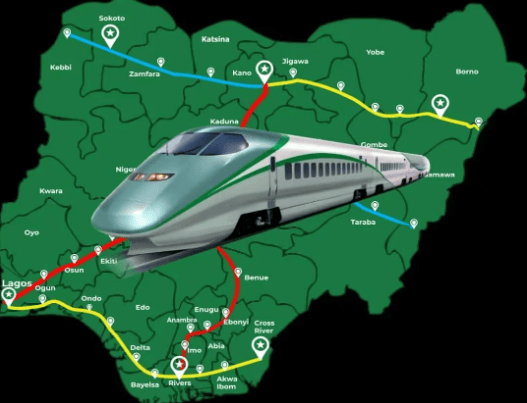
The project will be advanced by Nigeria's De-Sadel company in partnership with China's Liancai Petroleum Co., Ltd. The CEO of Nigeria's De-Sadel company has stated that Nigeria possesses abundant natural gas reserves, and a natural gas-powered high-speed rail system would not only secure energy supply but also make the project self-sufficient. The project is expected to create over 2 million jobs and significantly enhance natural gas supply capacity. However, current natural gas production capacity still struggles to meet demand, requiring increased investment through cooperation with international oil companies to rapidly boost production capacity.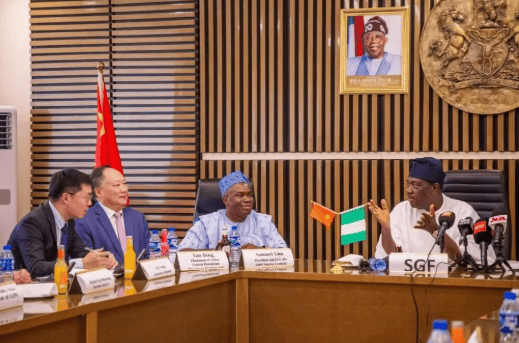
It has been disclosed that the project has completed several preliminary approvals, including preliminary commercial plan approval, natural gas supply certification, and environmental assessment. Key steps such as the concession agreement, operating license, and right-of-way still need to be advanced.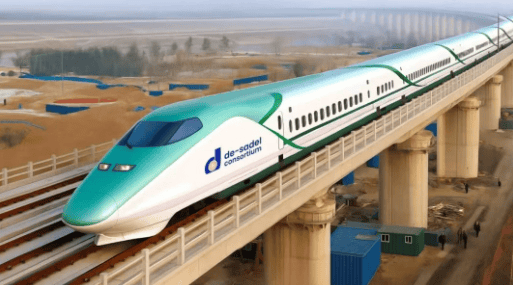
At the inauguration ceremony of the review committee, the Secretary to the Government of Nigeria stated that the project is massive and strategically significant, and must be advanced cautiously to ensure technical feasibility, sound financing, and compliance with national laws and regulatory frameworks. The focus of this review includes verifying the project's funding sources and financing structure, assessing fiscal risks, sovereign risks, and contingent liabilities, reviewing the integrated oil/gas and rail financing model, conducting due diligence on the EPC model and relevant Chinese partner companies, and ensuring compliance with PPP policies, environmental protection, and social impact requirements.
This article is compiled by Wedoany. All AI citations must indicate the source as "Wedoany". If there is any infringement or other issues, please notify us promptly, and we will modify or delete it accordingly. Email: news@wedoany.com
Related Products

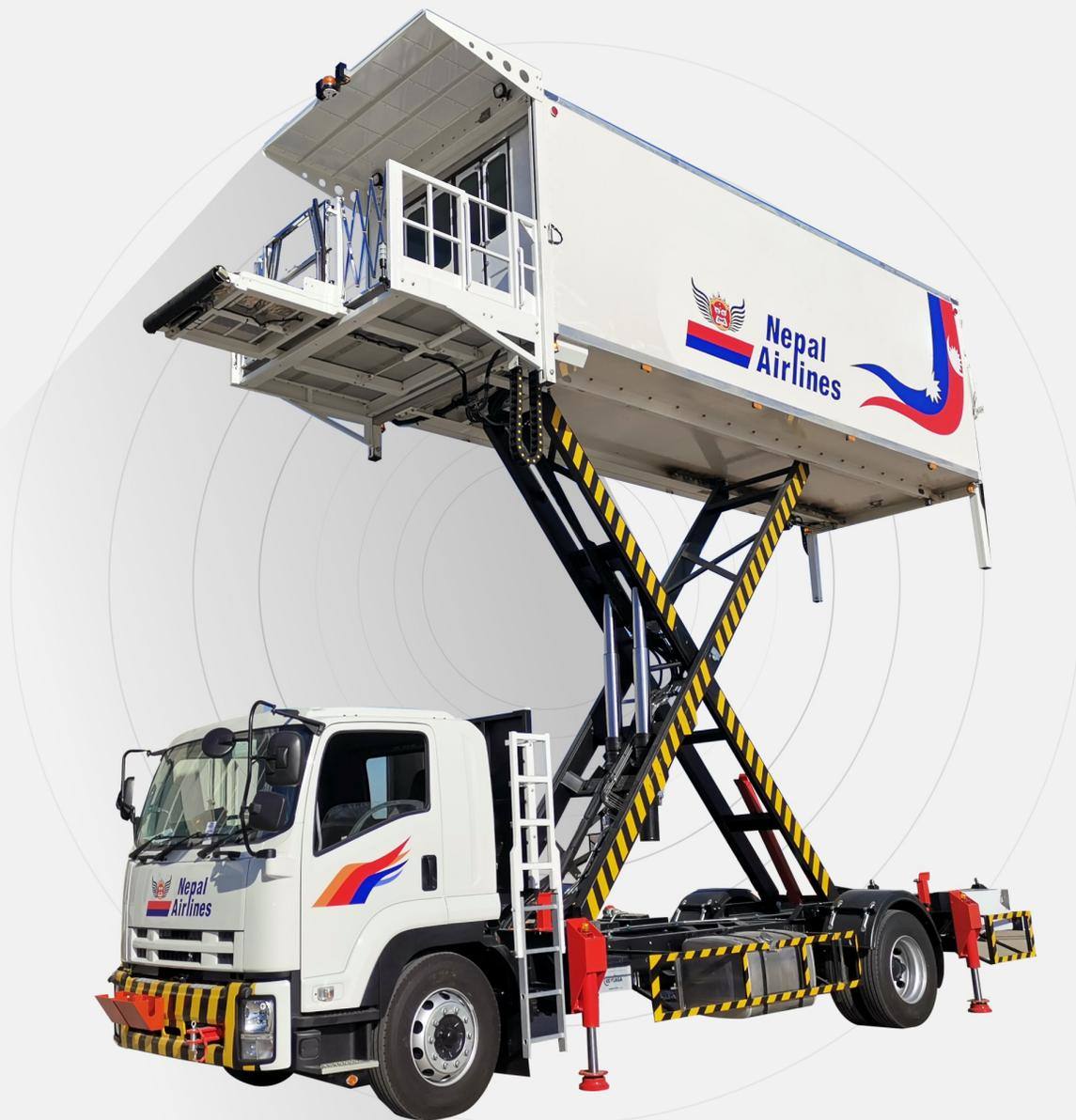
XC-6000e Type Aviation Catering Truck (Fuel Type)
Shenzhen CIMC-TianDa Airport Support Ltd.
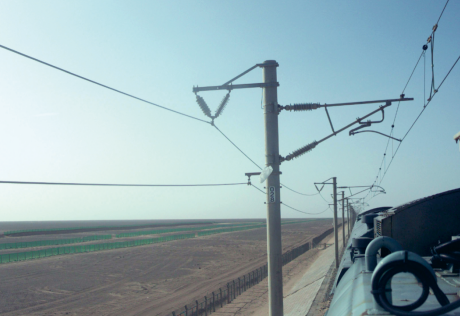
Pantograph-Catenary Comprehensive Detection Device (1C)
CHENGDU TANGYUAN ELECTRIC CO., LTD.
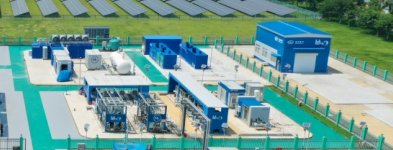
One-Stop Steward Service for the Entire Logistics System Integration Chain
Zhongding Intelligent (Wuxi) Technology Co., Ltd.