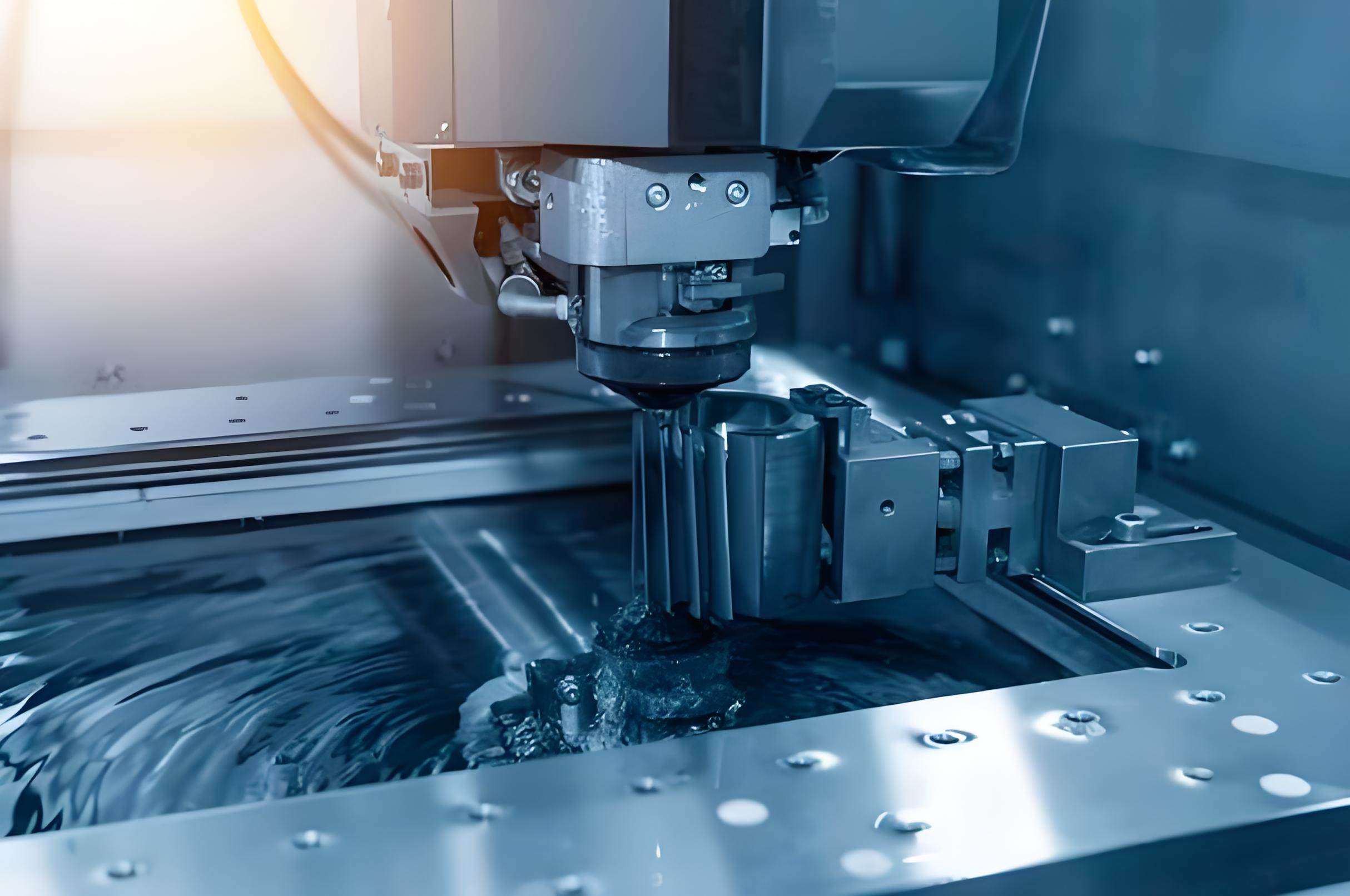
en.Wedoany.com Reported - Additive manufacturing technology is being explored as a new pathway to reshape the production of impact limiters for nuclear fuel transport. Orano Federal Services, in collaboration with the University of North Carolina at Charlotte, is re-examining the manufacturing process of these structural components, which protect spent nuclear fuel containers in accident scenarios, with a focus on improving production efficiency, controlling costs, and optimizing component performance.
Currently, impact limiters are typically manufactured from redwood, balsa wood, or aluminum honeycomb materials, involving complex processes and high costs. Although early applications of additive manufacturing were constrained by printing size limitations, recent research indicates that new printing equipment can now produce objects of significantly larger volume. The study identified Fused Filament Fabrication (FFF) and Selective Laser Melting (SLM) as the most viable technical paths and found that new internal lattice infill patterns like "gyroid" outperform traditional honeycomb designs in terms of energy absorption and weight reduction. The authors stated, "A more recent study reveals that not only can additive manufacturing printers produce much larger objects, but new internal patterns have been created that potentially offer advantages for impact limiters."
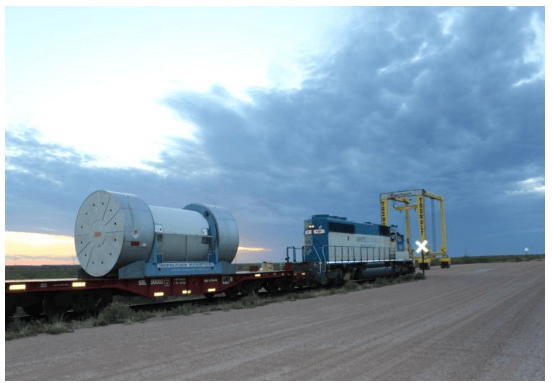
Given that the material and labor costs for traditional impact limiters can reach up to $1 million per unit, additive manufacturing solutions utilizing low-density infill show promise for significantly reducing expenses under specific conditions. However, the report also offers a cautious perspective, noting the current lack of industry standards regulating nuclear-grade applications and that existing ISO/ASTM standards are insufficient for stringent nuclear safety requirements. The U.S. Department of Energy anticipates establishing interim storage facilities within the next 10 to 15 years, which will increase demand for transport systems and related components. The report concludes, "The path forward focuses on developing specifications and standards for additively manufactured components." Before widespread application, further validation of their performance through full-scale testing is still required.
This article is compiled by Wedoany. All AI citations must indicate the source as "Wedoany". If there is any infringement or other issues, please notify us promptly, and we will modify or delete it accordingly. Email: news@wedoany.com