China's MIIT Releases New Policy! Building Materials Industry's Quality Work in 2026 to Focus on Three Core Tasks: Standard Upgrades, Stricter Mandatory Requirements, and Green Certification
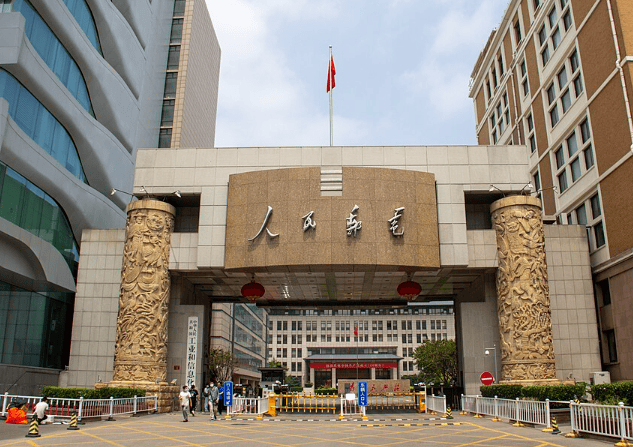
en.Wedoany.com Reported - On April 13th, the Ministry of Industry and Information Technology (MIIT) issued a notice on the quality work for industry and information technology in 2026. It clearly stated that support will be provided for building a strong manufacturing nation, a strong quality nation, and a strong cyber nation through measures such as promoting the upgrading of enterprise quality management capabilities, creating industry models for quality transmission along the supply chain, and promoting the innovative application of quality technologies.
According to the notice, quality work in the building materials industry will focus on three core tasks. First, standard upgrades, primarily involving the development and release of product standards, testing methods, and technical regulations for raw materials (including basic building materials such as cement, glass, and steel).
Second, mandatory requirements, the notice mentions raising mandatory standard requirements in key material fields, meaning that hard indicators for building material products such as safety and environmental protection will become more stringent.
Third, green certification, the notice clearly states that green building material product certification will be promoted, which is a core lever for the current transformation and upgrading of the building materials industry.
Details are as follows:
Notice of the General Office of the Ministry of Industry and Information Technology on the Quality Work for Industry and Information Technology in 2026
MIIT Office Science and Technology Letter [2026] No. 147
To: Industry and information technology authorities of provinces, autonomous regions, municipalities directly under the central government, cities specifically designated in the state plan, and the Xinjiang Production and Construction Corps; Communications administrations of provinces, autonomous regions, municipalities directly under the central government, and cities specifically designated in the state plan; Relevant units directly under the Ministry; Relevant industry associations (federations):
To implement the spirit of the Central Economic Work Conference and the arrangements of the 2026 "Government Work Report," to deeply implement the manufacturing excellence quality project, to systematically advance the quality work of enterprises, products, and services, to strengthen quality technology innovation, to consolidate the foundation of quality technology, to optimize the quality development ecosystem, to promote the upgrading of quality management capabilities for a group of enterprises, to create a group of industry models for quality transmission along the supply chain, to promote the innovative application of a group of quality technologies, to cultivate a group of quality public service carriers, and to build a group of outstanding "Made in China" brands, providing strong support for building a strong manufacturing nation, a strong quality nation, and a strong cyber nation. The notice on the quality work for industry and information technology in 2026 is hereby issued as follows:
I. Key Tasks
(I) Implementing Enterprise Quality Improvement Actions
1. Carry out enterprise quality management capability evaluation. Guide and support key enterprises whose products involve the vital interests of the people, especially life and health safety; are closely related to national strategies and have a strong leading role in regional and industrial development; have a strong driving effect on quality linkage improvement in the industrial chain and supply chain; and have high market share, strong development potential, and significant room for quality improvement, as well as specialized, sophisticated, distinctive, and innovative SMEs, to carry out quality management capability evaluations. Guide enterprises to progressively improve their quality management capabilities following the tiered path of "Experience Level, Inspection Level, Assurance Level, Prevention Level, Excellence Level." Further improve the evaluation work mechanism, orderly expand the team of assessment institutions and assessors, and improve supporting standards for quality management capabilities. Publish the list of enterprises with high-level quality management capabilities in a timely manner and promote the widespread adoption of evaluation results. (Responsible: Department of Science and Technology; local industry and information technology authorities)
2. Implement the "Quality Improvement Along the Chain" plan. Support localities to focus on their local advantageous and key industrial chains, organize chain-leading enterprises and leading enterprises to introduce advanced quality management systems, clarify quality objectives and implementation paths for the entire chain, transmit quality requirements along the industrial chain, drive quality linkage improvement among upstream and downstream enterprises in the industrial chain, and create a batch of industry models for consistent quality control along the industrial chain. (Responsible: Department of Science and Technology; local industry and information technology authorities)
(II) Implementing Quality Technology Advancement Actions
3. Promote the innovative application of quality technologies. Explore the use of the "enterprise sets the problem, government builds the platform, capable individuals solve it" "unveiling the list and appointing the leader" tackling model, condense quality key technology needs, develop a work plan for cultivating and selecting high-level quality consortia, support localities in establishing high-level quality consortia, accelerate the tackling of key common quality technologies, and promote the transformation of quality technology innovation achievements. Carry out the promotion of typical experiences in quality technology innovation application to play a leading and driving role. (Responsible: Department of Science and Technology; local industry and information technology authorities)
4. Deepen artificial intelligence empowerment for quality improvement. Organize the compilation of panoramic application maps and transformation roadmaps for "AI + Quality" in key industries, clarify the key areas, implementation steps, and expected goals for the integration of AI and quality in various industries, and provide clear guidance for enterprise transformation. Accelerate the promotion of integrated applications of high-quality quality large models, industrial intelligent agents, etc., to improve the accuracy and efficiency of quality control. (Responsible: Department of Science and Technology; local industry and information technology authorities)
(III) Implementing Product and Service Quality Leapfrog Actions
5. Carry out reliability "foundation-laying" and "doubling" projects. Focus on the equipment industry and electronic information industry, strengthen reliability design of complete equipment and complex systems, tackle and break through a batch of core basic components, and promote the reliability of key core products to reach international advanced levels. Focus on key areas to compile the "Product Reliability Improvement Manual" to guide the improvement of key product reliability. Uncover a batch of typical reliability improvement experiences with driving effects. (Responsible: Department of Science and Technology; First Equipment Industry Department; Second Equipment Industry Department; Electronics Department according to their respective responsibilities)
6. Promote quality improvement of key manufacturing products through industry-specific measures. Promote key industries to develop quality grading standards for key products, improve the quality grading release mechanism and adoption mechanism. Develop and release industry standards for raw material products, testing methods, and technical regulations, promote raising mandatory standard requirements in key material fields, advance green building material product certification, and promote the quality and efficiency improvement of raw material products. Accelerate the construction of high-level smart factories, strengthen the construction of scenarios such as precise quality traceability, quality analysis, and improvement. Strengthen the tackling of major technical equipment and system integration innovation. Promote research, formulation, revision, and application of key product standards in the equipment field to improve the quality level of equipment products. Deepen the digital empowerment action to assist consumer goods in "variety, quality, and branding," accelerate the construction of technical standard systems for light industry products and the pharmaceutical industry, strengthen quality supervision, quality integrity, and traceability system construction in fields such as food and pharmaceuticals, introduce more cost-effective products that meet applicability requirements based on demand, and promote the transformation of consumer goods quality from production-end compliance to consumption-end adaptation. Revise the compliance management catalog for the restricted use of hazardous substances in electrical and electronic products and the list of exemptions for the application of restricted substances. Integratively advance capacity building for standard formulation, standard publicity, certification, and evaluation in the electronic information manufacturing industry, increase supervision and sampling of software product quality, improve incentive policies for the application of first-edition software, and promote the quality upgrade of information technology products and services. (Responsible: Department of Science and Technology; Energy Conservation and Comprehensive Utilization Department; Safety Production Department; Raw Materials Industry Department; First Equipment Industry Department; Second Equipment Industry Department; Consumer Goods Industry Department; Electronics Department; Information and Software Services Department according to their respective responsibilities)
7. Improve information and communication service quality. Launch ten practical actions for warm information and communication services in 2026, guide enterprises to refine measures for telecommunications service handling, customer service guarantee capabilities, personal information protection, etc., and promote enterprises to improve service levels. Consolidate the primary responsibility of enterprises, strengthen personal information protection and telecom network fraud governance, and protect users' personal data and property security. (Responsible: Information and Communication Administration Bureau; Cybersecurity Administration Bureau; local communications administrations)
8. Improve the quality of communication construction projects. Implement the "Action Plan for Improving the Quality of Communication Construction Projects and Work Safety (2025-2027)," continuously improve the quality of communication construction projects, strengthen sampling inspections of materials required for projects, urge construction units and construction units to strictly control the quality of incoming materials and equipment, strengthen quality management and acceptance management during the construction process, and strengthen the investigation of hidden quality risks in communication projects. (Responsible: Communications Development Department; local communications administrations)
(IV) Consolidating the Foundation of Quality Technology
9. Strengthen standard leadership. Improve relevant standards around the transformation and upgrading of traditional industries, strive to achieve synchronization between standard iteration and technology iteration, and promote enterprises to improve product quality levels. Focus on advantageous industries to coordinate and promote the formulation of standards for the entire industrial chain, continuously consolidate the advantages of the quality foundation. Deeply implement the new industry standardization navigation project, strengthen standard pre-research and application, carry out standard technical verification, and provide technical support for accelerating the high-quality development of new industries. Improve the manufacturing reliability standard system, promote the addition of reliability indicators in mandatory standards for key products, and use high standards to force product quality upgrades. (Responsible: Department of Science and Technology takes the lead; relevant departments within the Ministry according to their respective responsibilities)
10. Strengthen measurement support. Guide industry associations to strengthen their measurement professional committees. Support measurement technical service institutions in carrying out measurement technology research, developing high-end measuring instruments and reference materials, and formulating and revising measurement technical specifications, providing integrated solutions for enterprises to improve precision measurement levels. Accelerate breakthroughs in a batch of testing equipment and promote the development of the measurement and calibration instrument industry. (Responsible: Department of Science and Technology; First Equipment Industry Department according to their respective responsibilities)
11. Carry out high-end quality certification. Encourage professional institutions to strengthen certification technology and service innovation, support the promotion of high-end quality certification in key fields such as equipment and electronics. Accelerate the digital development of quality certification, strengthen the application of advanced digital technologies, and establish and implement quality certification systems, evaluation rules, and technical specifications that meet the needs of high-quality development. (Responsible: Department of Science and Technology; First Equipment Industry Department; Second Equipment Industry Department; Electronics Department; Information and Software Services Department according to their respective responsibilities)
12. Improve the effectiveness of quality public services. Strengthen the high-level construction of industrial product quality control and technology evaluation laboratories, enhance "one-stop" comprehensive quality technical services. Encourage localities to incorporate laboratory layout and construction into regional development plans, guide laboratories to provide quality public services for regional industrial development. Accelerate the layout and construction of manufacturing pilot platforms, strengthen public service functions, support enterprises in improving quality standards, control and analysis methods, verifying process parameters and processes, and promoting technology iteration, quality improvement, and product upgrades. (Responsible: Department of Science and Technology takes the lead)
(V) Optimizing the Quality Development Ecosystem
13. Support the development of mass quality activities. Support industry associations and professional institutions in organizing quality improvement activities such as quality diagnosis, quality innovation, user experience, and professional consulting, regularly carry out experience exchanges, achievement displays, on-site observations, and training on advanced quality standards compliance, uncover a batch of typical quality improvement experiences and practices with driving effects, and promote an excellent quality management culture. (Responsible: Department of Science and Technology takes the lead; relevant departments within the Ministry according to their respective responsibilities)
14. Enhance the quality of quality personnel. Support localities, industry associations, and professional institutions in organizing quality training, encourage universities and research institutions directly under the Ministry to promote the construction of quality-related disciplines and courses, deepen the integration of industry and education, and cultivate high-quality quality personnel. Support the construction of reliability training bases, strengthen reliability vocational education and skills training, and accelerate the cultivation of high-level reliability talents. Improve the quality talent evaluation system and incentive mechanism, optimize quality talent service guarantee measures, and expand the quality talent team. (Responsible: Department of Science and Technology takes the lead; relevant departments within the Ministry according to their respective responsibilities)
15. Strengthen quality development monitoring. Improve the manufacturing quality monitoring system, strengthen the tracking and judgment of quality development trends, construct a manufacturing excellence quality index, build an industrial quality big data platform, carry out dynamic monitoring and analysis of quality development levels by region and industry, and release the manufacturing quality development report in a timely manner. (Responsible: Department of Science and Technology takes the lead)
16. Strengthen quality supervision and management. Collaborate in carrying out central quality and food safety assessments, cooperate in national product quality supervision sampling, carry out quality inspections of key products such as lithium batteries, photovoltaic modules, civil explosives, and radio transmission equipment, and strengthen production consistency supervision and inspection of road motor vehicle products. Guide e-commerce platforms to carry out self-declaration of online shopping product quality, increase sampling efforts, and enhance consumers' ability to discern quality. Leverage the role of mass quality supervision, advocate the concept of high quality and fair price, and effectively protect the legitimate rights and interests of consumers. (Responsible: Relevant departments within the Ministry according to their respective responsibilities)
(VI) Implementing the "Made in China" Brand Building Action
17. Enhance enterprise brand building capabilities. Incorporate quality indicators into brand standards, improve the manufacturing brand standard system, guide enterprises to establish and improve brand cultivation management systems, and promote the integrated development of brand building and quality improvement. Support industry associations and professional institutions in providing services such as brand creation evaluation and internationalization docking to improve enterprises' brand building capabilities and international operation capabilities. (Responsible: Department of Science and Technology takes the lead)
18. Cultivate new advantages in industrial and regional brands. Promote the quality upgrade of national advanced manufacturing clusters, implement the new track cultivation action for national high-tech zones, and build and cultivate industrial cluster regional brands. Encourage classic renowned enterprises to accelerate the development and cultivation of high-value-added classic and famous products, accelerate the construction of China's consumer famous product matrix, cultivate textile and apparel excellence brands and local characteristic food industries, and create world-class consumer goods brands. (Responsible: Planning Department; Department of Science and Technology; Consumer Goods Industry Department according to their respective responsibilities)
19. Strengthen the cultivation and promotion of the "Made in China" brand. Support localities, industry associations, and professional institutions in carrying out a series of activities such as brand building salons, brand story broadcasts, and brand scenario performances, increase the promotion of typical brand building experiences, promote the concept of excellence in quality, establish the concept from good quality to excellent products, create a good atmosphere for brand building, and continuously enhance the awareness, reputation, and influence of the "Made in China" brand. (Responsible: Department of Science and Technology takes the lead)
II. Safeguard Measures
Local industry and information technology authorities and communications administrations should strengthen overall coordination, consolidate work responsibilities, refine annual arrangements, strengthen effectiveness evaluation, increase policy incentives, fully leverage the role of all parties, and form a powerful synergy to advance industry and information technology quality work. Important situations should be reported to the Ministry of Industry and Information Technology (Department of Science and Technology) in a timely manner.
This article is compiled by Wedoany. All AI citations must indicate the source as "Wedoany". If there is any infringement or other issues, please notify us promptly, and we will modify or delete it accordingly. Email: news@wedoany.com
Related Products



Ceiling light | led Ceiling Light | LED Indoor light | LED Ceiling lighting
Queendom Group Technology Co., Ltd.

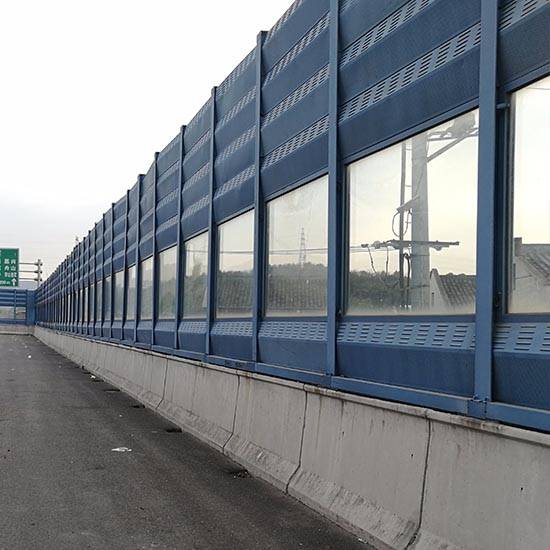
Metal sound barriers that can reduce the transmission of road noise
Hebei Jinbiao Construction Materials Tech Corp., Ltd.
Ultra-Pure Ferrite Stainless Steel Products
Gansu JISCO Group Hongxing Iron and Steel Co., Ltd.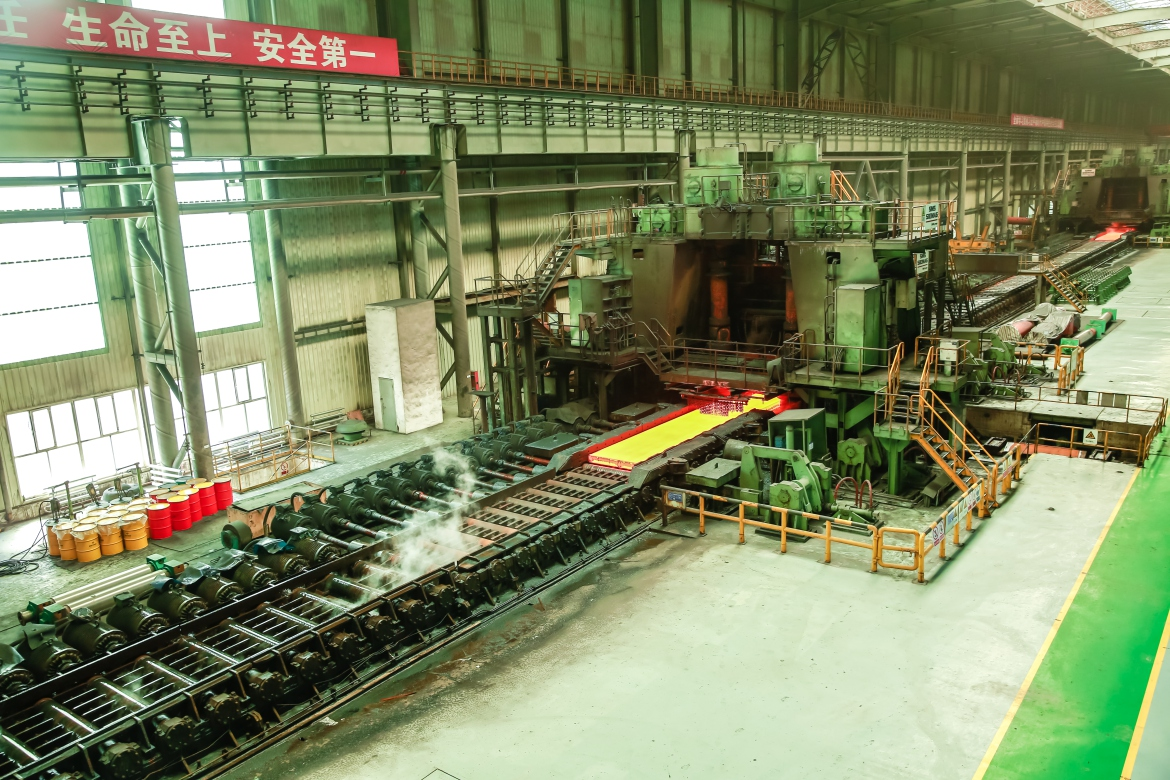
YHTank8400N Solvent-Free Liquid Epoxy Coating
JIANGSU YUNHU NEW MATERIAL TECHNOLOGY CO., LTD.
Pure Polyurethane Wall Panel BD-AEF-PIR-01
Baodu International Engineering Technology Co., Ltd.
West China Xiamen Hospital of Sichuan University
Wuhan Huakang Century Clean Technology Co., Ltd.