Intel, Dell, and Nokia Jointly Launch 5G Edge UPF Device, Coming to Market in the Second Half of the Year
en.Wedoany.com Reported -

Intel, Dell, and Nokia have collaborated to develop a User Plane Function (UPF) device for 5G edge networks based on Intel's Xeon 6 processors. The device was first showcased at this year's Mobile World Congress (MWC) and is designed to provide computational support for distributed networks, with an expected market launch in the second half of this year.
This compact 5G edge UPF device is suitable for deployment in distributed environments such as industrial sites, remote areas, and suburbs, providing power for computational tasks. Network operators can leverage it to enhance the data processing capabilities of 5G networks to meet growing user traffic demands.
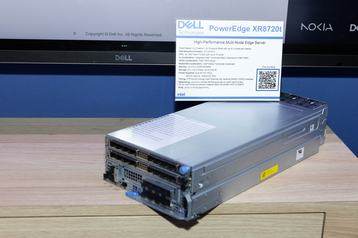
Dell has adopted Intel Xeon 6 processors in its high-performance computing (HPC) devices, such as the PowerEdge XR8720t, which supports up to 72 cores and is claimed to offer more than double the performance of its predecessor. Nokia's software solutions, including NFVi 5G Cloud Core and Cloud Mobility Manager, will run on the UPF, helping to optimize workloads and reduce CPU power consumption by up to 43%.
The three parties stated that this collaboration will assist telecom service providers in improving network performance and latency while expanding capacity. Chandresh Ruparell, General Manager of Intel's Wired and Core Network Division, said, "As AI drives changes in mobile communications and data flows, we are helping customers redesign their networks to balance power consumption and performance, avoiding complex upgrade processes."
For Intel, this 5G edge UPF collaboration represents a step forward in the market competition for its processor lineup. As industry demand shifts from GPUs to CPUs, companies like AMD, Nvidia, and Arm are also actively following suit. Intel's previous-generation Sapphire Rapids chips have been used in multiple 5G Radio Access Network (RAN) systems, and the company is focusing on processors to support telecom, edge, and virtualized RAN deployments.
Recently, Intel partnered with Google to provide Xeon platforms for its workload-optimized instances and participated in the TeraFab project, with the company's stock price rising compared to last year.
This article is compiled by Wedoany. All AI citations must indicate the source as "Wedoany". If there is any infringement or other issues, please notify us promptly, and we will modify or delete it accordingly. Email: news@wedoany.com
Related Products



GYTA Type Non-Self-Supporting Aerial/Duct Optical Cable
TONGDING INTERCONNECTION INFORMATION CO., LTD.
G.652.D Wavelength-extended Non-dispersion Shifted Single-mode Optical Fiber
HONGAN GROUP CO., LTD.
Conveyor Belt Intelligent Monitoring System
LUO YANG WIRE ROPE INSPECTION TECHNOLOGY CO., LTD.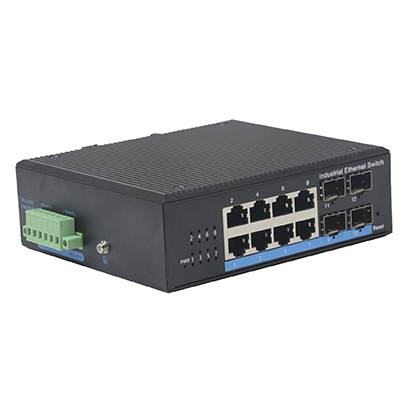
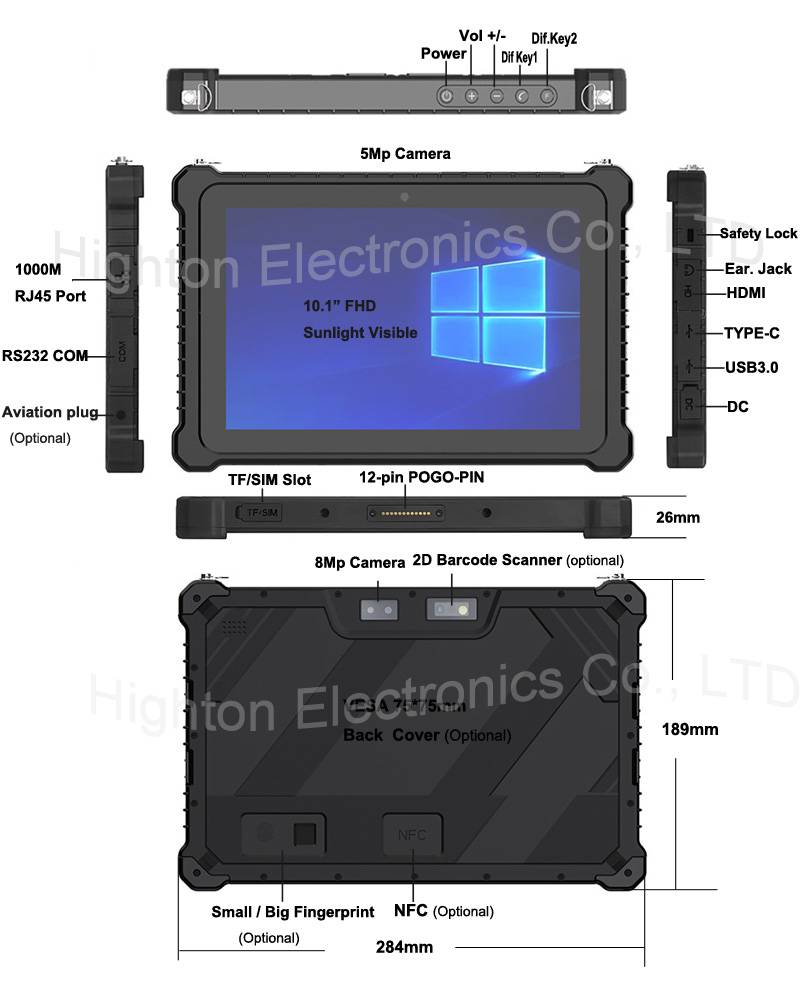
Hot Selling 10 Inch Intel N5100 I5 I7 FHD 8 +128GB 16+256GB Win10 Pro Win11 Pro 4G 5G Rugged Tablet PC Pad with NFC Barcode
Highton Electronics Co., Ltd.
Automatic Aiming Laser Remote Obstacle Removal Robot
Pinggao Group Weihai High-Voltage Apparatus Co., Ltd.

Industrial and Commercial Point-Type Gas Detector
Jinan Benan Technology Development Co., Ltd.