Apple's Touchscreen MacBook Pro Expected to be Delayed Until 2027 Due to Memory Shortage
en.Wedoany.com Reported - Bloomberg journalist Mark Gurman released a new report on April 21, indicating that the launch of Apple's first touchscreen MacBook Pro has been postponed from the originally planned late 2026 to early 2027. The persistent global shortage of memory and SSD supplies, coupled with large-scale procurement for artificial intelligence infrastructure squeezing the supply of consumer electronics components, are the main external factors for this delay. Apple originally planned to update the MacBook Pro lineup in the fall of 2026, adding a touchscreen as a key selling point, but extended component delivery cycles have forced the company to adjust the launch window.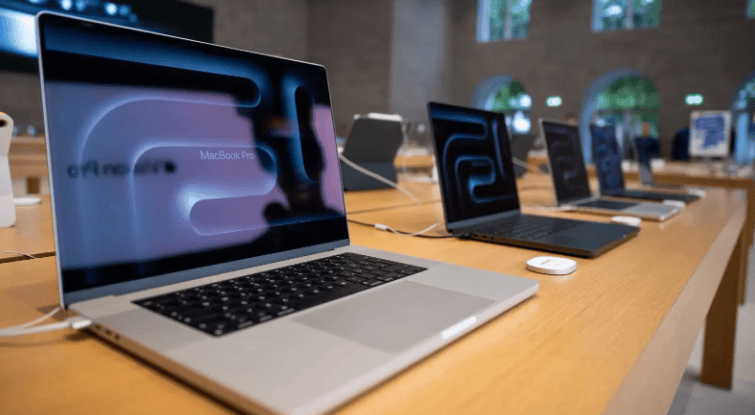
Gurman detailed several product specifications for this touchscreen MacBook Pro. The device will feature an OLED display for the first time, available in 14-inch and 16-inch size options, with a body design continuing the MacBook Pro family's aluminum unibody construction. On the chip front, it will be equipped with the yet-to-be-released M6 series processor, following Apple's annual iteration rhythm for its custom silicon. The front camera area adopts an interactive design similar to the Dynamic Island, integrating the FaceTime camera and ambient light sensor into an expanded area at the top of the screen, rather than the traditional notch. The system software will be a touch-optimized version of macOS, featuring a new touch menu mechanism that allows menus to pop up around the finger position when users tap on-screen items, providing quick action options like copy, paste, and share. In a February report, Gurman emphasized that this interaction logic is not intended to replace the iPad lineup, but to allow users to freely switch between touch and traditional trackpad clicks, catering to operational preferences in different usage scenarios.
Updates to the Mac Studio product line are also constrained by component supply. Gurman previously expected the upgraded Mac Studio to debut around Apple's Worldwide Developers Conference in mid-year, but the latest information indicates the launch has been pushed back to October. The new Mac Studio will feature the M5 Max and M5 Ultra chips, while current models use combinations of the M3 Ultra or M4 Max chips. Apple's online store earlier this month showed high-end configurations of the Mac Studio as sold out, with some custom configurations experiencing extended delivery times of 4 to 6 weeks, indirectly confirming production bottlenecks in the supply chain.
The direct driver of the memory and SSD shortage is the explosive demand from the AI industry. Major memory manufacturers like Samsung Electronics, SK Hynix, and Micron have shifted significant production capacity towards AI-specific chips like High Bandwidth Memory, correspondingly reducing wafer allocation for traditional DRAM and NAND flash. Nvidia, AMD, and various cloud service providers continue to expand the scale of AI training clusters, with single purchase quantities often calculated in tens of thousands, further intensifying the competition for components among consumer electronics manufacturers. Thanks to its over-a-decade-long strategic partnerships with suppliers and prepayment mechanisms, Apple has temporarily avoided the direct impact of rising component costs on end-product pricing. However, PC brands like Microsoft, Dell, HP, and Lenovo have gradually passed on the increased costs of storage and memory to the retail end, with some models seeing price increases ranging from fifty to one hundred US dollars in Q1 2026.
Gurman also mentioned that Apple is developing supporting software ecosystem adaptations for the touchscreen MacBook Pro. The new macOS will optimize window management, gesture navigation, and multi-tasking split-screen logic for touch interaction. Some system applications like Safari, Photos, and Maps have begun internal testing of touch-optimized interface layouts. Apple has also requested some third-party developers to adjust the spacing of application interface elements to ensure sufficient touch target areas for fingertip operation. These software adaptation efforts are independent of the hardware delay and are not expected to affect the overall launch timeline of the touchscreen MacBook Pro.
This delay of the touchscreen MacBook Pro is not Apple's first time adjusting a new product schedule due to supply chain issues. The M5 MacBook Air in 2025 was delayed by two months due to display panel yield issues, eventually launching in August of that year. Apple's Chief Operating Officer Jeff Williams stated during the Q1 2026 earnings call that the company is working closely with suppliers to ensure stable supply of critical components and evaluating the feasibility of diversified procurement channels. The global memory shortage is expected to persist until the first half of 2027, with multiple industry analysis reports pointing out that AI-driven memory demand has not yet peaked.
This article is compiled by Wedoany. All AI citations must indicate the source as "Wedoany". If there is any infringement or other issues, please notify us promptly, and we will modify or delete it accordingly. Email: news@wedoany.com
Related Products


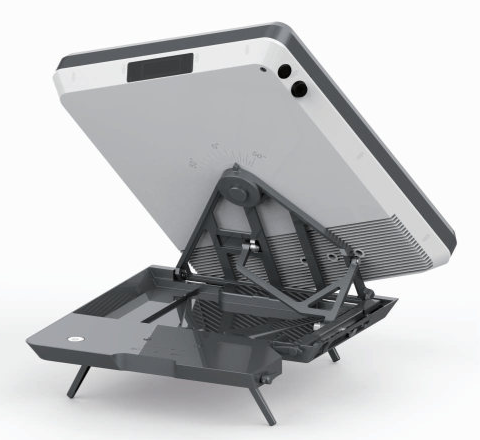
Flat Portable Satellite Terminal 0.35m Aperture Manual Portable Terminal
China Starwin Science & Technology Co., Ltd.
Mine Explosion-proof and Intrinsically Safe Industrial Ethernet Ring Network (10 Gigabit/Gigabit)
Chongqing Mas Sci&Tech Co., Ltd.

MUX Series Communication Interface Device for Security and Stability Control System
Nanjing NR Electric Co., Ltd.

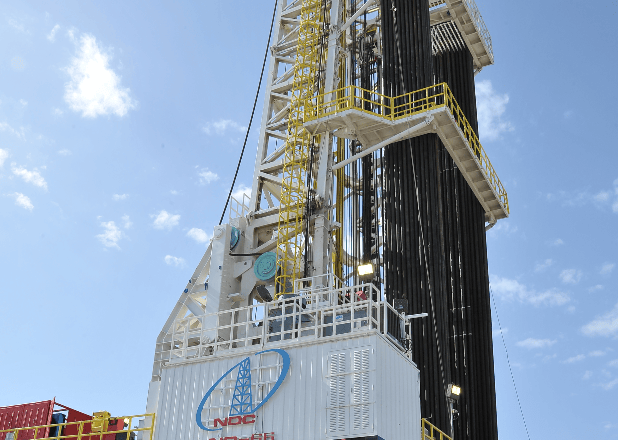


Comprehensive Mining Automation Control System
Beijing Tianma Intelligent Control Technology Co., Ltd.