Zambia's Largest Solar Power Plant Commissioned: CEC Itimpi Phase II with 136 MW Capacity
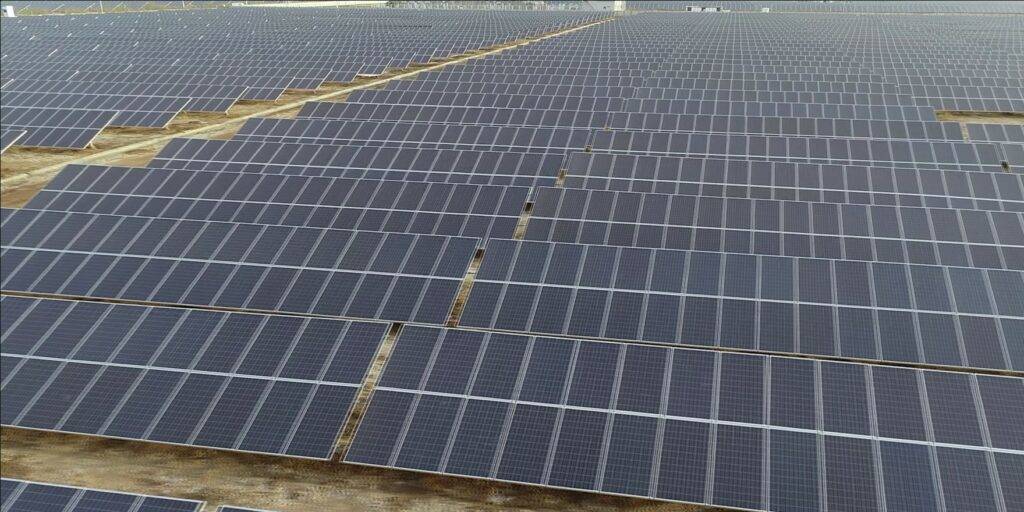
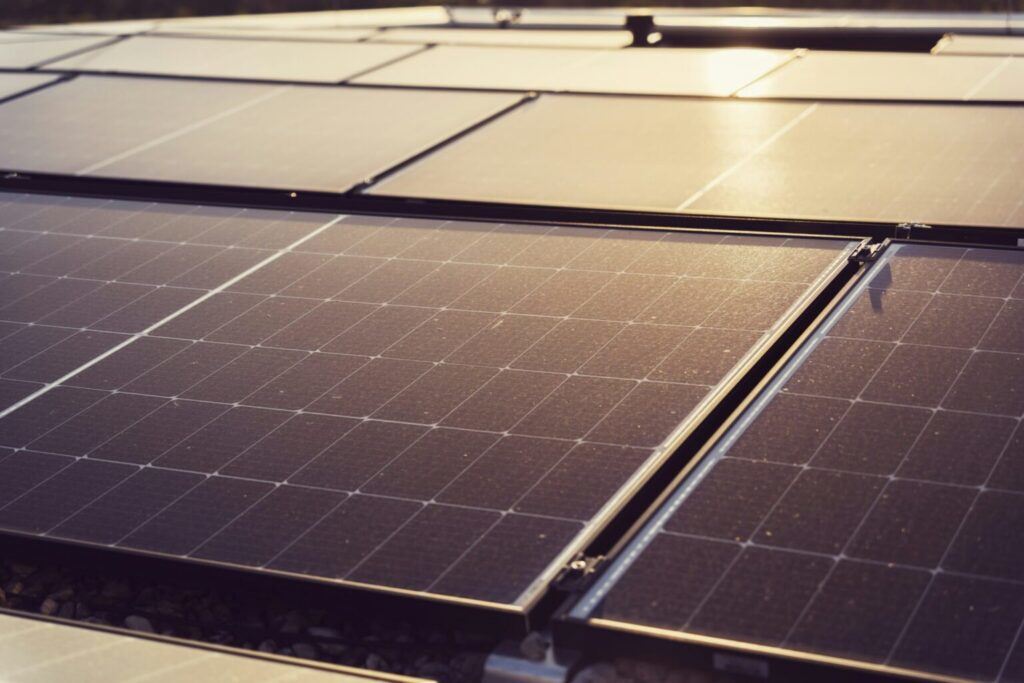
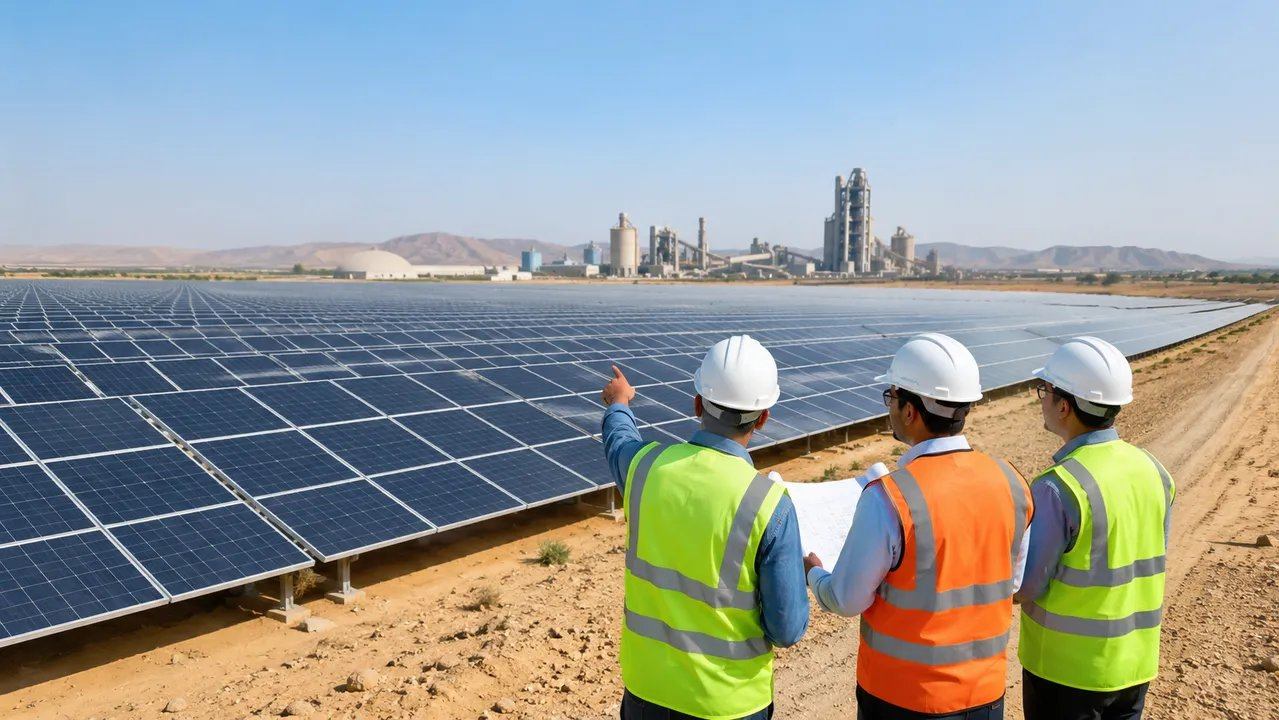
en.Wedoany.com Reported - Zambia's Copperbelt Energy Corporation (CEC) has commissioned the 136 MW Itimpi Phase II Solar PV Plant in Kitwe, making it the country's largest operational solar power plant and the third-largest facility of its kind in sub-Saharan Africa. With a total investment of approximately US$125.8 million and a construction period of 14 months, the project increases CEC's total installed solar capacity from 94 MW to 230 MW.
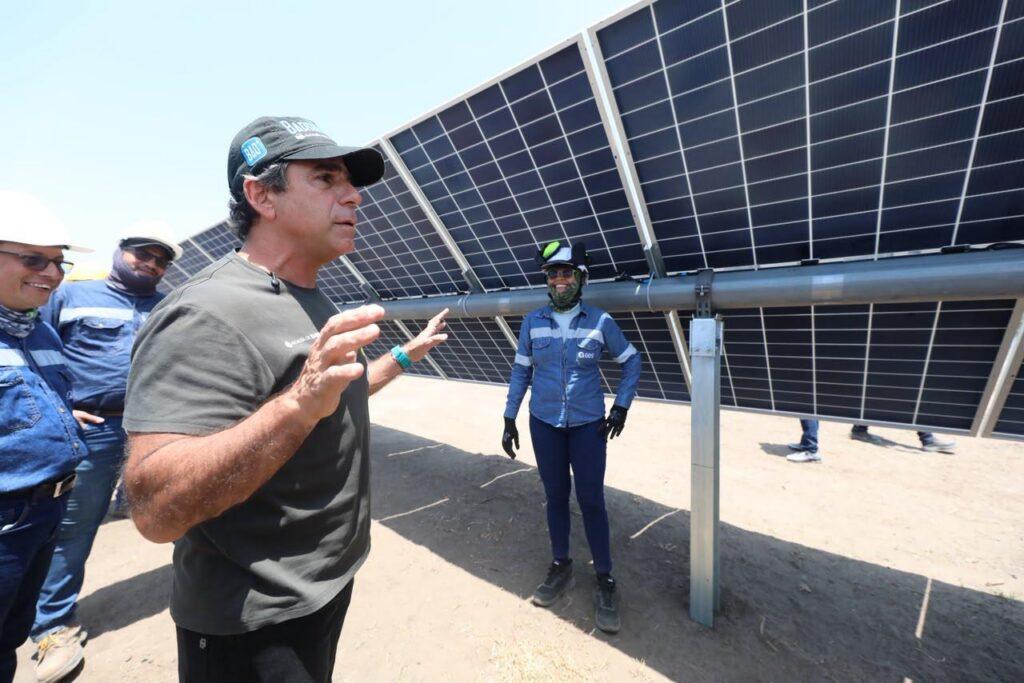
Zambia has long relied on hydropower, but frequent droughts in recent years have led to falling water levels at hydroelectric stations and unstable power supply. The commissioning of the new plant helps diversify the country's energy mix and reduce dependence on hydropower, thereby enhancing energy security. At the commissioning ceremony, President Hakainde Hichilema stated that reliable and sustainable energy is the foundation for supporting industrial growth, economic development, and long-term competitiveness, and that the government views renewable energy investment as a key measure to meet the growing demand for electricity.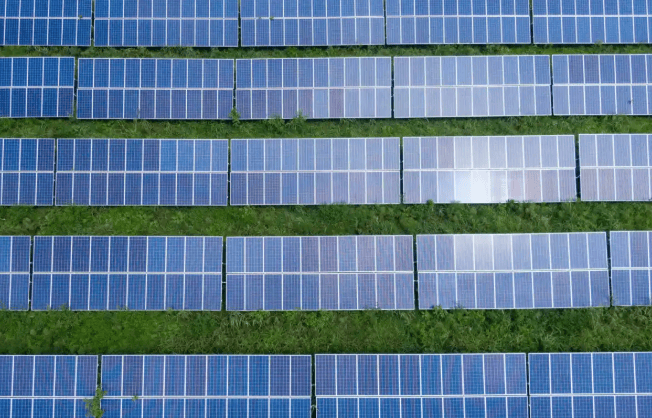
The project has also brought significant socio-economic benefits. During the construction phase, a total of 2,568 jobs were created, over 95% of which were filled by local Zambian workers. CEC collaborated with 15 local companies and 8 local consulting institutions, including Copperbelt University, and approximately 1,000 local workers received training in renewable energy technologies. Project financing was implemented through a US$200 million Green Bond program, successfully raising US$156 million, demonstrating the capacity of Zambia's domestic capital market to support large-scale infrastructure without significantly increasing sovereign debt.
Environmentally, the plant is expected to offset approximately 101 metric tons of carbon dioxide emissions annually, contributing to Zambia's climate and sustainable development goals. CEC plans to expand its solar portfolio capacity to over 500 MW by 2027 and use the remaining Green Bond funds to invest in battery energy storage systems, ensuring that solar energy can be stored and supplied during non-sunlight hours, providing stable and clean power for Zambia's future industrial growth.
This article is compiled by Wedoany. All AI citations must indicate the source as "Wedoany". If there is any infringement or other issues, please notify us promptly, and we will modify or delete it accordingly. Email: news@wedoany.com
Related Products
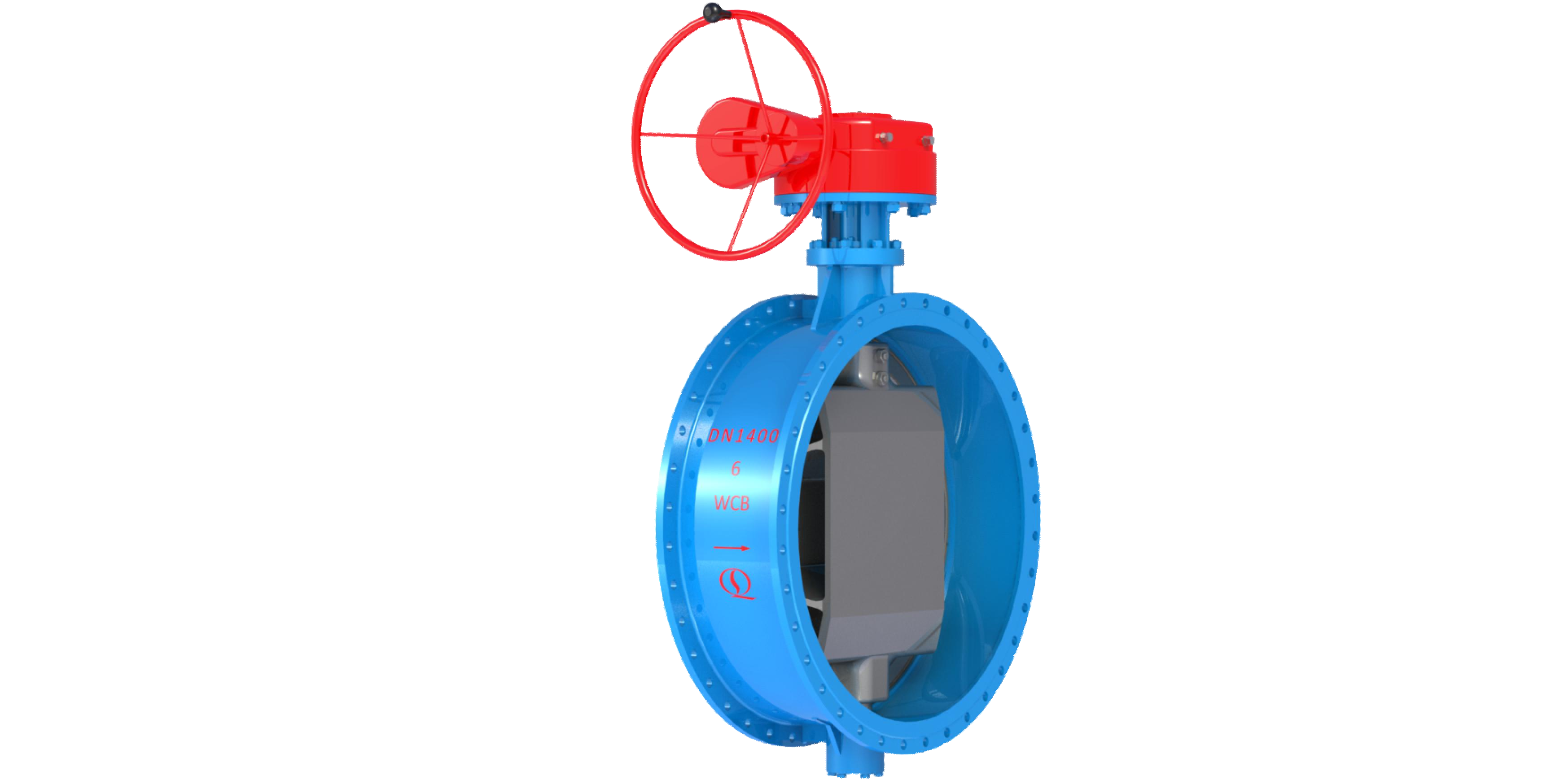

Bidirectional Metal Hard Sealed Seawater Butterfly Valve
Henan Quanshun Flow Control Science & Technology Co., Ltd.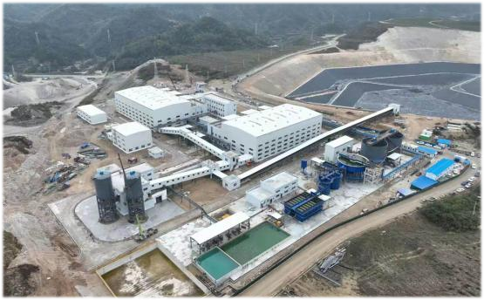
Yingping Mining Section Open-pit Tailings Backfill Treatment of Goaf Ecological Restoration EPC Project
China Bluestar Lehigh Engineering Corporation
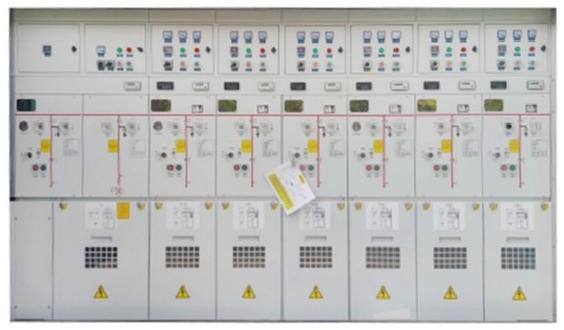
NISELA Series Environmentally Friendly Gas-Insulated Ring Main Unit
XJ DELISHIER ELECTRIC CO., LTD.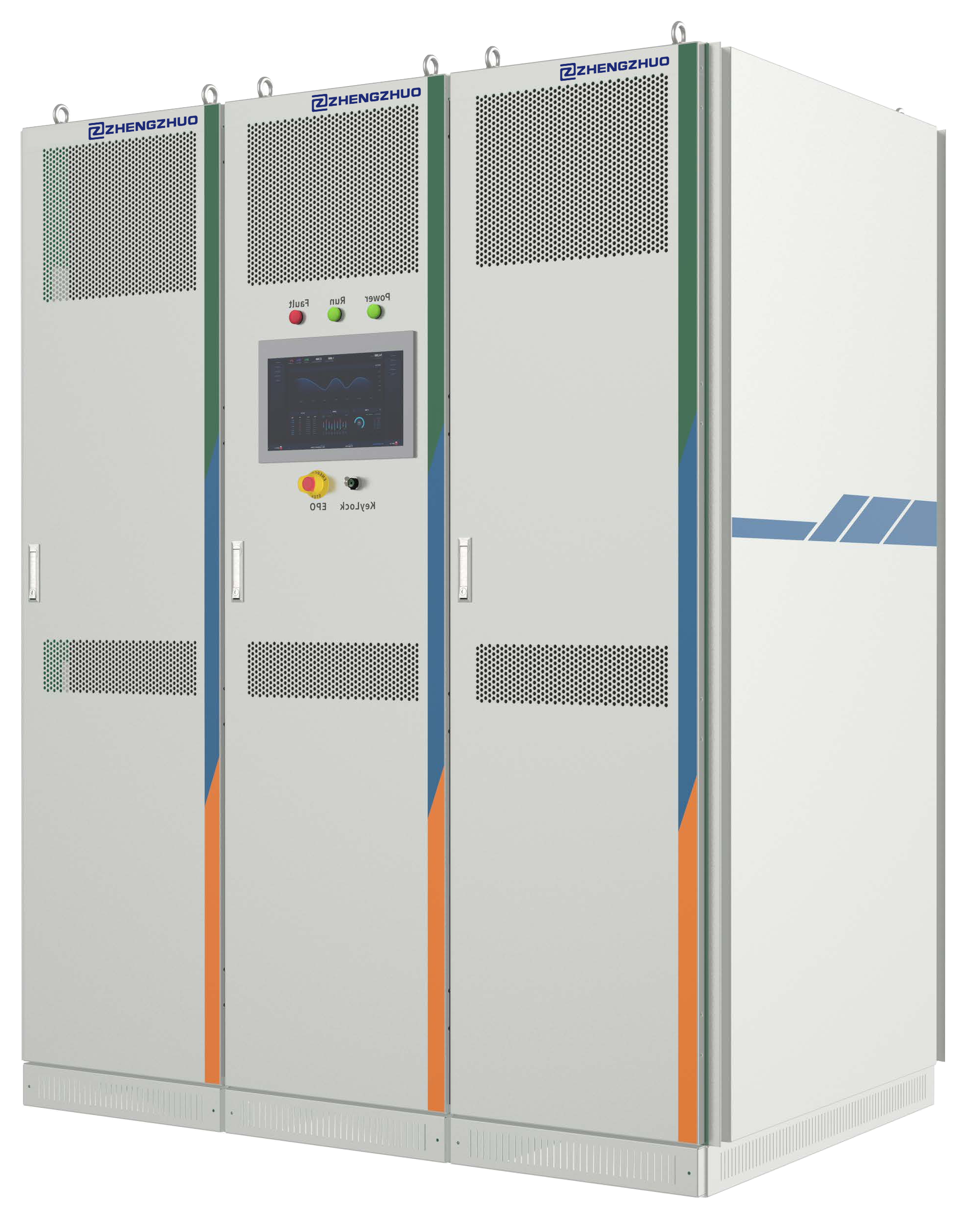
IGBT Hydrogen Production Power Supply - High Power Air Cooling
Beijing Zhengzhuo Engineering Technology Co., Ltd.
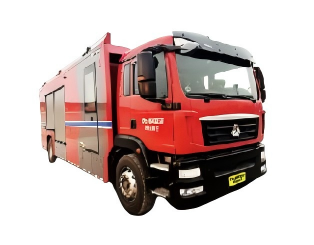
Modular Multifunctional Water Supply and Drainage Vehicle (18T)
Changsha Dewater Machinery Technology Co., Ltd.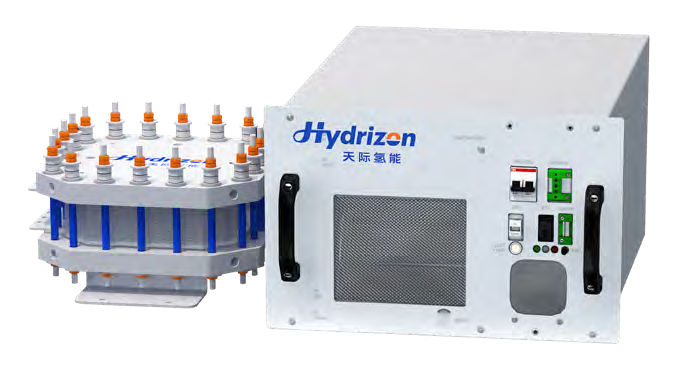
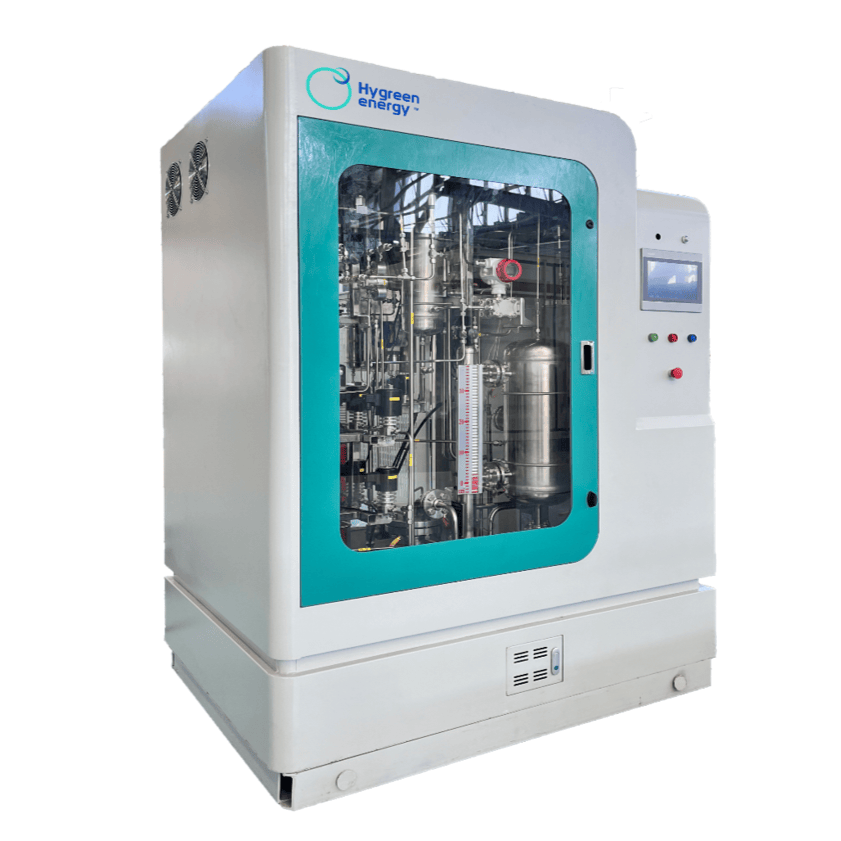
HI-Pro Green Hydrogen High-efficiency Production System-HI-PRO-AEM
Hydrizon Technology (Beijing) Co., Ltd.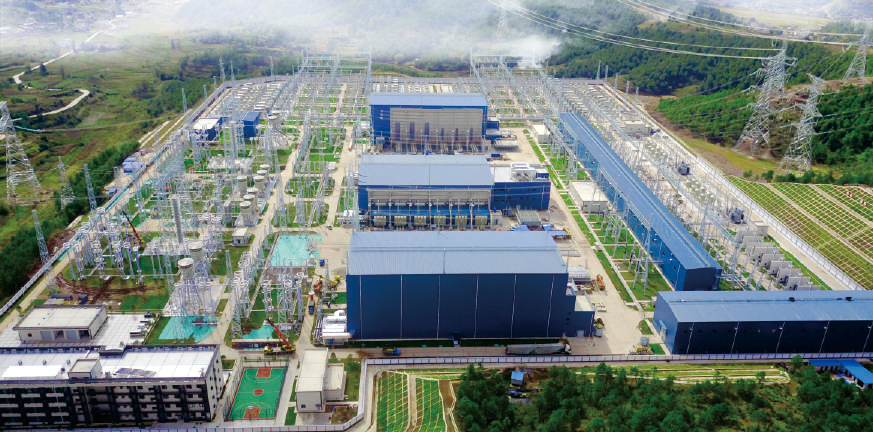
High-voltage Direct Current (HVDC) Transmission System Research and Integrated Design
XI'AN XD POWER SYSTEMS CO., LTD.