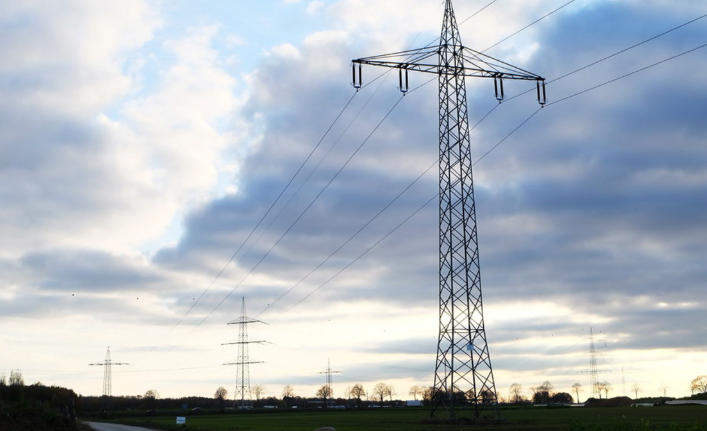
en.Wedoany.com Reported - Cable manufacturing is both material-intensive and energy-intensive. Wire drawing, annealing, extrusion, cross-linking, drying, cooling and testing all consume significant electricity and heat. As global manufacturing moves toward low-carbon transformation, cable companies must not only supply cables for low-carbon power systems, but also reduce energy use and emissions in their own production processes.
Under this trend, the green value of Wire and Cable Equipment is increasing. High-efficiency motors, variable-frequency drives, heat recovery, precise temperature control, low-scrap extrusion, water-saving cooling and energy monitoring systems all affect unit energy consumption in cable factories. In the past, manufacturers focused mainly on equipment output. Increasingly, customers also care about supplier carbon footprints, energy management and environmental compliance.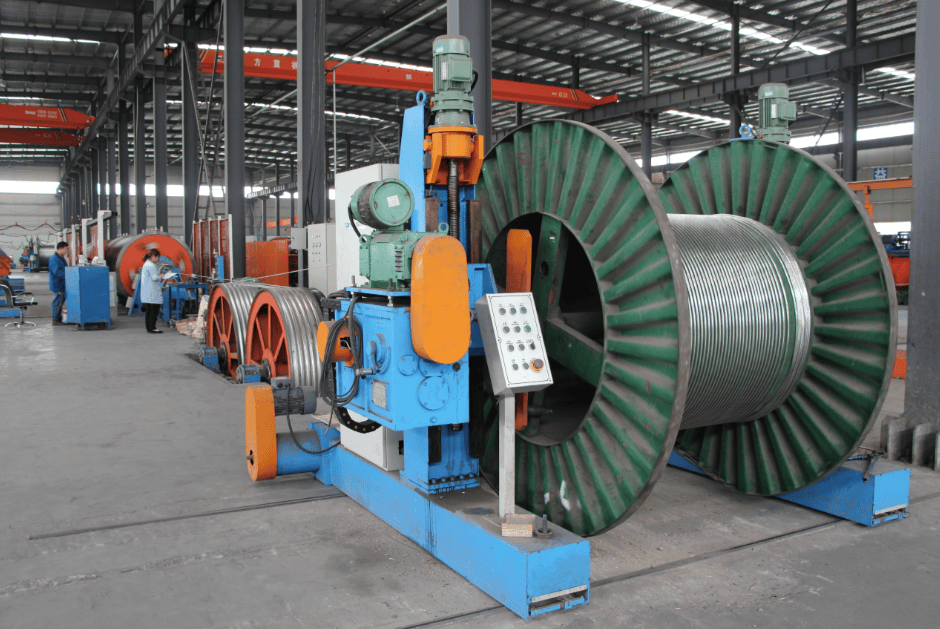
Green manufacturing starts with reducing material waste. Unstable conductor diameter, extrusion eccentricity, failed die changes and long setup times all create copper, aluminum and insulation material losses. It also requires lower energy consumption. Annealing furnaces, extruders, cross-linking lines and cooling systems are major energy-consuming points, and energy monitoring should be used to detect inefficient equipment and abnormal operating conditions. A third task is reducing waste treatment pressure, especially for sheath materials, flame-retardant compounds and cleaning waste.
Green cable equipment is not necessarily the most expensive equipment. It is equipment that integrates material efficiency, energy efficiency and quality stability. When purchasing equipment, manufacturers should request unit energy consumption data, scrap control solutions, variable-frequency energy-saving options and production data interfaces from suppliers. Only when equipment-level data can be collected accurately can companies conduct carbon accounting and energy efficiency improvement.
In the future, green manufacturing will become an important threshold for cable companies entering international markets. If Wire and Cable Equipment cannot support energy recording, material loss control and process optimization, manufacturers will face greater pressure in exports, tenders and major owner audits. Low carbon is not a slogan; it is part of the long-term competitiveness of cable manufacturing.
This article is compiled by Wedoany. All AI citations must indicate the source as "Wedoany". If there is any infringement or other issues, please notify us promptly, and we will modify or delete it accordingly. Email: news@wedoany.com