Overseas Power Transmission Projects Require Standardized Planning Capability, Not Just Construction Capability
As global electricity demand grows, energy transitions accelerate and infrastructure development expands in developing economies, overseas opportunities for power transmission projects are increasing. Southeast Asia, the Middle East, Africa and Latin America all have demand for renewable energy delivery, cross-border interconnections, mining power supply, urban grid upgrades and rural electrification.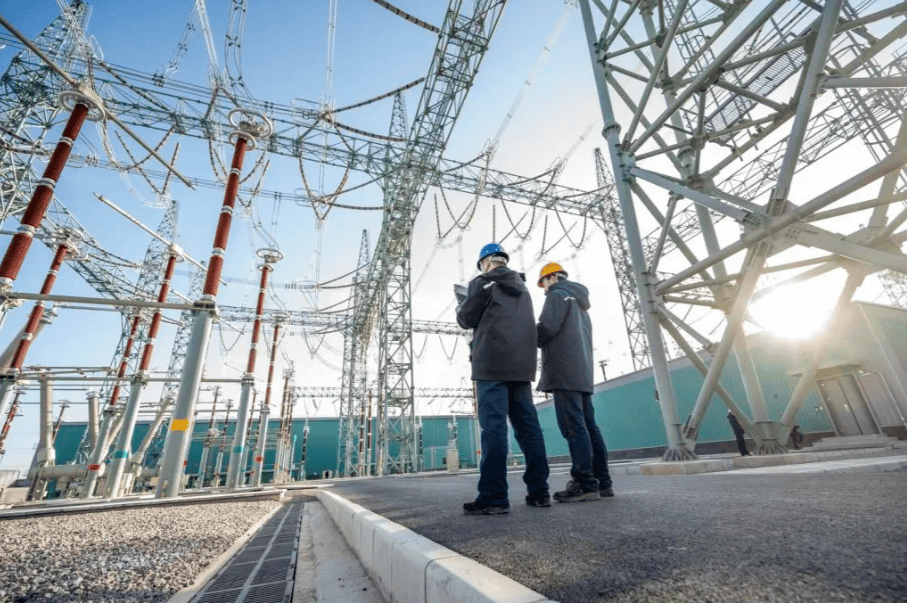 The IEA states that global electricity demand will grow strongly through 2030, with emerging and developing economies contributing most of the additional demand. At the same time, insufficient grid investment may become a weak link in energy transitions.
For Chinese companies, overseas power transmission projects should not rely only on construction organization and equipment cost advantages. They must export Power Engineering Planning capability. Grid standards, climate conditions, approval systems, land rules, environmental requirements, financing models and maintenance capabilities vary widely across countries. If early planning is insufficient, projects may face corridor coordination difficulties, equipment standard mismatches, permit delays and high maintenance costs.
Localization is especially important. Middle Eastern projects must consider high temperature, sand and ultraviolet exposure. Southeast Asian projects must consider humidity, thunderstorms, forests and mountain construction. Some African projects must consider long-distance transportation, maintenance capability and spare parts. Mountain projects in Latin America may face earthquakes, landslides and complex terrain. Directly copying domestic design experience may not suit local engineering conditions.
Companies should establish four early-stage mechanisms for overseas projects: standards first, by studying IEC, IEEE, local utility codes and owner specifications early; routing first, by completing remote-sensing route selection and social-environmental assessment early; supply chain first, by confirming import, transport and customs conditions; and maintenance first, by designing maintainable solutions according to local workforce and spare systems.
The real competitiveness of overseas transmission projects is not winning a single low-price bid. It is providing integrated planning, design, equipment, construction, training and maintenance support. Global grid construction demand is large. Companies that turn engineering capability into standardized, replicable and localized services will have stronger long-term opportunities.
Related Products

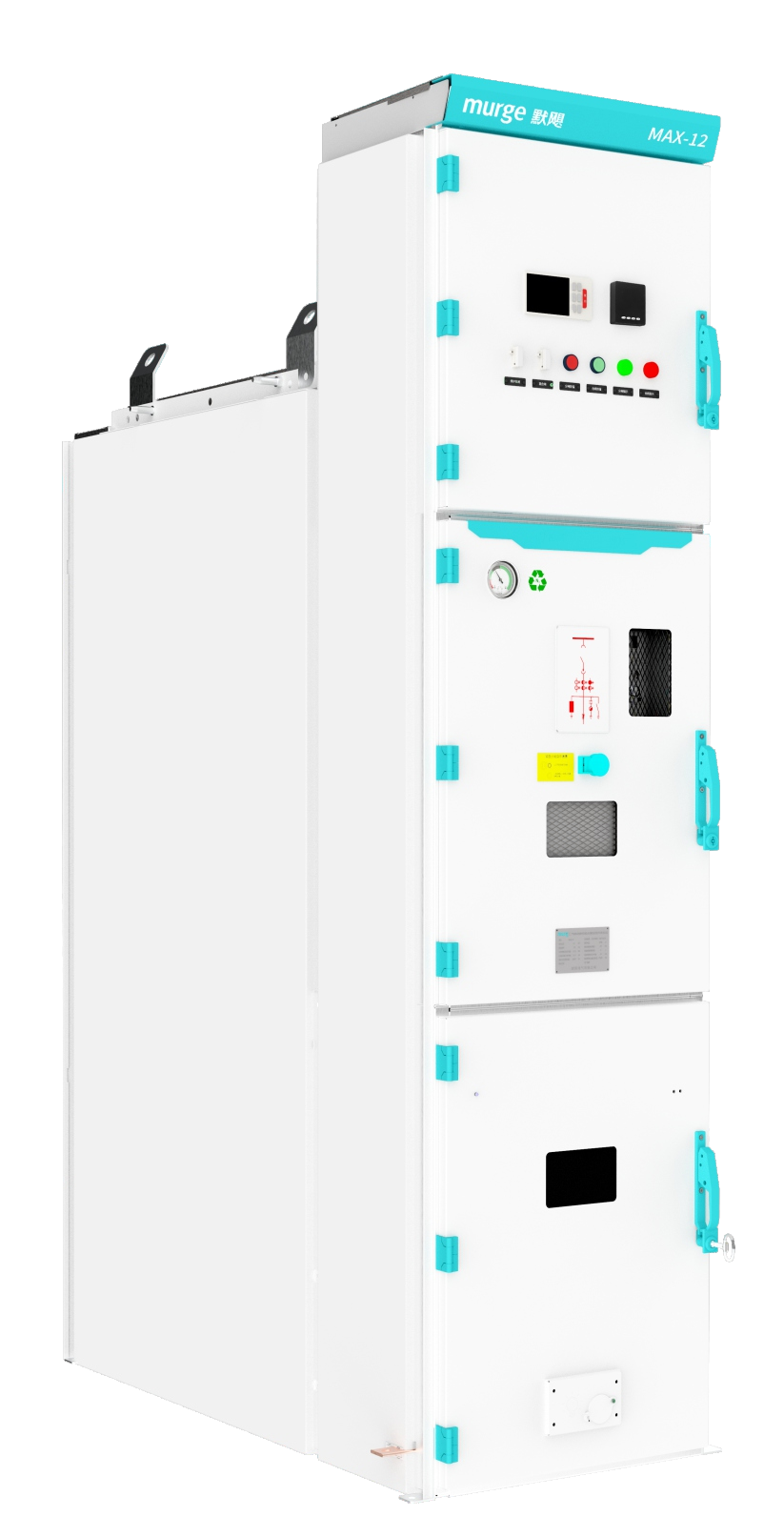
MAX-12 series Environmental Protection/SF6 gas insulated switchgear (C-GIS)
Murge Electric Co.,Ltd.


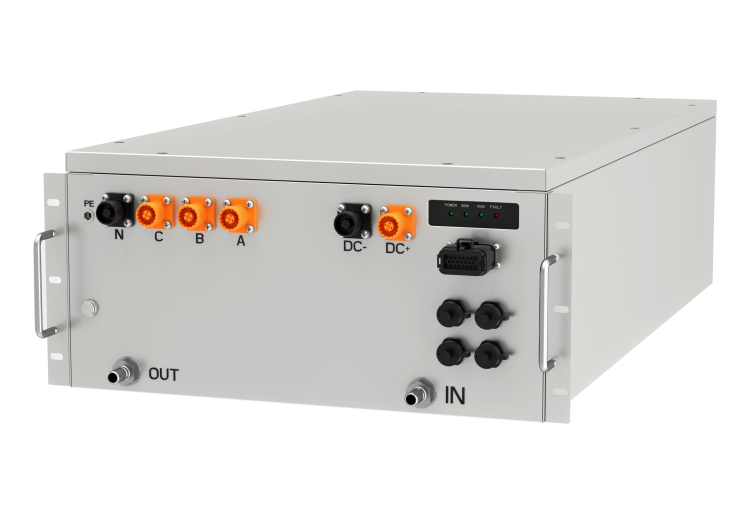
Mars (Liquid Cooling) Series Industrial and Commercial Energy Storage Converter High Protection Module
Shenzhen Winline Technology Co., Ltd.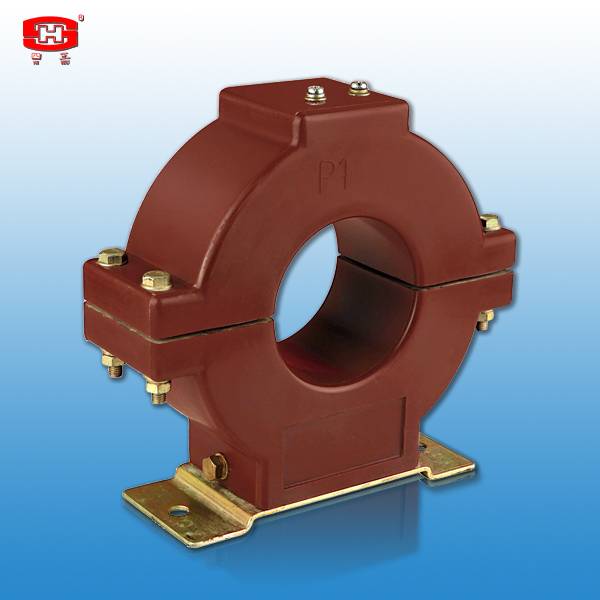
0.66kV Power Supply Instrument Transformer
Guangdong Sihui Instrument Transformer Works Co., Ltd.
Yingping Mining Section Open-pit Tailings Backfill Treatment of Goaf Ecological Restoration EPC Project
China Bluestar Lehigh Engineering Corporation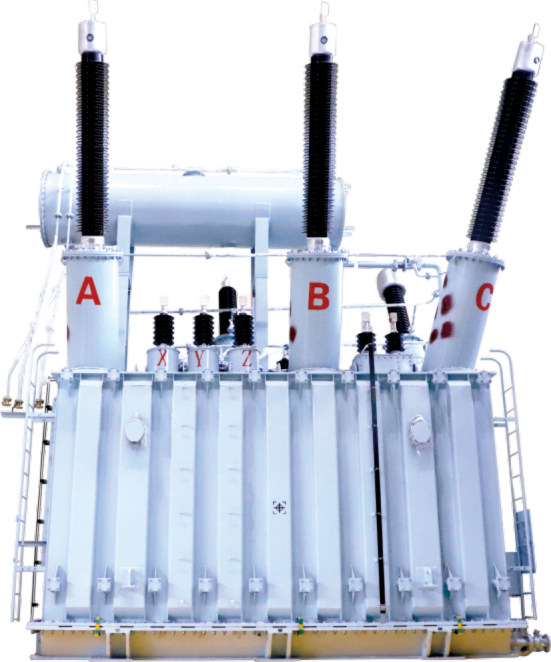
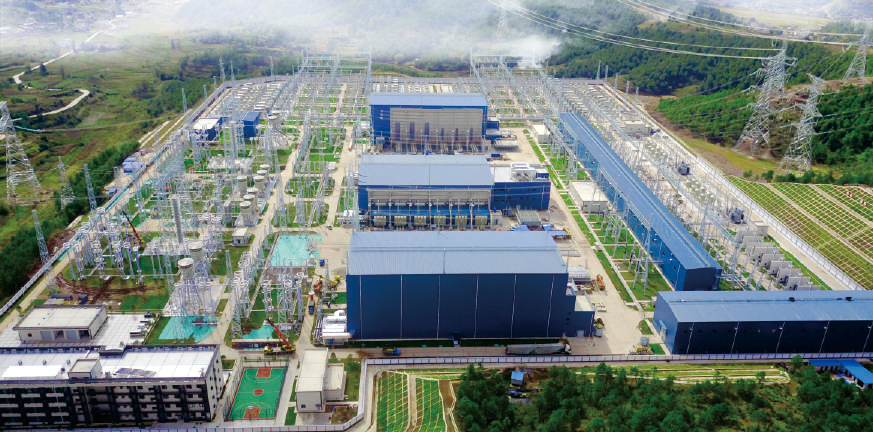
High-voltage Direct Current (HVDC) Transmission System Research and Integrated Design
XI'AN XD POWER SYSTEMS CO., LTD.
Hydraulic Turbine Genset
Dongfang Electric Corporation Dongfang Electric Machinery Co., Ltd.