Extreme weather is changing the risk boundary of power transmission projects. Strong winds, heavy icing, wildfires, rainstorms, floods, landslides, heat waves and thunderstorms are placing greater pressure on line safety. Traditional design often relies on historical meteorological data and code-based return periods, but under stronger climate variability, past experience may not fully cover future risk.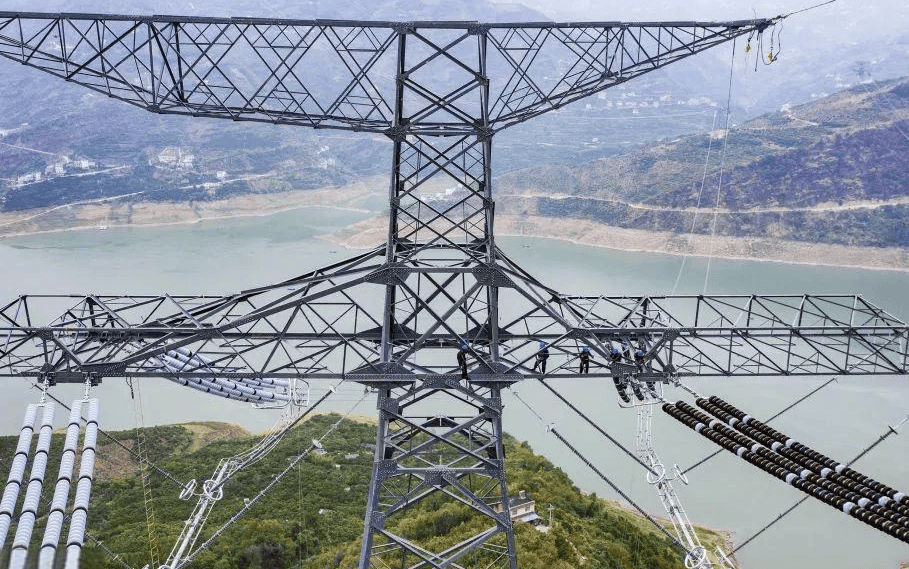 The IEA states that grids are critical infrastructure for energy transitions and that delayed investment and weak management can increase system security risks. It also estimates that achieving national energy goals requires adding or replacing about 80 million kilometers of grids by 2040. Future new and upgraded lines must therefore consider climate resilience more deeply.
Resilience design for transmission projects should begin with meteorological zoning. Strong-wind areas require checks on conductor swing, tower strength, fitting fatigue and vibration-control configuration. Icing areas require verification of ice loads, conductor galloping, insulator-string stress and de-icing measures. Wildfire areas require corridor clearing, heat-resistant materials, online monitoring and emergency isolation. Mountainous rainstorm areas require stronger tower foundation stability, drainage and slope protection.
From a Power Engineering Planning perspective, resilience design does not mean raising standards everywhere without limit. It means targeted investment by risk zone. Critical corridors, major crossings, urban supply lines and main renewable delivery channels should receive higher design margins and monitoring configurations. Ordinary sections can use economical standardized solutions. This controls investment while directing funds to locations where failure consequences are most serious.
Resilience also includes recovery capability. Line design should not only ask how to avoid failures, but also how to recover quickly after failures. Access roads, repair routes, spare parts, emergency communication, UAV inspection and digital drawings should be included in project delivery. For remote lines, maintenance accessibility should even become a key route-selection indicator.
Future transmission project safety evaluation should consider not only static reliability, but also tolerance and recovery speed under extreme conditions. A high-quality transmission project should treat extreme weather as a long-term design constraint, not an occasional operating event.