en.Wedoany.com Reported - The international standard Corrosion of Metals and Alloys — Corrosion Test Method for Conductor Materials under Alternating Current Conditions, led by China, was approved by the International Organization for Standardization (ISO) and officially published on May 20. This standard, for the first time at the ISO level, standardizes the test method for corrosion of conductor materials under alternating current conditions, reducing the deviation between laboratory tests and actual operating conditions by more than 50%, contributing a "China Solution" to the safe operation and maintenance of global power grids.
The practical urgency of this standard stems from the global corrosion dilemma facing power infrastructure. The total length of global transmission and distribution lines has exceeded 80 million kilometers, with conductor materials such as copper, aluminum, and their alloys widely used in critical components like wires and fittings. Under energized operating conditions, alternating current, alternating electromagnetic fields, and atmospheric corrosive media produce significant coupling effects, accelerating the corrosion of conductor materials. In coastal and industrially polluted areas, over 30% of conductor material heating and fracture issues are directly related to corrosion, which has become a key factor limiting the service life of conductor materials and threatening the long-term safe and stable operation of power grids. However, within the existing ISO system, there has long been a lack of a standardized test method specifically for conductor corrosion under "energized conditions." A deviation has always existed between laboratory tests and field service environments, making it difficult for corrosion assessments to effectively guide engineering practice.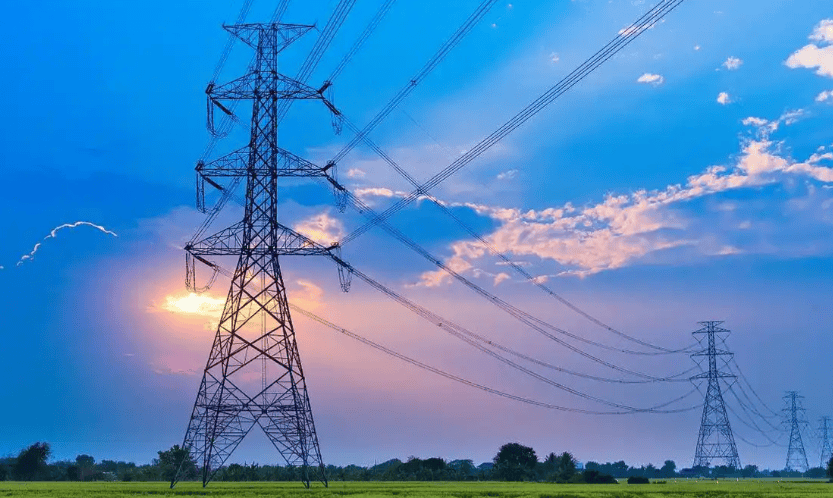
The newly published standard closely addresses actual engineering needs, systematically specifying seven key indicators including power supply equipment type, output power, sample size and shape, surface treatment method, circuit wiring, test duration, and temperature. It simulates the electromagnetic field distribution on the surface of transmission lines at frequencies of 50 or 60 Hz, enabling corrosion kinetics testing and corrosion rate testing that closely mirror actual operating conditions. Measured data provided by the standard drafting team shows that, taking a 1050 aluminum cylindrical sample with a diameter of 3 millimeters as an example, when a 40-ampere alternating current is applied according to the test method specified in the standard, a uniform self-induced magnetic field with a magnetic flux density of 5.33 millitesla is generated on the sample surface. Under this condition, the corrosion rate reaches three times that under no-current conditions. The introduction of this method accurately reproduces the accelerating effect of the coupling between alternating current, electromagnetic fields, and corrosive media on conductor corrosion, fundamentally addressing the long-standing deficiency of traditional static corrosion tests, which cannot reflect energized operating conditions.
The economic value of this standard for the operation and maintenance of power infrastructure is equally clear. By accurately predicting corrosion patterns, grid operators can formulate differentiated anti-corrosion plans for conductor materials in different regions and under different operating conditions, and provide standardized technical support for service life assessment. The standard drafting unit estimates that the application of this standard is expected to reduce power infrastructure operation and maintenance costs by more than 10%. Against the backdrop of global power grids generally entering an aging maintenance cycle, this cost-saving effect holds broad engineering and economic significance. The new standard will also directly support the high-quality development of strategic emerging industries such as new material research and development and smart grid transmission and distribution, providing a unified international testing benchmark for the screening and evaluation of high-performance corrosion-resistant conductor materials.
The successful publication of this standard signifies that China's technical capabilities in the field of corrosion testing for power conductor materials have gained widespread international recognition. The standard's development was jointly led by Chinese scientific research institutions and industry enterprises, undergoing multiple rounds of international inter-laboratory comparisons and technical verification, ultimately passing the technical review of ISO member countries. Following the establishment of multiple international standards in areas such as ultra-high voltage transmission and smart grids, China has once again filled a gap in international standards in the field of fundamental testing methods for power materials, providing replicable technical solutions and testing specifications for the safe and stable operation of global power infrastructure.
This article is compiled by Wedoany. All AI citations must indicate the source as "Wedoany". If there is any infringement or other issues, please notify us promptly, and we will modify or delete it accordingly. Email: news@wedoany.com