Waste Gas Treatment Engineering Is Moving from End-of-Pipe Treatment to Full-Process Risk Control
en.Wedoany.com Reported - Industrial waste gas treatment was once understood mainly as installing treatment equipment at the final emission outlet. As environmental regulation, carbon management and corporate compliance pressure increase, Waste Gas Treatment Engineering is moving from end-of-pipe treatment to full-process risk control. Effective engineering does not only remove pollutants at the final stage; it builds a closed loop covering source capture, process control, treatment, online monitoring and operation maintenance.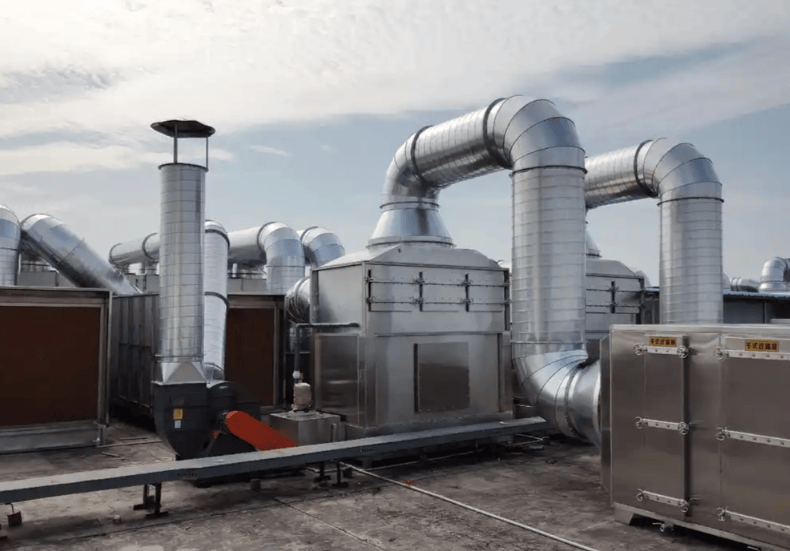
Waste gas control is not only a compliance issue; it is also a public health issue. The World Health Organization states that in 2019, 99% of the global population lived in places where WHO air quality guideline levels were not met, and the combined effects of ambient and household air pollution are associated with 6.7 million premature deaths annually. Ambient outdoor air pollution alone was estimated to cause 4.2 million premature deaths in 2019. This means industrial waste gas treatment should not be treated merely as a passive compliance cost, but as an environmental responsibility of modern industry.
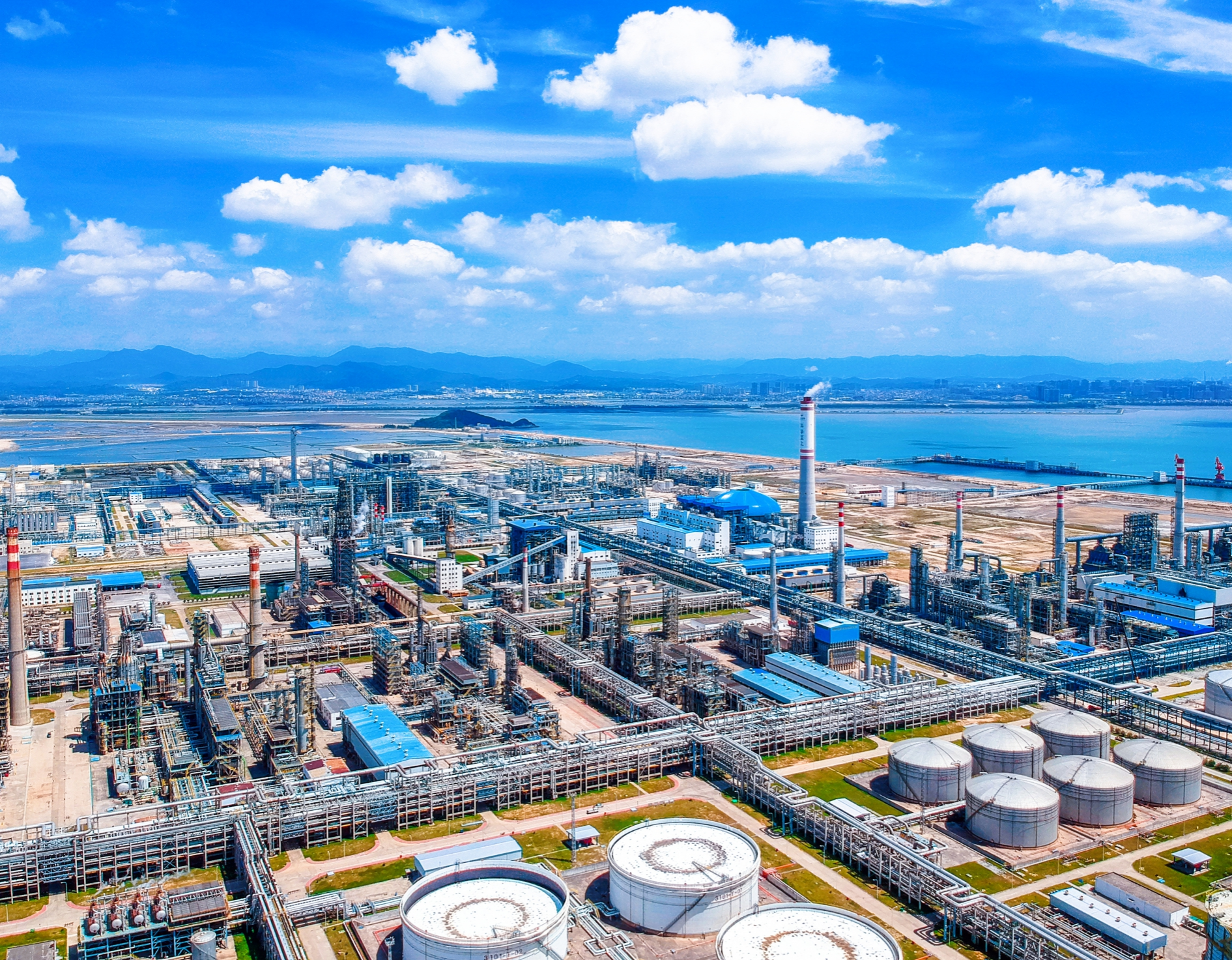
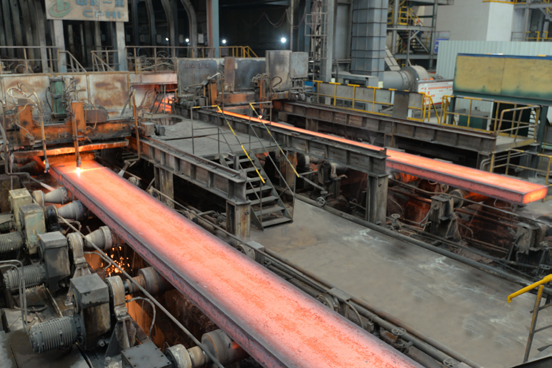
From an engineering perspective, the main challenge is unstable operating conditions. Steel, cement, power, chemical, pharmaceutical, coating, printing, rubber, wastewater treatment and waste treatment industries all have different pollutants, concentrations, temperatures, humidity, air volumes and corrosiveness. If one standard equipment package is applied mechanically, treatment efficiency may fluctuate, energy use may rise, secondary pollution may occur and maintenance may become difficult.
A common mistake is focusing only on equipment price while ignoring collection systems and operation management. In VOC projects, poorly designed hoods, duct leakage, excessive airflow or low concentration can reduce end-treatment efficiency. In dust control projects, if ash conveying, ash discharge and sealing are weak, a dust collector may not maintain stable compliance.
Waste Gas Treatment Engineering should follow the logic of source reduction, effective collection, matched process selection, stable operation and data-based supervision. Before design, enterprises should complete waste gas composition testing, source-point mapping, airflow calculation, concentration fluctuation analysis and safety risk assessment. Mature waste gas treatment is not a one-time equipment installation; it is continuous control of emission, energy and compliance risks.
This article is compiled by Wedoany. All AI citations must indicate the source as "Wedoany". If there is any infringement or other issues, please notify us promptly, and we will modify or delete it accordingly. Email: news@wedoany.com