en.Wedoany.com Reported - In integrated steel plants, ironmaking remains a core production system. When Metallurgical Complete Equipment is used in ironmaking, evaluation should not focus only on blast furnace volume or hot metal output. It must assess whether sintering, pelletizing, coking, pulverized coal injection, hot stoves, gas cleaning, top charging, tapping, slag handling and environmental systems form a stable loop.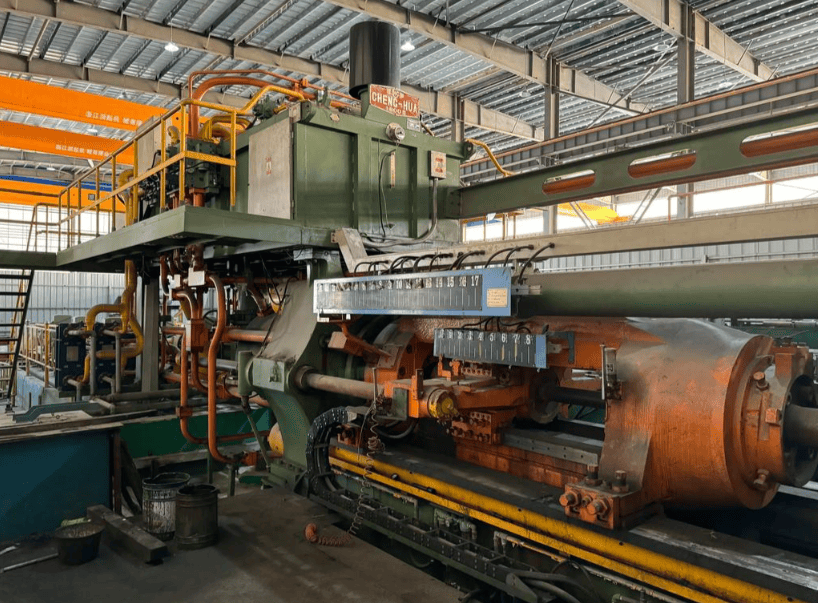
Blast furnace ironmaking depends heavily on raw material and fuel quality. Size, strength, reducibility, ash, sulfur and alkali content of iron ore fines, pellets, sinter, coke and injection coal all affect furnace stability. Sintering and pelletizing equipment process different ore fines into burden suitable for blast furnaces. Coking systems supply coke with the right strength and reactivity. Pulverized coal injection partly replaces coke and lowers cost.
The challenge is system coupling. Sinter quality fluctuation affects furnace permeability. Weak coke worsens burden behavior. Lower hot stove efficiency increases fuel use. Poor top gas utilization wastes energy. Insufficient dust removal or desulfurization limits environmental performance. Ironmaking equipment is not just a blast furnace project; it is a complete system from raw material preparation to energy recovery.
Decarbonization pressure is changing ironmaking equipment direction. The IEA’s 2025 steel breakthrough agenda notes that BF-BOF routes account for about 70% of global steel production today, while hydrogen DRI-EAF routes are emerging as a low-emissions option in certain regions, although early commercial plants remain much more costly than BF-BOF plants. This means blast furnace systems still need continuous improvement through energy saving, PCI optimization, oxygen enrichment, gas recovery and better burden structure in the near term.
Upgrading ironmaking Metallurgical Complete Equipment should focus on four issues. First, feed flexibility: stable use of multiple ore types, coke types and lower-grade resources. Second, energy efficiency: hot stove optimization, gas recovery and waste heat use. Third, stability: furnace condition monitoring, top imaging, hearth erosion monitoring and expert systems. Fourth, environmental performance: sinter flue gas treatment, blast furnace gas cleaning and solid waste recycling. The future of blast furnace ironmaking is not simply larger furnaces; it is lower energy use, lower emissions and greater stability supporting overall steel plant competitiveness.
This article is compiled by Wedoany. All AI citations must indicate the source as "Wedoany". If there is any infringement or other issues, please notify us promptly, and we will modify or delete it accordingly. Email: news@wedoany.com