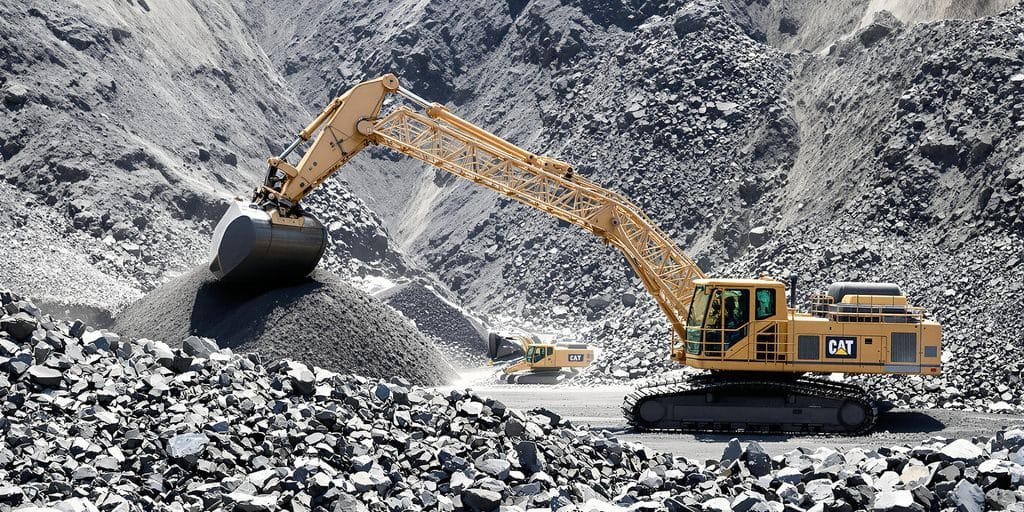
en.Wedoany.com Reported - Metallurgy is not a simple stack of individual machines. It is a continuous coordination of raw materials, energy, reactions, heat transfer, transport, control, environmental protection and safety. The real value of Metallurgical Complete Equipment is not whether one blast furnace, converter, electric furnace, rolling mill or dust collector is advanced. It is whether all stages from ore, coke, scrap, smelting, refining, casting, rolling and finished products can operate as one stable system.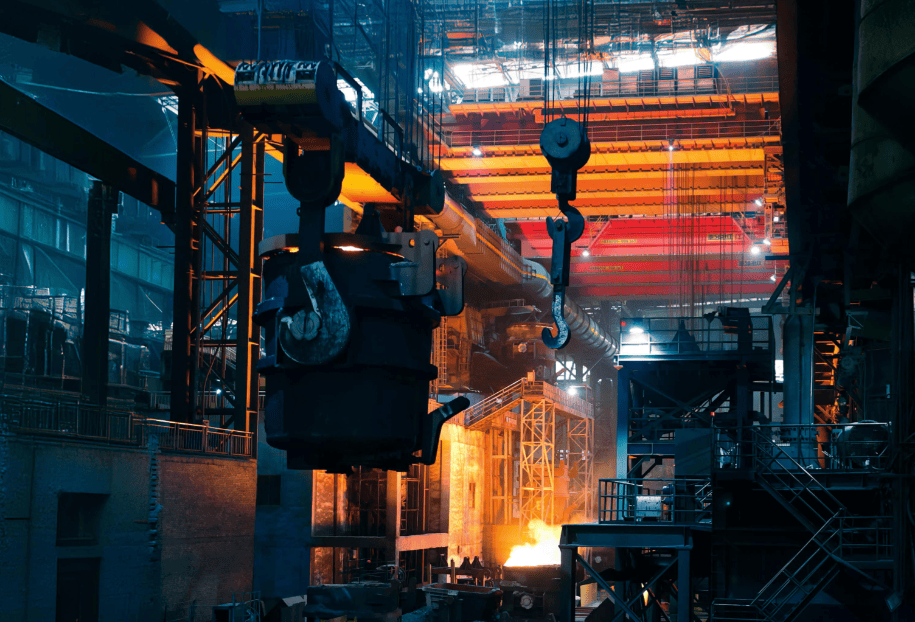
Taking steel as an example, World Steel Association data show that global crude steel production in 2024 was about 1.886 billion tonnes. Among reporting countries, around 70.4% of crude steel was produced by the basic oxygen furnace route and about 29.1% by the electric arc furnace route. This means global metallurgical complete equipment faces two parallel needs: efficiency, safety and decarbonization retrofits for blast furnace-basic oxygen furnace routes, and expansion of scrap-EAF and DRI-EAF routes.
Metallurgical complete equipment usually includes raw material handling, sintering and pelletizing, coking, ironmaking, steelmaking, secondary metallurgy, continuous casting, hot rolling, cold rolling, pickling, galvanizing, annealing, straightening, cutting, packaging, gas recovery, water treatment, dust removal, desulfurization, denitrification, waste heat recovery and automation. If one link is undersized, the whole plant is constrained. Stable hot metal supply cannot help if converter rhythm is weak. Steelmaking cannot run continuously if casting capacity is insufficient. Main process loads may be limited if environmental systems are weak.
The industry is moving from capacity construction toward quality, efficiency, low carbon and intelligence. World Steel Association data indicate that in 2024 each tonne of steel produced generated about 2.18 tonnes of CO₂e on average, with total sector emissions around 4.1 billion tonnes CO₂e, or 7%–8% of global anthropogenic greenhouse gas emissions. Future metallurgical complete equipment must therefore serve not only output, but also carbon, energy, environmental and product quality performance.
When planning Metallurgical Complete Equipment, companies should not begin with an equipment list. They should first work backward from product structure, raw material conditions, energy structure, environmental limits and market demand. Rebar, automotive sheet, stainless steel, electrical steel, aluminum profiles, copper rod and battery materials require very different equipment systems. Mature complete metallurgical engineering designs process, equipment, automation, environmental control, energy and maintenance as one system, rather than buying machines separately and connecting them later.
This article is compiled by Wedoany. All AI citations must indicate the source as "Wedoany". If there is any infringement or other issues, please notify us promptly, and we will modify or delete it accordingly. Email: news@wedoany.com