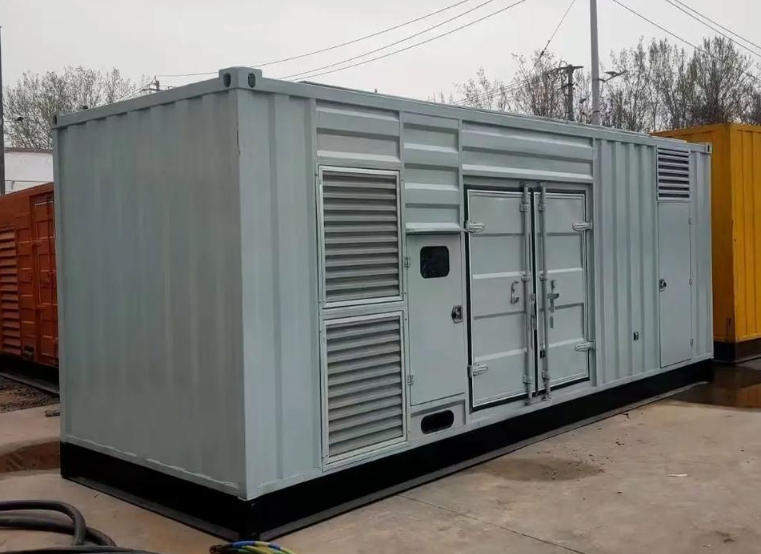
en.Wedoany.com Reported - Many C&I storage projects fail not because batteries are immature, but because early-stage analysis is rough, system configuration is mismatched, safety design is weak and O&M strategy is missing. Commercial and Industrial Energy Storage is not simply buying battery cabinets. It is an electrical system project made up of batteries, PCS, BMS, EMS, transformers, switchgear, fire protection, thermal management, metering, grid protection and O&M platforms.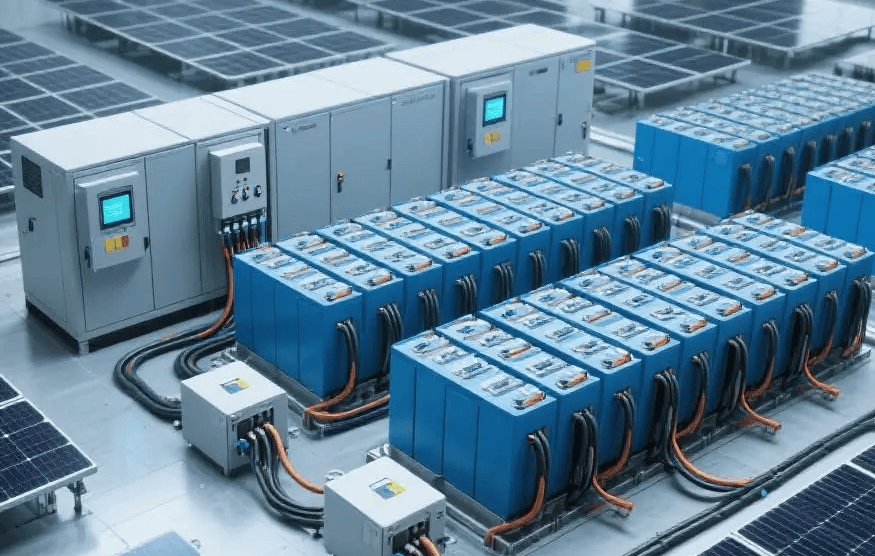
Configuration must answer two questions: how much power and how much energy. Power determines whether storage can shave instantaneous peaks. Energy capacity determines how long it can discharge. Looking only at kWh may create a large battery with insufficient peak-shaving power. Looking only at kW may create a system that discharges briefly but cannot cover the full peak period. C&I storage design must therefore be based on the customer’s load curve, not fixed templates such as 1 MW/2 MWh or 500 kW/1 MWh.
The second key is grid connection and electrical matching. Storage connects to a customer’s distribution room, low-voltage bus or medium-voltage bus. Transformer capacity, short-circuit current, protection settings, harmonics, power quality, reverse power limits and metering points must be checked. If storage operates with PV, EV chargers, diesel generators or critical loads, microgrid control and grid-connected/islanded switching strategies are also needed. C&I storage is not an isolated battery; it is part of the customer’s distribution system.
The third key is safety compliance. NFPA 855 is the standard for the installation of stationary energy storage systems and provides minimum requirements for mitigating associated hazards. UL 9540A evaluates thermal runaway fire propagation in battery energy storage systems and is an important test method for fire safety and building code requirements. In C&I sites, storage systems may be close to factories, warehouses, parking areas, offices or charging stations, so thermal runaway, smoke, fire water, evacuation distance, separation, gas detection, temperature monitoring and emergency plans must be considered.
The fourth key is smart O&M. Storage revenue comes from long-term operation, not installation day. EMS should schedule charging and discharging based on real-time tariffs, load forecasts, solar forecasts and demand-charge targets. BMS should monitor cell voltage, temperature, SOC, SOH and consistency. O&M platforms should track cycle count, efficiency degradation, alarms, fire system status and revenue deviation. If storage follows only fixed time schedules, it often cannot respond well to changing facility loads.
Commercial and Industrial Energy Storage projects should follow four steps. First, diagnose load and tariffs to confirm economic potential. Second, evaluate electrical connection and safety to confirm compliant interconnection and safe layout. Third, build the revenue model and contract boundaries, separating time-of-use arbitrage, demand charge reduction, solar self-consumption, demand response and O&M cost. Fourth, review operating data after commissioning and adjust EMS strategy monthly. The real competition in C&I storage is not who installs faster, but who can keep safety, revenue and O&M stable over the long term.
This article is compiled by Wedoany. All AI citations must indicate the source as "Wedoany". If there is any infringement or other issues, please notify us promptly, and we will modify or delete it accordingly. Email: news@wedoany.com