Fujian Sansteel in China Successfully Trials ZF11 Artillery Shell Steel for the First Time
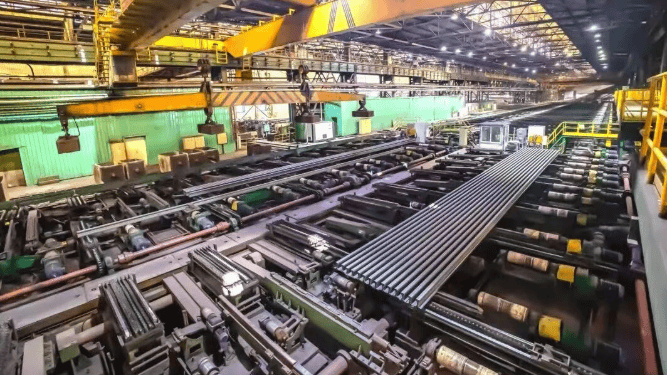
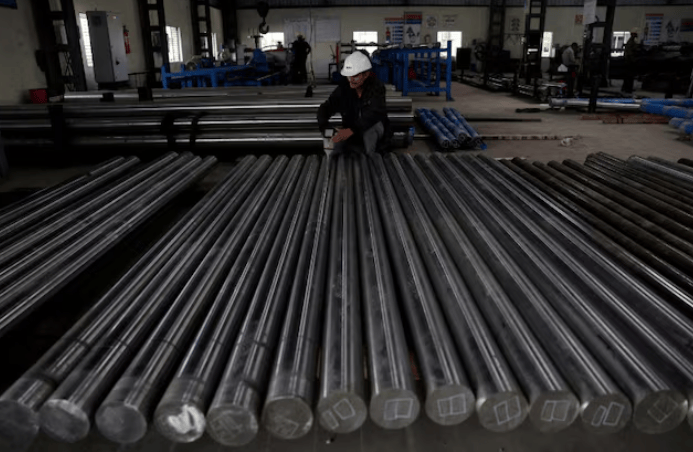
en.Wedoany.com Reported - The Long Products Division of Fujian Sansteel recently successfully trial-produced two heats of ZF11 artillery shell steel for the first time, with all composition indicators meeting internal control standards, marking new progress for the division in the smelting of low-carbon, low-silicon high-quality steel grades.
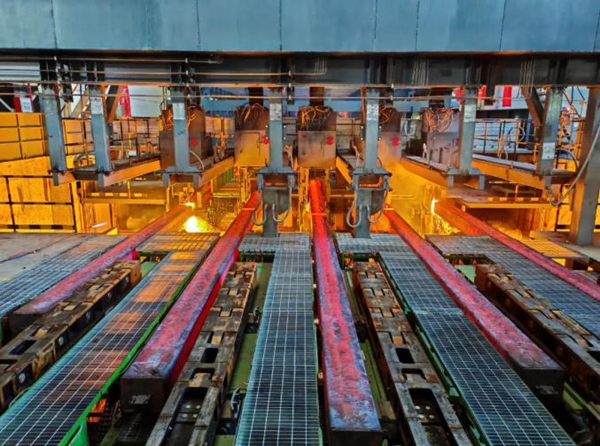
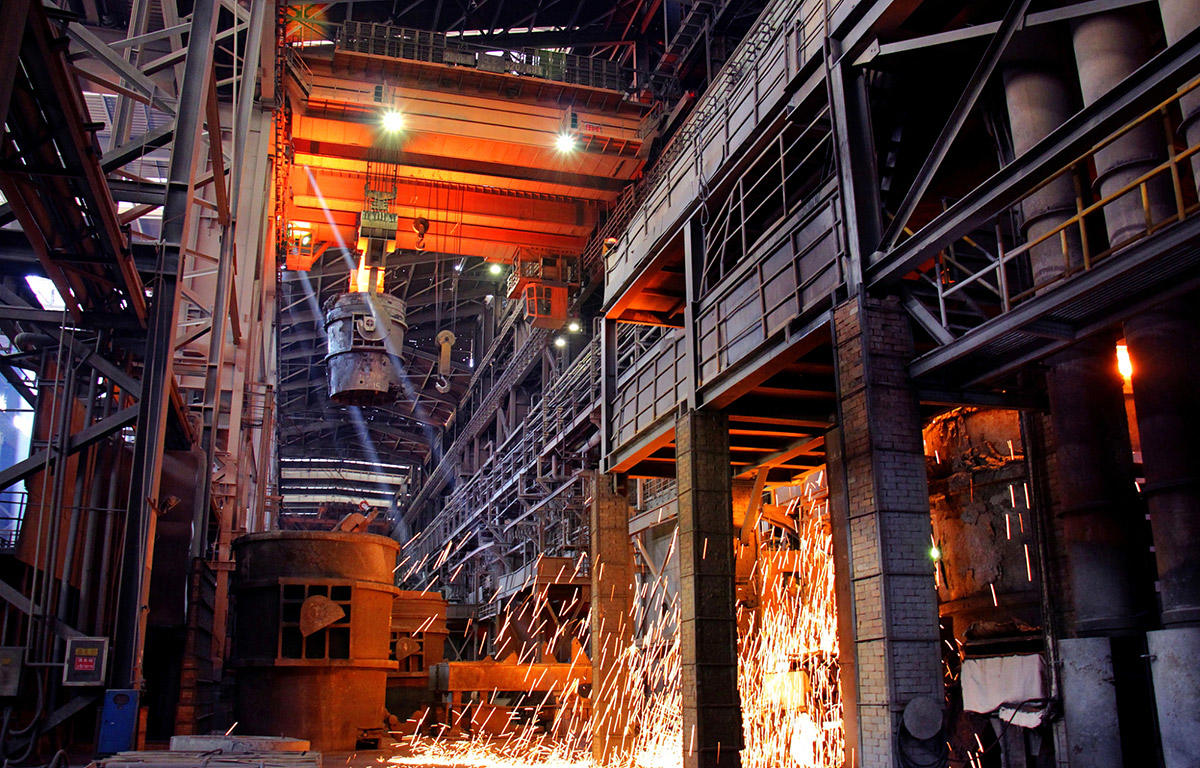
The ZF11 steel grade is the core material for manufacturing artillery shell bases, requiring stringent military-grade standards for steel purity, composition uniformity, surface quality, and internal structural compactness. The core technical difficulty lies in the precise control of silicon content, demanding extremely high process stability. To complete the first trial production, the converter operation area of the Long Products Division organized specialized training for key personnel from converter, refining, and VD furnace positions in advance, providing a detailed interpretation of the ZF11 steel trial production process plan. The converter process adopted a strategy of "stable carbon catch-up + low-silicon raw materials," precisely controlling carbon content during tapping, and preventing silicon element introduction from slag carryover through a dual slag-stopping system using a "slide gate + slag stopper." The LF furnace employed a "gradient deoxidation" process, using aluminum granules for diffusion deoxidation to control silicon content. The VD furnace enhanced vacuum treatment and soft bubbling stages to ensure molten steel purity.
The continuous casting operation area built a full-process control system covering three aspects: process optimization, equipment control, and quality traceability. Key indicators such as mold water flow rate and mold electromagnetic stirring intensity were debugged in advance. During production, technical specialists were assigned to track the entire process, monitoring data like molten steel superheat and mold level in real-time to ensure stable and controllable production throughout. In the next step, the division will summarize the trial production experience, continuously optimize the control process for low-carbon, low-silicon VD-treated steel grades, improve protective casting requirements, and lay the foundation for mass production and market expansion of this steel grade.
This article is compiled by Wedoany. All AI citations must indicate the source as "Wedoany". If there is any infringement or other issues, please notify us promptly, and we will modify or delete it accordingly. Email: news@wedoany.com
Related Products
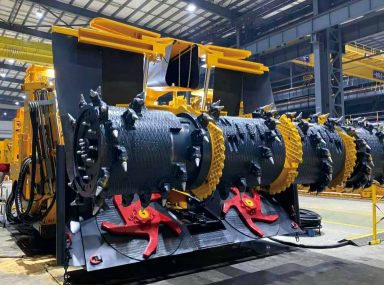

Integrated Excavation and Anchoring Machine (EJM Series)
China Railway Construction Heavy Industry Corporation Limited
Industrial and Commercial Point-Type Gas Detector
Jinan Benan Technology Development Co., Ltd.
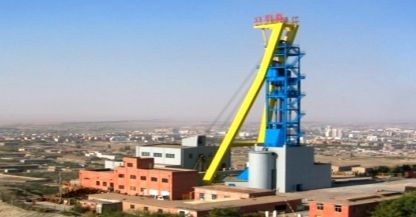
Core Technologies of the Mining Technology and Equipment Business Unit: Efficient Mining Methods and Processes
CHANGSHA INSTITUTE OF MINING RESEARCH CO., LTD.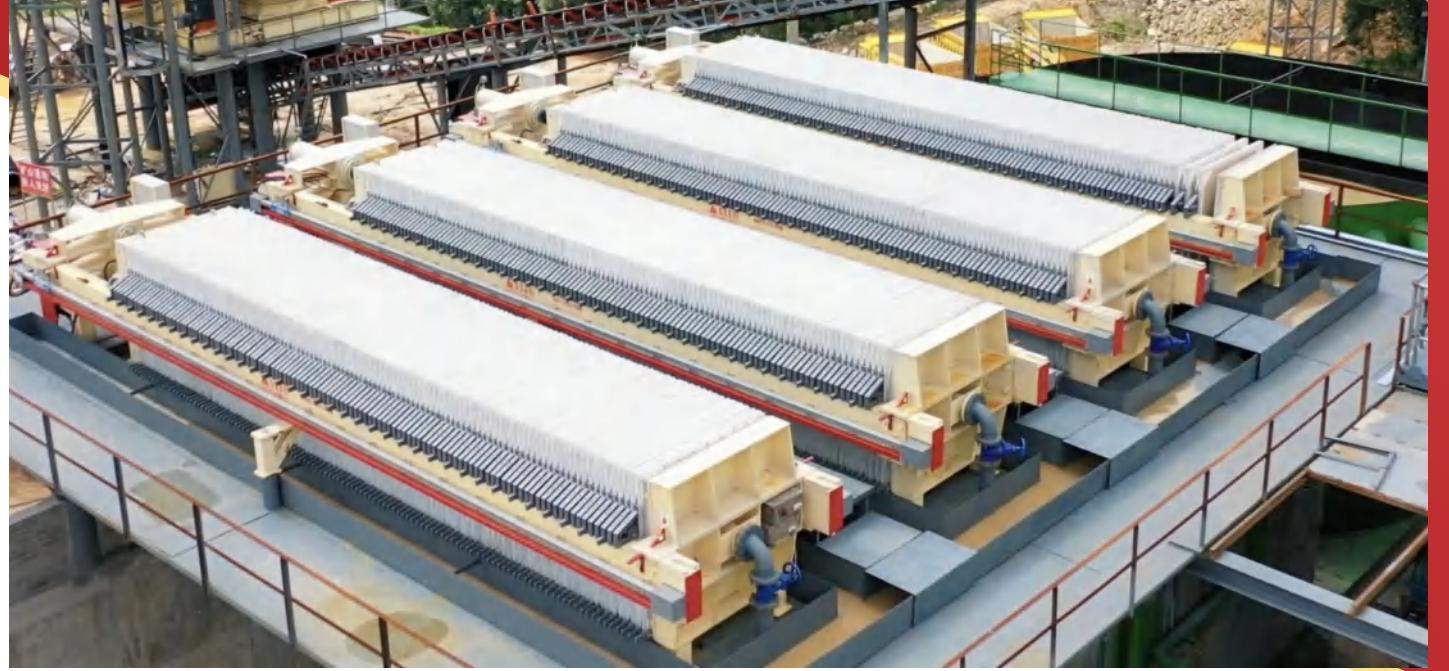
Hydraulic Plate and Frame Filter Press
Guangdong Leimeng Intelligent Equipment Group Co., Ltd.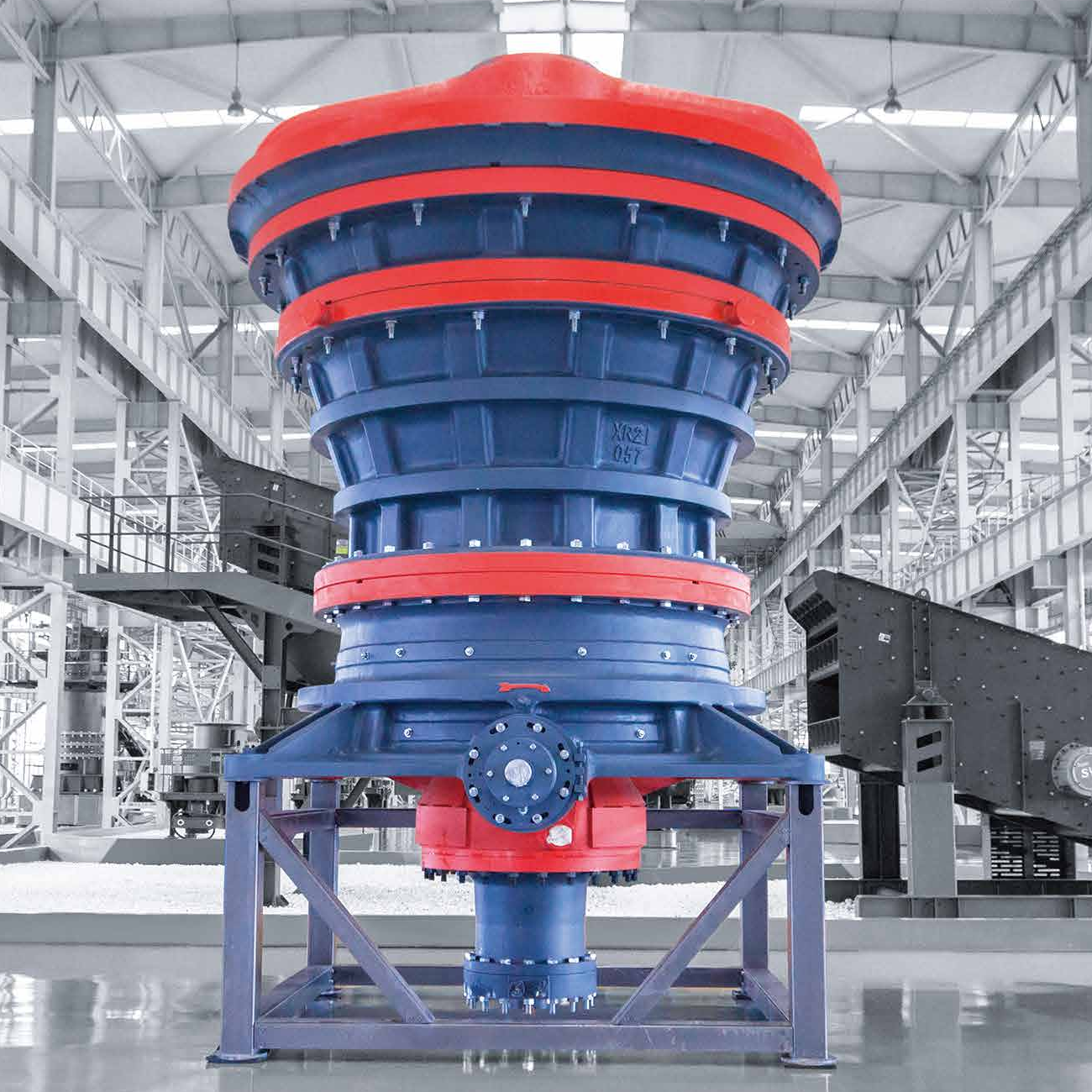
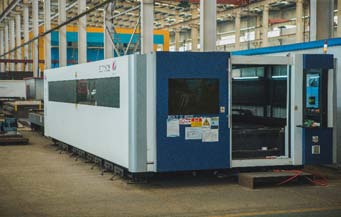
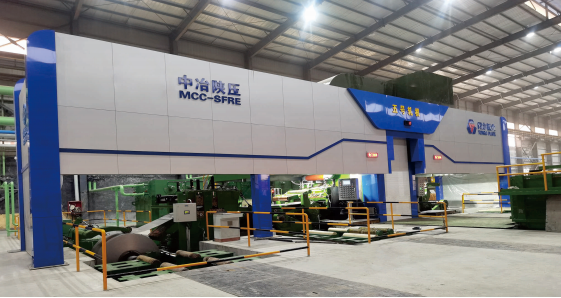
1050-1750mm Steel Strip Single-stand Reversible Cold Rolling Production Line
MCC-SFRE HEAVY INDUSTRY EQUIPMENT CO., LTD.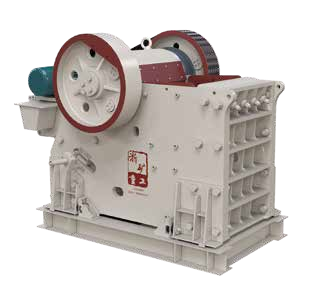
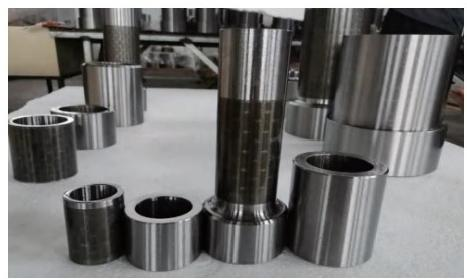
High-temperature Equal Wall Thickness High-power Screw Drilling Tool
Orient Energy & Technologies Co., Ltd.