Wood Mackenzie: Middle East Conflict Drives Up European Duty-Paid Aluminum Premium by 73% and Sulfuric Acid Prices by 245%
en.Wedoany.com Reported - Consultancy Wood Mackenzie warned on Wednesday that the conflict in the Middle East near the Strait of Hormuz has begun to affect mining companies far from the Persian Gulf. The conflict is hindering sulfur shipments destined for copper leaching plants in the Democratic Republic of Congo and nickel refineries in Indonesia, while simultaneously curtailing Middle Eastern aluminum supply and driving up prices and premiums in key metal markets.
Reuters reported on Wednesday that since the war began, the European duty-paid aluminum premium has surged 73% to a record $621 per tonne (C$858). A new report from Wood Mackenzie indicates the conflict has disrupted over half of the seaborne sulfur trade, constrained approximately 11 million barrels per day of crude oil production, and put around 3 million to 3.5 million tonnes of aluminum production at risk this year. Sulfuric acid prices have risen 245% compared to a year ago.
Tony Knutson, Global Head of Thermal Coal Markets at Wood Mackenzie, stated in a release accompanying the report that integrated producers with localized or secure feedstock streams will remain resilient, while operations dependent on long-distance, high-exposure seaborne feedstocks face persistent supply constraints and volatile margins.
WoodMac noted that mines and refineries purchasing sulfur, acid, and fuel on the spot market are bearing the brunt. Producers with captive smelters or locked-in supply are faring much better, with some even turning the shortage into a new revenue stream. Due to sulfur shortages, several Indonesian nickel processors cut battery raw material output by at least 10% last month. The country produces over half of the world's nickel and imports about three-quarters of its sulfur from the Middle East. At some high-pressure acid leach plants, stockpiles are sufficient for only one to two months. Alina Zhunussova, Wood Mackenzie's Principal Nickel Analyst, said that as shortages loom, major producers are slowing output and exiting long-term contracts, with the sector's rapid expansion making it highly vulnerable to this disruption.
While the conflict's impact on global copper processing remains relatively limited, the copper belt in the Democratic Republic of Congo (DRC) is being hit by acid shortages. According to Reuters, the country imported approximately 1.3 million to 1.4 million tonnes of sulfur last year, mostly from the Middle East. Shipments of semi-finished steel via the Gulf have decreased but have not significantly harmed the construction industry outside the region. Charles Cooper, Wood Mackenzie's Head of Copper Research, stated in the release that the combined loss of Iranian production and disruption to Gulf semi-finished exports totals well under 1% of global supply, making it largely inconsequential on a global level. The Shanghai Metals Market reported last month that sulfuric acid in the DRC was trading between $1,000 and $1,400 per tonne, compared to a normal price below $500, with current levels threatening smaller copper leaching operators reliant on purchased acid rather than their own supply. Ivanhoe Mines' (TSX: IVN) Kamoa-Kakula complex can produce its own acid, insulating it from the conflict's impact; its smelter sold 107,700 tonnes of sulfuric acid in the first quarter at an average price of $467 per tonne. The company stated on May 6 that it had signed a June contract at $725 per tonne. Kamoa-Kakula produces about 1,350 tonnes of acid per day, reaching 60% of design capacity.
The Middle East accounts for 9% of global aluminum smelting capacity, and disruptions there are also disturbing metal flows far beyond the Gulf region. Europe imported about 1.3 million tonnes of primary aluminum and aluminum alloys from the Middle East last year, representing 21% of its supply. With these supplies constrained, European and American buyers are now competing more intensely for Canadian metal. Canadian producers have helped fill part of the gap in Europe. Last year's US tariffs pushed more Quebec aluminum towards transatlantic exports, reducing the province's share of exports to the US from 95% in the first quarter to 78% in the second quarter, while the share to Europe rose from 0.2% to 18%. Aluminerie Alouette, a large primary aluminum smelter in Sept-Îles, Quebec, shipped 57% of its production to Europe that quarter, compared to just 4% in the first quarter; US-based Alcoa (NYSE: AA) diverted about 100,000 tonnes of aluminum from Canada to non-US markets like Europe. Charvi Trivedi, Principal Analyst at Wood Mackenzie, stated that the Middle East could lose up to 3.5 million tonnes of aluminum production in 2026, leaving a gap too large for the rest of the world to fill.
This article is compiled by Wedoany. All AI citations must indicate the source as "Wedoany". If there is any infringement or other issues, please notify us promptly, and we will modify or delete it accordingly. Email: news@wedoany.com
Related Products

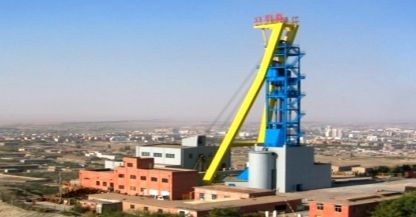
Core Technologies of the Mining Technology and Equipment Business Unit: Efficient Mining Methods and Processes
CHANGSHA INSTITUTE OF MINING RESEARCH CO., LTD.
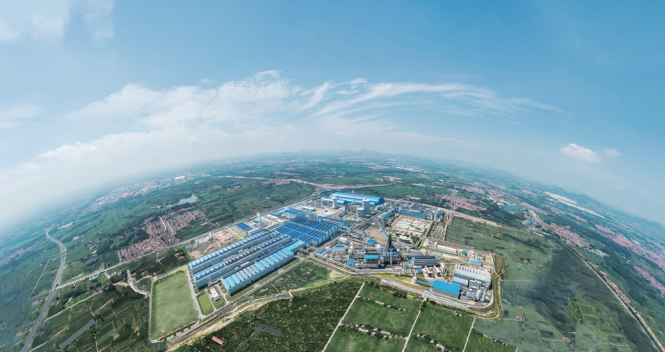
Linyi Steel Investment Special Steel 2.7 Million Tons per Year High-quality Special Steel Project
Capital Engineering & Research Incorporation Limited
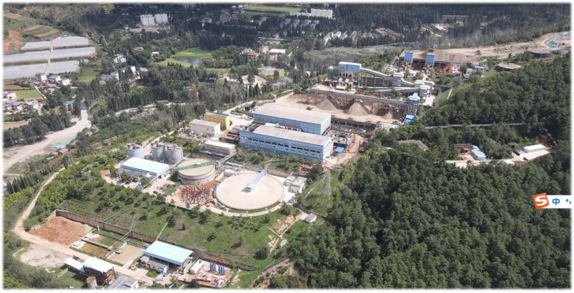
Yunnan Phosphorus Chemical Group Co., Ltd. 2 Million t/a Phosphorus Ore Mining and Beneficiation Project
China Bluestar Lehigh Engineering Corporation
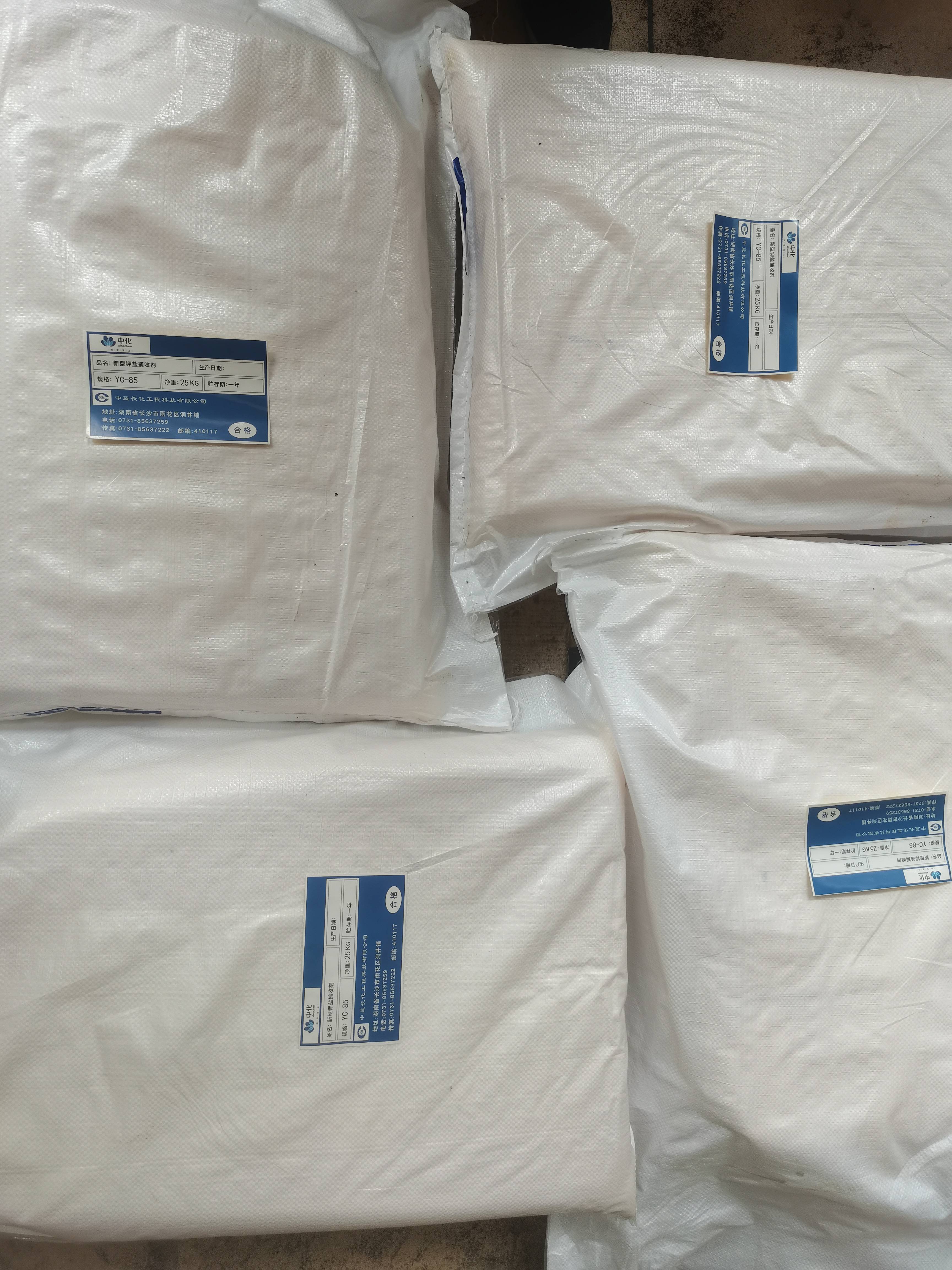
New Environmentally Friendly Green Potassium Salt Collector
Chonfar Engineering and Technology Co., Ltd.