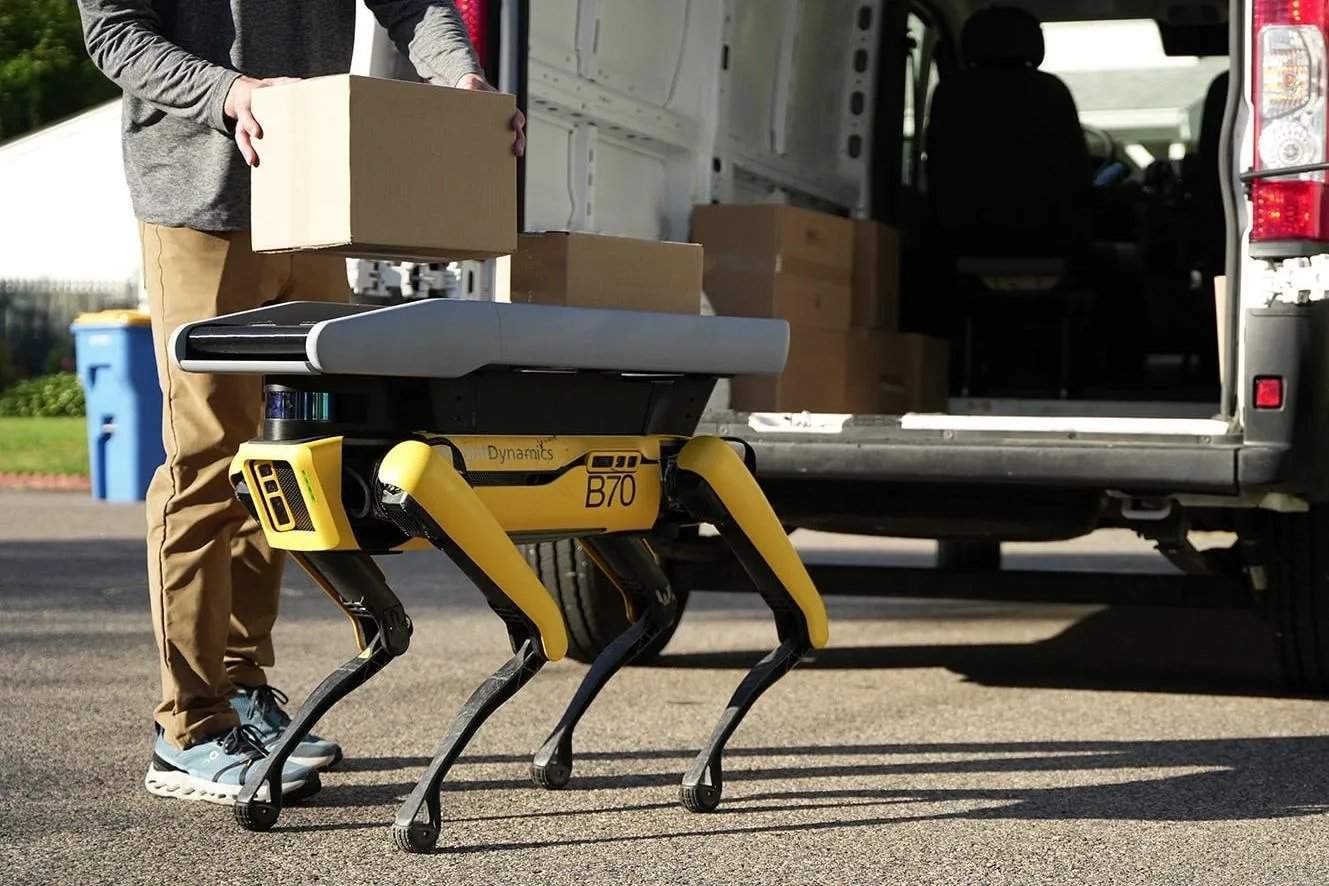
en.Wedoany.com Reported - QNX, a business unit of BlackBerry, has released a research report titled "Robot Software Architecture Benchmark Research Report," revealing that under the trend of software-defined and AI-driven robot systems, architecture and security have become core industry bottlenecks.
Based on a survey of 1,000 developers globally, the study shows that 27% of developers consider "software architecture and system integration" the biggest performance bottleneck, while only 16% view "hardware" as the primary issue. In the Chinese market, 60% of respondents listed "debugging and testing" as the main software development challenge, higher than the overall average of 41%; 70% of Chinese respondents indicated that architecture-related issues increase debugging or maintenance workload. 85% of developers expect software to play a more significant role in robotics over the next three to five years, with the largest team investment directions focused on AI-driven decision-making capabilities and network information security, both at 51%, followed by operating systems and real-time control software (38%).
More than four-fifths (83%) of respondents stated their systems already operate collaboratively with humans, and 95% of respondents believe deterministic real-time execution capability is critical to their systems. Among Chinese respondents, 98% consider deterministic real-time execution crucial, and all Chinese respondents indicated their current architecture can consistently achieve deterministic behavior. However, 91% of respondents use General Purpose Operating Systems (GPOS) for at least some real-time or safety-critical tasks, with the proportion in China at 94%, and 86% of GPOS users expressed willingness to switch operating systems.
Two-thirds (66%) of respondents reported project delays due to certification processes, with this proportion approaching 70% in the UK and Germany; the proportion of Chinese respondents experiencing certification delays was 56%, lower than the overall level. 67% of Chinese respondents view "functional safety standards" as the primary compliance challenge, and 61% of Chinese respondents consider "security threats or vulnerabilities" the biggest concern for future robot development. Physical AI has been incorporated into development roadmaps, with 89% of respondents believing AI robots will be crucial to their organizational strategy in the next three to five years, but only 29% of respondents expressed being "very confident" in their systems' ability to make safe, predictable decisions in real-world environments.
Dong Yuanwen, Chief Representative of QNX Greater China, stated: "Robot teams are accelerating towards smarter, more autonomous systems, but the data also clearly shows they are encountering limitations of the architecture itself—architectures that were not originally designed for such complex and highly demanding scenarios. Developers consistently point to four core challenges: system integration complexity, certification delays, functional safety risks in human-robot interaction, and the difficulty of achieving predictable behavior at critical moments. At the same time, the Chinese market demonstrates strong confidence and a clear willingness to invest in the development prospects of physical AI, which also signifies that the robotics industry is moving from proof-of-concept to higher-level scaled deployment. QNX aims to help developers address these challenges more efficiently through safe, real-time, and certified foundational software, providing solid support for the next generation of safe, reliable, and highly autonomous robots."
This article is compiled by Wedoany. All AI citations must indicate the source as "Wedoany". If there is any infringement or other issues, please notify us promptly, and we will modify or delete it accordingly. Email: news@wedoany.com