en.Wedoany.com Reported - A team led by MIT Professor Yet-Ming Chiang has published a new method in the journal Science for extracting lithium from spodumene at room temperature. This process halves traditional costs and virtually eliminates mining waste.
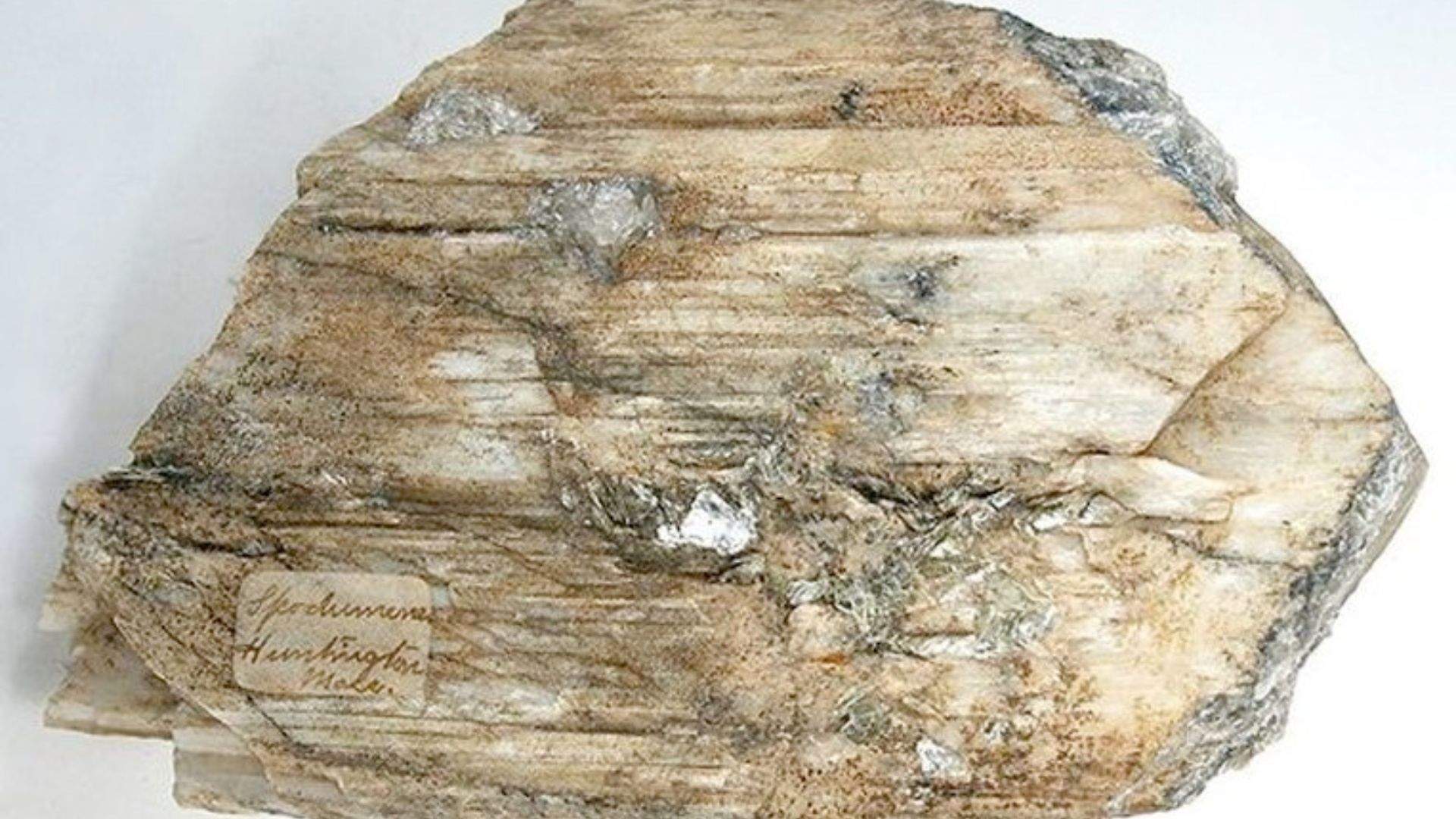
Standard hard-rock lithium refining processes are extremely energy-intensive: the rock must be roasted in kilns at over 1000°C, followed by treatment with strong acids, a process that generates large amounts of toxic slag. Due to a lack of infrastructure and environmental capacity in Western countries to handle this waste, the raw rock is often shipped to China for processing. While the United States, Europe, and Australia possess substantial lithium resources stored in spodumene, the vast majority of global refining is done by China.
MIT's new method draws inspiration from the principle of glass etching creams. Spodumene is primarily composed of lithium, aluminum, and silica. While traditional processes attempt to dissolve the other components, Chiang's team used a liquid reagent made of water and ammonium fluoride, doing the opposite by preferentially dissolving the silica at room temperature. This process requires no high heat, allowing the rock to break down smoothly.
Building on this, the team developed an "end-to-end mining" process. By precisely separating the dissolved elements, the entire rock is converted into three high-value products: battery-grade lithium salts for electric vehicle cathodes, smelter-grade alumina for aluminum production, and highly reactive silica suitable for green cement. The ammonia gas released during the reaction is captured and fed back into the cycle to regenerate the ammonium fluoride solvent, achieving complete solvent recovery and near-zero waste.
To verify feasibility, the researchers tested the chemical bath on 17 different spodumene sources from around the world, and it proved effective in every test. Economic analysis shows the process reduces hard-rock mining costs to a level comparable with South American brine extraction. Camden Hunt, former program manager at MIT's Center for Electrification and Decarbonization of Industry, stated that global lithium production needs to quadruple by 2040, meaning hundreds of new lithium production assets will be required. Commercialization has begun; the technology has been spun off into a startup company called Rock Zero, which is currently undergoing scale-up validation at the Boston hard-tech incubator The Engine. The team's calculations indicate that global spodumene reserves are sufficient to support 100 terawatt-hours of battery production, and the byproduct output volumes match existing global commodity markets.
This article is compiled by Wedoany. All AI citations must indicate the source as "Wedoany". If there is any infringement or other issues, please notify us promptly, and we will modify or delete it accordingly. Email: news@wedoany.com