en.Wedoany.com Reported - The most direct value of Reclaimed Water Reuse is saving freshwater. However, under industrial green transformation, its significance is expanding. For water-intensive enterprises, industrial parks and urban infrastructure operators, reclaimed water reuse is not only related to water security. It is also connected with energy consumption, carbon emissions, wastewater discharge and green supply chain evaluation. Reuse is moving from a single water-saving project toward coordinated water circulation, pollution reduction and carbon management.
Industrial water use is often linked to significant energy consumption. Water intake, treatment, transmission, pressurization, circulating cooling, wastewater treatment and sludge handling all consume electricity and chemicals. If enterprises can replace part of freshwater use with stable reclaimed water, and combine it with cooling system optimization, classified wastewater reuse, waste heat recovery and digital water management, they may reduce water cost, wastewater discharge pressure and some indirect carbon emissions at the same time.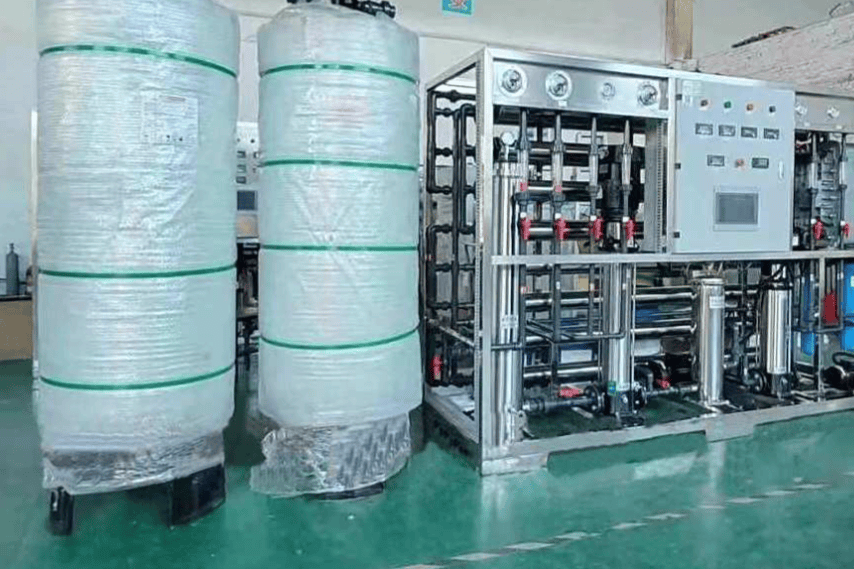
The relationship between reclaimed water and carbon reduction is not automatic. Reuse systems also require treatment, pumping, disinfection and monitoring, all of which consume energy. If the treatment route is too complex, transmission distance is too long, pump efficiency is low or water quality standards are set higher than necessary, a project may save water while increasing total energy use. Reclaimed water engineering must therefore calculate water volume, water quality, energy use and cost together, rather than judging value only by reuse rate.
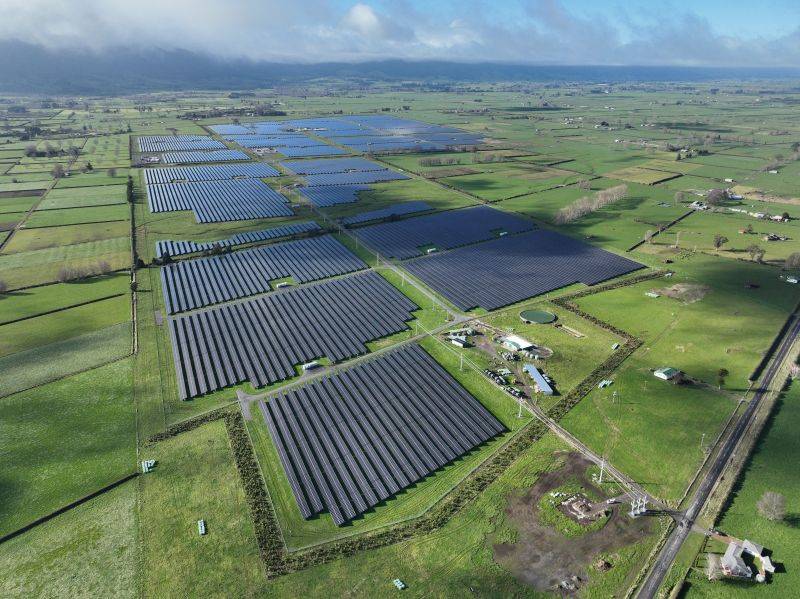
In industrial parks, reclaimed water reuse can support zero-carbon park development. Effluent from park wastewater treatment plants can be used for greening, road washing, cooling makeup and some auxiliary industrial uses. At the same time, wastewater treatment facilities can reduce energy consumption through solar power, variable-frequency pumps, intelligent aeration, sludge reduction and waste heat recovery. If the park builds a water-carbon coordination platform, it can track freshwater savings, reclaimed water use, wastewater reduction and energy consumption per unit of water treatment.
For enterprises, reclaimed water reuse may also affect green supply chain evaluation. More customers are paying attention to suppliers’ water resource management, especially in chemicals, electronics, textiles, food and beverage, new energy materials and equipment manufacturing. If an enterprise can prove that it has a stable system for water saving, wastewater reuse and resource circulation, it will be better positioned in customer audits, green factory evaluations and ESG disclosure.
Enterprises and parks should evaluate reclaimed water reuse together with carbon management. First, they should calculate freshwater replacement volume and confirm how much external water withdrawal is actually reduced. Second, they should calculate treatment and distribution energy consumption to avoid water saving with excessive energy use. Third, they should evaluate wastewater reduction and pollutant removal effects. Fourth, reclaimed water data should be included in ESG, green factory and zero-carbon park management systems.
The future value of reclaimed water reuse will not only be reflected in water price differences or water savings. It will also be reflected in enterprise resilience, environmental compliance, carbon management and supply chain competitiveness. A high-quality reclaimed water project should build a long-term balance among water saving, pollution reduction, carbon reduction and cost control.
This article is compiled by Wedoany. All AI citations must indicate the source as "Wedoany". If there is any infringement or other issues, please notify us promptly, and we will modify or delete it accordingly. Email: news@wedoany.com