en.Wedoany.com Reported - Nate Walkingshaw, CEO and co-founder of Torus, stated that the competitive focus in the energy storage industry is shifting from individual battery performance metrics to system-level integration capabilities. He noted that lithium iron phosphate batteries, NMC ternary lithium batteries, sodium-ion batteries, and solid-state batteries are advancing simultaneously across different application scenarios. However, over the past few years, the energy density of containerized battery energy storage systems has doubled, and the competitive frontier has moved to who can scale up and deliver complete energy storage systems.
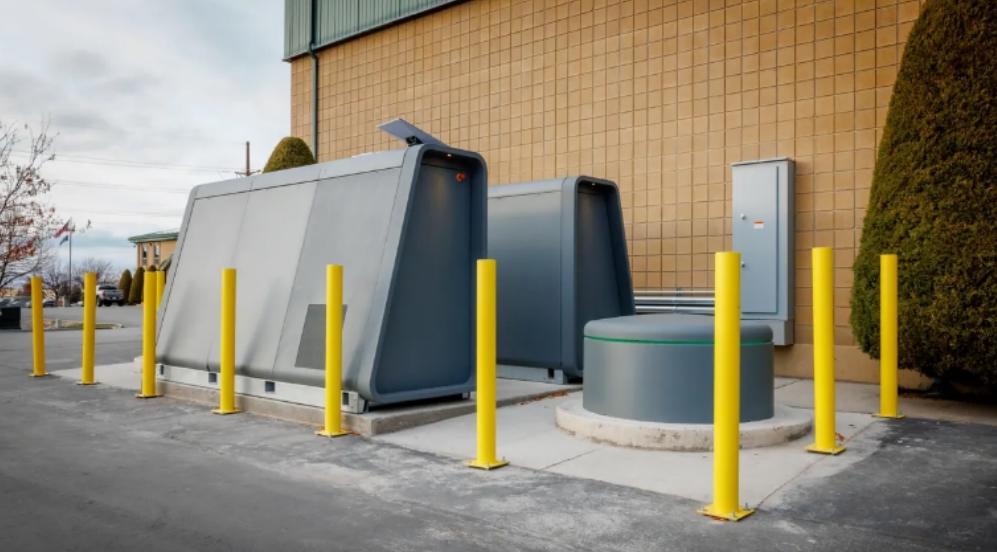
For energy storage system developers based in the US, this assessment hits the mark. When evaluating battery energy storage systems, utility companies do not focus on battery chemistry but rather on deployment speed, command execution capability, cybersecurity protection, fault liability attribution, bill of materials composition, and how the system integrates into existing distributed energy management systems and grid operations. When batteries, inverters, software, and supply chains are consolidated into a single platform, operational costs decrease, deployment speed increases, and integration becomes a core competitive advantage.
The global turmoil in 2026 has made energy storage procurement decisions a priority for utility companies and enterprises. New "foreign entity of concern" restrictions, tariff risks, and stricter sourcing requirements have increased the difficulty of deploying systems reliant on imported components. In its most recent capacity auction, regional transmission organization PJM, under price caps approved by the US Federal Energy Regulatory Commission, faced a power capacity shortfall exceeding 6,600 MW—the first such occurrence in the company's history. The US Department of Energy has adjusted project selection criteria around "reliable and stable power," while electricity loads from artificial intelligence infrastructure continue to rise. Against this backdrop, utility companies face increasingly prominent core questions: the source of power generation capacity, the qualifications of equipment manufacturers, the entity responsible for system integration, and the stable operation of supporting supply chains.
The US urgently needs domestic companies to master full-industry-chain technologies, achieve local hardware production, and take full responsibility for operation and maintenance. A few suppliers are already positioning themselves in the US market under this model, with Torus having been deeply engaged in this field for several years. The company manufactures its flywheel and battery component hardware at the GigaOne factory in Salt Lake City. The flywheel handles power fluctuations that accelerate battery degradation, offering sub-second response and high cycle life, while the battery energy storage system provides the duration needed for capacity-level dispatch. Approximately 80% of the bill of materials for the flywheel energy storage platform is sourced from the US. The company also possesses software for monitoring and dispatching assets, cybersecurity solutions, and service plans covering the full project lifecycle. Energy storage, software, security, and services are all built, installed, and maintained by the same team, achieving full localization of the entire industry chain through independent research and production.
Practical results show that utility companies can plan Torus's battery energy storage systems as reliable capacity. Customer-side energy storage systems typically take 12 to 16 weeks from contract signing to operation, depending on scale and local regulatory requirements. Throughout 2025, Torus's deployed energy storage portfolio achieved an overall operational reliability rate of 99.9% across over 300 dispatched demand response events, executed under the framework of a 500 MW memorandum of understanding signed between Torus and Pacific Power. Portland General Electric has also operated a similar model through its demand-side generation program. For utility companies facing reliability gaps in 2027 and 2028, there is still ample time to deploy locally integrated energy storage systems if procurement decisions are made now.
This article is compiled by Wedoany. All AI citations must indicate the source as "Wedoany". If there is any infringement or other issues, please notify us promptly, and we will modify or delete it accordingly. Email: news@wedoany.com