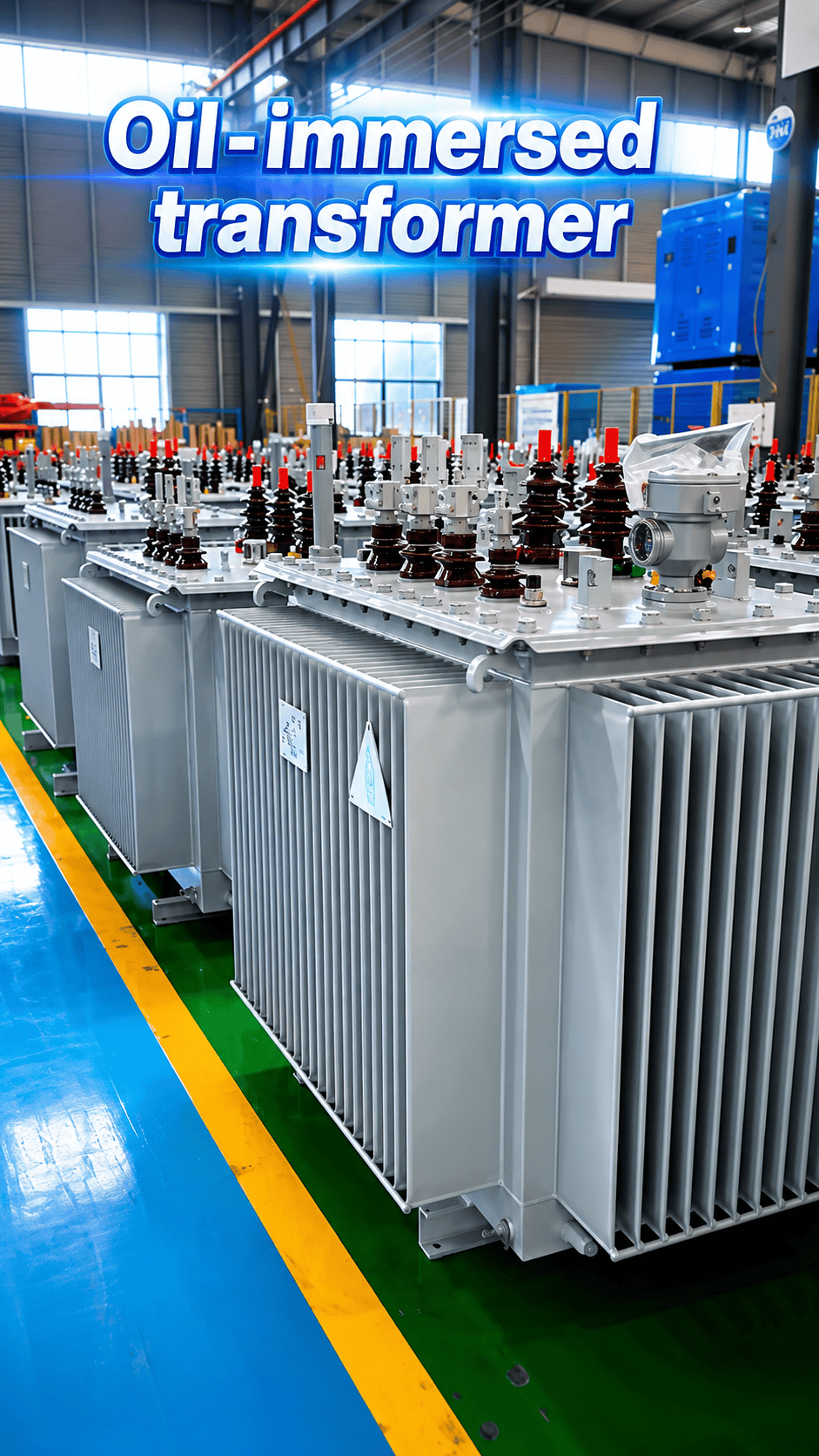
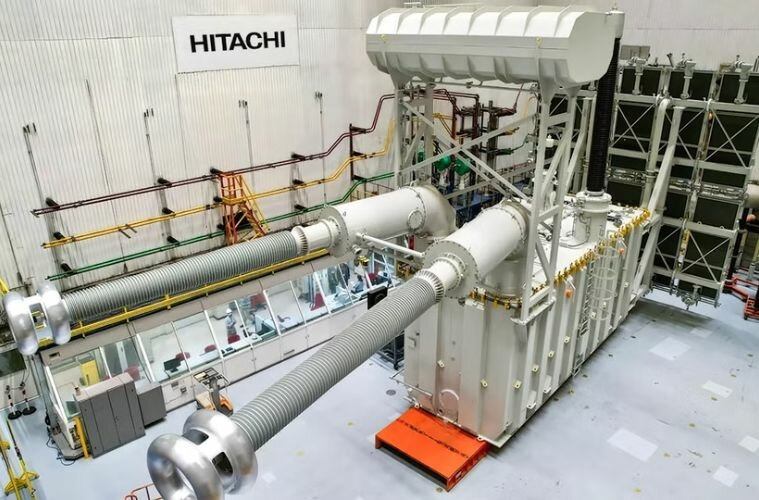
en.Wedoany.com Reported - According to data from Wood Mackenzie, demand for large step-up transformers used to connect new power plants to the grid surged by 274% between 2019 and 2025. In the second quarter of 2025, the average delivery lead time for this equipment reached 143 weeks, followed closely by standard power transformers at 128 weeks. Hitachi Energy, one of the major suppliers in this field, described the surge in demand as unprecedented and, based on this, announced a $1.5 billion global manufacturing investment plan in 2024. These figures indicate that the shortage is severe enough to delay power plants, data centers, and industrial expansion, regardless of the amount of capital invested. This dynamic is already evident in the United States, where manufacturers and data center developers compete directly for scarce grid capacity and equipment, as the bottleneck lies upstream in the manufacturing base, which has shrunk over decades and cannot be rebuilt overnight. Currently, manufacturers in three countries are responding with investments large enough to resemble a bet that domestic transformer production is becoming a permanent national infrastructure rather than conventional capacity expansion.
South Korea has gained an early advantage in the transformer shortage, with its manufacturers already holding a significant share of ultra-high voltage transformer sales in the U.S. market. HD Hyundai Electric broke ground on a second factory at its Montgomery, Alabama production base in March, with an investment of approximately $200 million. The company stated this will increase its ultra-high voltage transformer capacity by 50% and add manufacturing and testing capabilities for 765 kV class units upon completion in April 2027. Another South Korean manufacturer, LS Electric, signed a $312 million contract this year to supply transformers for a renewable energy power plant that will provide critical electricity to a large data center under construction in the southeastern United States, with delivery scheduled between 2027 and 2029. Both companies are not chasing short-term order backlogs but are investing capital years in advance, targeting a market expected to remain tight beyond this shortage cycle.
Brazil's capacity expansion is anchored by its domestic grid plans, but the manufacturing investments behind it are funded by companies rather than the state. Hitachi Energy announced in 2024 an investment of over $200 million to expand its Guarulhos transformer factory and build a new plant in Pindamonhangaba, São Paulo state. The company stated that by 2028, this project will roughly double its capacity in Brazil. In March 2026, Hitachi Energy added $150 million in additional investment in Latin America, with $70 million allocated to accelerate expansion in Brazil and $80 million for its transformer factory in Dos Quebradas, Colombia. Brazil's own grid expansion, outlined in its PDE 2034 energy plan, is a demand signal that manufacturers are responding to, though specific transmission and substation capacity data from the plan should be verified against official Brazilian planning documents before use. Brazil has become a significant transformer exporter to the United States, one of the few countries, along with Mexico, Canada, and South Korea, that supply a major share of U.S. power transformer imports.
India's expansion is a case that goes beyond corporate bets on profitable markets. Toshiba Transmission and Distribution Systems (India) is investing over 5.62 billion rupees (approximately $70 million) to expand its manufacturing base in Telangana, increasing annual power transformer capacity from 30,000 MVA to 42,000 MVA, a 40% increase. The expansion was formalized through a memorandum of understanding signed with the Telangana state government, a rare example of direct government co-signing of a manufacturing commitment. India's broader grid expansion also supports the same argument: the country continues to expand high-capacity transmission lines from renewable energy zones such as Khavda in Gujarat, including lines transmitting several gigawatts of power at 765 kV built by subsidiaries of Adani Transmission. Industry analysts describe India as an increasingly fast-growing transformer export base, though comprehensive trade data comparing growth rates between India and competing manufacturing countries has not yet been compiled in public reports.
The United States announced on July 15 a 25% tariff on most imported goods from Brazil, effective July 22, following a Section 301 investigation in which U.S. trade officials characterized the relevant practices as unfair trade practices. The order exempts several categories, including coffee, beef, citrus products, some energy commodities, and aerospace components. It is currently unclear whether transformers or other grid equipment are included in the exemption list. The 50% tariff on copper imports imposed by the United States in 2025 remains in effect, and this input cost enters transformer manufacturing regardless of the final assembly country. The tariff treatment of Indian goods has gone through several different phases over the past year and remains under legal dispute, making it difficult to provide a reliable statement on any single current rate at the time of publication. Taken together, these are real costs and uncertainties layered onto the supply chains on which the United States relies. This reliance, stemming from the inability of domestic manufacturing capacity to meet demand alone, has already changed practices in Texas, which now requires large power users to demonstrate they can secure equipment and generation before joining the interconnection queue. Tariffs may strengthen the business case for suppliers in these countries to diversify their customer bases over time, but there is currently no evidence that major manufacturers have shifted transformer production away from U.S. buyers.
Adding up the announced investments, the reality remains a waiting game. HD Hyundai's second Alabama factory will not be completed until April 2027. Hitachi Energy's Pindamonhangaba plant is not expected to be finished until 2028. LS Electric's latest contract deliveries extend from 2027 to 2029. Toshiba's Telangana expansion targets the fiscal year 2027. Each of these projects was specifically announced because of the severity of the current shortage, but each will take years to materialize after the announcement, meaning the shortage that triggered the wave of investment is likely to persist when most of the new capacity eventually comes online. Taiwan's own power planning experience shows the same pattern: early capital investment does not shorten the multi-year construction cycle; it only determines who is first in line when that cycle finally ends. Whether the scale of the bet placed jointly by these three countries is large enough to truly close the gap, or merely sufficient to capture a larger share of a persistent shortage, cannot be determined from the total investment figures alone.