en.Wedoany.com Reported - The immense power demand of AI data centers is forcing the U.S. power system to reexamine planning models that have been in place for decades. Traditionally, customers such as large factories and industrial parks have been viewed as "loads" requiring passive connection. However, the staggering scale of electricity consumption, extremely short commercial timelines, and high reliability requirements of AI data centers are fundamentally challenging this assumption. Research from the Lawrence Berkeley National Laboratory (Berkeley Lab) categorizes this challenge into five functional areas: load forecasting, interconnection processes, resource planning and procurement, markets and operations, and cost allocation and rate design. The core insight of the study is that the bottleneck for large-load interconnection does not exist in isolation but permeates the entire planning mechanism of the power system.
The urgency of this issue was underscored by the Federal Energy Regulatory Commission (FERC) in June 2026, when it took action on large-load electricity rates. The Commission directed grid operators in six jurisdictions to demonstrate or reform rules for large customers, acknowledging that existing procedures may struggle to handle the scale and speed of demand in the AI era. The appropriate response is not to treat data centers as ordinary loads or inherent threats, but to establish a reciprocal compact: large customers need clearer, faster service pathways, while utilities and grid operators require better information, firmer commitments, and clearer cost responsibilities.

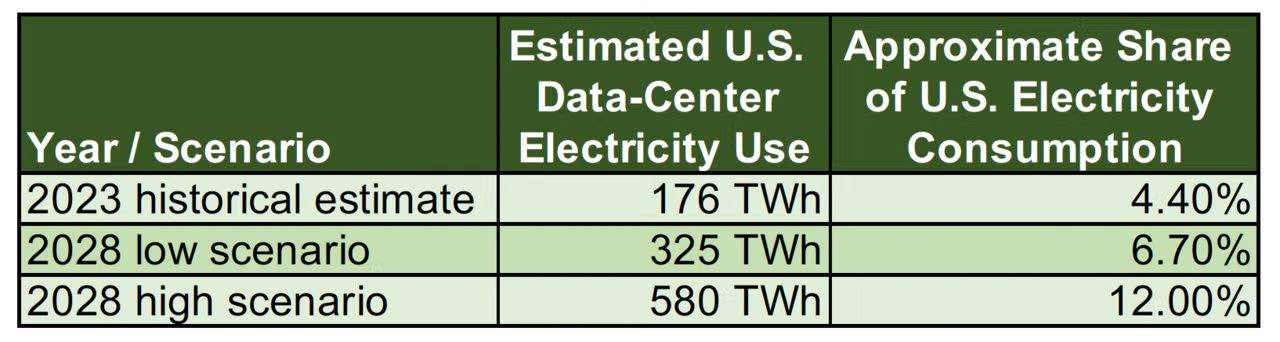
"Time to power" has become a critical constraint for data center development. In its "Speed to Power" report, Berkeley Lab identified 41 potential solutions to accelerate large-load interconnection, highlighting recurring challenges such as load forecasting uncertainty, process coordination, interconnection procedures, capacity adequacy, and cost-shifting risks. Data shows that in 2023, U.S. data centers consumed 176 TWh of electricity, accounting for approximately 4.4% of total national electricity consumption. Depending on demand growth, efficiency gains, and broader economic conditions, the agency projects this figure could rise to between 325 TWh and 580 TWh by 2028, representing 6.7% to 12% of projected electricity consumption for that year.
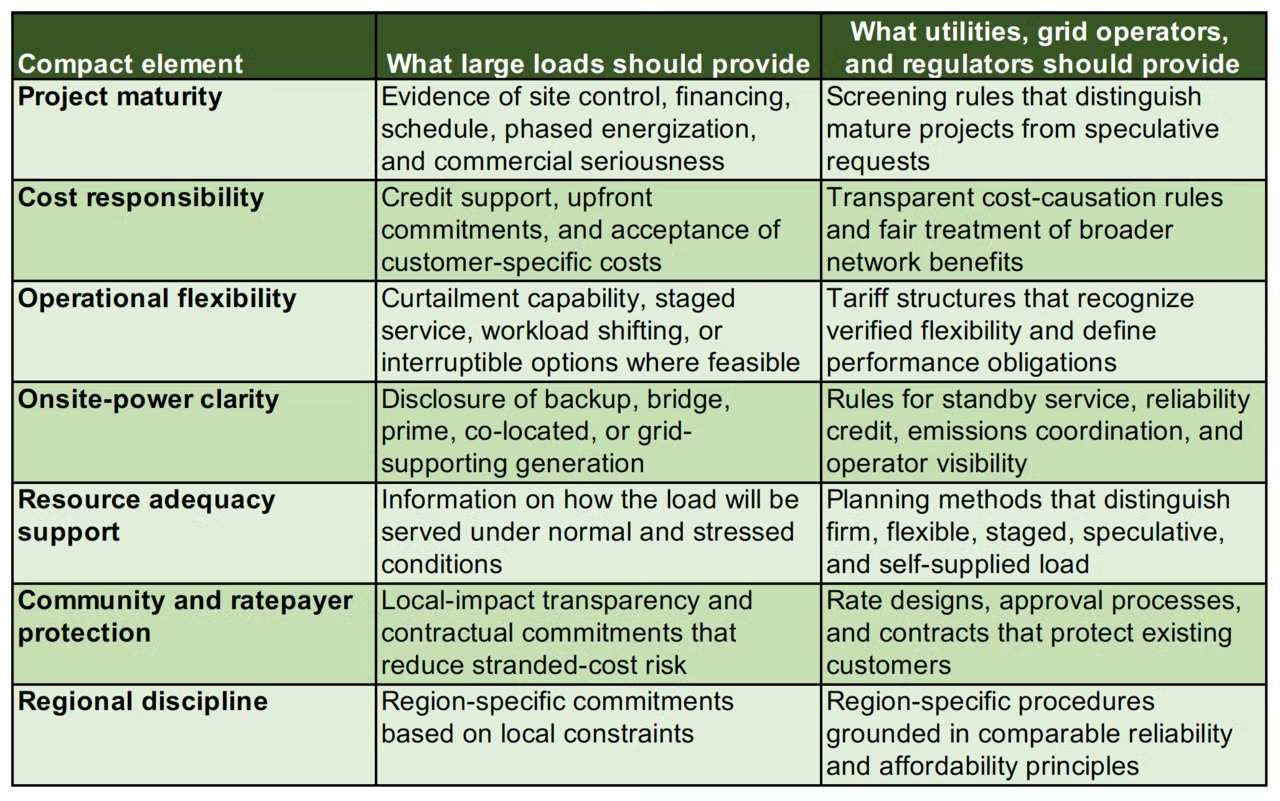
At the heart of planning reform is distinguishing project maturity. A 500 MW project with site control, a financing plan, and a phased energization scheme has a vastly different impact on planning models than an exploratory inquiry. Consequently, five key reform areas have emerged: project maturity assessment, cost responsibility allocation, coordination mechanism establishment, cluster study design, and flexible service options. Among these, while flexible services can accelerate interconnection, they must be accompanied by stringent performance requirements and clear operating rules to prevent risk transfer.
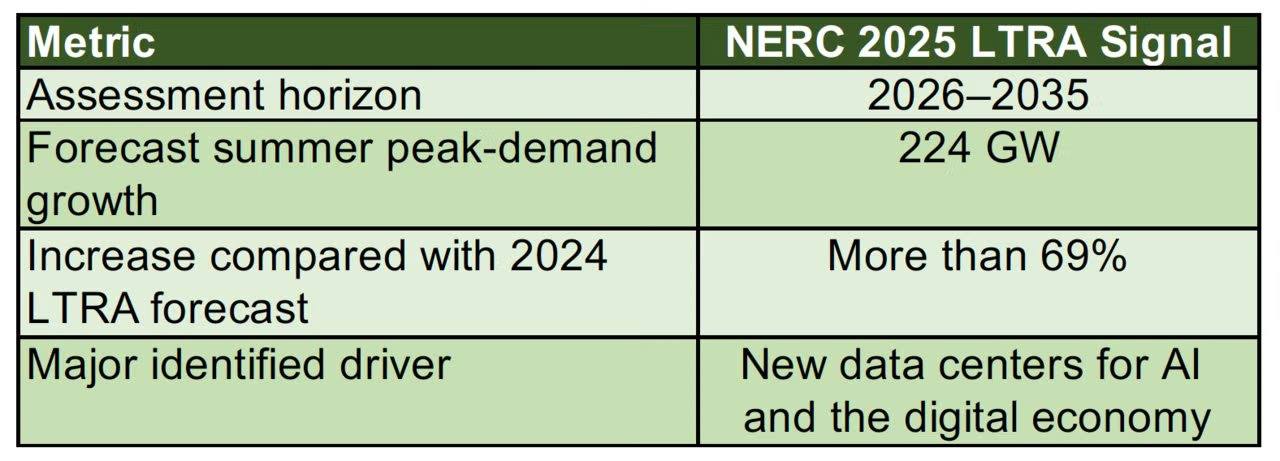
From a resource adequacy perspective, the issue extends beyond mere capacity measurement. The North American Electric Reliability Corporation (NERC), in its "2025 Long-Term Reliability Assessment" (LTRA), projects summer peak demand growth of 224 GW, an increase of over 69% compared to the previous LTRA forecast, with new data centers for AI and the digital economy being the primary contributors. However, reserve margins cannot cover all risks. A more critical consideration is whether a region's resources can operate during extreme weather events, given potential constraints such as fuel limitations, transmission bottlenecks, or insufficient energy storage. Particularly for large loads served by gas-fired generation, reliability issues partially translate into gas delivery capacity issues.
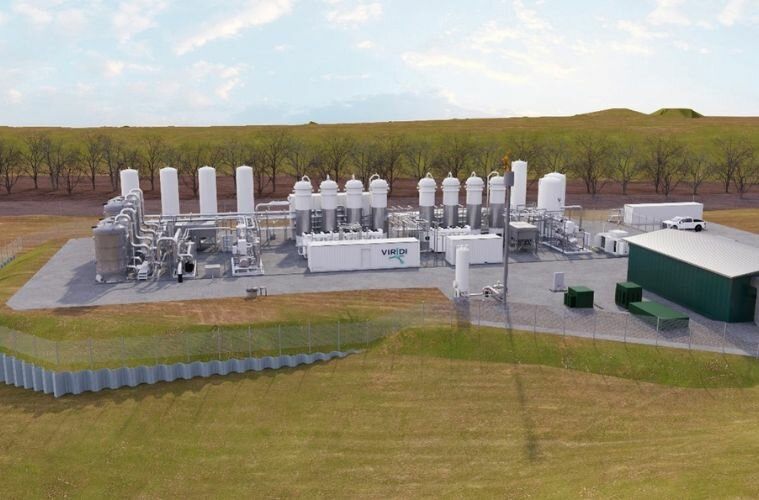
The role of on-site generation is evolving from emergency insurance to a strategic option for accelerating energization. This can shorten timelines and reduce reliance on transmission lines, but it also creates new obligations and constraints, such as fuel logistics, air permits, and emissions compliance. Planners must clearly define the function of on-site generation—whether it serves as emergency backup, transitional power, or primary electricity—as each answer has vastly different implications for planning, rates, and cost allocation. On-site generation and flexible loads should be treated as planning variables, with their capabilities and limitations made visible to the system.

The research also emphasizes the importance of protecting ratepayers and communities. For public power utilities and smaller systems, large-scale data center projects represent both an economic development opportunity and a potential financial and operational risk. If a project fails to materialize, existing customers may bear stranded costs. Therefore, before making significant commitments, it is necessary to clarify expected benefits, local impacts, contractual protections, and payment responsibilities in the event of project cancellation.
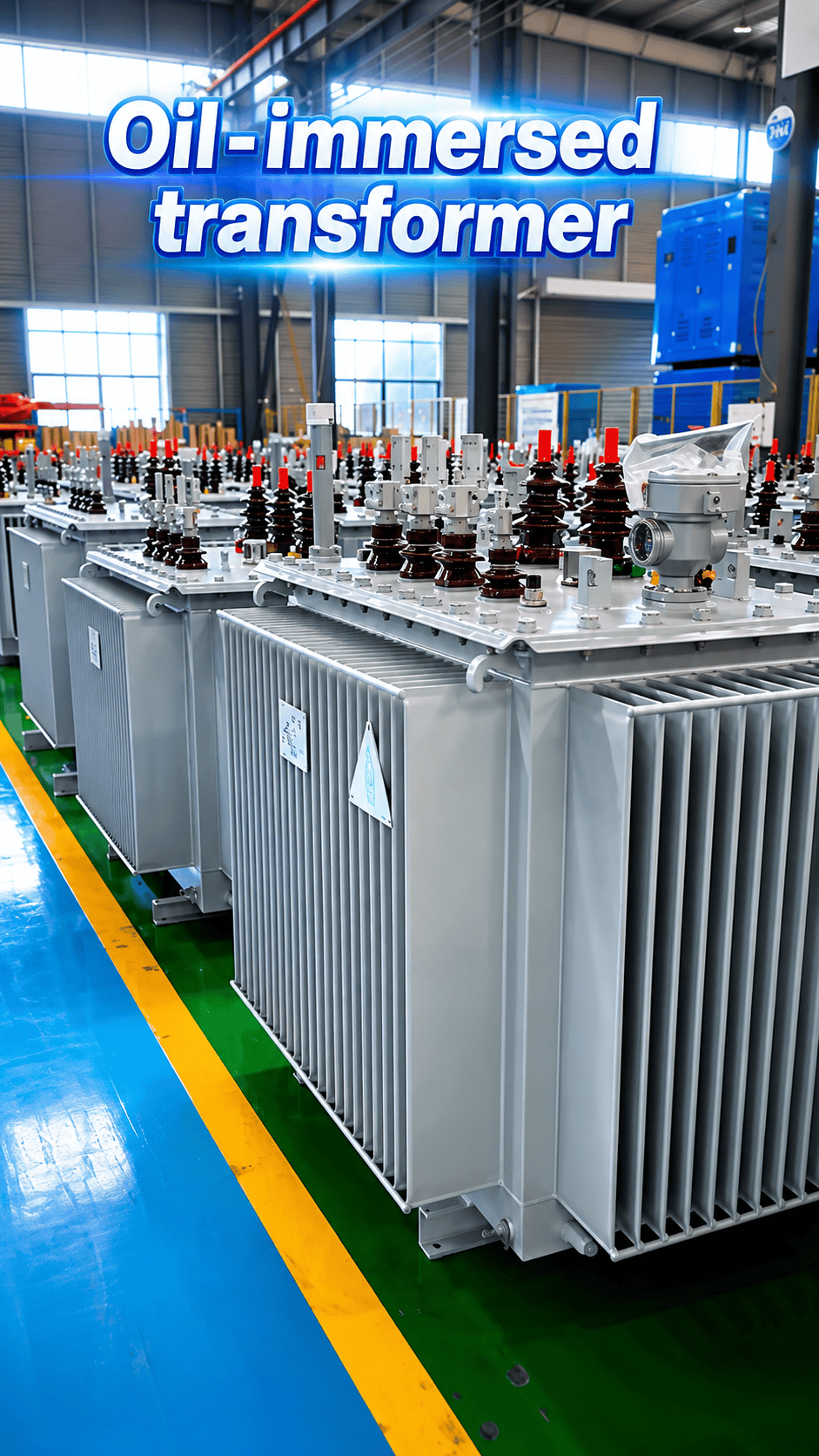
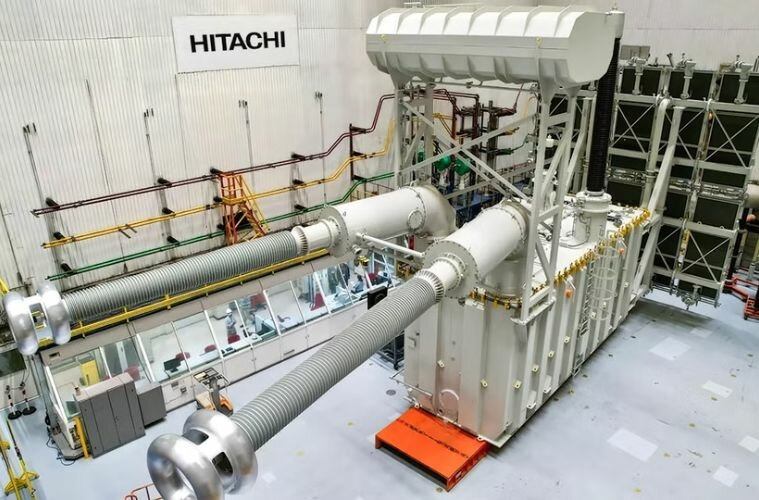
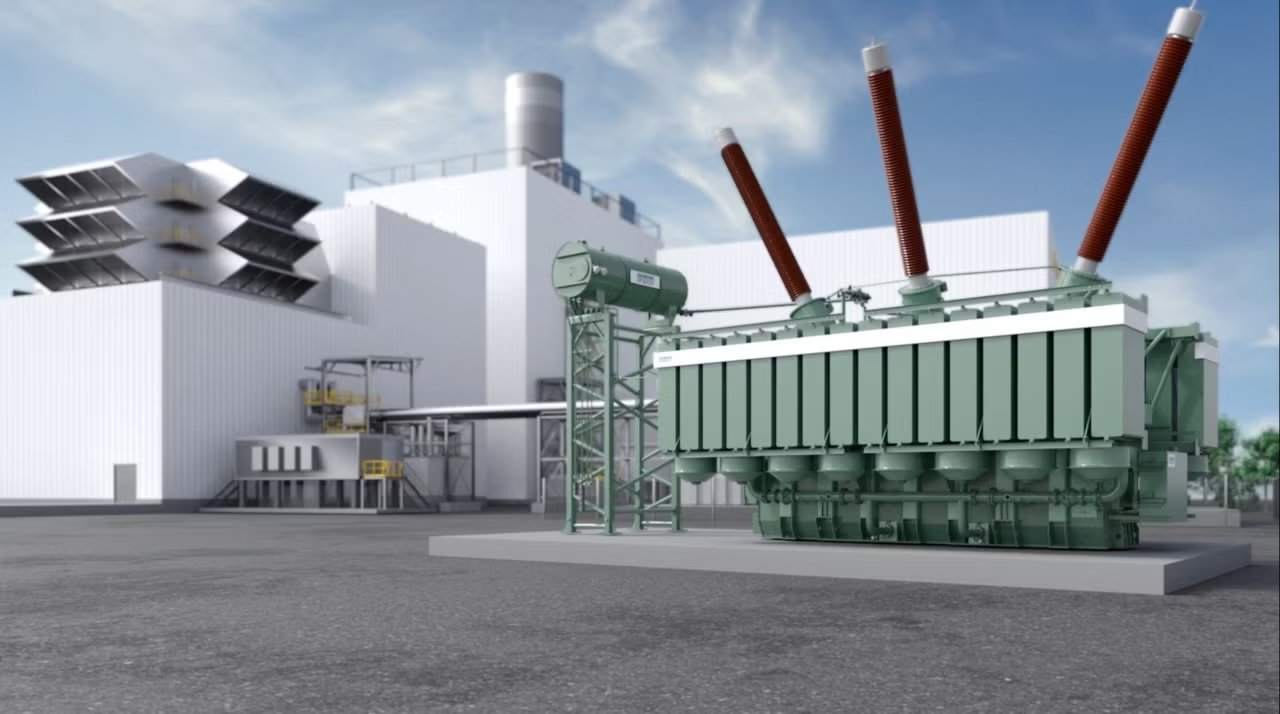
The challenge of large-load integration extends far beyond electricity itself. Natural gas infrastructure, diesel logistics, water availability, and equipment supply chains (such as transformers) can all become critical bottlenecks. A seemingly viable project may be stalled by delays in air permits or natural gas infrastructure approval processes.
Ultimately, a practical large-load compact framework comprises six core requirements: project maturity, cost responsibility, enforceable flexibility, clarity on on-site generation, community and ratepayer protection, and regional discipline. This framework aims to ensure that large loads can connect quickly, pay fairly, operate transparently, and support rather than undermine the grid. The next phase of large-load integration will be determined by implementation details, including how to define project readiness, how to develop flexible services, and how to handle on-site generation.