Russian Study Confirms Feasibility of Combining Fast Reactors and Molten Salt Reactors
en.Wedoany.com Reported - A research team from Russia's Mining and Chemical Combine (Gorno Khimicheskii Kombinat, GKhK, located in Zheleznogorsk, Krasnoyarsk Krai, part of Rosatom's environmental solutions division) has completed a study confirming the feasibility of jointly using fast reactors and molten salt reactors (MSRs) in a dual-component nuclear energy system. The results confirm that molten salt reactors can be used to transmute curium—one of the most difficult minor actinides among the long-lived waste generated from reprocessing spent nuclear fuel.
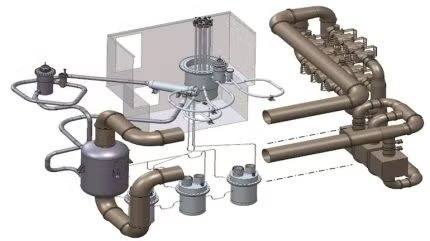
Minor actinides are transuranic elements formed in nuclear fuel during reactor operation, primarily including neptunium, americium, and curium. These highly radioactive and toxic elements do not exist in nature, and their long half-life isotopes make them hazardous components of radioactive waste.
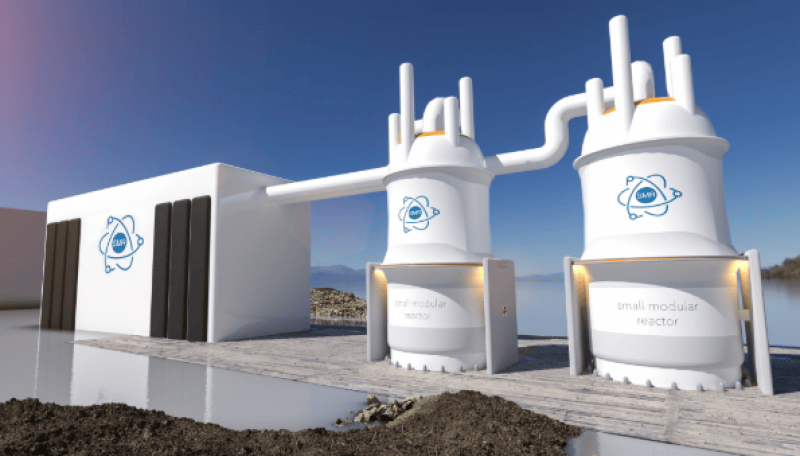
Fast reactors (such as Rosatom's sodium-cooled BN series or lead-cooled BREST-OD-300) can burn solid mixed oxide fuel containing minor actinides like americium and neptunium. Molten salt reactors serve as specialized components designed to handle the most volatile or chemically challenging actinides, such as curium. This study was conducted within the framework of developing closed nuclear fuel cycle technologies. GKhK, as the coordinator for MSR development and future site projects, demonstrated through research that the amount of curium an MSR can transmute is comparable to the expected generation of this element during spent fuel reprocessing.
Vasily Tinin, Director of Rosatom's State Policy on Radioactive Waste, Spent Nuclear Fuel, and Decommissioning of Nuclear and Radiation Hazardous Facilities, stated that the nuclear industry previously viewed fast reactors and molten salt reactors as alternatives. Current calculations show that the two reactor types working together can achieve optimal results, with no competition between them. Each reactor type can effectively incinerate the most hazardous radioactive waste—minor actinides—within its designated mission. This approach will systematically reduce the volume of long-lived waste while improving fuel cycle efficiency. The results obtained will help formulate recommendations for new strategies in closing the nuclear fuel cycle and managing minor actinides.
Related Products


Overseas IEC Gateway Energy Meter - DTSD341/DSSD331-aMeter390
Wasion Group Limited Co., Ltd.
Yingping Mining Section Open-pit Tailings Backfill Treatment of Goaf Ecological Restoration EPC Project
China Bluestar Lehigh Engineering Corporation
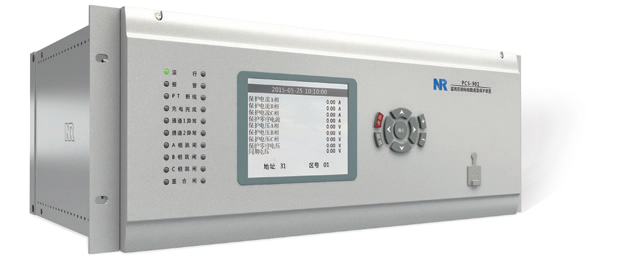
PCS-901 Series Ultra (Extra) High-voltage Transmission Line Complete Protection Device
Nanjing NR Electric Co., Ltd.


80kW Megawatt Supercharging Module TH80F10030C9
Shijiazhuang Tonhe Electronics Technologies Co., Ltd.

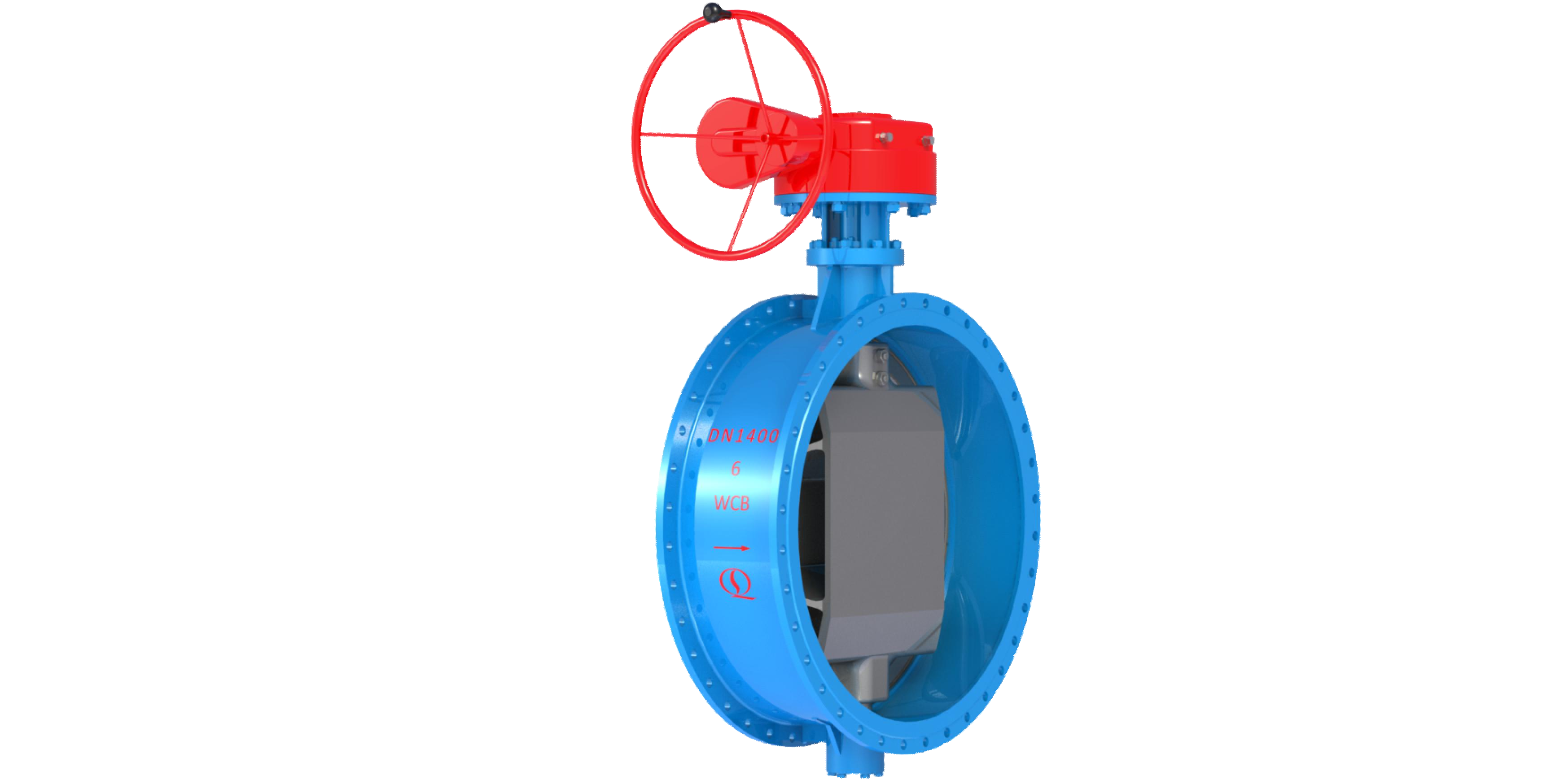
Bidirectional Metal Hard Sealed Seawater Butterfly Valve
Henan Quanshun Flow Control Science & Technology Co., Ltd.