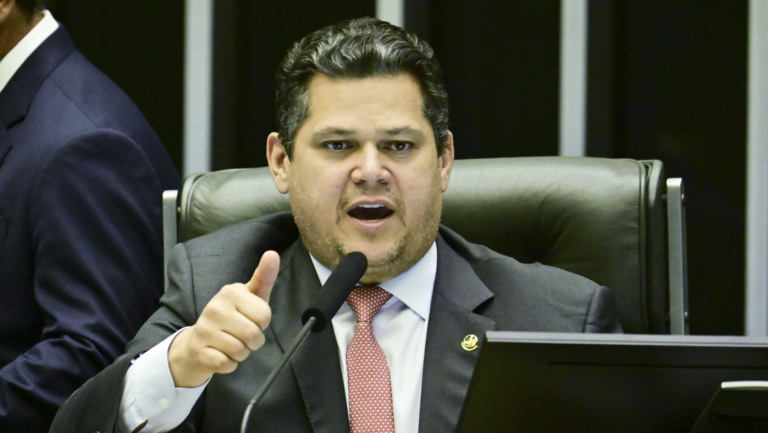
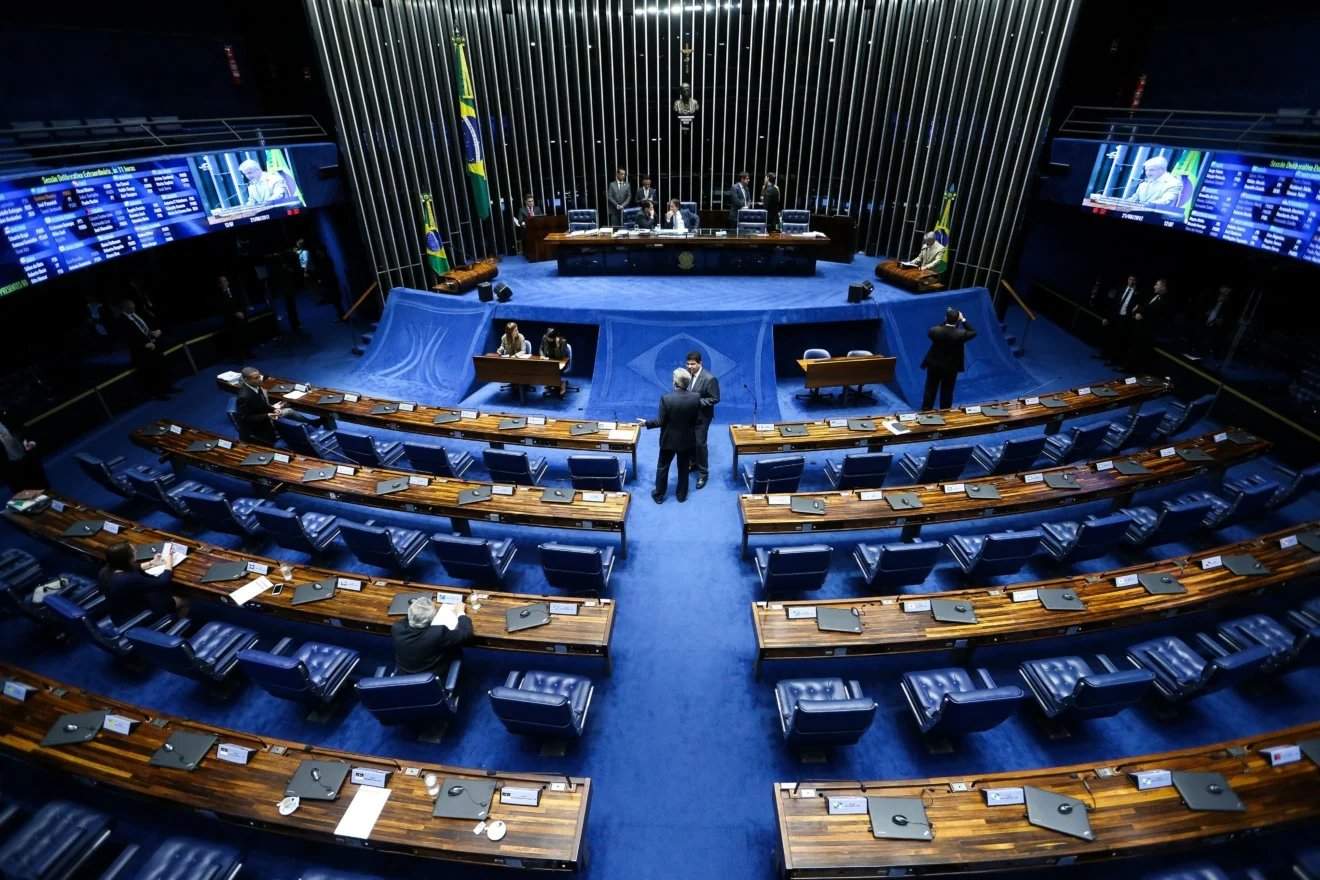
en.Wedoany.com Reported - The legislative process of Brazilian Senate Bill No. 5017/2019 (PL) may slow down, as Senator Eduardo Braga (MDB-AM party) filed a request this Friday (July 17) for the substitute text of the bill to be reviewed by the Economic Affairs Committee (CAE) before being submitted to the Senate plenary. The bill passed the Infrastructure Services Committee (CI) in substitute form this Tuesday (July 14). If the bill is sent to the CAE, the committee must appoint a rapporteur and hold a vote, which could delay the proposal's progress and prevent it from advancing before the parliamentary recess (starting this Friday).
In his justification, Braga stated that the substitute text proposes "significant changes to the electricity sector regulations, affecting electricity consumers, sector planning and governance, and economic competitiveness among entities," and therefore its impact should be assessed by the CAE. On the same day, Senator Laércio Oliveira (PP-SE party) submitted an amendment proposing the removal of the section mandating the contracting of 7.4 gigawatts (GW) of new thermal and hydroelectric power projects, and the restoration of the original bill's provisions regarding benefits related to semi-artesian well exploitation, as the approved substitute text expanded the scope of beneficiaries. Oliveira noted that the text "drives structural changes in the regulatory framework of the Brazilian electricity sector," impacting consumers, regulators, investors, and energy planning, requiring "careful review" and discussion with all parties.
Another amendment was filed by Senator Luis Carlos Heinze (PP-RS party) this Wednesday (July 15), aiming to delete the "riders" in the text. Heinze argued that these measures would lead to higher electricity bills, and negotiations through legal channels would cause "legislative inflation and severe legal uncertainty." He also pointed out that such measures require a Regulatory Impact Analysis (AIR) and stated that these modifications distort the scope of the original proposal. Heinze argued in the amendment: "To safeguard the public interest, the coherence of energy planning, and the wallets of Brazilian consumers, we request support for the removal of provisions unrelated to the subject matter." The senator, who is linked to the agricultural sector, thus sought to maintain measures favorable to rural consumers.
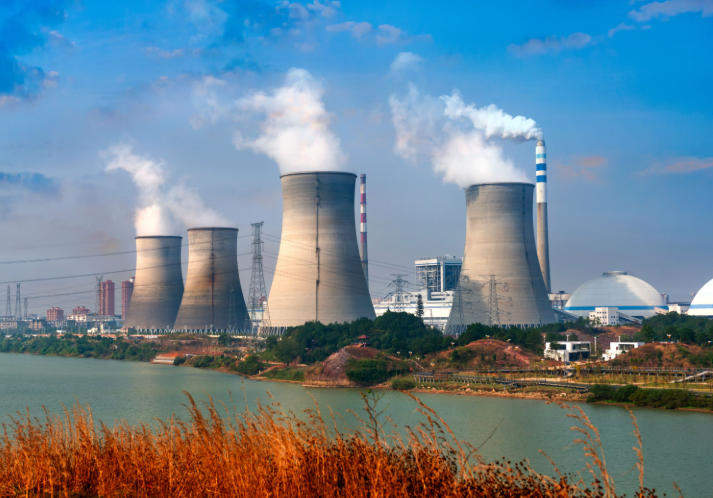
Bill No. 5017/2019 originally involved discounts for rural consumers engaged in irrigation, aquaculture, and semi-artesian well exploitation. However, the substitute text approved by the CI incorporated the contracting of 7.4 GW of generation capacity from thermal and hydroelectric plants. Regarding thermal power, the bill stipulates that the National Electric Energy Agency (Aneel) will hold auctions to contract non-dispatchable thermal projects using natural gas from the Amazon region. The contracted capacity should account for 60% of the demand for non-dispatchable natural gas thermal expansion calculated by the Energy Research Company (EPE) in the Ten-Year Energy Expansion Plan (PDE 2035), with non-dispatchable capacity calculated annually and inversely proportional to the capacity factor of key hydroelectric plants. This would result in contracting 2.5 GW of new gas-fired thermal power plants with a non-dispatchable rate of 70%. The text specifies locations for these new projects: 500 megawatts (MW) in Goiás State, 500 MW in the Federal District and surrounding areas, 500 MW in Rondônia State, 500 MW in the Triângulo Mineiro region, and 500 MW in Maranhão State (specifically the São Luís metropolitan area). For hydroelectric power, the bill mandates contracting 4,900 MW of capacity and electricity from associated hydroelectric plants with installed capacity not exceeding 50 MW. These projects are listed in descending order of installed capacity, prioritizing larger-capacity projects. The text indicates contracting locations include: 3,000 MW in the Central-West region, 1,500 MW in the South and Southeast regions, and 400 MW in the North and Northeast regions.