DePoly Launches Switzerland's First Industrial-Scale Depolymerization Facility, Processing 500 Tons Annually
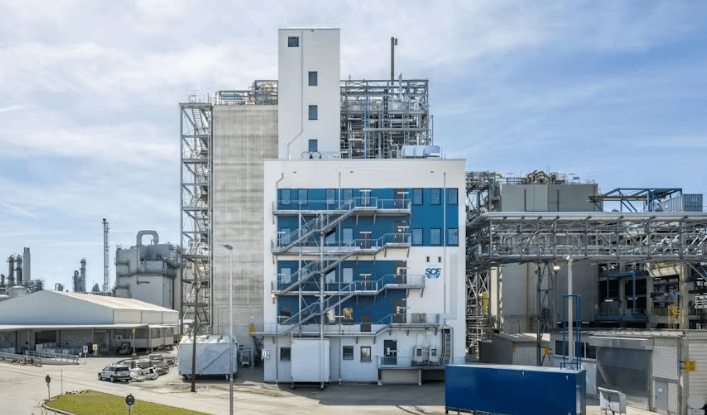
en.Wedoany.com Reported - DePoly has inaugurated an industrial demonstration plant in Monthey, Switzerland, the first facility of its scale and type in the country, marking a critical step in the company's transition from R&D to commercialization.
Unlike traditional recycling methods, DePoly's technology breaks down PET into its original chemical components, enabling the production of virgin-grade raw materials with no performance loss, suitable for all PET applications.
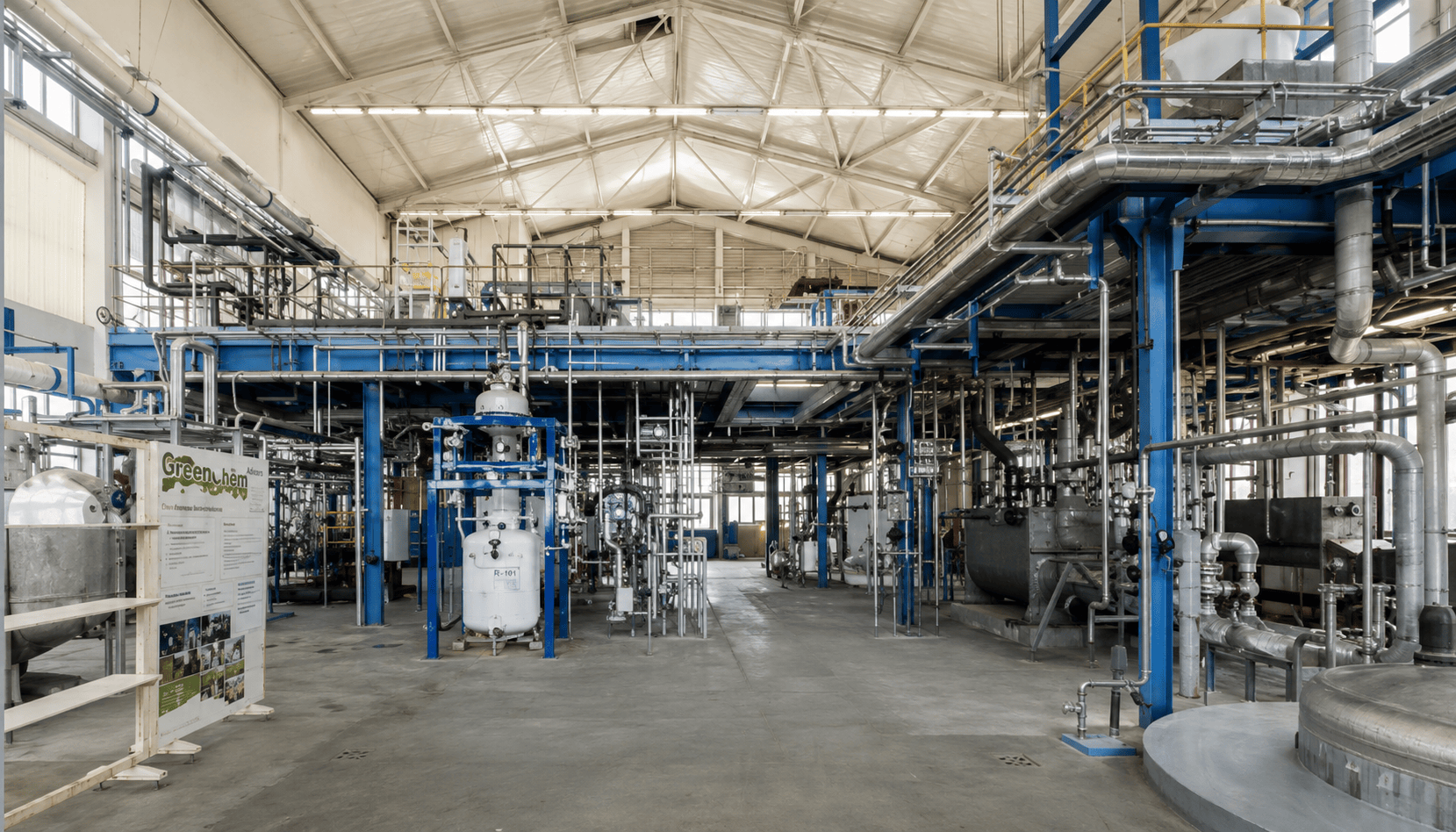
Founded in 2020 as a spin-off from the Swiss Federal Institute of Technology Lausanne (EPFL), DePoly was co-founded by Samantha Anderson, Chris Ireland, and Bardiya Valizadeh. Headquartered in Sion, the company employs around 30 people. To house this industrial unit, DePoly chose to locate at the heart of the Monthey Industrial Park (CIMO), an area that brings together cutting-edge infrastructure and chemical expertise, adjacent to the company's headquarters in the Valais canton. This allows the company to accelerate deployment by leveraging an established industrial ecosystem.
The demonstration plant represents a significant investment, creating 12 direct jobs and over 30 indirect jobs, with a nominal processing capacity of approximately 500 tons of feedstock per year. Beyond production, the plant will be used to optimize processes, conduct feedstock qualification with industrial clients, and prepare for the deployment of DePoly's first commercial plant, which targets a capacity of 50,000 tons per year.
Samantha Anderson, CEO and co-founder of DePoly, stated that innovation is often celebrated in the lab, but impact only occurs when technology enters the industrial world. This demonstration plant represents DePoly's critical transformation from vision to execution and proves the viability of the circular economy.
DePoly's process is based on photo-activated chemical depolymerization, capable of processing PET in under 60 minutes without the need for high temperatures or pressure. The method recovers the material's original monomers, which can be directly reused in existing industrial processes with no loss of quality. Its technological advantage lies in its versatility, handling a wide range of waste streams that are difficult for traditional recycling, including food packaging, polyester textiles, composite films, and colored or contaminated materials. The recovered raw materials can be applied across multiple sectors, including packaging, textiles, automotive, and electronics.
The technology also helps address strategic industrial challenges. By converting local waste into virgin-grade raw materials, DePoly helps secure access to critical resources, enhance supply chain resilience, and reduce dependence on fossil-based materials. This move also opens new possibilities for industries that are particularly difficult to decarbonize, such as technical textiles, automotive, and electronics.
The launch of the demonstration plant is a significant milestone for DePoly and the Swiss industrial innovation ecosystem. It demonstrates that DePoly can not only develop breakthrough technology but also successfully scale it to an industrial level. On July 6 and 7, DePoly welcomed industrial partners, investors, institutional representatives, and media to tour the facility in Monthey and discuss the future of circular plastics and textile recycling. The inauguration brought together several of DePoly's investors, including Una Terra Venture Capital, Infinity, Founderful, BASF, Beiersdorf, ACE & Company, and MassMutualVentures, reflecting the support of leading industrial and financial partners for DePoly's technology, industrial execution, and long-term vision.
The demonstration plant is first and foremost a blueprint for commercial scaling. It enables DePoly to showcase the technology at an industrial scale, conduct product qualification with customers, and gather operational data needed to deploy future commercial facilities. The experience and processes developed at the Monthey plant will directly feed into the development of DePoly's first commercial plant, targeting a capacity of 50,000 tons per year, with its location to be announced in the first half of 2027. Following this, DePoly has laid the groundwork for international growth through commercial projects and strategic partnerships in key global markets. The long-term goal is to make material circularity an industrial reality worldwide.
Related Products


CAP1400 main feedwater flow nozzle flowmeter.
Jiangsu Hongda Instrument Technology Co., LTD.
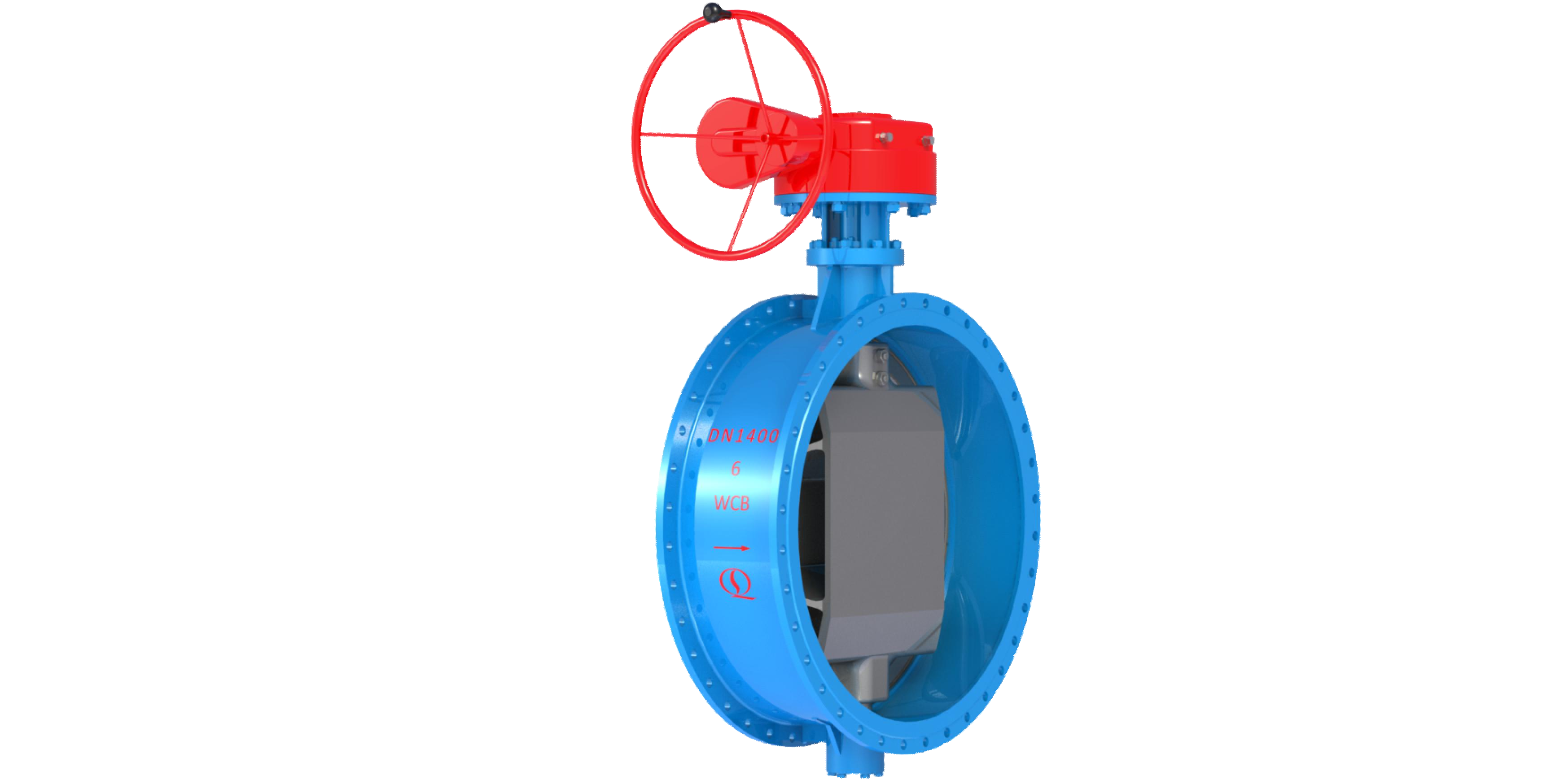
Bidirectional Metal Hard Sealed Seawater Butterfly Valve
Henan Quanshun Flow Control Science & Technology Co., Ltd.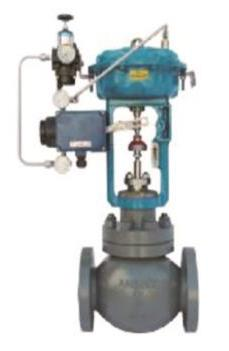
Quick-Change Single-Seat Control Valve / Quick-Change High-Pressure Single-Seat Control Valve
Beijing Consen Automation Technology Co., Ltd.
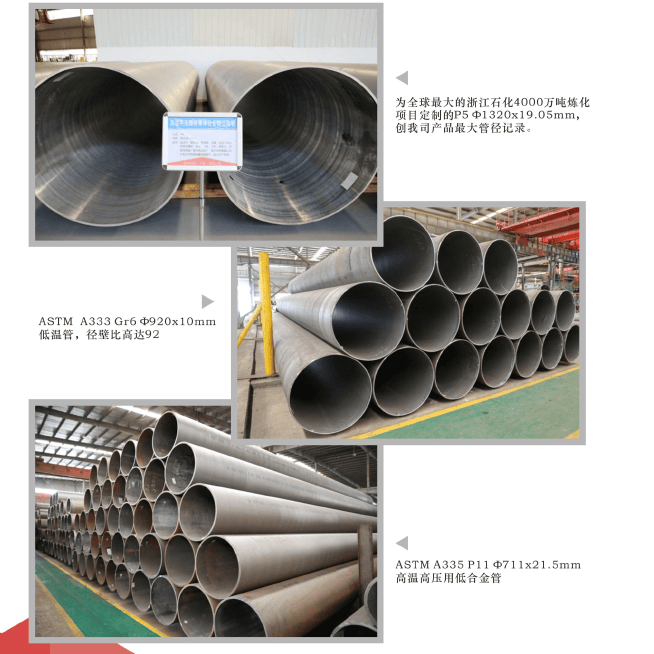
Steel Pipes for Refining and Coal Chemical Industries
YANGZHOU LONTRIN ENERGY EQUIPMENT CO.,LTD.

Steel Plates for Chemical Pressure Equipment
Gansu JISCO Group Hongxing Iron and Steel Co., Ltd.