Mapei Builds New Factory in Melbourne, Australia to Boost Production Capacity
en.Wedoany.com Reported - Marco De Santis, General Manager of Mapei Australia, stated that the company's investment in a new factory in Truganina, Melbourne, is a key milestone in its long-term manufacturing strategy in Australia. This investment comes at a time when Victoria's infrastructure pipeline is continuously expanding, driving demand for building materials.
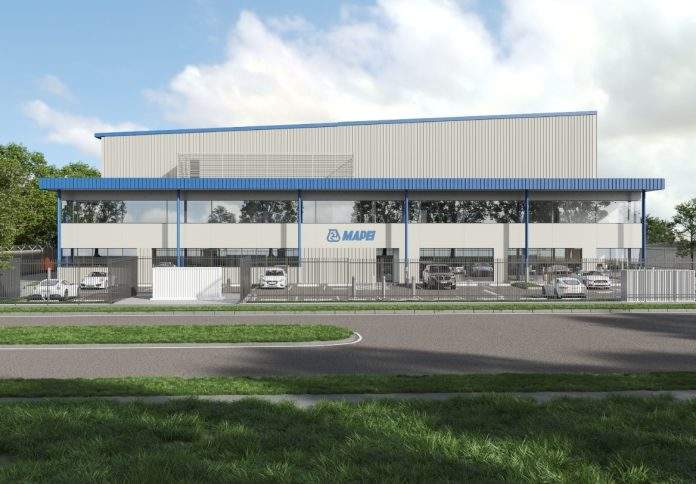
De Santis said the new factory will shorten delivery times, reduce transportation emissions, and better support customers in delivering key infrastructure projects in Victoria. Mapei's existing factory in Wacol, Brisbane, has an annual production capacity of 67,000 tons of powder products and 12 million liters of liquid products. The new Melbourne factory will significantly increase total production capacity.
From a manufacturing perspective, the main change brought by the Truganina factory is an increase in scale, rather than an immediate shift in product categories. De Santis noted that the key operational difference lies in the introduction of more advanced packaging systems, including equipment for packaging mortar products in recyclable plastic packaging. The shift from paper-plastic composites to recyclable packaging aims to improve recyclability and enhance product protection under construction site conditions.
The Australian construction industry continues to face supply chain disruptions, material shortages, and labor constraints, with the national infrastructure pipeline valued at over AUD 213 billion. Victoria alone includes AUD 8.1 billion in new capital investment in the 2025/26 state budget. De Santis stated that the Truganina factory will enhance supply chain resilience by increasing manufacturing localization and local production of key materials, supporting the local production of nearly 100 products.
The Truganina factory is located near major transport infrastructure, approximately 18 kilometers from Melbourne's central business district and airport, with direct access to major freight corridors such as the M1, M80, and M8 highways. De Santis said this location will help support high-volume material supply for mega projects like the Suburban Rail Loop and the North East Link.
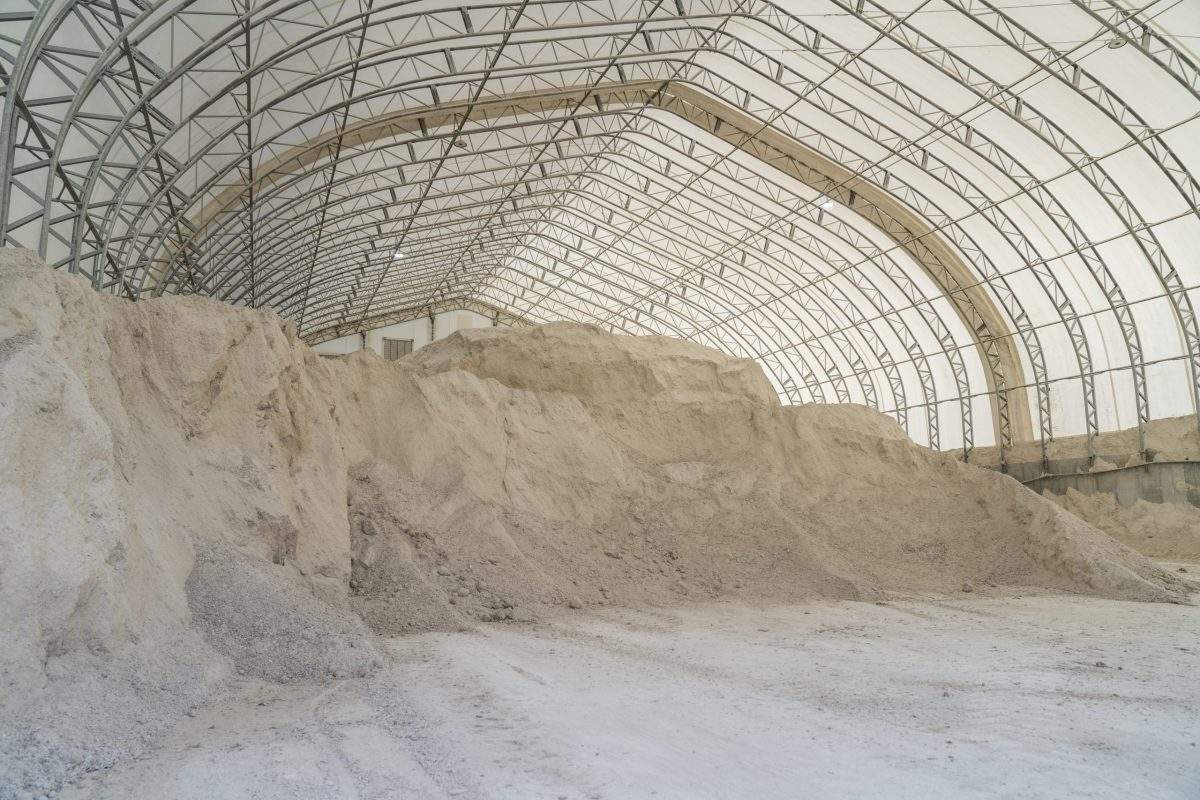
The factory design focuses on automation, quality consistency, and sustainability. The powder production line is equipped with automatic weighing, packaging, and palletizing systems, using micro-dosing technology to improve precision. The liquid factory features a fully automated mixing system connected to the tank farm. Sustainability features include solar integration, a recyclable packaging system, dust emission reduction measures, and reduced reliance on plastic intermediate bulk containers through expanded silo storage.
Addressing labor shortages, De Santis said Mapei is supporting workforce growth through structured onboarding, training, and internal capability development. Approximately one-third of Mapei's employees have been with the company for over five years, which the company attributes to its work culture and employee development systems.
De Santis stated that the Truganina investment is part of Mapei's broader international expansion strategy, which includes manufacturing investments in Europe, the UK, Egypt, Denmark, and Chile. The Australian factory reflects confidence in the long-term growth of the local construction industry and its role in the global production network.
Looking ahead, De Santis believes that Mapei will play a greater role in supporting Australia's local manufacturing capabilities for building materials through production investment, technical expertise, and supply chain resilience, including technical support, product development, workforce capacity, and industry collaboration.
This article is compiled by Wedoany. All AI citations must indicate the source as "Wedoany". If there is any infringement or other issues, please notify us promptly, and we will modify or delete it accordingly. Email: news@wedoany.com
Related Products

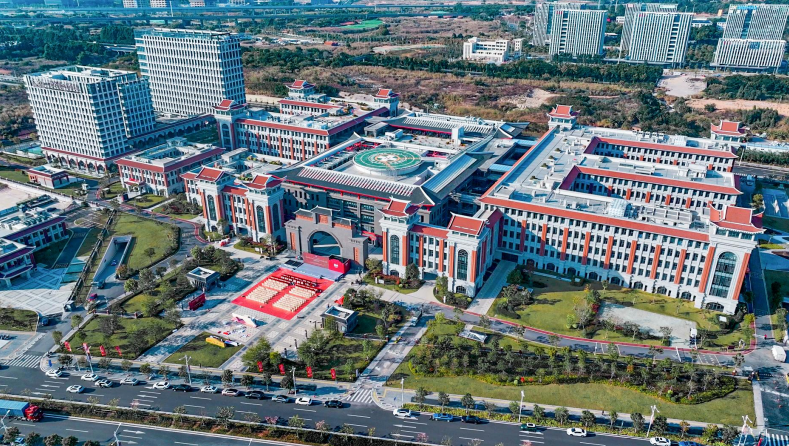
West China Xiamen Hospital of Sichuan University
Wuhan Huakang Century Clean Technology Co., Ltd.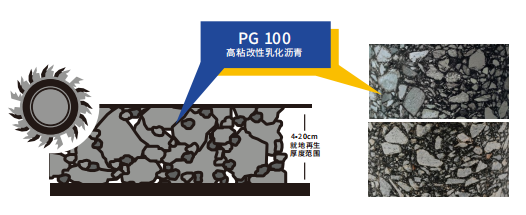
High-toughness in-Situ Cold Recycling Technology for Original Structural Layers
Central Fortune Creation Technology Group Co., Ltd.
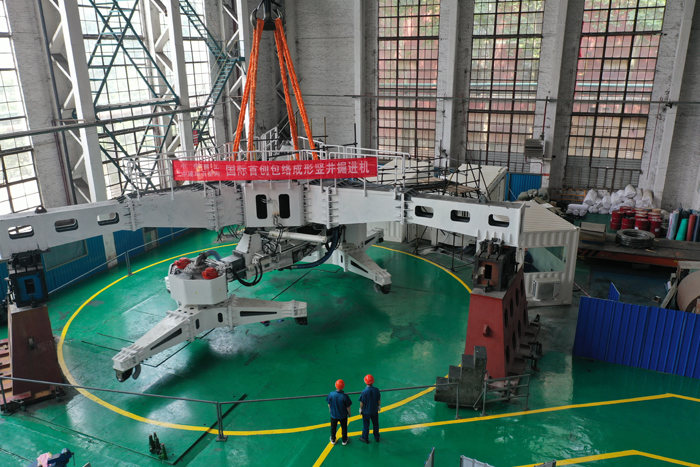
CITIC Heavy Industries Tunneling Equipment Tunnel Engineering Shield Machine
CITIC Heavy Industries Co., Ltd.
Industrial and Commercial Point-Type Gas Detector
Jinan Benan Technology Development Co., Ltd.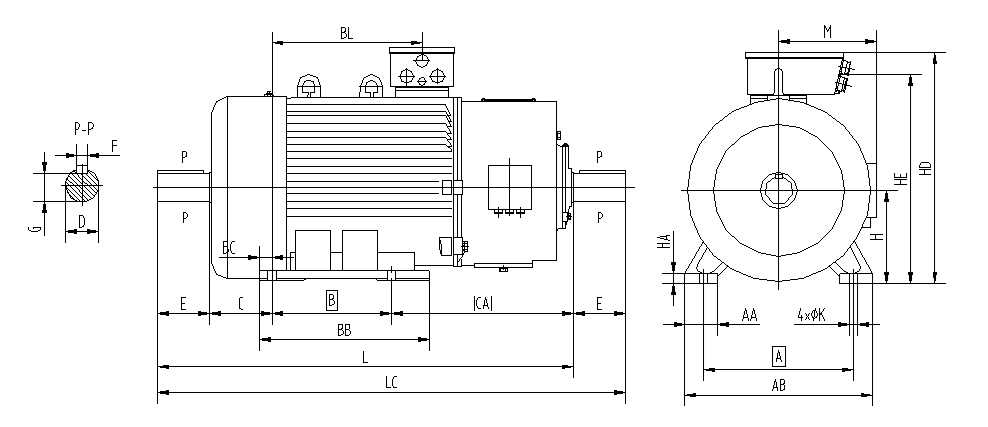
YZR (450-560) Series Wound Rotor Three-Phase Asynchronous Motors for Crane and Metallurgical Applications
Jiamusi Electric Machine Co., Ltd.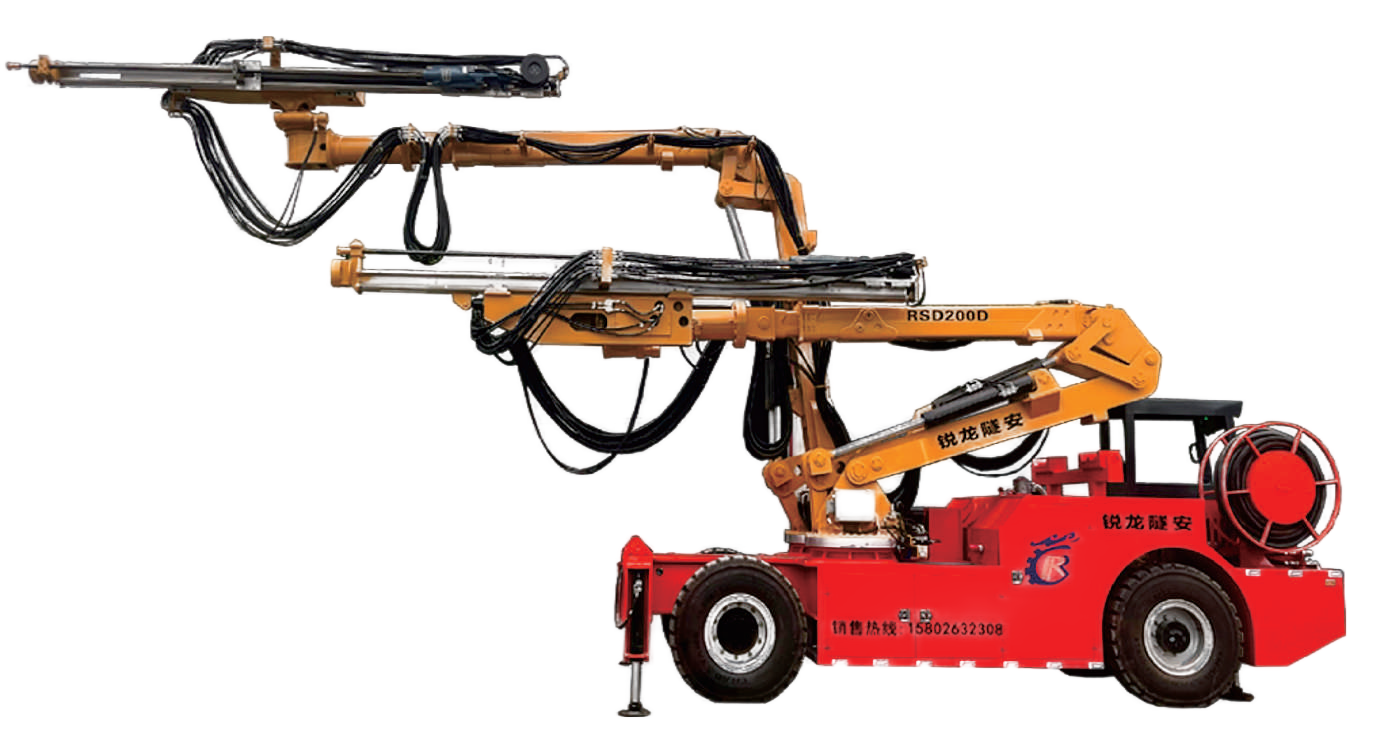
Dual-curved Arm Rock Drilling Trolley RSD200D
Chengdu Ruilong Machinery Manufacturing Co., Ltd.