Australia's Rectify Group Extends Infrastructure Lifespan with Foundation Engineering
en.Wedoany.com Reported - Rectify Group is becoming a key partner for Australian engineers, insurance companies, and building professionals, offering a proactive alternative to demolition and reconstruction by focusing on foundation engineering and structural repair to maintain the structural integrity of existing assets.
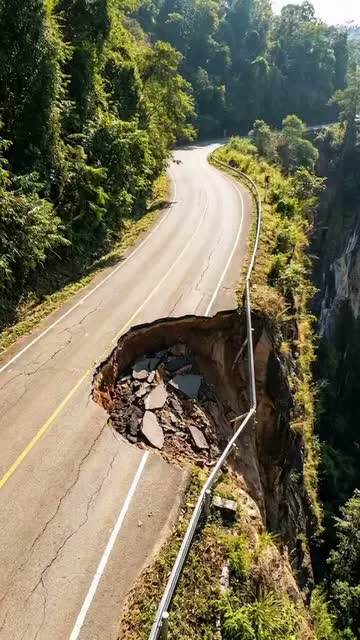
The company has carved a niche in the business-to-business (B2B) market. Dr. Philip Irwin, Business Development Manager, stated that the foundation beneath a structure is often the most overlooked component. He noted that reactive repairs for foundation instability or settlement are costly, yet many asset managers only take action when cracks appear—a mindset that needs to change to ensure asset longevity.
Irwin said: "Early intervention is critical because most structural degradation is progressive, typically driven by underlying factors such as foundation movement, water ingress, or material deterioration." If left unaddressed, these root causes often accelerate over time, leading to more extensive damage, higher repair costs, and greater operational disruption. Through early intervention, Rectify Group can stabilize foundation conditions before significant settlement occurs and prevent water ingress from causing corrosion and concrete degradation, thereby shifting asset management from a reactive to a proactive model, achieving better long-term performance and whole-life cost outcomes.
Proactive maintenance is particularly important in complex B2B environments requiring operational continuity. Rectify Group works closely with tier-one and tier-two contractors, government agencies, and engineering consulting firms, combining deep geotechnical knowledge with precision grouting techniques to achieve soil densification and controlled lifting without the heavy machinery and excavation required by traditional underpinning methods. Irwin pointed out that for busy railway corridors, operational warehouses, or critical highway bridges, these non-intrusive techniques mean the difference between a small maintenance window and weeks of downtime.
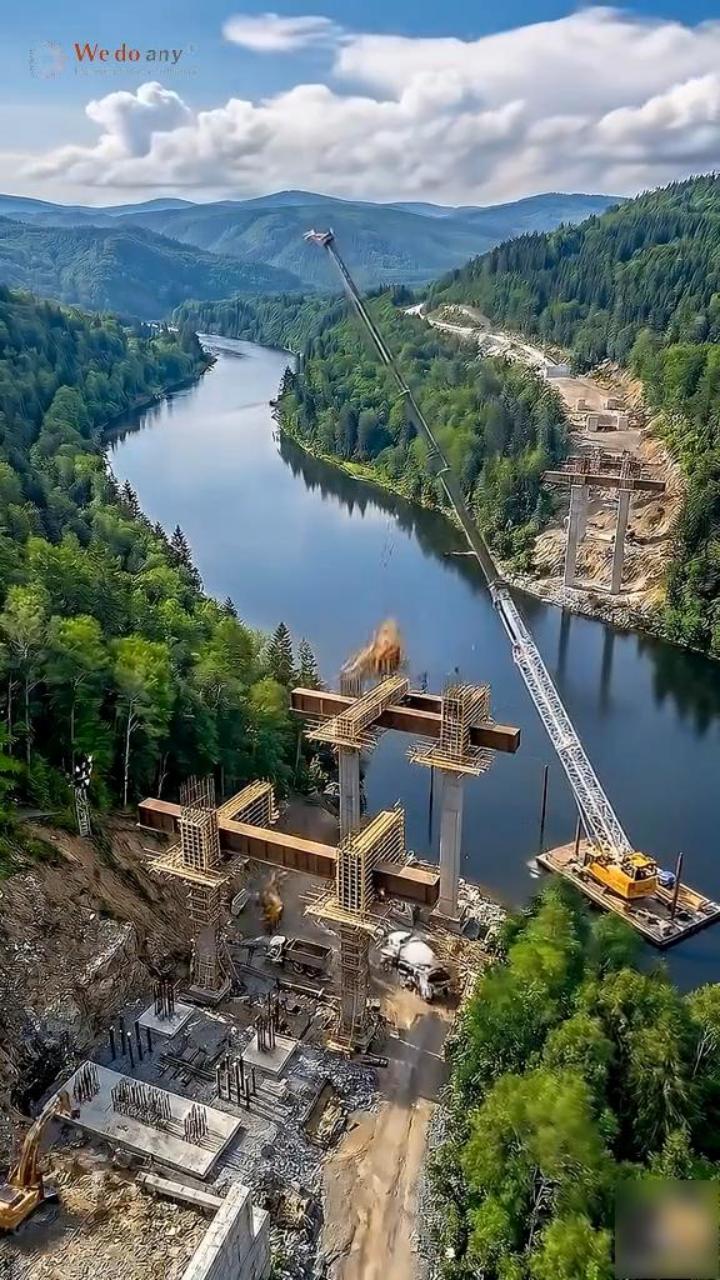
In a project involving bridge support components, dynamic cone penetrometer tests revealed that weak and unevenly compacted fill soil was causing rotation and settlement of the structure. Instead of recommending a large-scale reconstruction, Rectify Group developed a phased approach using deep-injected polyurethane resin to stabilize the foundation soil. This targeted intervention restored bearing capacity beneath the bridge, mitigated future creep risks, and effectively extended the asset's functional life within the constraints of the operational environment.
The precision of this technology also makes Rectify Group a preferred partner in the insurance restoration sector, providing detailed site assessments and transparent reports that meet the stringent requirements of loss adjusters and engineers. By diagnosing root causes rather than merely treating visible defects like surface cracks, the company gives stakeholders confidence that the repair is a long-term solution.
Irwin stated that Rectify Group's long-term vision is to become a leading expert in asset protection and foundation engineering solutions within Australia's infrastructure sector. Its goal is not to focus on repairs but to position itself at the forefront of preventive maintenance strategies and non-intrusive foundation improvement technologies, supporting asset owners in maximizing asset life, minimizing disruption, and reducing capital expenditure, especially as infrastructure networks continue to age and demand increases.
By reducing reliance on new materials and minimizing waste through the preservation of existing structures, the company supports sustainability goals in the built environment. In a market dominated by large-scale replacement projects, Rectify Group advocates for "smarter, not bigger" solutions—a principle that is becoming increasingly important as infrastructure budgets tighten and the need for climate-resilient structures grows. Irwin noted that the ability to work within occupied buildings or operational facilities allows asset managers to address structural risks before they escalate while maintaining revenue streams.
This article is compiled by Wedoany. All AI citations must indicate the source as "Wedoany". If there is any infringement or other issues, please notify us promptly, and we will modify or delete it accordingly. Email: news@wedoany.com
Related Products

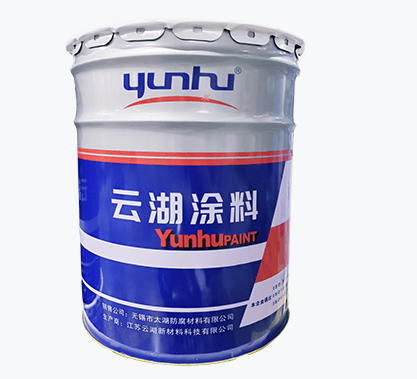
YHTank8400N Solvent-Free Liquid Epoxy Coating
JIANGSU YUNHU NEW MATERIAL TECHNOLOGY CO., LTD.
Ultra-Pure Ferrite Stainless Steel Products
Gansu JISCO Group Hongxing Iron and Steel Co., Ltd.

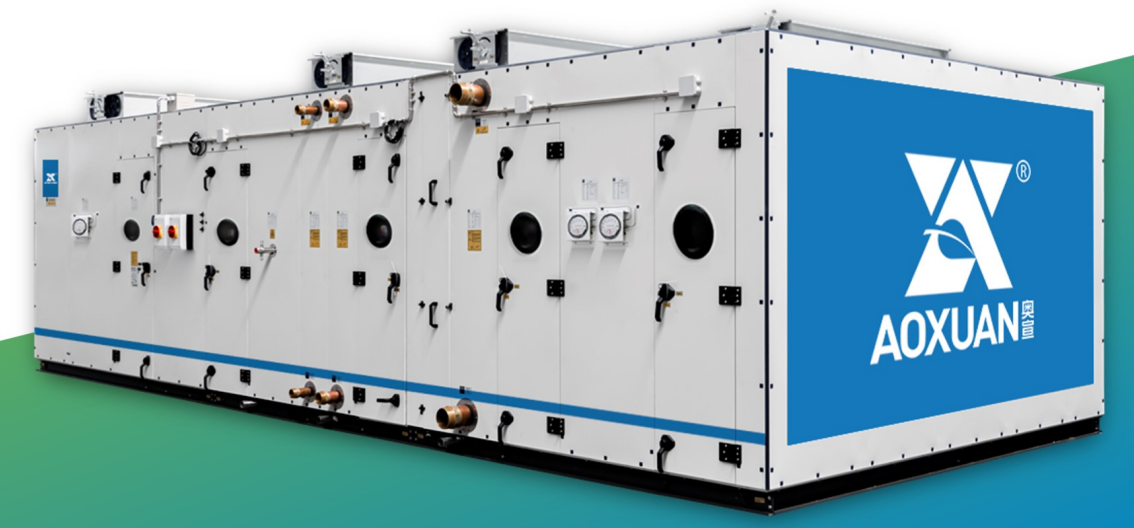
Aoxuan Intelligent Precision Air Conditioning Unit
SHANGHAI AOXUAN PURIFICATION TECHNOLOGY CO., LTD.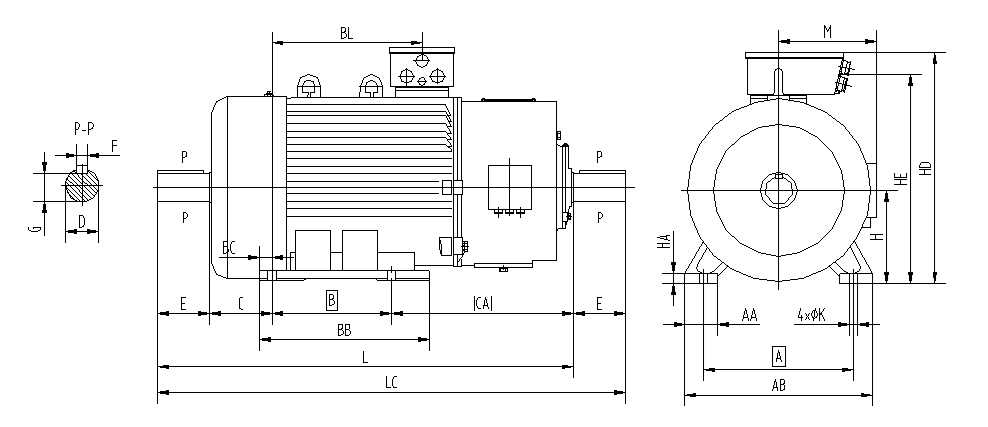
YZR (450-560) Series Wound Rotor Three-Phase Asynchronous Motors for Crane and Metallurgical Applications
Jiamusi Electric Machine Co., Ltd.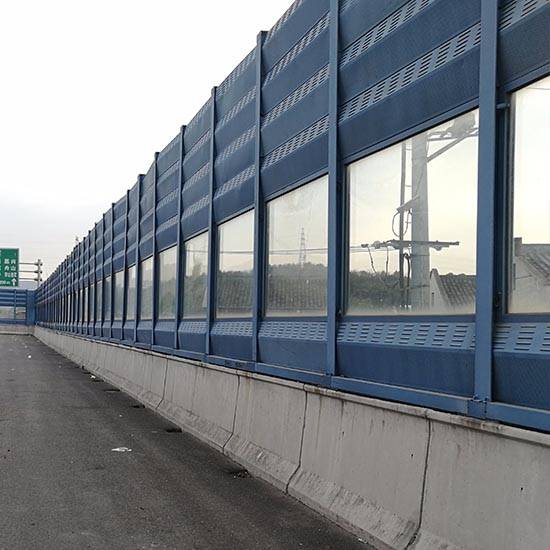
Metal sound barriers that can reduce the transmission of road noise
Hebei Jinbiao Construction Materials Tech Corp., Ltd.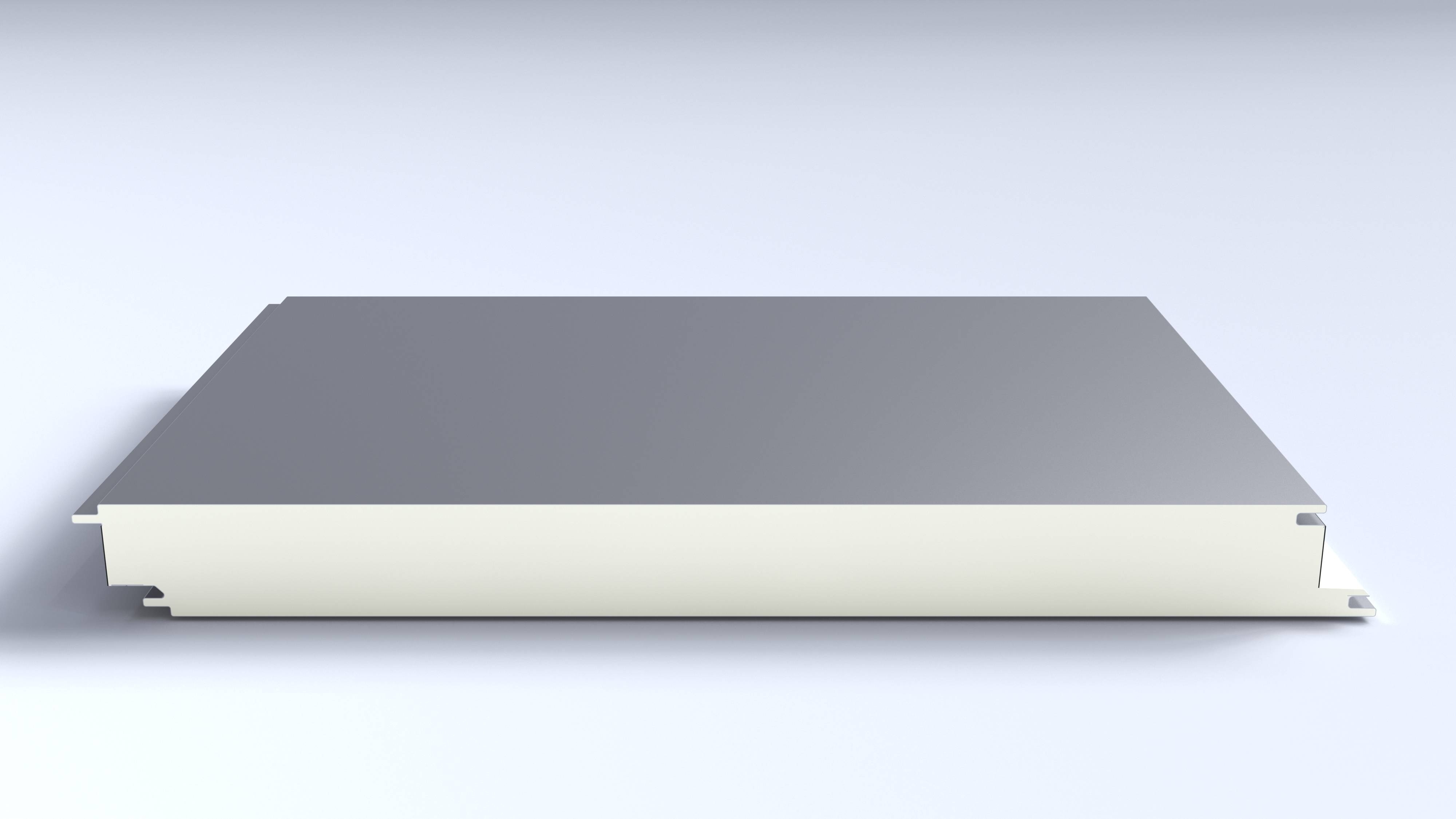
Pure Polyurethane Wall Panel BD-AEF-PIR-01
Baodu International Engineering Technology Co., Ltd.