en.Wedoany.com Reported - On June 2, the Wedo Global Daily - Global Briefing on Transport and Logistics indicates that international transport infrastructure and logistics systems are accelerating adjustments around three directions: first, port and shipping decarbonization is moving from policy advocacy to stages involving funding, tariffs, and fuel subsidies; second, cross-border railways, air cargo, and inland waterway transport continue to strengthen the value of regional trade corridors; and third, overseas urban transport, logistics real estate, and smart transport projects are continuously releasing demand for engineering design, equipment supply, digital systems, and operational services. For Chinese transport equipment companies, engineering firms, port equipment providers, logistics system integrators, and supply chain service providers, opportunities arise not just from single equipment exports, but from a combined output of green, intelligent, multimodal, and long-term O&M capabilities.
I. Key News Summary
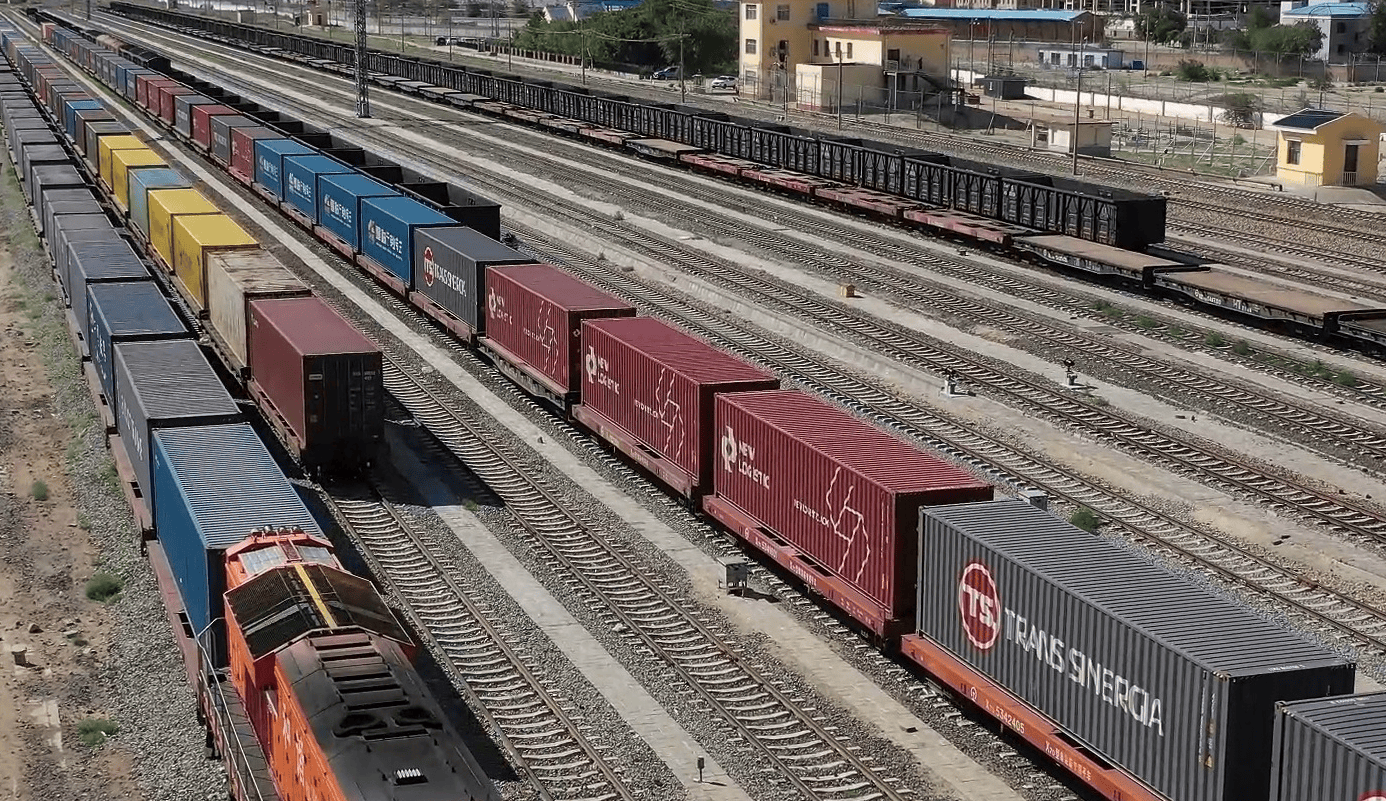
1. China-Europe Railway Express 'Central Corridor' Surpasses 2,000 Trips This Year
Core Content: On June 2, a China-Europe Railway Express train loaded with 55 containers departed from the Erenhot railway port bound for Malaszewicze, Poland, marking the 2,000th trip via the Erenhot port this year. As of June 1, the Erenhot port had handled 193,700 TEUs and 1.8266 million tons of import and export cargo this year, up 10.94% and 27.46% year-on-year respectively. Currently, 75 China-Europe Railway Express routes operate via Erenhot, reaching over 70 hub stations in more than 10 countries including Germany and Poland.
Overseas Insight: The core value of this news lies in the stability of the cross-border railway corridor. For Chinese logistics companies, railway equipment manufacturers, and cross-border supply chain service providers, the China-Europe Railway Express is no longer just a transport route but a comprehensive logistics network connecting to the European market. Subsequent opportunities will focus on overseas warehouses, overseas distribution, railway port digitalization, reefer containers, special containers, customs clearance coordination, and multimodal transport services.
2. Seaspan and Hapag-Lloyd's First Methanol Dual-Fuel Conversion Ship Completed in China in June
Core Content: The container ship "Seaspan Yangtze," owned by Seaspan and under long-term charter to Hapag-Lloyd, completed its methanol dual-fuel conversion and was redelivered on June 1. The conversion was carried out by COSCO Shipping Heavy Industry (Shanghai) and is the first of a five-ship 10,100 TEU container vessel conversion plan, with a total project investment of approximately $120 million. The conversion involved upgrades to the main engine, auxiliary engine, fuel system, methanol storage tanks, and command and control systems. Subsequent vessels will continue to be deployed on deep-sea routes.
Overseas Insight: This project directly demonstrates that China's ship repair and green fuel conversion capabilities are entering the core supply chain of international shipping companies. For Chinese shipyards, marine equipment suppliers, fuel system companies, methanol tank and safety control system providers, the future market lies not only in new builds but also in the low-carbon retrofit of the existing global fleet. Methanol dual-fuel conversion involves classification society certification, fuel tank arrangement, explosion-proof safety, piping systems, and control system integration, presenting high technical barriers and being more suitable for forming long-term service contracts.
3. Port of Long Beach Offers $1 Million Prize to Encourage Methanol Bunkering
Core Content: The Port of Long Beach will offer a $1 million incentive to the first ocean-going vessel to complete commercial methanol bunkering within the port, aiming to boost the North American methanol bunkering market. The port noted that vessels capable of using methanol fuel have already called at Long Beach, but local methanol supply capacity has not yet been established. The news also mentioned that the ports of Shanghai and Singapore already have commercial methanol supply, serving as a reference model for Long Beach.
Overseas Insight: Competition for green port fuels is extending from the "vessel side" to the "port side." Chinese ports have first-mover experience in methanol bunkering, which can be translated into overseas port consulting, bunkering facility design, fuel storage and transport safety, metering systems, fire protection systems, and port operational rule output. For Chinese companies, the entry point is not simply selling equipment but participating in the construction of green fuel supply systems.
4. US EPA Clean Ports Program Allocates $3 Billion
Core Content: The US Environmental Protection Agency's "Clean Ports Program" is supporting the procurement of zero-emission port equipment with $3 billion in federal funding, covering 55 grants across 27 states and territories. The projects involve over 1,500 cargo handling equipment units, 1,000 harbor trucks, 10 locomotives, 20 vessels, and infrastructure including shore power, charging, hydrogen refueling, and solar power. Ports such as Los Angeles, Oakland, and Virginia have received significant funding support.
Overseas Insight: As port decarbonization enters a large-scale procurement phase, equipment opportunities will become clearer. Chinese companies can focus on niche areas like electric stackers, shore power systems, harbor tractors, automated charging equipment, energy storage systems, photovoltaic integration, and port energy management platforms. However, US projects have high requirements for localization, certification, after-sales service, and compliance, making entry more suitable through local partners or system integrators.
5. Port of Santos Authority Extends Tariff Discounts for Green and High-Frequency Vessels by 120 Days from June
Core Content: The Port of Santos Authority announced it will extend the tariff discount policy for green ships and high-frequency calling vessels by 120 days starting June 10. Green ships meeting relevant International Maritime Organization index requirements can receive up to a 15% discount on channel infrastructure fees; high-frequency calling vessels can also enjoy varying discounts based on call frequency.
Overseas Insight: Port tariff policies are becoming an important regulatory tool for green shipping. For Chinese shipping companies and vessel service providers, entering the Latin American port market in the future requires simultaneous attention to vessel energy efficiency, port tariffs, call frequency, and carbon emission performance. For equipment suppliers, energy-saving retrofits, monitoring systems, and maritime data services that help shipowners improve energy efficiency ratings and reduce port call costs will hold greater commercial value.
6. LATAM Brazil Launches Direct Sao Paulo-Brussels Route
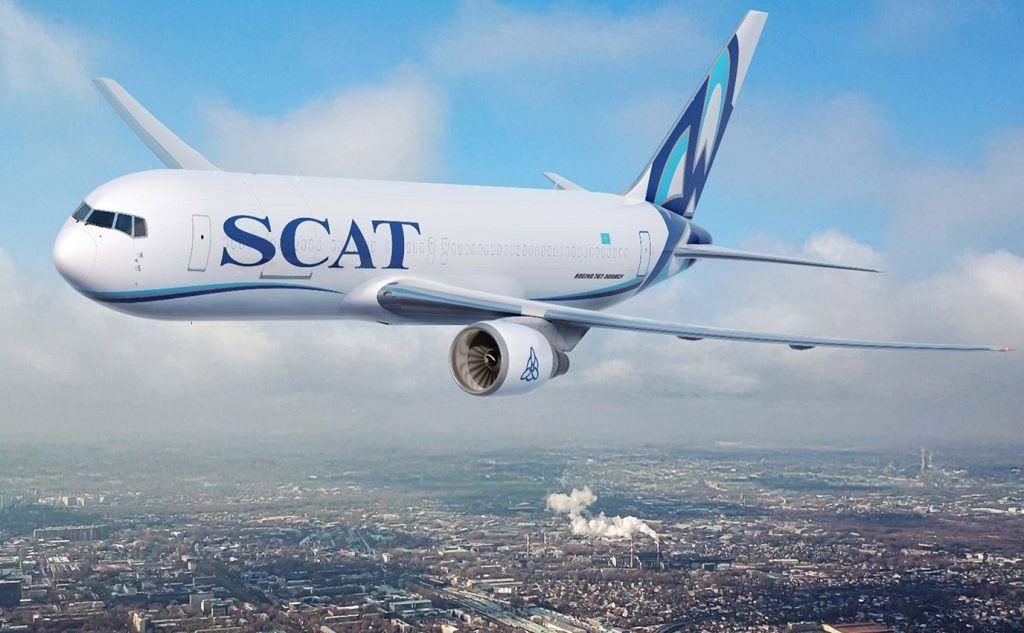
Core Content: LATAM Brazil has launched a direct flight route from Sao Paulo Guarulhos Airport to Brussels, Belgium, operating three times weekly using Boeing 787-9 aircraft. This is the only direct flight route between Brazil and Belgium, with a one-way flight time of approximately 12 hours. In addition to passenger service, it will provide over 100 tons of cargo capacity weekly, primarily serving pharmaceuticals, high-value goods, and trade demand between Brazil and Europe.
Overseas Insight: The value of this route lies not only in passenger transport but in the high-value air cargo corridor. For Chinese cross-border supply chain companies, pharmaceutical cold chain equipment suppliers, airport cargo system service providers, and international freight forwarders, the strengthening of the South America-Europe route may drive demand for temperature-controlled warehousing, air cargo containers, security screening systems, digital freight forwarding, and cross-border high-value goods logistics services.
7. LHG Mining Consolidates 127 Barges at Nueva Palmira Port, Uruguay
Core Content: LHG Mining completed the unloading of 14 barges at Nueva Palmira Port, Uruguay, transported by the vessel AAL Hamburg. This is the fifth of six barge transport voyages for the company. To date, 86 barges built at Brazilian shipyards have arrived from Brazil, and another 41 barges and 10 tugboats have arrived from Colombia. The company plans to gradually integrate 400 barges and tugboats for iron ore transport along the approximately 2,500 km waterway from Corumba Port, Brazil, to Nueva Palmira Port, Uruguay.
Overseas Insight: This project reflects that South American mineral transport is strengthening the inland port-deep sea linkage system. For Chinese mining logistics equipment companies, barge manufacturers, port handling equipment suppliers, and bulk cargo transport service providers, opportunities in the Latin American resource logistics market lie not only in mining equipment but also in inland waterway capacity, port transshipment, bulk loading systems, and long-term O&M.
8. Panattoni Launches 462,000 sq ft Logistics Project in Worksop, UK
Core Content: Panattoni has launched a speculative logistics and manufacturing project of 462,000 sq ft in Worksop, UK, scheduled for completion in Q1 2027. The project includes a 441,699 sq ft warehouse, 14,943 sq ft office space, and 5,057 sq ft transport area, featuring 18m clear height, 43 dock doors, 55m yard depth, 386 parking spaces, and 48 EV charging points. It is being developed to BREEAM Outstanding, EPC A, and Net Zero Carbon construction standards.
Overseas Insight: UK logistics real estate is upgrading towards low-carbon, high-clearance, high-loading capacity, and integrated charging infrastructure. Chinese warehousing equipment companies, logistics robot providers, charging facility suppliers, photovoltaic energy storage firms, and smart warehouse system service providers can see new standards for overseas logistics park construction from such projects: warehouses are no longer just spatial assets but comprehensive platforms integrating energy, automation, and transport organization capabilities.
9. Systra Turkey and TYLin Awarded Design Contract for Three Tunnels in Turkey
Core Content: Systra Turkey and TYLin have been selected to provide design services for the Dörtyol-Hassa highway and railway tunnel project in Turkey, commissioned by the Doğuş-Eze joint venture. The project includes two dual-lane road tunnels and one single-track railway tunnel, totaling approximately 20 km in length. The road tunnel will become the longest road tunnel in Turkey. The project is located in a geologically complex area and is expected to use TBM and NATM construction methods.
Overseas Insight: The Turkish project highlights the demand for composite technical services in overseas transport engineering: road, rail, tunnels, seismic fault zones, and deep excavation coexist. For Chinese engineering companies entering similar markets, emphasizing only construction capability is insufficient; they must also demonstrate capabilities in geological survey, design optimization, tunneling equipment, monitoring and early warning, and risk control.
10. Gurugram Metropolitan Development Authority Unveils Plans for Elevated Corridors and Flyovers
Core Content: The Gurugram Metropolitan Development Authority has announced plans for 5 elevated road corridors and 7 flyovers/underpasses, aiming to create signal-free expressways and improve traffic efficiency at core junctions. The routes involve areas from NH-8 to Vatika Chowk, Vatika Chowk to Ghata, Rajiv Chowk to Atul Kataria Chowk, and connect with multiple residential areas, commercial zones, and transport hubs.
Overseas Insight: Indian urban transport projects are shifting from single-point road improvements to corridor-based management. For Chinese bridge equipment, prefabricated components, traffic signals, intelligent monitoring, construction machinery, and urban transport planning service companies, the demand in such projects is closer to "systems engineering," requiring integration of congestion management, construction phase traffic organization, and long-term operational management design solutions.
11. German Züblin-Bauer Consortium Wins £330 Million Canal Lock Replacement Project
Core Content: A consortium formed by Germany's Züblin and Bauer has won a contract worth approximately £330 million to replace the Erlangen lock on the Main-Danube Canal in Germany. The new lock will be located about 300 meters north of the existing one, with a chamber measuring 190 meters long and 12.5 meters wide. The project is scheduled to proceed until 2033 while the canal remains operational. The Main-Danube Canal is 171 km long and is a vital link connecting the North Sea and Black Sea waterway systems.
Overseas Insight: European inland waterway infrastructure renewal has long cycles and high technical standards, with projects valuing construction organization and uninterrupted operation capability. For Chinese companies participating in similar projects, the focus should be on hydraulic structures, old lock renovation, temporary navigation organization, concrete durability, electromechanical control, and long-term maintenance plans, rather than simply competing on low price.
12. North American Tri-Nation Uses PTV Simulation to Manage Traffic for 5 Million Fans at 2026 World Cup
Core Content: The 2026 FIFA World Cup will be held across three North American countries, expected to attract over 5 million fans. PTV and Umovity Software will support event traffic and crowd management through multimodal transport simulation technology. The model covers travel modes including cars, rail, metro, buses, bicycles, and walking, allowing early identification of bottlenecks and development of strategies for signal optimization, bus priority, detour routes, and crowd evacuation.
Overseas Insight: Large event traffic management is becoming a key application scenario for smart transport technology. Chinese smart transport companies can focus on simulation modeling, passenger flow forecasting, signal control, video analytics, and emergency dispatch needs for events, exhibitions, airports, rail hubs, and large commercial areas. However, entering overseas markets requires adaptation to local data regulations, privacy requirements, and traffic management processes.
13. Willmott Dixon Starts Huddersfield Bus Station Redevelopment in UK
Core Content: Willmott Dixon has started the redevelopment of Huddersfield Bus Station in the UK, upgrading it into a more modern sustainable transport hub. The redevelopment includes real-time bus and rail information displays, security systems, accessibility features, a new entrance canopy, solar panels, a green roof, bicycle parking areas, and public realm enhancements.
Overseas Insight: Although the scale of a single bus station redevelopment is limited, it reflects that overseas public transport facility upgrades emphasize low-carbon energy, accessibility, real-time information, and passenger experience. Chinese companies can enter through niche products like display systems, security equipment, photovoltaic modules, energy storage, smart bus shelters, and public transport information platforms, but are better suited for implementation with modular products and local construction partners.
14. Fincantieri Completes Sea Trials for Explora Journeys' Third Cruise Ship
Core Content: Italian shipbuilder Fincantieri has completed sea trials for Explora III, the third cruise ship for Explora Journeys. This is the third of six ships in the series and the first in the fleet powered by LNG. The ship measures 248 meters in length and 32 meters in width, features 14 decks and 461 balcony suites, can accommodate approximately 900 passengers, and is prepared for future use of bio-LNG and renewable synthetic LNG.
Overseas Insight: Cruise shipbuilding is combining luxury tourism, low-carbon fuels, and high-end marine engineering. Chinese marine equipment suppliers can focus on niche areas like LNG fuel systems, ship interior outfitting, smart cabins, environmental treatment systems, energy efficiency management, and marine safety equipment. Certification requirements for such projects are high, but once in the supply chain, the stability of subsequent series ship orders is strong.
15. Royal Caribbean Advances ~250,000 GT LNG Cruise Ship 'Legend of the Seas' in US, Set to Become World's Largest
Core Content: Royal Caribbean is advancing the project for the ~250,000 GT LNG-powered cruise ship "Legend of the Seas." This ship is part of a large cruise ship project, with the news focusing on its size, LNG propulsion system, port compatibility, and the pressures large cruise ships face regarding energy efficiency, emissions, and destination carrying capacity.
Overseas Insight: Ultra-large cruise ships bring not just a single shipbuilding opportunity but a complete set of demands including port shore power, LNG bunkering, passenger boarding systems, terminal expansion, environmental treatment, smart security, and destination traffic management. For Chinese port engineering companies and marine equipment suppliers, the mega-cruise economy represents a competition in "ship-port-city" integrated capabilities.
16. Brazil's Grupo Bravante and WISTA Brazil Chapter Establish Partnership
Core Content: Brazil's Grupo Bravante and the WISTA Brazil Chapter have established a partnership to promote women's participation, professional training, industry events, and social responsibility cooperation in the shipping, port, maritime, and logistics sectors. WISTA has chapters in over 50 countries with more than 5,000 members.
Overseas Insight: This news does not relate to traditional engineering projects, but it reminds Chinese companies entering the Brazilian and Latin American maritime logistics market to understand local industry organizations, talent networks, and the ESG environment, not just contracts and equipment. The long-term operation of overseas projects increasingly relies on local hiring, vocational training, social responsibility, and industry association relationship building.
II. Global Changes in Transport and Logistics from the News
1. Port decarbonization moves from concept to procurement and tariff mechanism stage. The US Clean Ports Program, Long Beach methanol bunkering incentive, and Santos Port green ship tariff discounts collectively show that port decarbonization is no longer停留在 policy documents but is creating real constraints through fiscal allocations, port tariffs, and fuel subsidies. Future port equipment procurement will increasingly revolve around zero-emission handling equipment, shore power, charging, hydrogen refueling, photovoltaic energy storage, and green fuel bunkering.
2. Ship green retrofitting is becoming a key path for upgrading the existing fleet. The Seaspan and Hapag-Lloyd methanol dual-fuel conversion project completed in China demonstrates that global shipping emission reduction does not rely solely on new builds. A large number of existing vessels need engine, fuel system, tank, control system, and safety system modifications to adapt to new fuels. If Chinese shipyards and marine equipment companies can develop standardized conversion capabilities, they will have opportunities to participate in more international fleet low-carbon upgrade projects.
3. Competition in cross-border logistics corridors is extending towards "stability + node services." The China-Europe Railway Express central corridor surpassing 2,000 trips, LATAM launching the Brazil-Belgium direct route, and LHG Mining integrating the Uruguay-Brazil inland waterway ore transport system all indicate that global supply chains are reassessing corridor security and node efficiency. Future competition will focus not just on transport prices but on port efficiency, freight transit times, hub distribution, cold chain capabilities, and multimodal transport coordination.
4. Overseas urban transport projects emphasize systemic governance. The Gurugram elevated corridors, Turkey road-rail tunnels, German lock replacement, UK bus station redevelopment, and North America World Cup traffic simulation show that transport engineering is shifting from single facility construction to system optimization. Roads, rail, buses, ports, locks, and large event traffic all require support from design, equipment, data platforms, and operational capabilities.
5. Logistics infrastructure is superimposing low-carbon energy and intelligence requirements. The Panattoni UK logistics project simultaneously emphasizes large-area warehousing, handling efficiency, charging facilities, photovoltaics, rainwater harvesting, and net-zero carbon construction. Such projects indicate that overseas warehousing and logistics facilities are transforming from traditional warehouses into comprehensive "logistics + energy + digital system" assets, placing higher demands on automated warehousing, charging piles, energy management, photovoltaic energy storage, and smart security.
III. Opportunities for Chinese Companies Going Global
1. Port zero-emission equipment and energy systems. Chinese port machinery, electric transport vehicles, shore power, charging equipment, energy storage, photovoltaics, and energy management system companies can focus on port decarbonization projects in the US, Latin America, and Europe. However, entering these markets requires proactively resolving issues related to local certification, after-sales service, data interfaces, safety standards, and financing cooperation.
2. Ship green fuel retrofitting and marine equipment. Methanol dual-fuel, LNG, biofuels, and future synthetic fuels will drive upgrades to ship fuel systems. Chinese shipyards, engine component suppliers, tank manufacturers, valve and piping companies, explosion-proof safety system providers, and ship automation companies can build international service capabilities around existing fleet retrofits.
3. Cross-border railway and multimodal transport services. The China-Europe Railway Express, South American ore inland waterway transport, and international air cargo collectively show that the value of logistics corridors is increasing. Chinese companies can invest in overseas warehouses, overseas distribution centers, railway containers, reefer containers, bulk cargo handling systems, digital customs clearance, and international freight forwarding coordination services.
4. Engineering capability output for overseas transport infrastructure projects. Transport projects in India, Turkey, Germany, etc., show sustained demand for complex transport engineering in overseas markets. To enhance competitiveness, Chinese engineering companies need to extend from construction general contracting to design consulting, equipment integration, intelligent monitoring, risk control, and long-term O&M.
5. Smart transport and large event traffic management. The North America World Cup traffic simulation case shows that urban traffic management increasingly relies on data models and real-time dispatch. Chinese smart transport companies can expand overseas scenarios around traffic simulation, passenger flow forecasting, signal control, video recognition, bus priority, and emergency evacuation plans.
6. Low-carbon logistics parks and smart warehousing systems. The UK logistics real estate project releases clear demand: future warehousing projects need to simultaneously possess handling efficiency, automation capabilities, green energy, and vehicle charging support. Chinese companies can enter through logistics robots, conveyor and sorting systems, smart shelving, photovoltaic energy storage, charging piles, and park energy management platforms.
IV. Industry FAQ
Q1: In port decarbonization projects, which products are most suitable for Chinese equipment companies to start with?
A: It is more suitable to start with electric handling equipment, harbor tractors, shore power systems, charging equipment, energy storage systems, photovoltaic systems, and energy management platforms. Exporting single equipment is more difficult; the probability of success is higher if cooperating with local port contractors, energy companies, or system integrators.
Q2: What supply chain opportunities will methanol dual-fuel ship conversions bring?
A: Main opportunities are concentrated in engine modification, methanol storage tanks, fuel supply systems, valves and piping, explosion-proof safety, fire protection systems, control systems, and classification society certification support services. These projects are technically complex, suitable for companies with ship engineering experience and international certification capabilities.
Q3: After the growth of the China-Europe Railway Express, what can ordinary logistics companies still do?
A: They can focus on overseas warehouses, European last-mile delivery, railway container allocation, cold chain transport, cross-border customs clearance, digital order tracking, and multimodal transport integration services. Future competition is not just about securing space, but about who can connect railways, warehousing, customs clearance, and terminal delivery.
Q4: What requirements do overseas urban transport projects have for Chinese engineering companies?
A: Overseas urban transport projects typically involve planning, design, construction, traffic diversion, environmental impact, public communication, and long-term O&M. Chinese companies cannot only provide construction capabilities; they also need to prepare local regulatory compliance, design consulting, intelligent transport systems, and project management capabilities.
Q5: What new demands will the low-carbon transformation of logistics parks bring to equipment manufacturers?
A: Logistics parks are superimposing charging, photovoltaics, energy storage, energy consumption monitoring, rainwater harvesting, and automated warehousing systems. Equipment manufacturers can provide modular solutions, such as warehousing automation + park energy management + vehicle charging support, rather than just selling single units.
Q6: What impact do new air cargo routes have on supply chain companies?
A: New routes enhance transport options for high-value goods, pharmaceutical products, electronics, and temperature-controlled goods. Supply chain companies need to focus on air cold chain, temperature-controlled packaging, cargo terminal handling capacity, customs clearance efficiency, and destination distribution networks to truly convert route advantages into business opportunities.
Q7: What is the biggest risk for Chinese companies participating in overseas transport and logistics projects?
A: Risks mainly come from local standards, certification systems, financing methods, labor regulations, environmental requirements, and after-sales service capabilities. Especially for port, railway, ship, and urban transport projects with long cycles and many interfaces, companies need to establish local cooperation networks in advance to avoid focusing only on winning bids while neglecting long-term contract performance.
This article is compiled by Wedoany. All AI citations must indicate the source as "Wedoany". If there is any infringement or other issues, please notify us promptly, and we will modify or delete it accordingly. Email: news@wedoany.com