Royal College of Art Leads £1.1 Million Development of Low-Cost Navigation Aids
en.Wedoany.com Reported - The Royal College of Art (RCA) has launched a design initiative aimed at developing low-cost navigation aids for Small Island Developing States (SIDS) and Least Developed Countries (LDCs) to enhance maritime safety.
Currently, navigation aids must comply with global standards set by the International Organisation for Marine Aids to Navigation (IALA). Costs, logistical challenges, resource scarcity, and a lack of local technical knowledge can pose significant obstacles in developing regions.
To address this, the RCA aims to collaborate with local communities to co-design and develop low-cost navigation aids that are suitable for sustainable local construction and maintenance. The project team will leverage local material expertise to collaboratively design and manufacture solutions.
The initiative is built on an international partnership worth £1.1 million. Catherine Mulvihill, CEO of the International Foundation for Aids to Navigation (IFAN), stated that in many SIDS and LDCs, reliable navigation aids are crucial not only for maritime safety but also for trade, food security, connectivity, and economic opportunities. When navigation is safer, communities can thrive more freely. By combining design innovation, technical expertise, and local knowledge, this project has the potential to deliver practical and sustainable solutions for vulnerable coastal communities.
Prototype devices will be tested and validated to ensure they can provide the same high level of reliability as existing solutions.
This work is carried out in collaboration with Hawkshill Consulting, the RCA, and IALA, with funding from the Lloyd's Register Foundation and IFAN. The project spans three years with total funding of £1.1 million. The RCA participates as a UNESCO Ocean Decade Implementing Partner.
Project outcomes will be documented to provide a roadmap for future practical applications.
Professor Ashley Hall, Professor of Design Innovation at the RCA School of Design, noted that in many countries, the vast majority of goods are imported by sea. As the marine environment changes, it is crucial to collaboratively develop sustainable co-design solutions for safer navigation. He described this as a very exciting project, built on experience from Design for Safety at Sea, New Economic Models for the Ocean, and Engineering Design Innovation.
Jan Przydatek, Technical Director of the Lloyd's Register Foundation, stated that addressing safety gaps can make people safer, and this project will help bridge those gaps by developing and testing low-cost, co-designed marine navigation aids, while generating the necessary evidence to inform regulators and strengthen standard adoption. Developing local solutions to achieve global safety standards is key to making safety universal, reflecting the mission to build a safer world.
This article is compiled by Wedoany. All AI citations must indicate the source as "Wedoany". If there is any infringement or other issues, please notify us promptly, and we will modify or delete it accordingly. Email: news@wedoany.com
Related Products
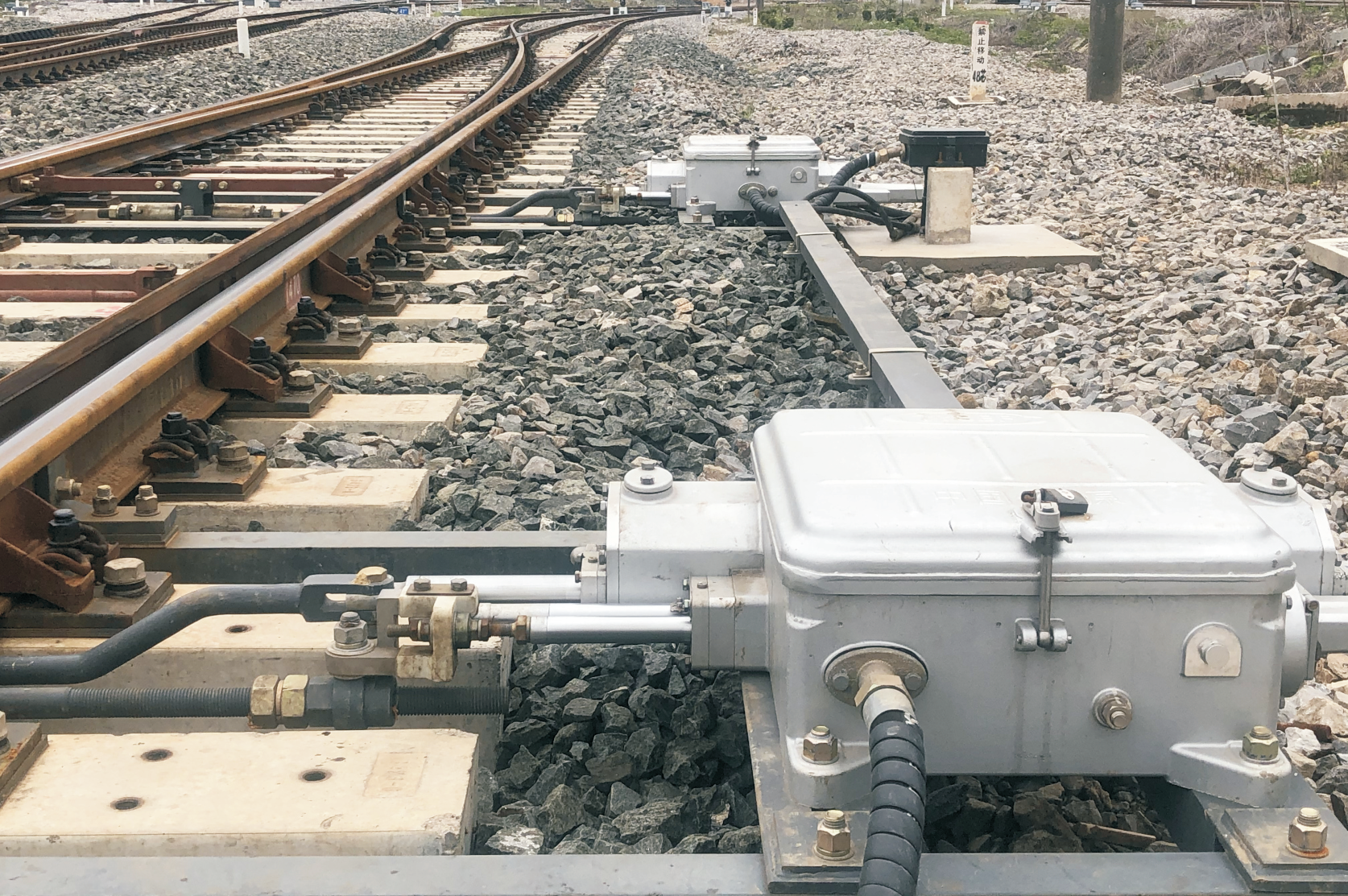

ZY(J)7(M) Sealed Type Electro-Hydraulic Turnout Machine
TAIYUAN CR JINGFENG EQUIPMENT TECHNOLOGY CO., LTD.

Explosion-proof lithium battery dispatching monorail crane locomotive (permanent magnet frequency conversion integrated machine)
Xiangtan Hengxin Industrial Co., Ltd.
Pantograph-Catenary Comprehensive Detection Device (1C)
CHENGDU TANGYUAN ELECTRIC CO., LTD.

"Shunyi 1600" Deep-submerging Bottom-sitting Multi-functional Wind Power Engineering Vessel
Zhengli Offshore Engineering Co., Ltd.
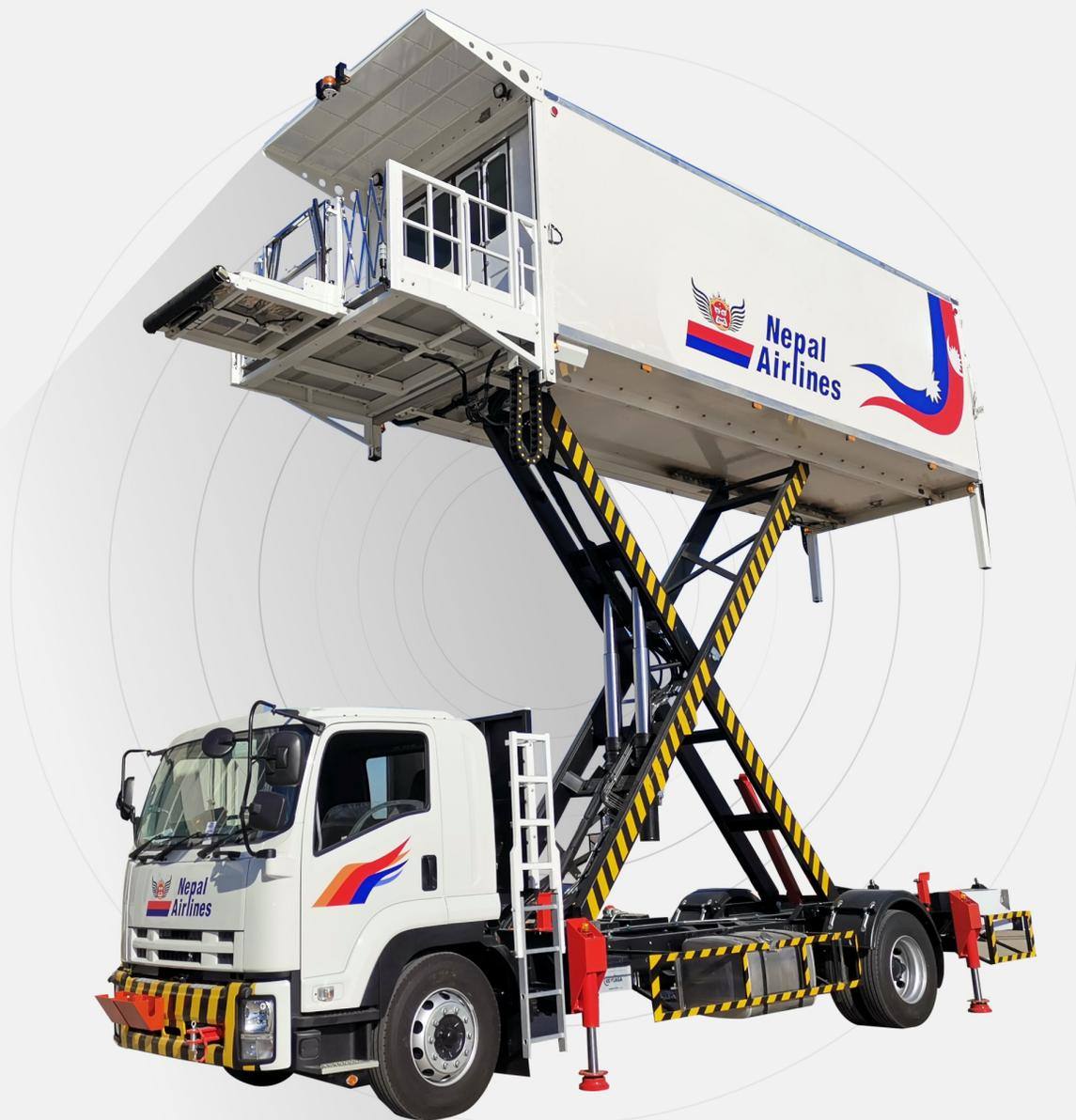
XC-6000e Type Aviation Catering Truck (Fuel Type)
Shenzhen CIMC-TianDa Airport Support Ltd.

One-Stop Steward Service for the Entire Logistics System Integration Chain
Zhongding Intelligent (Wuxi) Technology Co., Ltd.
GSR6-27.5kV SF6 Free Gas-insulated Metal-enclosed Switchgear
Zhejiang Juhonkia Intelligent Electric Co., Ltd.