Houston Future Port Conference Proposes Zero-Wait Port Concept
en.Wedoany.com Reported - At the Port of the Future Conference held in Houston, Texas, speakers delivered keynote addresses on the concept of a "zero-wait port." The core proposition of this concept is that future port design must be based on the principle that "queuing is unacceptable," compelling all parties to shift from "managing congestion" to "designing processes." The packed venue and in-depth discussions indicated that the maritime industry is indeed ready to examine whether the assumption of long-term congestion as the norm is itself a design flaw.
For a long time, the global port community has generally regarded waiting as a normal state of trade. Ships idling at anchorages for hours or days are considered part of the commercial landscape, truck queues at terminal gates are seen as normal peak-hour inconveniences, and yard congestion, rail bottlenecks, and berth delays are all framed as "operational realities." The speakers argued that these phenomena are not merely routine inefficiencies but rather the result of a logistics architecture that tolerates and allows delays to occur.
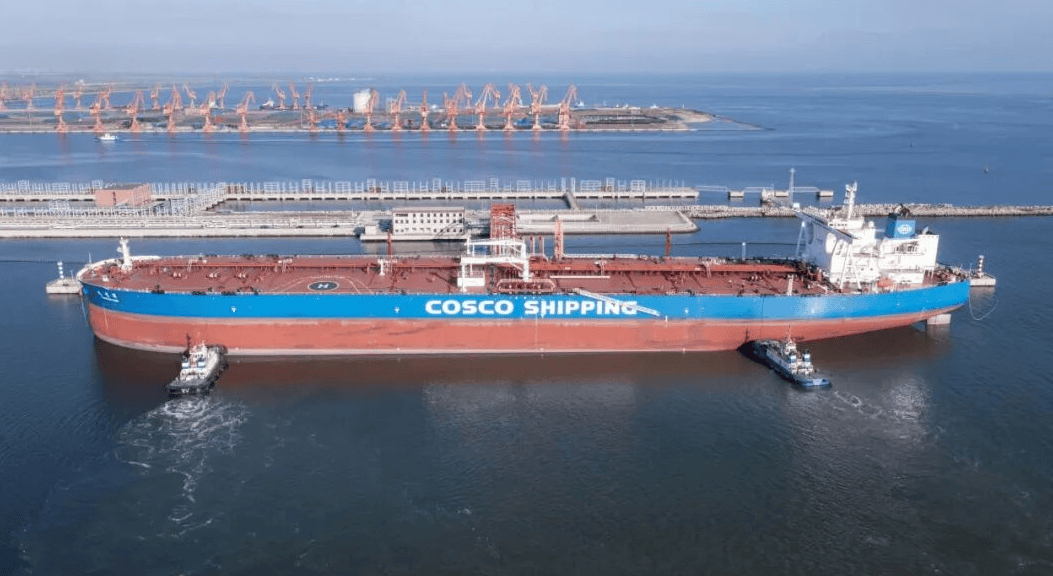
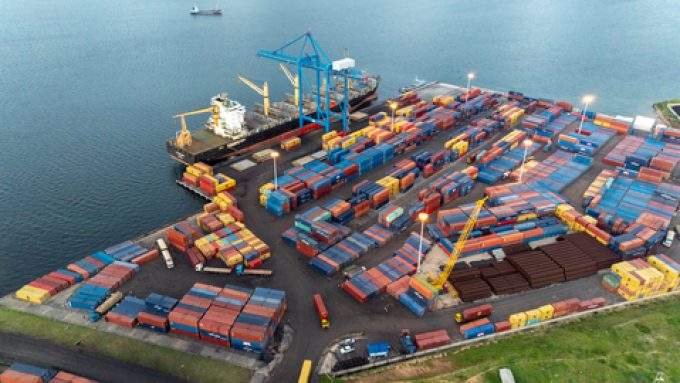
In port operations, congestion has become ubiquitous. At sea, ships speed up to protect berth windows, only to drift or anchor upon arrival; at berths, misalignment between various logistics and plans leads to delays; in yards, cargo lingers due to insufficient downstream evacuation capacity; on land, trucks idle outside gates, consuming fuel and labor hours. The costs of this congestion are enormous, including higher fuel consumption, reduced asset productivity, poor supply chain visibility, and emissions and noise issues for surrounding communities. Yet, most of these problems are masked by habit; the system functions only because delays are overlooked.
The speech mentioned a thought experiment: what if ports were no longer allowed to use anchorages or public roads as buffers? This hypothetical constraint forces ports to adopt a completely different design logic, shifting the goal from "managing congestion" to "designing processes." The primary principle is that assets must arrive on time, not just in case. Future ports must operate as time-based interconnected systems.
Future ports must learn to measure, protect, and sell time reliability. Every hour a ship waits at anchorage, every truck outside the gate, is inventory in terms of time. The zero-wait concept treats time as a valuable service commitment, meaning setting hard performance targets for dwell and wait times, and offering shippers "arrival-to-berth guarantees" based on precise commitments—a high-end product in modern logistics.
Solving congestion requires establishing a shared operational clock, a port-wide PNT/ETA architecture. This is a universal time map integrating information on vessel positions, berth availability, yard capacity, gate demand, and more, serving as shared infrastructure for the port community. Once this architecture exists, it becomes possible to shift from reactive scheduling to intentional orchestration.
Vessel arrival patterns also need to change. Ships often arrive at ports in a "race-to-wait" mode, burning fuel only to lose the advantage at anchorages. A zero-wait port will adopt a just-in-time arrival model, continuously adjusting target arrival time windows based on berth readiness and other information. Ports may need to incentivize vessels that strictly adhere to arrival schedules through mechanisms like reduced fees.
Landside operations require transformation as well. Berth plans must become dynamic, optimizing for system-wide dwell times. Yard management needs to reserve built-in flexibility rather than keeping yards perpetually saturated. For truck congestion, a true zero-wait model requires that truck appointments be generated directly from vessel and yard plans, with time windows that are enforceable. Public streets should not serve as free terminal infrastructure.
Furthermore, inland interfaces such as rail and barges must synchronize with maritime planning. A port that only addresses berth issues while neglecting inland logistics will merely shift congestion elsewhere. Technology is not a panacea. Before algorithms can be effective, ports must first decide what behaviors they wish to reward, what data they are willing to share, and the mechanisms for system coordination. Governance must precede tools, including modern anchorage policies, revised berth allocation rules, and coordinated tariff structures that support punctuality. Without corresponding institutional coordination, the most advanced digital platforms will only highlight old inefficiencies.
The rewards of the zero-wait model extend far beyond reduced waiting times, including cleaner air, lower emissions, higher reliability for shippers, and an enhanced competitive position for the port in society. It redefines the port's identity: a port is not just a place for cargo transshipment, but a venue where time is strictly managed, shared visibility is paramount, and commercial seriousness prevails. The speakers noted that this issue resonated strongly with attendees, as the industry recognizes it has long accepted inherited inefficiencies as operational necessities. The core of future port design lies in ensuring ships do not wait at anchorages, trucks do not idle in long queues, and all modes are coordinated through a common discipline of time.
This article is compiled by Wedoany. All AI citations must indicate the source as "Wedoany". If there is any infringement or other issues, please notify us promptly, and we will modify or delete it accordingly. Email: news@wedoany.com
Related Products
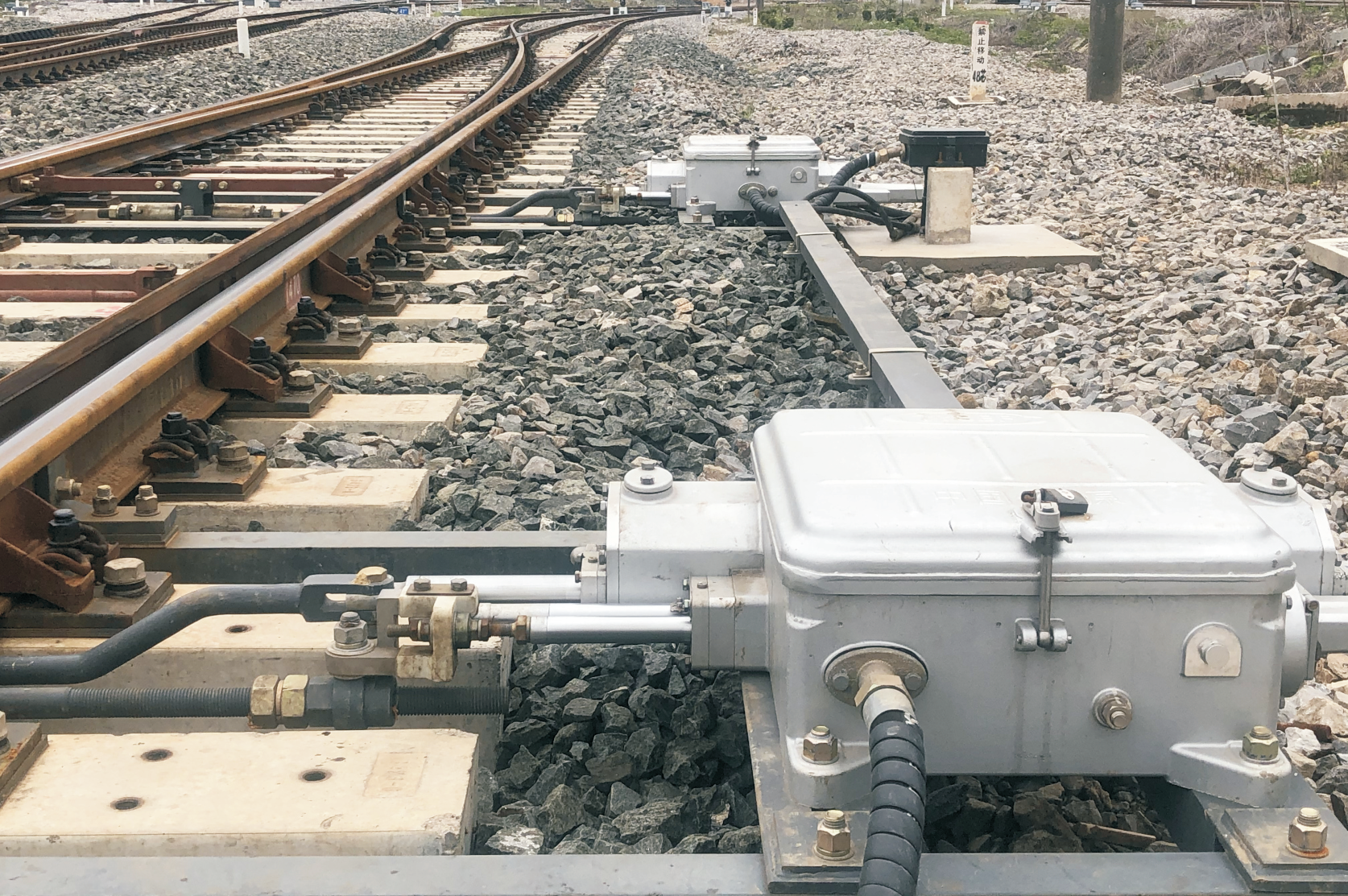

ZY(J)7(M) Sealed Type Electro-Hydraulic Turnout Machine
TAIYUAN CR JINGFENG EQUIPMENT TECHNOLOGY CO., LTD.
Wheel and Track Technology Business
Beijing Research & Design Institute of Rubber Industry Co., Ltd.
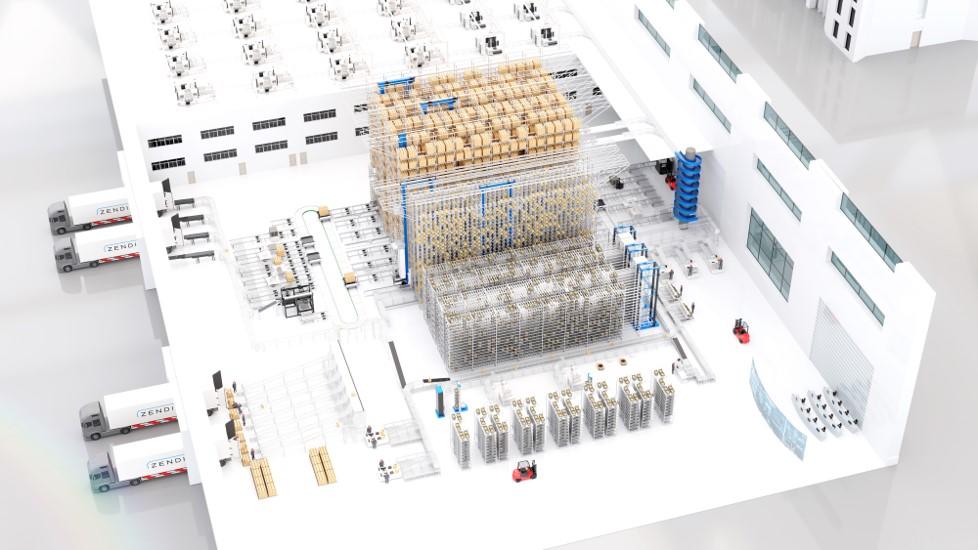
One-Stop Steward Service for the Entire Logistics System Integration Chain
Zhongding Intelligent (Wuxi) Technology Co., Ltd.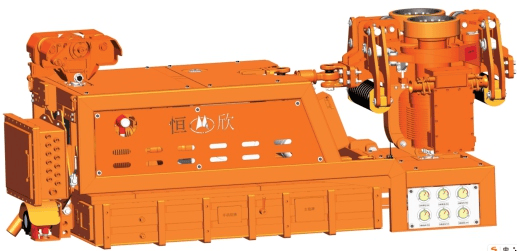
Explosion-proof lithium battery dispatching monorail crane locomotive (permanent magnet frequency conversion integrated machine)
Xiangtan Hengxin Industrial Co., Ltd.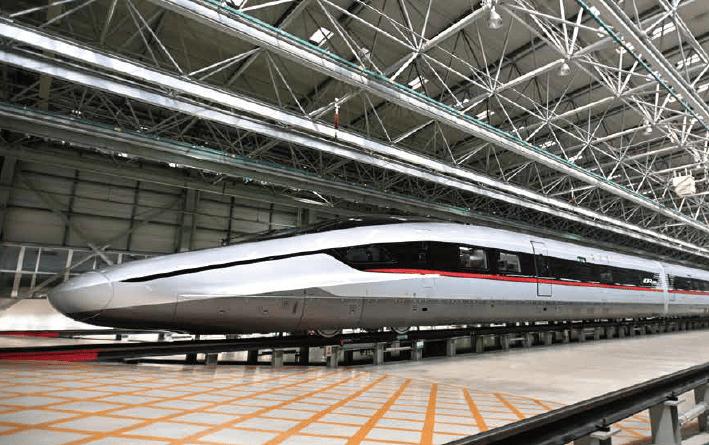
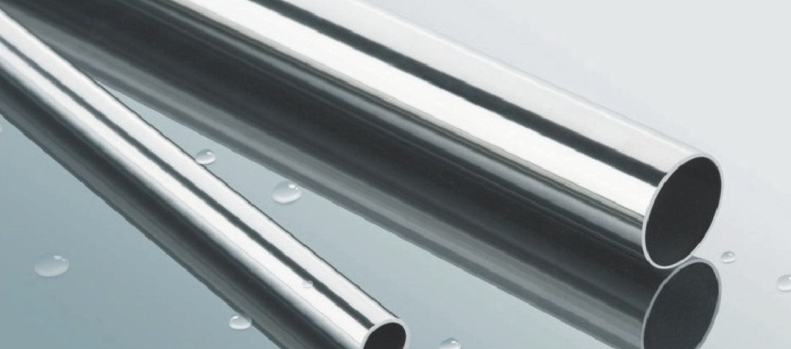
ERW Welded Pipe (Black Pipe and Hot-dip Galvanized Steel Pipe)
Handan Zhengda Steel Pipe Co., Ltd.