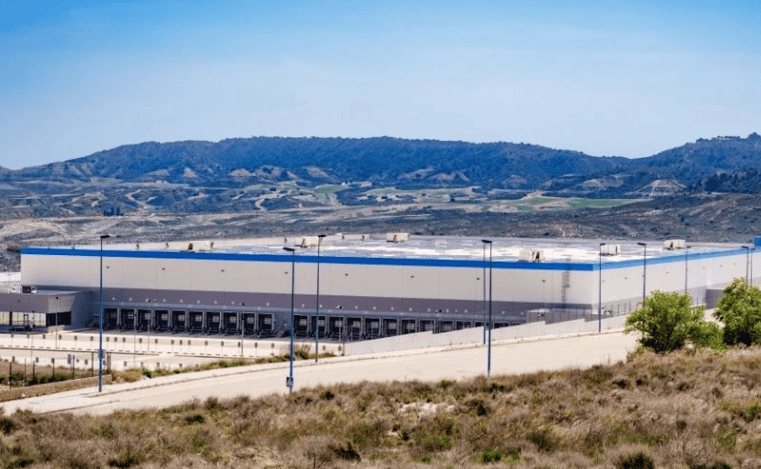
en.Wedoany.com Reported - The Port Authority of Cartagena (Autoridad Portuaria de Cartagena) last week unveiled the key points of its 2026-2030 strategic plan, a roadmap that sets the port's direction for the next five years and outlines an investment of €320 million.
The plan aims to consolidate the Port of Cartagena's position as an economic engine for the Region of Murcia (Región de Murcia) and one of the main ports in the Mediterranean, aligning with the State Ports Strategic Framework (Marco Estratégico de Puertos del Estado) and addressing new global challenges in logistics, energy transition, digitalization, sustainability, and competitiveness. The plan is fully aligned with the industrial transformation strategy promoted by the Region of Murcia.
The strategic lines of the plan are structured around five action pillars that will guide the port's development from 2026 to 2030.
The first pillar is competitiveness and diversification, which includes expanding and modernizing logistics and port infrastructure, developing new industrial activities and storage spaces, expanding Frente 19, and improving rail connectivity through the Escombreras Intermodal Station (Estación Intermodal de Escombreras), which connects to the ZAL and is set to be launched this year. This strategy also includes two actions that will define the port's future: developing Barlomar as a new multipurpose terminal to expand operational capacity and attract new traffic flows; and the future El Gorguel basin, as a strategic infrastructure to strengthen Cartagena's position in major international maritime corridors, consolidating its role as a key logistics hub in the Mediterranean.
The second pillar is sustainability and environment. With over 20 years of experience in this field, the Port of Cartagena will move towards defining a green port. Planned actions include terminal electrification, the Posidonia oceanica project, promoting alternative fuels and clean energy, decarbonization projects, energy efficiency improvements, and new port-city integration initiatives.
The third strategic pillar is digitalization and intelligence, focusing on a "Smart Port Operativo" model based on process automation, document digitalization, infrastructure sensorization, and the use of data analysis tools and artificial intelligence applications to optimize operations and improve real-time decision-making.
The fourth pillar is governance and talent. The Port Authority will continue to strengthen professional capacity through specialized training programs and collaboration with universities and technology centers.
The fifth pillar is safety and operational continuity, with investments aimed at enhancing cybersecurity, critical infrastructure protection, advanced monitoring systems, and resilience plans to ensure continuity of operations in an increasingly complex international environment.
This article is compiled by Wedoany. All AI citations must indicate the source as "Wedoany". If there is any infringement or other issues, please notify us promptly, and we will modify or delete it accordingly. Email: news@wedoany.com