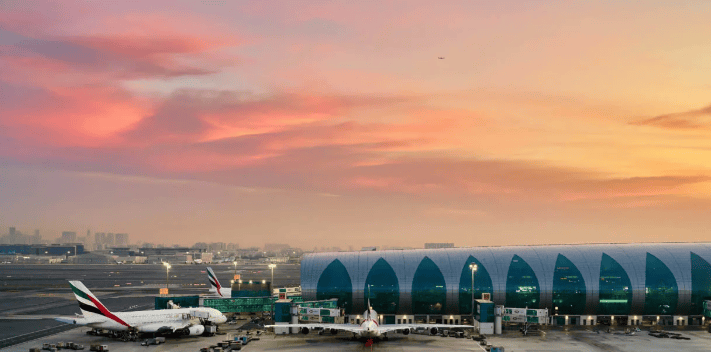
NASA Abandons Commercial Space Station Core Module Concept on June 1
en.Wedoany.com Reported - NASA has decided to withdraw a proposal to develop a government-owned "core module" for the International Space Station, a plan originally intended as a transitional facility for the shift from the ISS to commercial space stations, which had drawn widespread criticism from commercial space station developers. NASA press secretary Bethany Stevens stated in a June 1 announcement that the agency has abandoned this core module concept.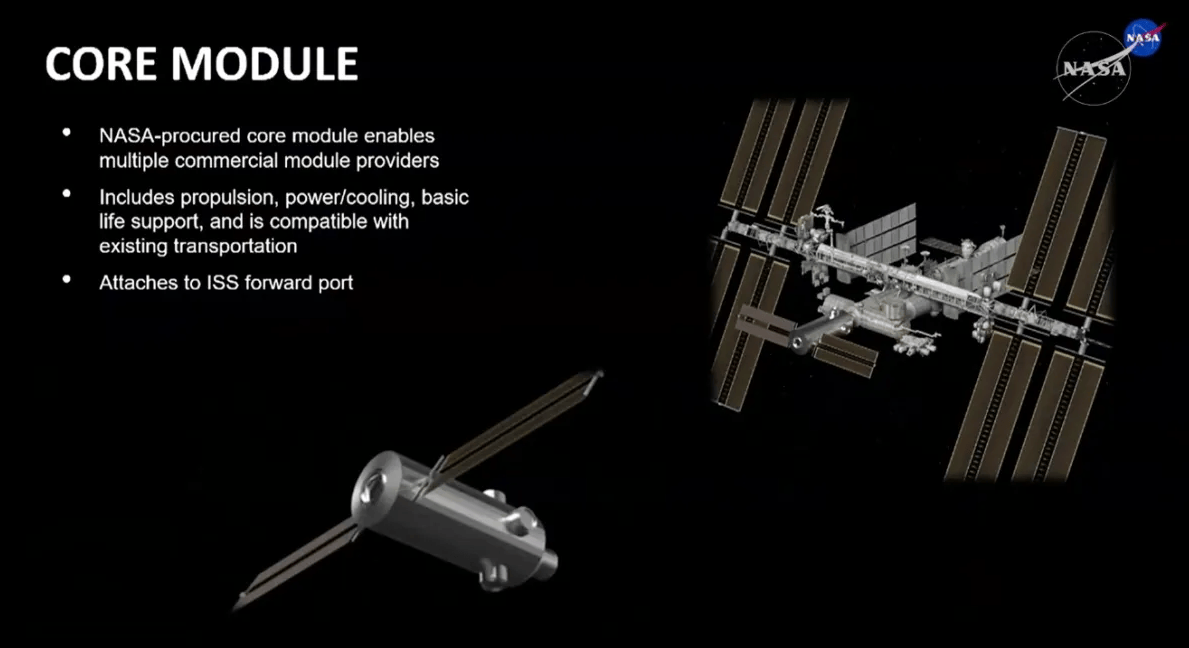
When NASA proposed this concept at the Ignition event in March, it argued that the commercial space station market had not developed as expected, and a government-owned core module could provide a transition for independent commercial space stations. Dana Weigel, NASA's ISS program manager, stated at the event that despite seeing investor interest, no independent, verifiable market study had demonstrated the economic viability of commercial space stations only partially funded by NASA.
The industry expressed strong opposition to this proposal. Jonathan Sirtain, CEO of Axiom Space, stated at the ASCEND conference on May 19 that adding government-owned components was "not very welcome" for his company. Max Haot, CEO of Vast, noted at the same conference that private astronaut missions have proven that non-ISS participating countries are willing to send astronauts, and the market consists of sovereign governments and is a growing one. Haot also questioned whether a government-owned core module could be built quickly, stating, "A government-owned module essentially means ISS 2.0," and expressed confidence that reason would prevail.
Marshall Smith, CEO of Starlab Space, stated that the company had submitted hundreds of pages of reports and analyses in response to a request for information, arguing for the existence of a commercial space station market. He noted that the company's pre-sales in the commercial space sector had exceeded 140%. The industry also questioned whether a government-owned core module could be built quickly enough to extend the ISS's lifespan into the late 2030s.
Stevens stated that the extensive feedback from the industry demonstrated the existence of a sustainable commercial market, in which NASA is just one of many customers. She said NASA will work with companies to "refine flexible requirements and procurement plans," with the goal of releasing a draft request for proposals later this month. Haot welcomed the announcement in a social media post on June 1, thanking NASA for giving the commercial space station industry the opportunity to compete for NASA business and earn the privilege of building the successor to the ISS.
This article is compiled by Wedoany. All AI citations must indicate the source as "Wedoany". If there is any infringement or other issues, please notify us promptly, and we will modify or delete it accordingly. Email: news@wedoany.com
Related Products



Industrial and Commercial Point-Type Gas Detector
Jinan Benan Technology Development Co., Ltd.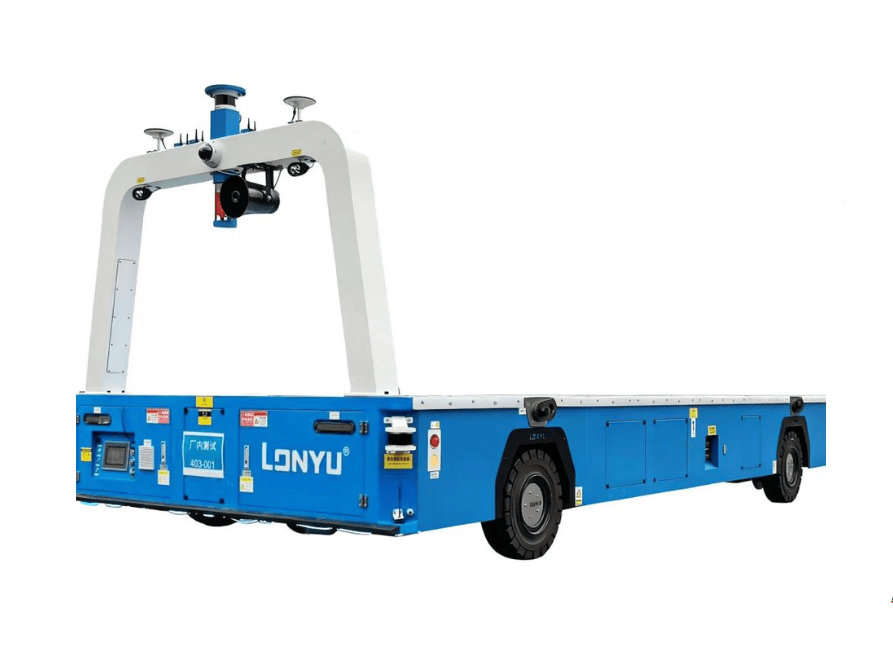

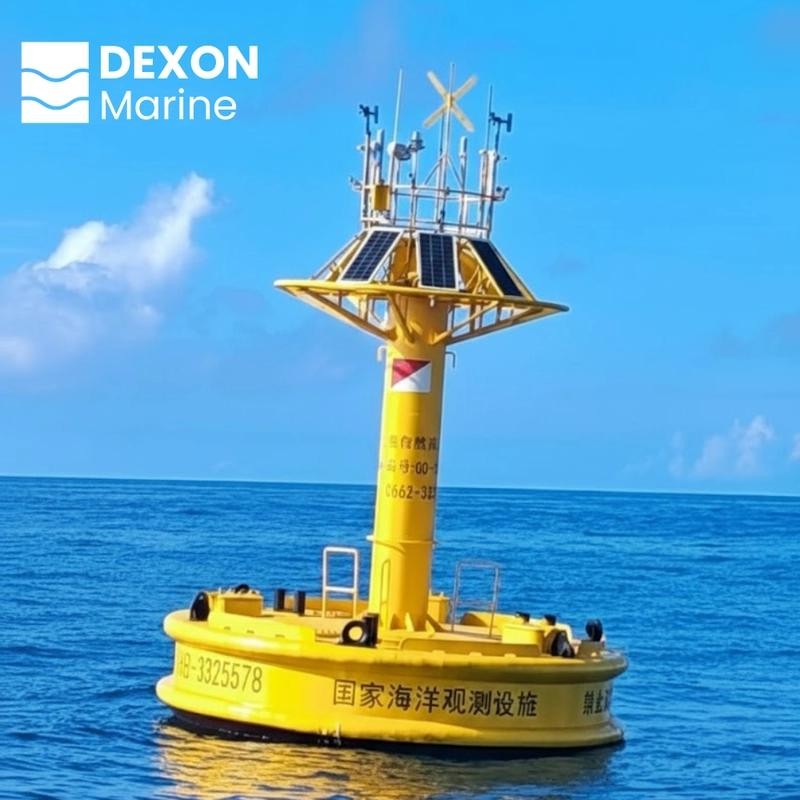
3m intelligent buoy combining navigation safety and real-time marine monitoring integrated navigation and marine monitoring system for real-time maritime data
Chengdu Dixin Technology Co., Ltd.
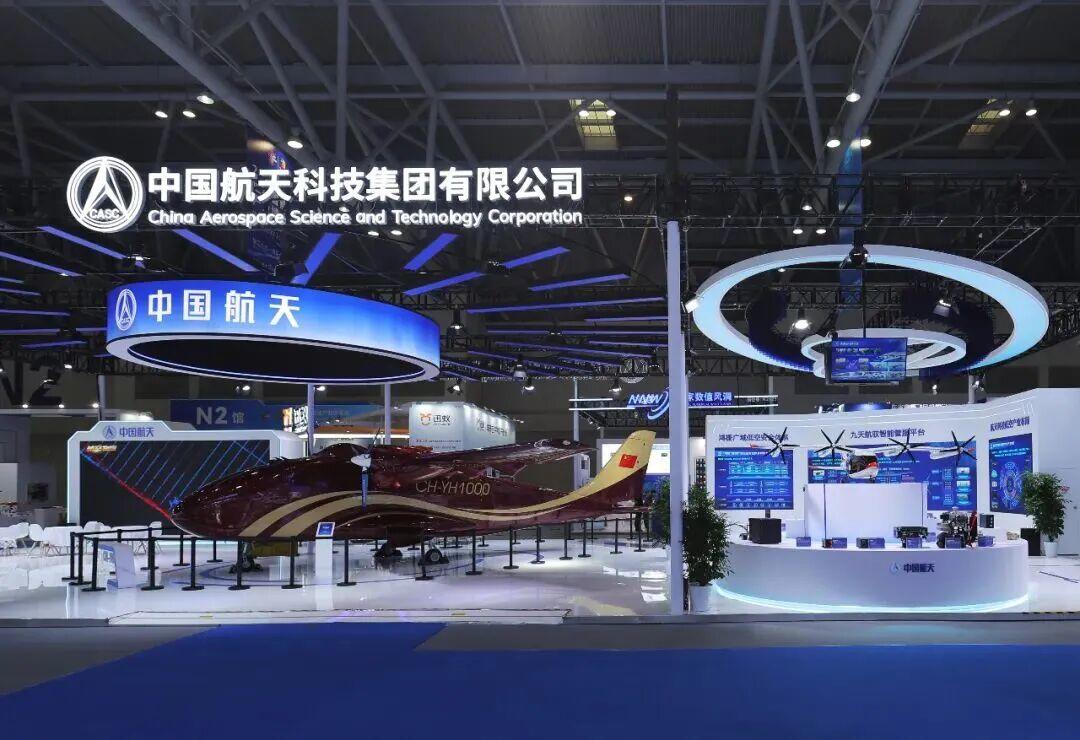
JiuTian OneSky Pilot—Intelligent Management And Service Platform
China Times Prospect Science & Technology Co., Ltd.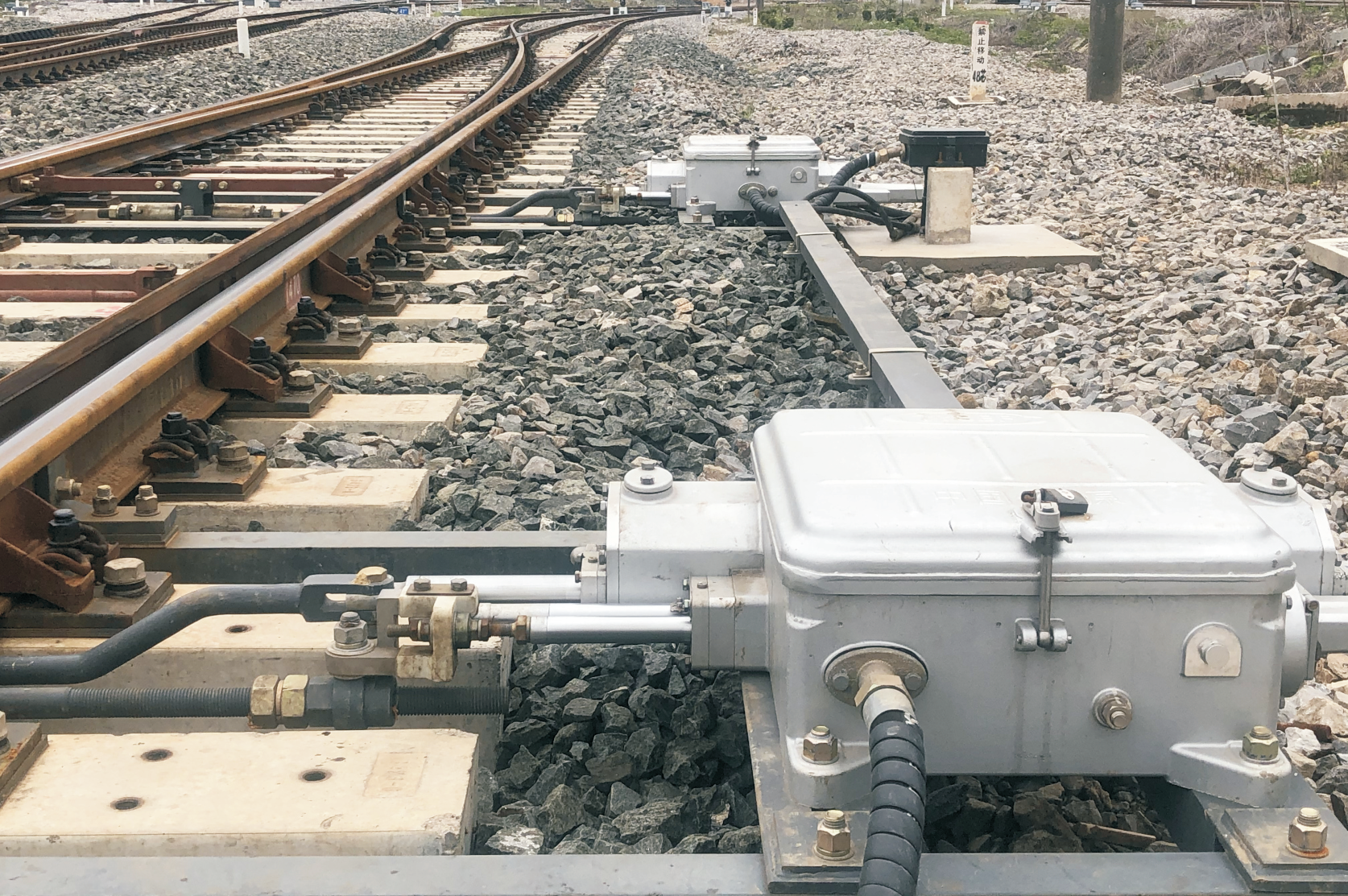
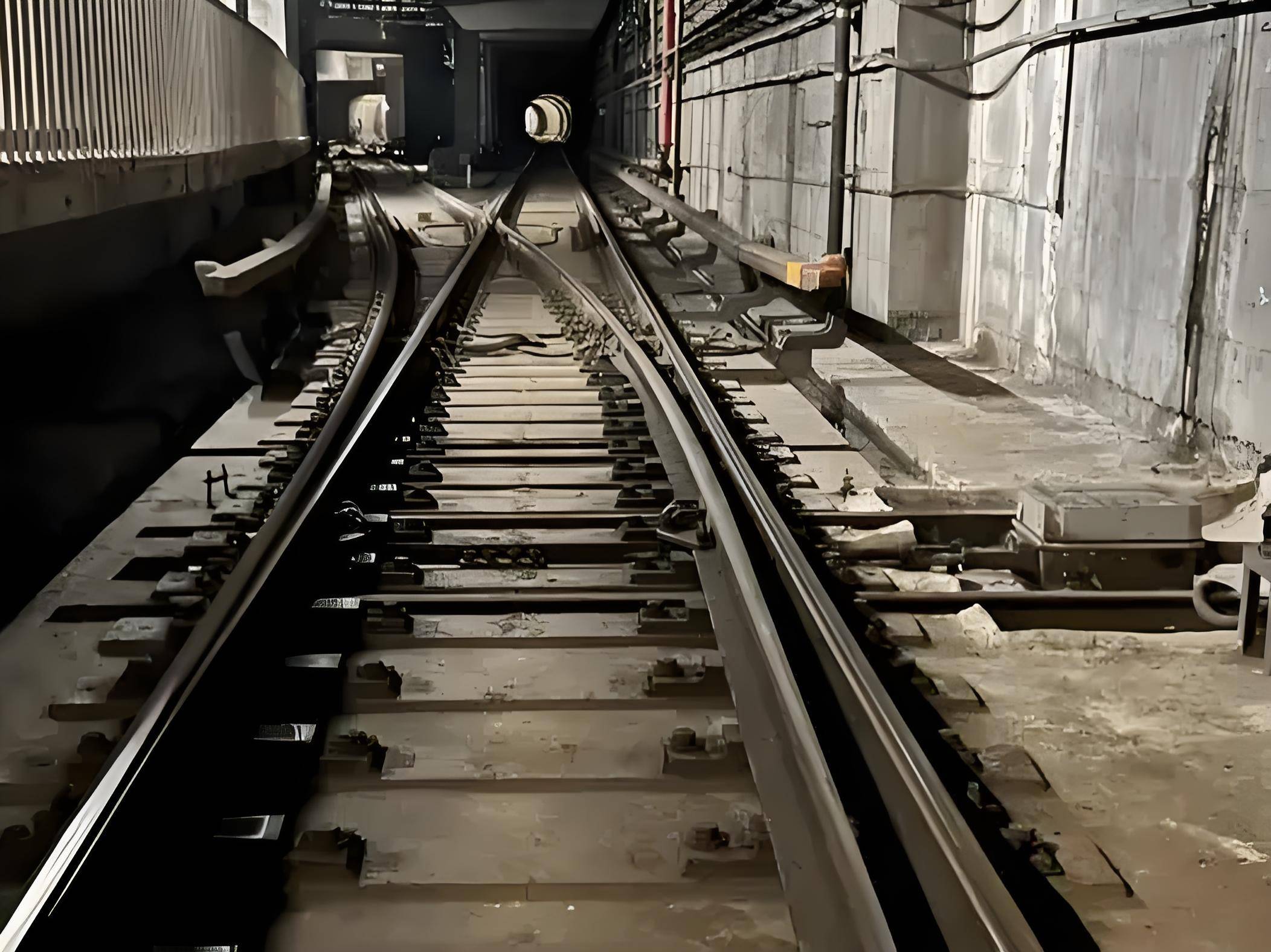
ZY(J)7(M) Sealed Type Electro-Hydraulic Turnout Machine
TAIYUAN CR JINGFENG EQUIPMENT TECHNOLOGY CO., LTD.