AI in Mining: Anglo American Peru Maintenance, Stratum Copper Exploration Valued at $64 Million
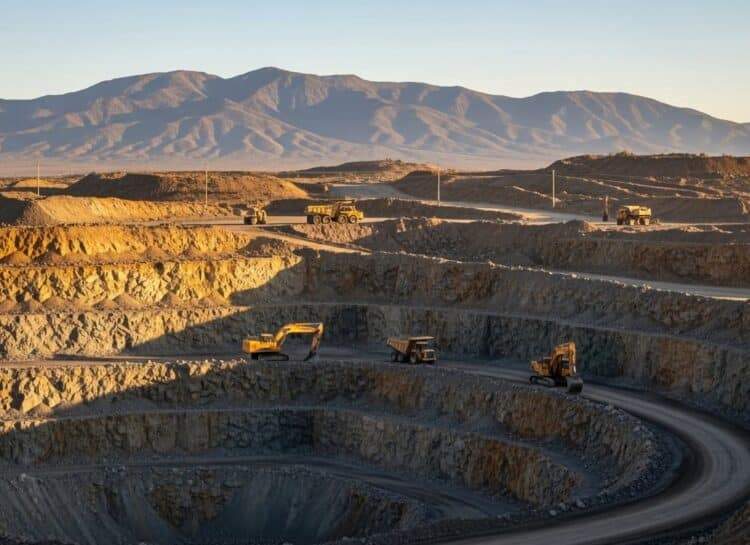
en.Wedoany.com Reported - Anglo American is deploying an AI-based predictive maintenance system for equipment at its Quellaveco copper mine in Peru to enhance the efficiency and safety of mining operations. Since the concentrator plant began operations in 2022, the project has accumulated vast amounts of equipment operational data. Leveraging machine learning tools, the system can identify abnormal patterns and prevent failures before they impact production.
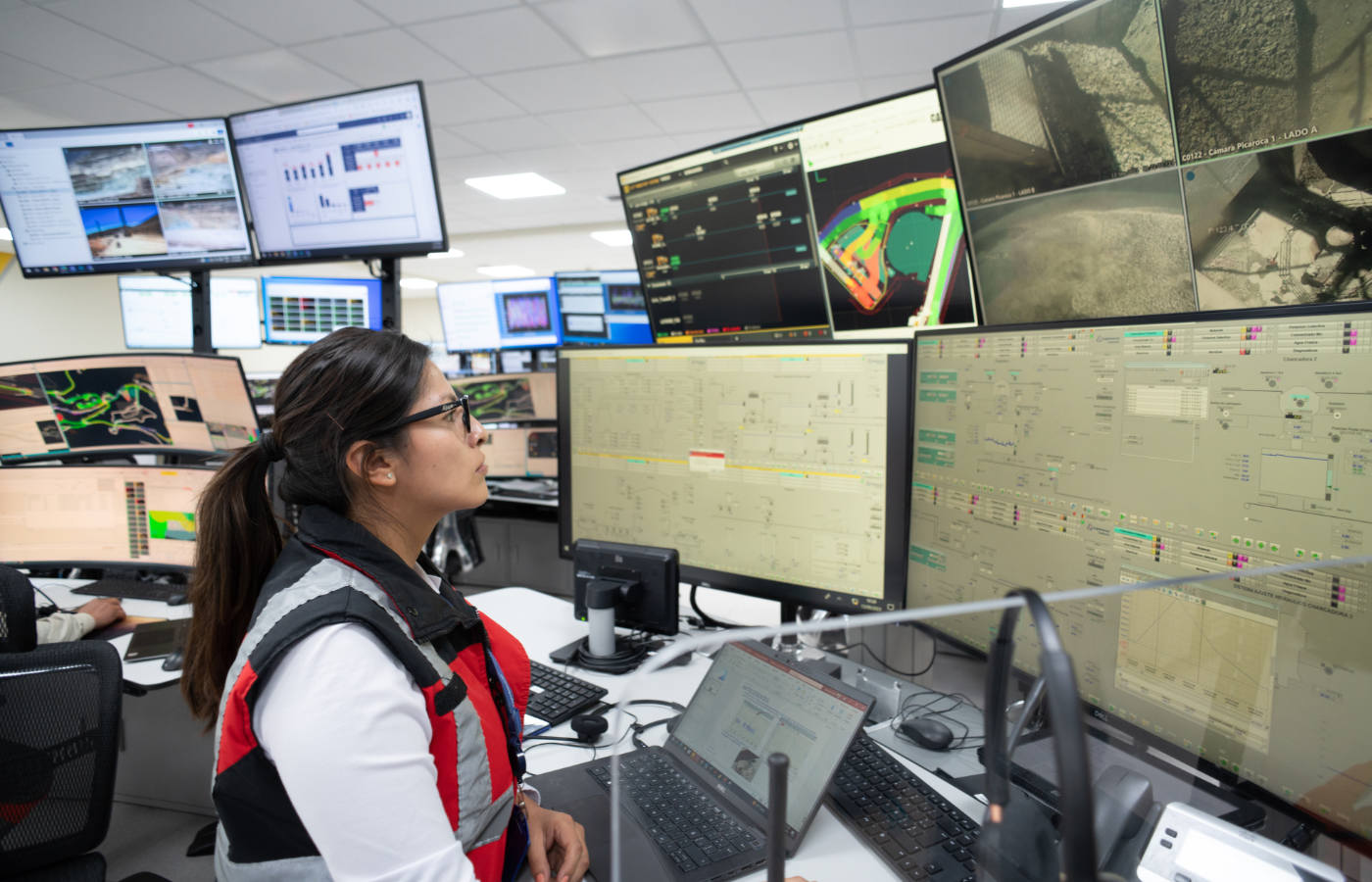
The core of the system is the AI specification program Aspen Mtell, developed jointly by Anglo American and strategic partner Emerson. This machine learning tool learns equipment behavior and detects anomalies that precede failures. The project was launched in August 2024 and, after months of preparation and testing, was officially activated on December 27 of the same year. During implementation, the Asset Strategy & Reliability (AS&R) and Information Management (IM) departments were involved, with support from Anglo American's global reliability team. The first phase of the project focused on four main grinding pumps that transport slurry to the cyclones. Through machine learning, the system can now predict potential failures in these equipment weeks in advance. In the next phase, AI will be applied to other components and processes in operations, with the technology continuously learning and improving its predictive capabilities with each new application.
In exploration and planning, artificial intelligence is transforming traditional operational models. At the TIS forum during Perumin 37, Farzi Yusufali, CEO and co-founder of Stratum AI, showcased the application of its SAIGE (Stratum AI Geospatial Estimator) platform at the Candelaria-Punta del Cobrel copper mine in Chile. In an IOCG deposit, the platform used existing data to create more accurate resource models. Test results showed that the platform identified and confirmed an additional 7.7 thousand tonnes of copper, valued at approximately $64 million, using only 2,200 meters of drilling (in blocks classified as waste by traditional kriging methods). Key intercepts featured copper grades as high as 3.2% over intervals of 12 to 59 meters, with over 90% of the project's drill holes encountering economic mineralization. Additionally, the AI-optimized model allowed 19% of drilling resources to be reallocated to new high-value opportunities, and by intelligently prioritizing high-grade zones, reduced drilling requirements by 16% to 25%.
In regulatory modernization, Chile's Environmental Assessment Service (SEA) held a presentation on the "SEIA Technical Modernization Program" in January of this year, introducing the main guidelines of the program to the mining industry. The program aims to modernize the Environmental Impact Assessment System (SEIA) by introducing digital tools, process automation, and artificial intelligence. Its goal is to process the over 27 million pages and data from more than 29,000 projects currently contained in the platform, transforming them into useful information to support environmental assessment efforts over the next 15 years. The initiative includes implementing AI, new digital workflows, improving user experience, and introducing regional and comparative analysis tools.
This article is compiled by Wedoany. All AI citations must indicate the source as "Wedoany". If there is any infringement or other issues, please notify us promptly, and we will modify or delete it accordingly. Email: news@wedoany.com
Related Products
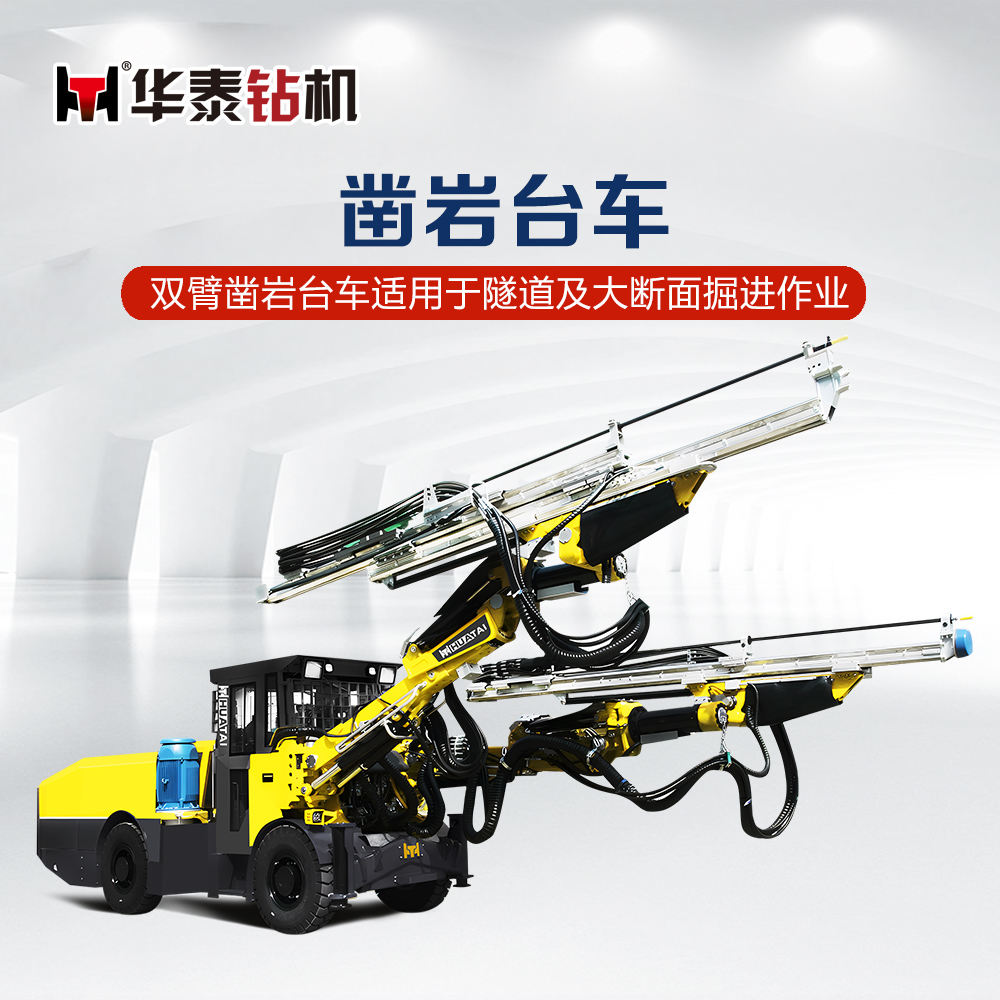

CYTJ45/2 Mining Hydraulic Tunneling Drill Rig
Zhangjiakou Xuanhua Huatai Mining and Metallurgical Machinery Co., Ltd.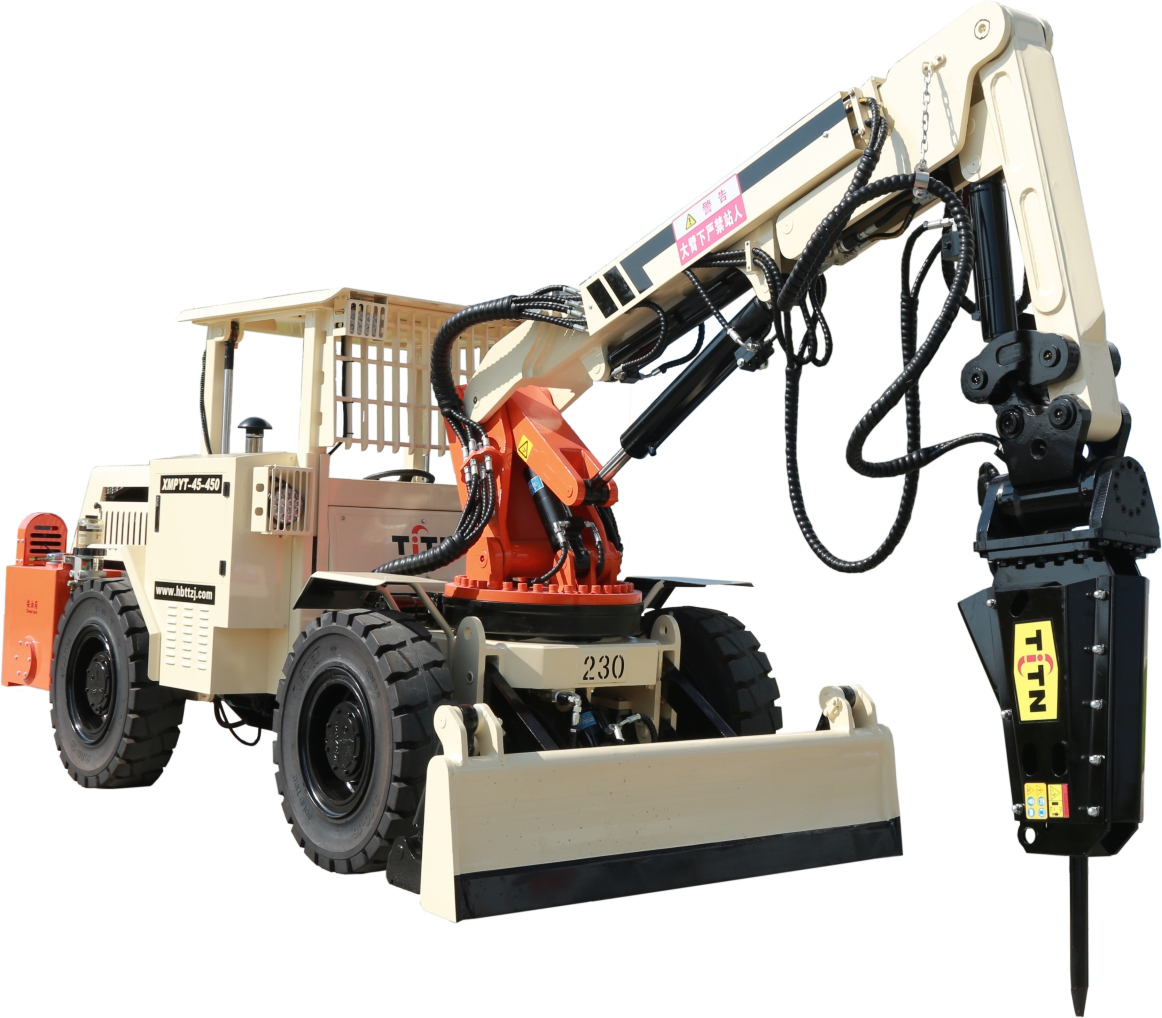
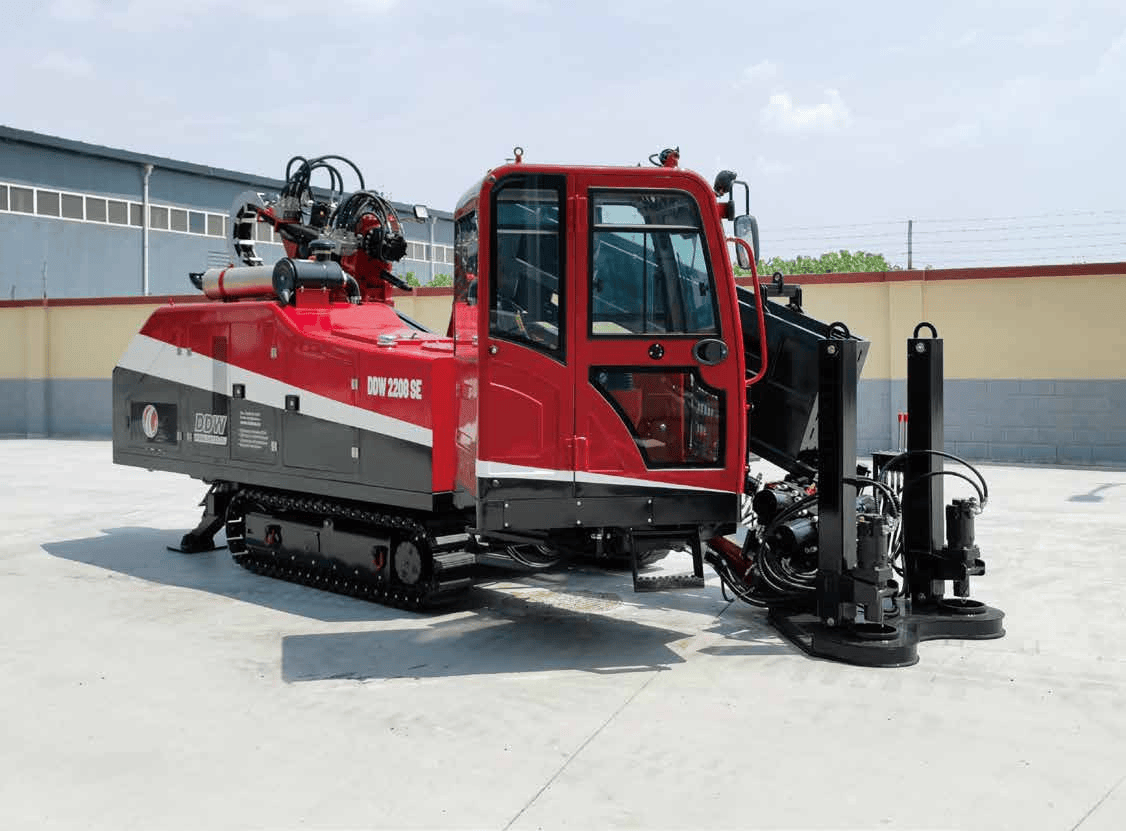
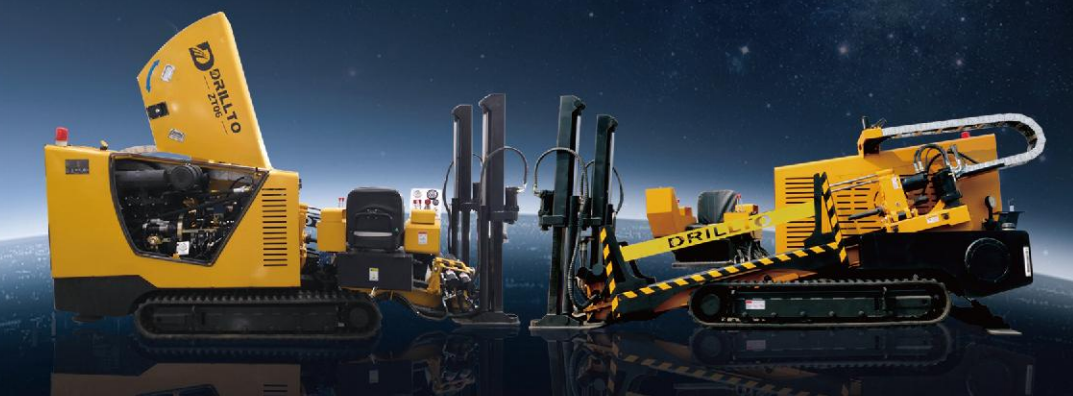
DDW22/08SE-HORIZONTAL DIRECTIONAL DRILL
DW/TXS Construction Equipment (Beijing) Co., Ltd.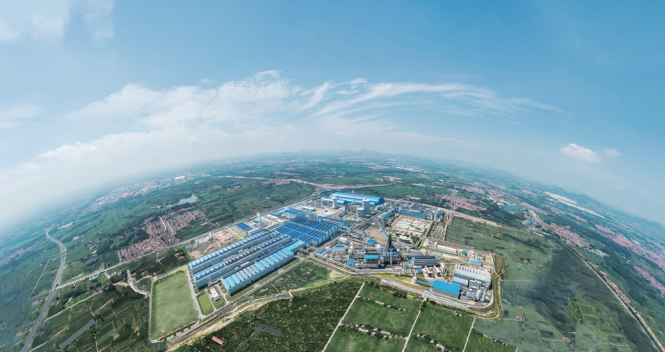
Linyi Steel Investment Special Steel 2.7 Million Tons per Year High-quality Special Steel Project
Capital Engineering & Research Incorporation Limited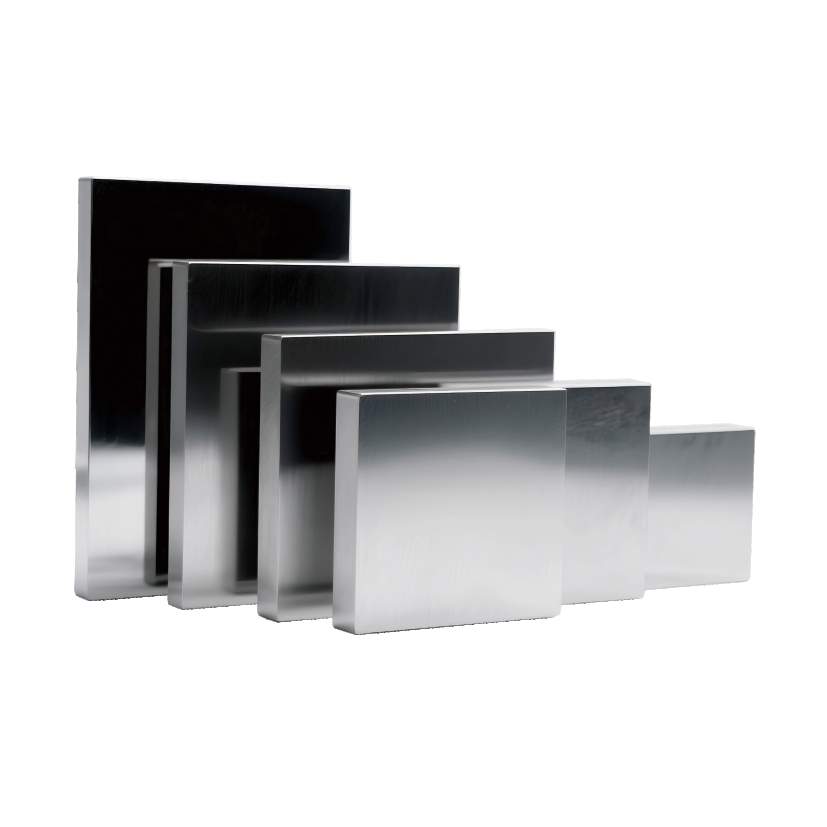
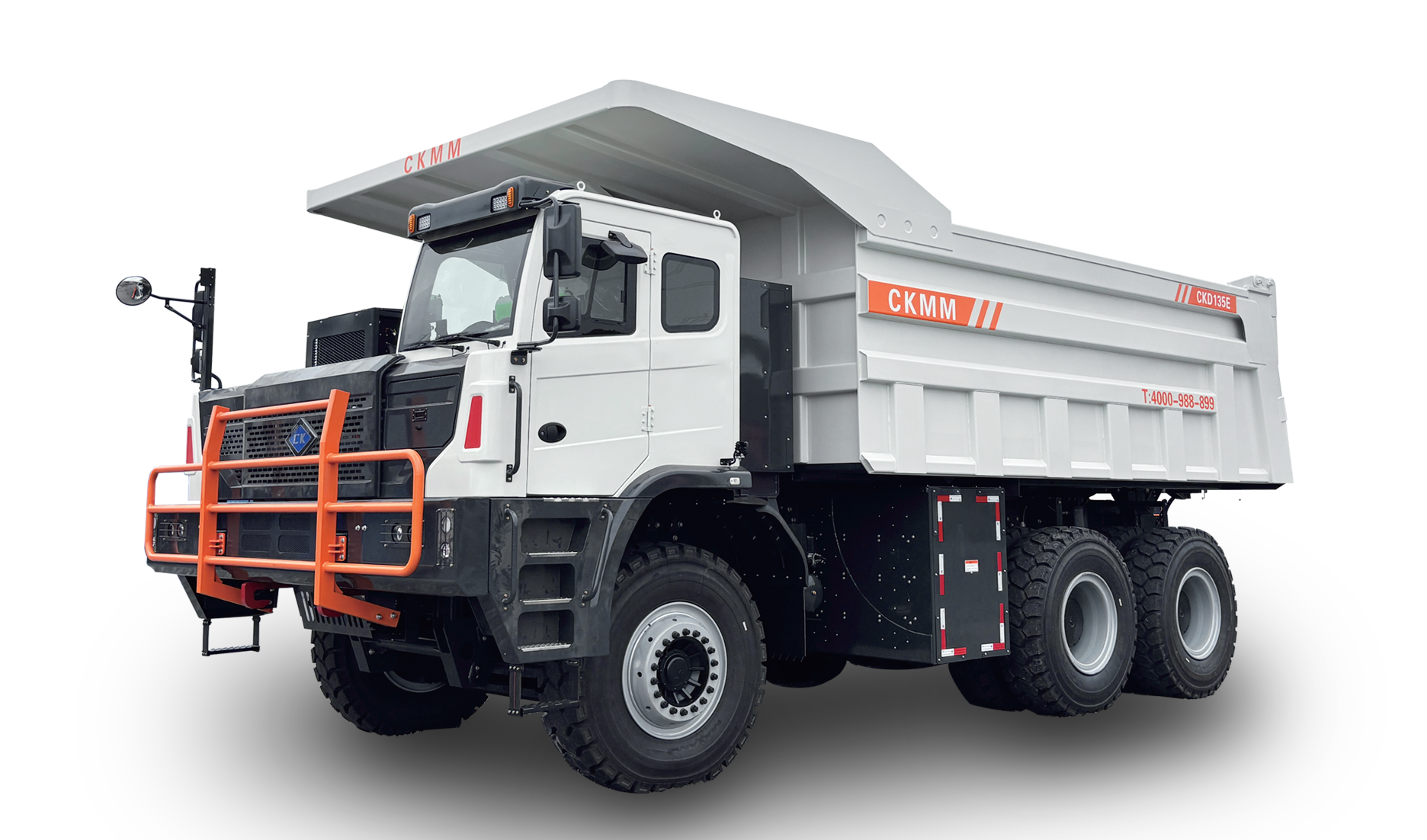
CKD135E Pure Electric Wide-body Dump Truck
Jiangsu Changkuang Engineering Machinery Co. Ltd.
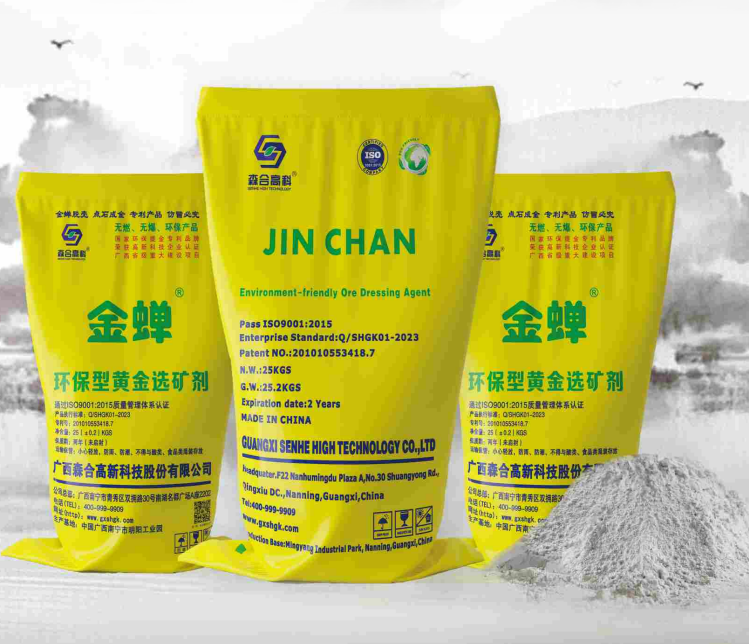
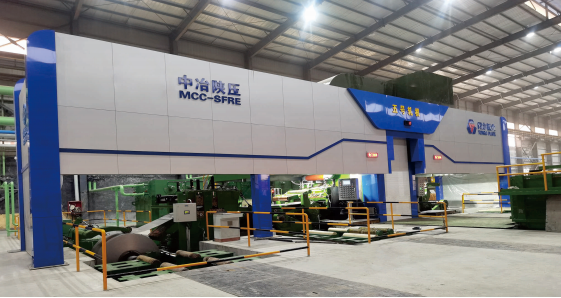
1050-1750mm Steel Strip Single-stand Reversible Cold Rolling Production Line
MCC-SFRE HEAVY INDUSTRY EQUIPMENT CO., LTD.
Mine Explosion-proof and Intrinsically Safe Industrial Ethernet Ring Network (10 Gigabit/Gigabit)
Chongqing Mas Sci&Tech Co., Ltd.