Rio Tinto Deploys Drone-in-a-Box System at Australian Iron Ore Mine, Reducing Data Processing Time by 94%
en.Wedoany.com Reported - The global mining industry is accelerating its transition to the "Mining 4.0" paradigm, with the "Drone-in-a-Box" (DiaB) system emerging as a key technology in this transformation. The system's autonomous docking stations are reshaping operational management in remote, high-risk mining areas.
The DiaB system consists of weather-resistant base stations that serve as automated "hangars" for drones. Represented by products such as the DJI Dock or RocketDNA xBot, these systems enable drones to autonomously perform scheduled repetitive tasks without the need for on-site operators. The base stations not only protect drones from extreme environmental conditions but also automatically manage battery charging or replacement, enabling continuous flight cycles. After completing mapping or inspection tasks, the drone lands back in the box with centimeter-level precision and automatically transmits data to the cloud.
Rio Tinto's Gudai-Darri iron ore mine in the Pilbara region of Western Australia, considered one of the world's most technologically advanced mines, has successfully integrated this system. Previously, surveyors had to drive to mining pits for terrain surveys, with a one-way trip taking approximately 30 minutes, and operational delays caused by interactions with autonomous haul trucks. Now, through RocketDNA's xBot system, a control center in Perth or Adelaide (over 1,500 kilometers away) can remotely operate the drones. This capability is enabled by the integration of high-speed satellite connections such as Starlink, which provides broadband coverage to areas where fiber optic deployment is cost-prohibitive, thereby transmitting telemetry data and real-time video to urban centers.
In Australian operations, the DiaB system has delivered significant efficiency gains. Data shows that the time required to capture and process post-blast photogrammetry data has been reduced from 1.2 hours to 30 minutes; automated marking of ground control points has saved 94% in data processing time. In terms of safety, automated routine flights eliminate the need for personnel to enter high-risk areas such as unstable slopes, blast zones, or areas near heavy machinery. At Gudai-Darri, manual vehicle movements within autonomous transport zones have been substantially reduced, improving overall operational fluidity. Through the cloud platform, data captured by drones is instantly accessible to multiple departments, including planning, geology, and environment, eliminating the need for surveyors to manually distribute files.
The DiaB system has operated under conditions of 50°C heat, magnetic dust, and gusty winds. The focus of other industries has shifted from the technology's effectiveness to the speed of their own adoption of the system.
This article is compiled by Wedoany. All AI citations must indicate the source as "Wedoany". If there is any infringement or other issues, please notify us promptly, and we will modify or delete it accordingly. Email: news@wedoany.com
Related Products


High-temperature Equal Wall Thickness High-power Screw Drilling Tool
Orient Energy & Technologies Co., Ltd.
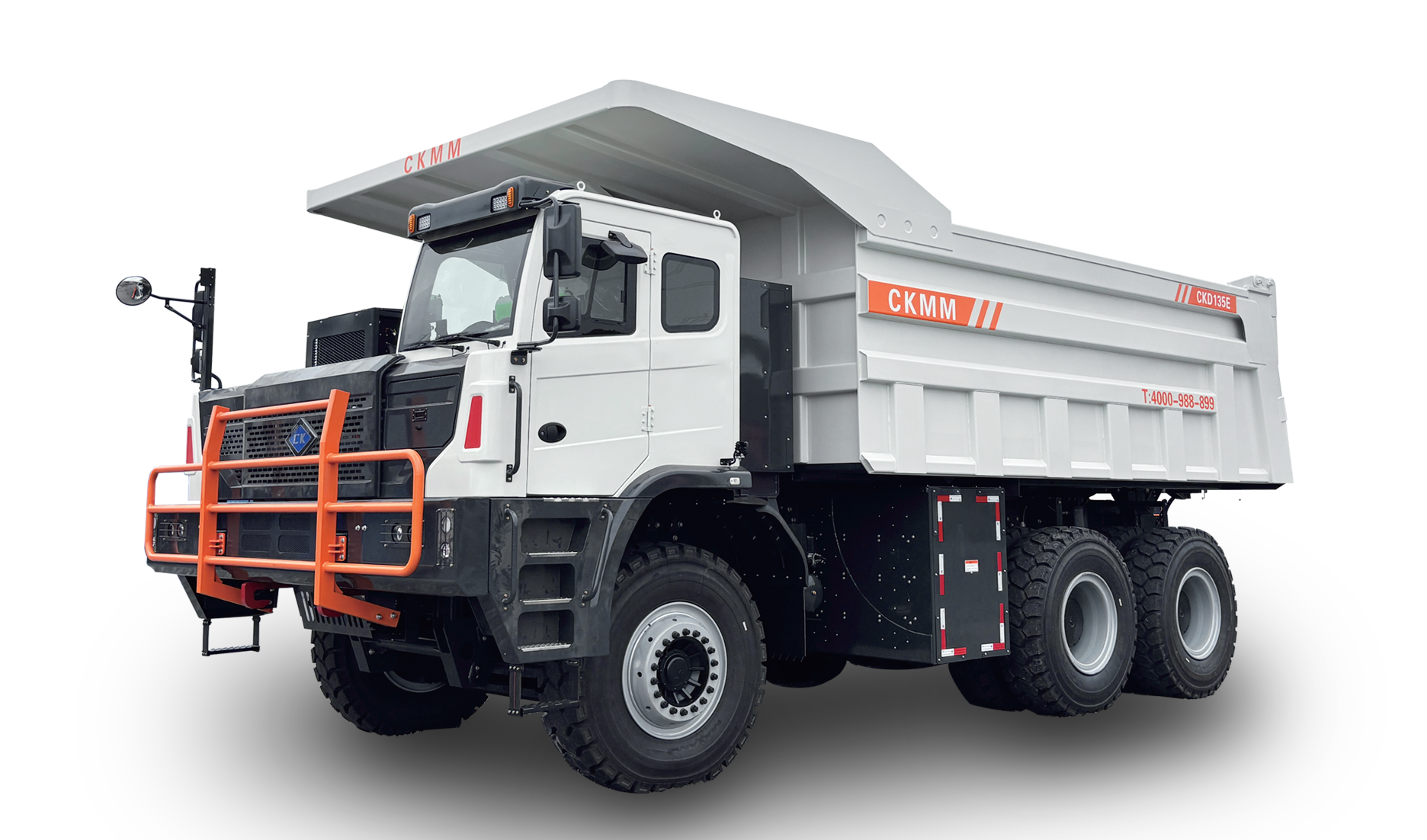
CKD135E Pure Electric Wide-body Dump Truck
Jiangsu Changkuang Engineering Machinery Co. Ltd.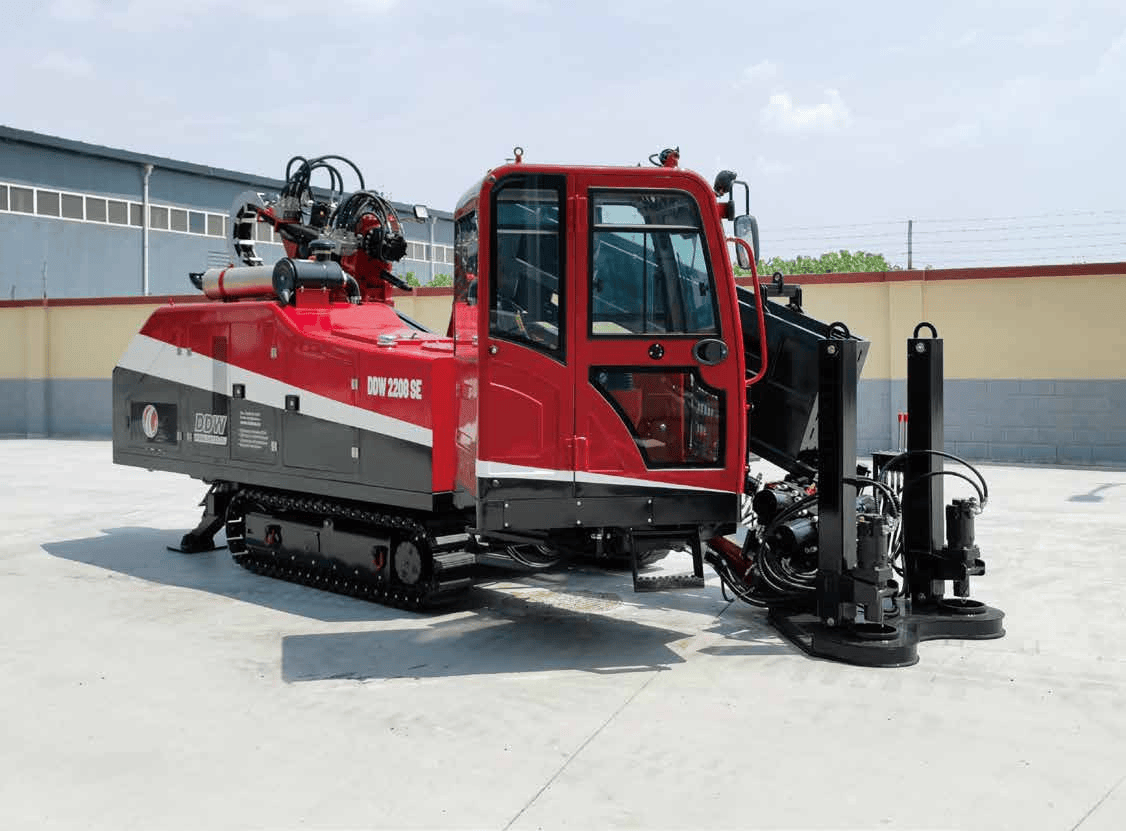
DDW22/08SE-HORIZONTAL DIRECTIONAL DRILL
DW/TXS Construction Equipment (Beijing) Co., Ltd.
Core Technologies of the Mining Technology and Equipment Business Unit: Efficient Mining Methods and Processes
CHANGSHA INSTITUTE OF MINING RESEARCH CO., LTD.
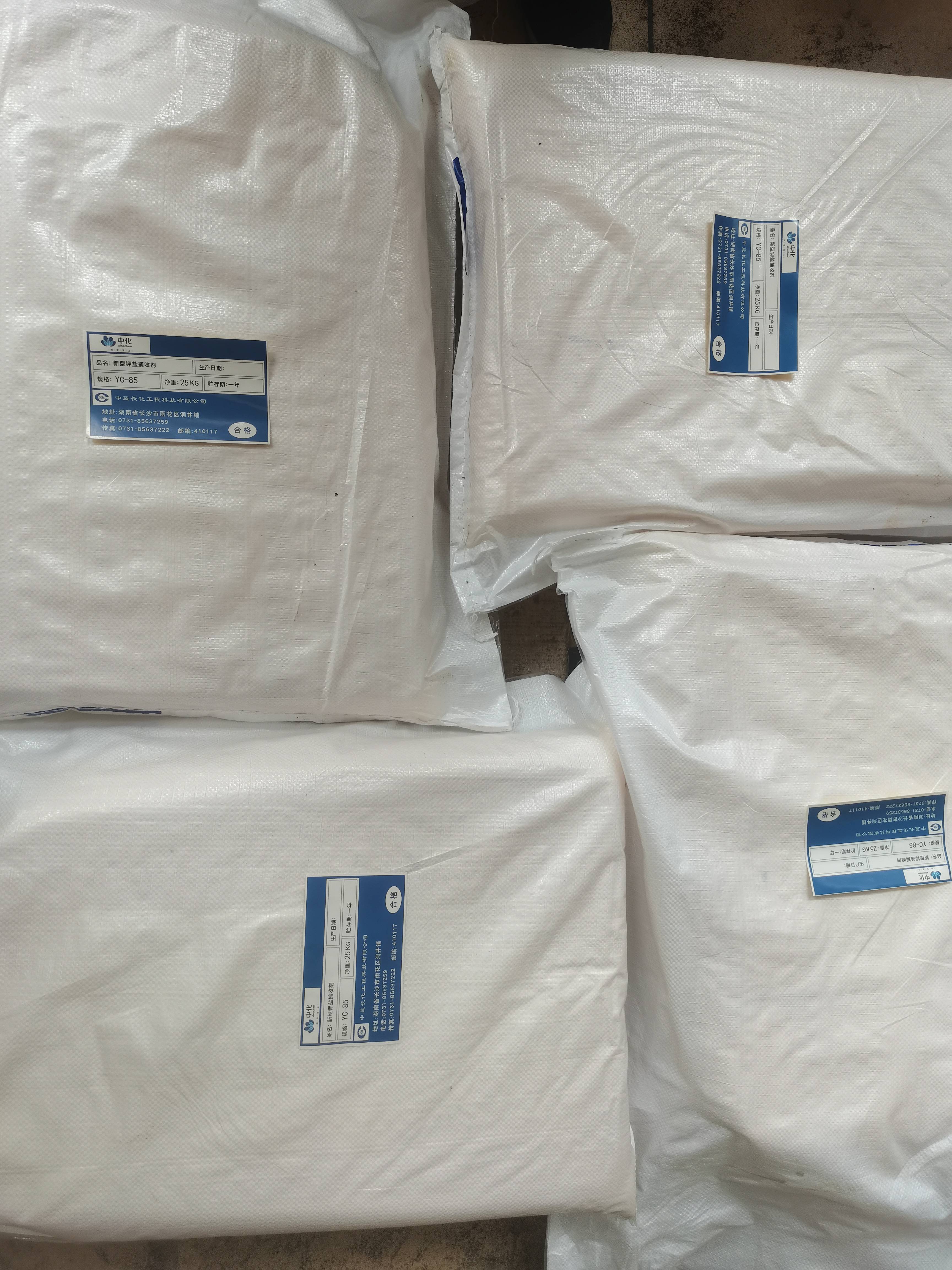
New Environmentally Friendly Green Potassium Salt Collector
Chonfar Engineering and Technology Co., Ltd.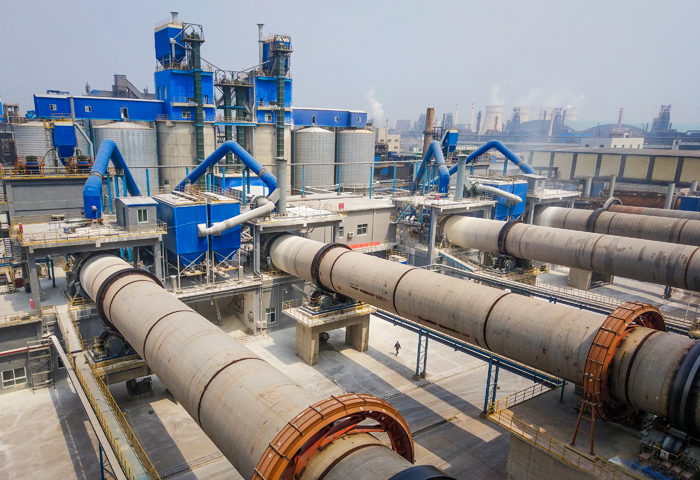
CITIC Heavy Industries Metallurgical Equipment Steel Smelting Engineering Equipment
CITIC Heavy Industries Co., Ltd.