en.Wedoany.com Reported - On June 3, UK-based industrial AI company Gigaton completed a $26 million Series A funding round. The round was led by Plural, with participation from 2150, Semapa Next, and existing investors including Planet A Ventures, Cambridge Enterprise Ventures, UCL Technology Fund, and Clean Growth Fund. Following the funding, Gigaton's total cumulative funding has exceeded $35 million.
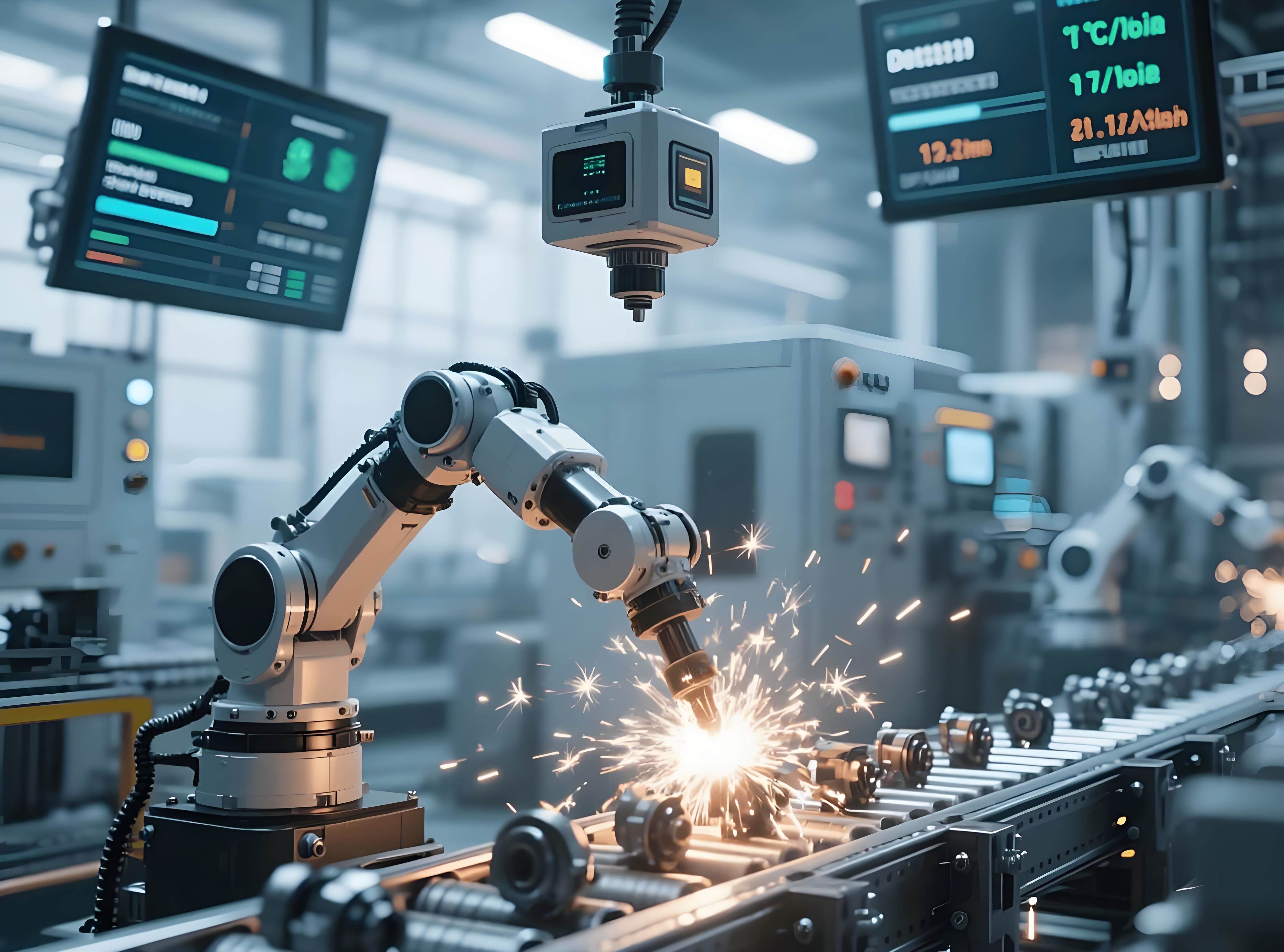
Gigaton, formerly known as Carbon Re, is an AI company based in London that develops autonomous control software for high-energy-consuming industries. Its technology focus is not on general-purpose conversational models or enterprise office assistants, but rather on the control systems of continuous process industries such as cement, steel, glass, and chemicals. These factories have long relied on traditional control software and manual expertise to maintain production stability, with on-site operators constantly balancing fuel costs, kiln speed, oxygen levels, raw material fluctuations, equipment status, and carbon emissions. As the use of alternative fuels increases, energy prices fluctuate, and emission reduction pressures rise, existing control systems are increasingly struggling to handle complex operating conditions. Gigaton's AI platform simulates process behavior, predicts operational impacts, and evaluates the outcomes of different actions before execution, thereby automatically adjusting key parameters such as fuel mix, kiln speed, and oxygen levels, enabling factories to reduce energy consumption and emissions while maintaining process stability.
The company's technology has been deployed in several large cement producers, with clients including Adani Cement, Heidelberg Materials, Holcim, and Mannok Holdings.
The use of this funding round is focused on two areas: expanding the team size and further promoting the platform from the cement industry to broader high-energy-consuming sectors such as steel, glass, and chemicals. For these industries, the value of an AI control system lies not in simply generating recommendations, but in whether it can truly enter the production control layer and continuously optimize operating conditions while ensuring safety, explainability, and traceability. Gigaton emphasizes that its platform is not an ordinary optimization tool layered on top of legacy systems, but rather an attempt to replace the traditional industrial control software stack, enabling the system to continuously retrain based on real-time production data and present the logic behind each adjustment to operators. If this model is successfully validated in more factories, the application of industrial AI will move from "dashboard analysis" and "energy-saving recommendations" further into the production process itself, becoming the underlying control capability for cost reduction, stable production, and emission reduction in heavy industry.
Gigaton's latest funding round also reflects the capital market's growing interest in industrial AI infrastructure software. Compared to consumer-grade AI applications, heavy industry AI projects have longer deployment cycles and more complex on-site validation, but once they enter core production processes, a single factory can generate significant annual cost savings and emission reductions. Subsequent variables will focus on the platform's cross-industry replication capability, the difficulty of replacing factory control systems, customer acceptance of autonomous control, and whether Gigaton can continue to demonstrate the stability and economic viability of its AI control platform in complex operating conditions such as steel, glass, and chemicals.
This article is compiled by Wedoany. All AI citations must indicate the source as "Wedoany". If there is any infringement or other issues, please notify us promptly, and we will modify or delete it accordingly. Email: news@wedoany.com