The 4th Advanced Manufacturing Informatization Development Forum 2026 Held in Shanghai, China
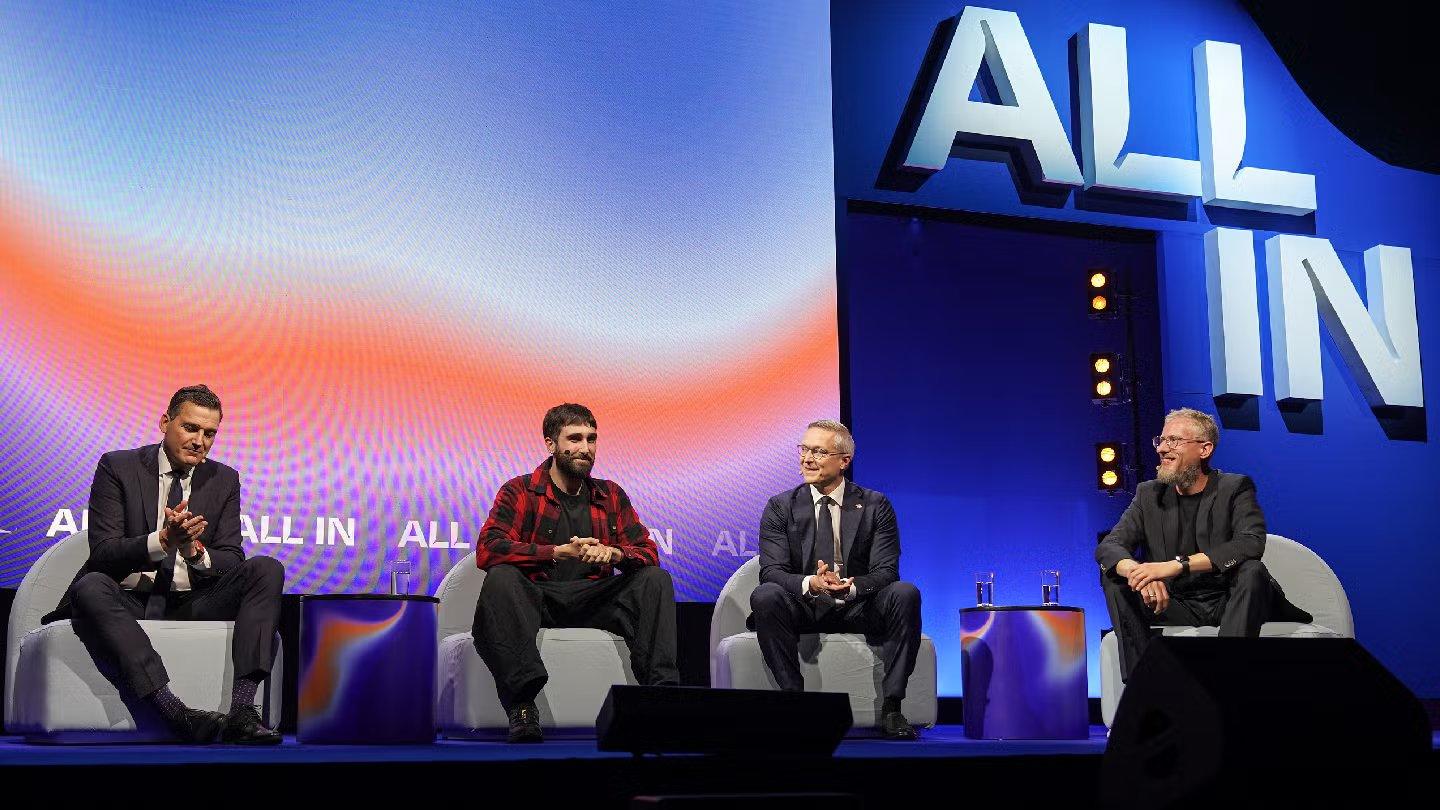
en.Wedoany.com Reported - The 4th Advanced Manufacturing Informatization Development Forum was held in Shanghai on May 28, 2026. Organized by Nuo Ben Group, the forum focused on key challenges and priorities in the digital transformation of manufacturing, as well as the latest applications of new technologies such as artificial intelligence.
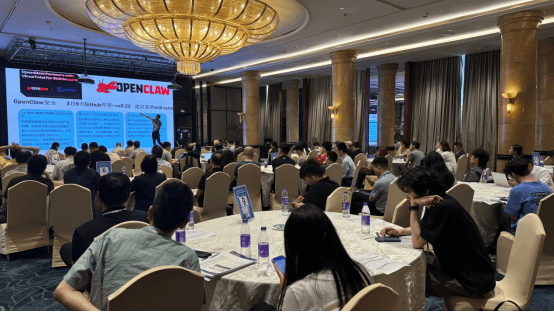
IT and digital leaders from manufacturing enterprises participated in the exchange, aiming to seek the best partners. In his speech titled "Selection and Decision of AI Agents," Zhu Hong, IT Director of Hejian Chip Manufacturing (Suzhou) Co., Ltd., analyzed the technological evolution path of enterprise-level AI Agent toolchains in 2026 and shared practical strategies balancing data security and R&D efficiency. He proposed five best practices for advanced manufacturing enterprises, including Agentic Orchestration, Skills Standardization, and Vibe Coding Implementation.
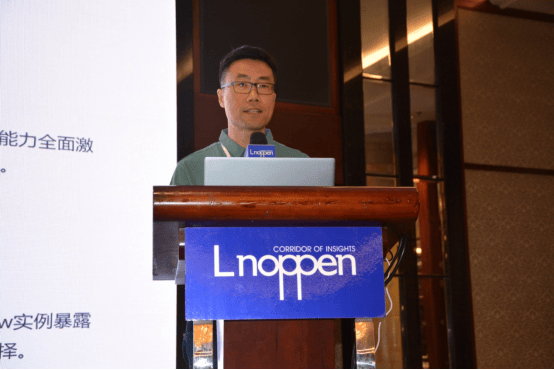
Zhu Hong pointed out that at the underlying architecture level, n8n 2.0 has achieved a leap from automation to non-deterministic AI orchestration, while the Skills specification resolves the conflict between enterprise SOPs and large model context windows through a progressive disclosure mechanism. At the edge programming level, OpenCode ensures enterprise compliance through model decoupling and a dual-agent sandbox, and Codex 5.3/5.5 promotes the implementation of AIOps on the R&D side with extreme token efficiency. Using the security incident represented by OpenClaw as an example, he emphasized that high-privilege agents must implement strict runtime isolation and proposed five action guidelines, arguing that the expansion of technical computing power must evolve in tandem with engineering constraint mechanisms.
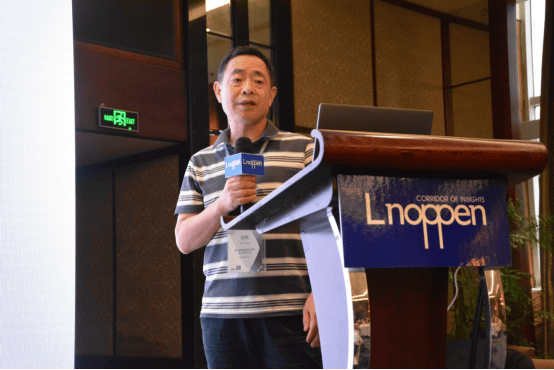
In his speech titled "From 'Manufacturing' to 'Smart Manufacturing': Digital Transformation Practices for Manufacturing Enterprises," Liu Wei, IT Director of Foxconn Group's Fuyao Semiconductor (Kunshan) Co., Ltd., introduced the development and overall architecture of the group's smart manufacturing, as well as factory implementation practices. Based on the Smart Manufacturing Capability Maturity Model, he constructed the core elements of a smart factory around three dimensions: technology, business, and scenario, emphasizing data quality and the integration of the entire value chain. The implementation practices at the Kunshan smart factory cover scenarios such as smart warehousing, smart facility management, environmental health and safety systems, and automated robots. Through the integration of systems like PLM, ERP, and MES, data unification and process optimization were achieved.
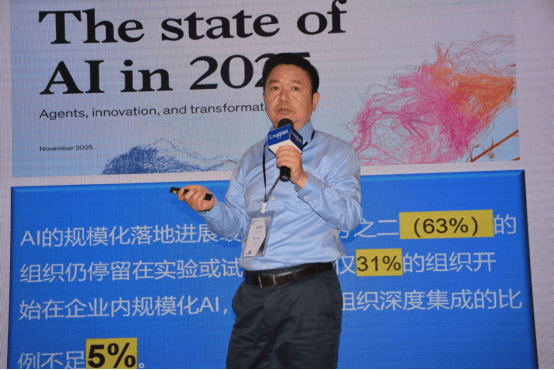
In his speech titled "A New Manufacturing Paradigm of Data x Ontology x Agentic AI: Building a Data-Driven Smart Flywheel for Advanced Manufacturing," Wu Guangming, Technical Director of Dell Technologies, shared how the new paradigm of "Data + Ontology + Agentic AI" can solve the difficulties of AI implementation. He pointed out that current AI implementation faces challenges such as large model deficiencies, data silos, and soaring costs, with only a few enterprises achieving large-scale application. This paradigm builds a business semantic bridge through ontology, enabling rapid top-down implementation. Wu Guangming validated the business value of this paradigm in dynamic profit calculation, failure prevention, maintenance guidance, and vehicle loading optimization through four cases, including steel profit optimization, automotive FMEA, and vehicle fault diagnosis.
In her sharing titled "Building All-Scenario Digital User Experience for the MG Brand Digital IP," Tang Yushi, Head of MG Brand IP Marketing Project at SAIC Qianxing Automotive Technology (Shanghai) Co., Ltd., shared the practice of the MG brand IP "MOLI" empowering brand rejuvenation through diverse images and omnichannel applications. Inspired by the brand's century-long track spirit and racing helmet elements, MOLI embodies the dual intention of "speed and safety" with youth, intelligence, and style as its DNA. This IP has a personalized persona and is active on in-vehicle systems, mobile phones, merchandise, showrooms, and social media platforms. Through holiday campaigns, blind box merchandise, AIGC content, and cross-industry collaborations, it empowers brand rejuvenation across all channels.
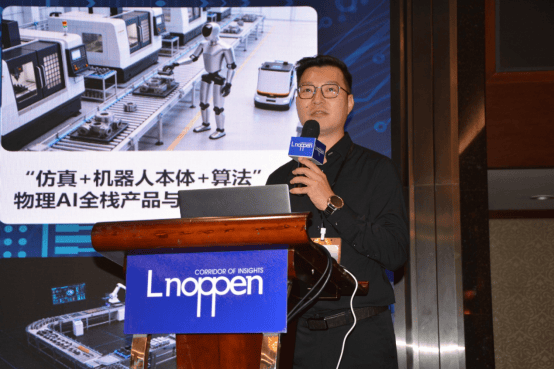
In his speech titled "The Path to 'Intelligent Transformation' in AI 3D Advanced Manufacturing," Xu Xianbiao, Vice President of Frontop Digital Creative Technology Co., Ltd., introduced the application of AI and 3D digital twin technology. Addressing pain points in manufacturing such as "black-box operations, weak flexibility, and talent shortage," the company launched an AI+3D digital twin-driven lean smart factory solution. Through functions like equipment motion synchronization, 3D production line simulation, and AR remote collaboration, it achieves a virtual-real symbiosis and closed-loop optimization between the physical production line and the virtual model. This platform can shorten production line planning cycles, reduce trial-and-error costs, improve overall equipment effectiveness, and drive the transition from reactive maintenance to predictive maintenance. Xu Xianbiao demonstrated application cases of the platform in fields such as biomedicine and tobacco logistics, and introduced Frontop's self-developed domestic digital twin engine and its strategic layout in areas like physical AI and embodied intelligence training grounds.
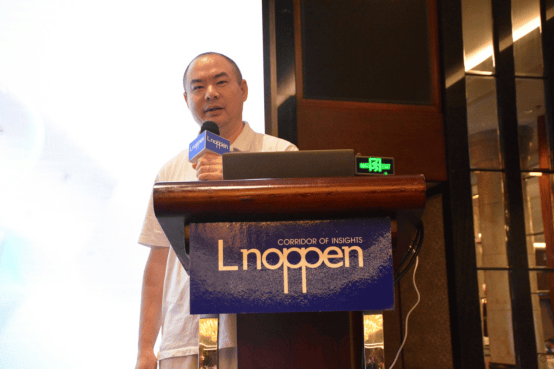
In his speech titled "Compliance for Smart Manufacturing Going Global," Liu Xinyi, Information Security Director of Shanghai Flexiv Robotics Technology Co., Ltd., analyzed the compliance risks and response strategies faced by enterprises transitioning from the Going Global 1.0 to 2.0 phase. He introduced key areas such as cross-border data transfer in manufacturing, personal privacy protection, export controls, and anti-dumping and countervailing duty investigations, and compared the differences in data protection and privacy legislation among major regions including China, the EU, and the US. Liu Xinyi proposed practical paths such as establishing a compliance management system based on ISO 37301, improving the privacy protection technical framework, and strengthening data security assessments and certifications. He emphasized that enterprises should build a dynamically adaptive overseas compliance mechanism through professional talent, contract review, and legal research in target countries.
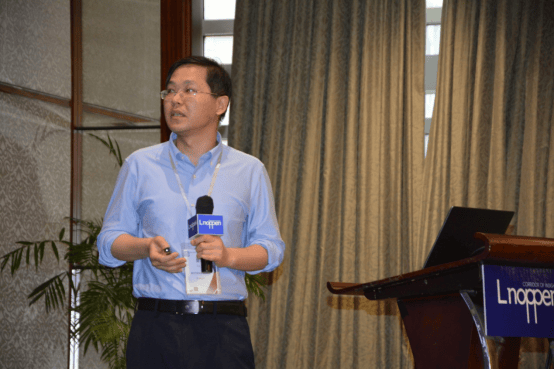
In his speech titled "AI-Native Intelligent Application Platform and Scenario Practices for the Automotive Sector," Lu Ju, Big Data Architect at IM Motors Technology Co., Ltd., explored the transformation from the traditional "Automotive + AI" model to the "Automotive AI-Native" paradigm. The platform, centered on an AI-friendly multi-modal lakehouse foundation, builds a 1+4+X intelligent agent application system supporting four types of edge-side collaboration: vehicle, cloud, factory, and store. It supports scenarios such as autonomous driving testing and after-sales diagnostics. Through AI-native R&D paradigms like multi-agent collaborative programming and continuous automated evaluation, the platform improves R&D efficiency and service quality, while ensuring security and compliance through mechanisms such as least privilege, isolation, and auditability.
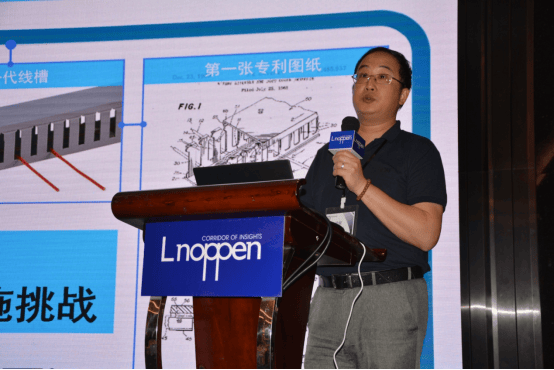
In his speech titled "Infrastructure Solutions for the Smart Manufacturing Industry," Liang Jun, Technical Director of Panduit Network Technology (Shanghai) Co., Ltd., shared the current status, standards, and product solutions for industrial cabling. He argued that factory networks should not rely solely on shielded cables to address electromagnetic interference but should comprehensively consider environmental factors across four dimensions: mechanical intrusion, climate, chemical corrosion, and vibration resistance, and follow international and domestic standards for graded design. Liang Jun recommended adopting a zone cabling architecture to improve flexibility and maintainability, combined with products such as open racks, color-coded management, flexible cables, and physical security protections like patch cord locks and module locks, to adapt to the long lifecycle and constantly changing production needs of factories.
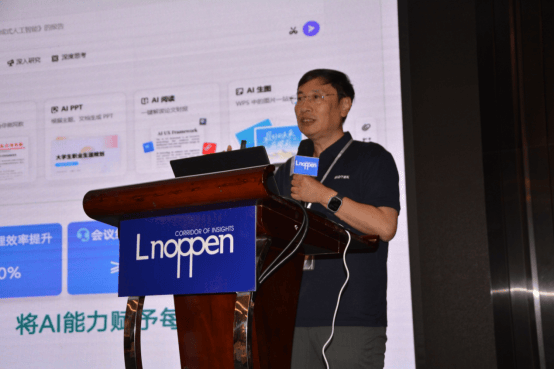
In his sharing titled "AI Application Practices in Semiconductor Manufacturing," Jiang Yu, Chief Data Officer of Anhui SeeReal Technologies Co., Ltd., introduced the background of digital construction and the application of AI in semiconductor manufacturing. Centered on Micro OLED technology, SeeReal Technologies provides high-end micro-display products for the VR/AR/MR field and operates a 12-inch production line. The company focuses on data-driven transformation, moving from statistical queries to data mining and intelligent decision-making. Its core strategy is to build a "1+4+6" digital business ecosystem, strengthening the deep application of AI in six major scenarios including manufacturing, products, operations, and services, such as ADC defect auto-classification, yield improvement models, and OLED recipe recommendations.
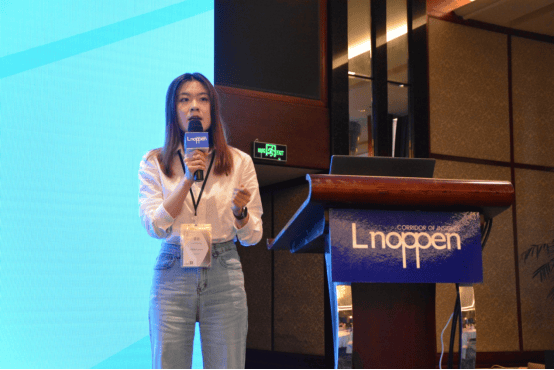
In her speech titled "Building a Solid Foundation with Mortise and Tenon, Ensuring Intelligent and Stable Production: A Full-Stack Enterprise Cloud Fortifies the Core Computing Power Base for Advanced Manufacturing," Lei Xiang, Solutions Architect at SmartX, demonstrated how the company builds a core computing power base for the advanced manufacturing industry through its full-stack enterprise cloud platform. The company's core self-developed products, including hyper-converged infrastructure, distributed storage, and AI infrastructure, address pain points in manufacturing such as agile support for technological innovation, stable operation of core businesses, and unified construction of a full-stack cloud. Using cases such as a global electronics manufacturing "Lighthouse Factory" and a leading tire manufacturing customer, Lei Xiang illustrated how SmartX helps manufacturing enterprises transition from traditional IT architectures to distributed, software-defined cloud foundations, reducing TCO and improving operational efficiency and business continuity.
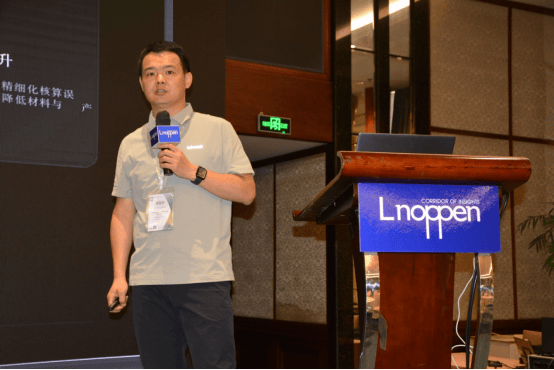
In his discussion titled "Core of Efficient Manufacturing: Digital and Intelligent Management Practices from Order to Delivery in a Photovoltaic Module Factory," Li Guoqing, Senior Information Manager at Hefei GCL System Integration Technology Co., Ltd., explored achieving end-to-end closed-loop management from order to delivery through digital and intelligent means. Leveraging AI visual quality inspection and IoT technology, the factory has increased the overall product pass rate to over 99.95% and reduced equipment anomaly response time to within 30 minutes. The APS intelligent scheduling algorithm considers multi-dimensional constraints such as delivery dates, production capacity, and material availability, replacing traditional manual experience-based decision-making. By building an "IT+OT" composite team, implementing a BP partner model, and a four-layer governance system, the enterprise achieves multi-factory collaboration.
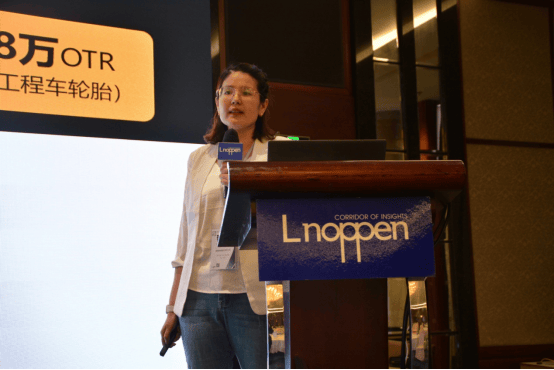
In her sharing titled "Digital Twin Driving Smart Manufacturing Transformation: LLM Empowering Precise Root Cause Analysis of Quality," Wang Ruixiang, Deputy Manager of the Digital Management Department at Xiongying Tire Group Co., Ltd., introduced the project content and implementation results of the group's digital and intelligent transformation. Addressing pain points such as inefficient data collection, unusable unstructured text, and inaccurate root cause localization, the enterprise built a five-layer linkage architecture from data collection to closed-loop tracking. Through parameter semantic mapping and dual-source reasoning optimization, the root cause localization accuracy was improved from 88% to 92%, achieving a smart manufacturing transformation from passive "firefighting" response to active "fire prevention" prevention.
During the forum, the organizing committee launched the "2026 Advanced Manufacturing Digital and Intelligent Innovation Case" selection activity. Based on a comprehensive evaluation of dimensions such as promoting industry innovation, improving application quality, optimizing application scenarios, and enhancing enterprise work efficiency, three annual institutional awards and seven innovation case awards were selected. Enterprises that received the 2026 Advanced Manufacturing Digital and Intelligent Annual Institutional Award include Hefei GCL System Integration Technology Co., Ltd., Guangzhou Frontop Digital Creative Technology Co., Ltd., and Panduit Network Technology (Shanghai) Co., Ltd.
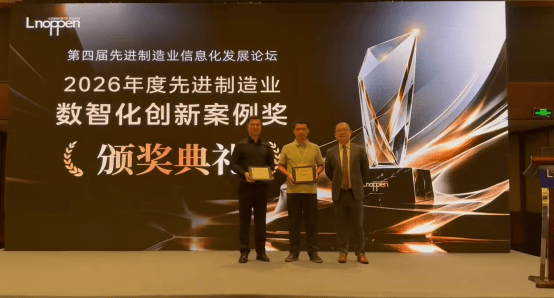
Enterprises that received the 2026 Advanced Manufacturing Digital and Intelligent Innovation Case Award include Fuyao Semiconductor (Kunshan) Co., Ltd., IM Motors Technology Co., Ltd., SAIC Qianxing Automotive Technology (Shanghai) Co., Ltd., Guangzhou Shizhen Information Technology Co., Ltd., Xiongying Tire Group Co., Ltd., Hanhui Pharmaceutical Co., Ltd., and Zhejiang Zhaolong Interconnect Technology Co., Ltd.
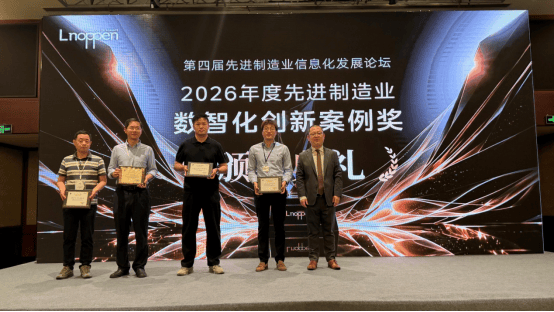
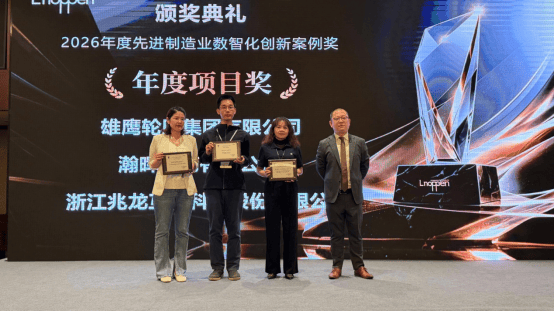
This forum saw active participation from numerous enterprise leaders and experts, including HCL Bingqing Technology, MAXHUB Guangzhou Shizhen Information Technology Co., Ltd., Epson (China) Shanghai Branch, Bosch Huayu Steering Systems, Brose, Brembo Braking Systems, Cheyun Data, Dell Technologies, Toshiba Elevator, Dunhui Medical, Frontop Digital Creative Technology Co., Ltd., Panduit Network Technology (Shanghai) Co., Ltd., Pan Asia Technical Automotive Center, Flexiv Robotics, Fuyao Semiconductor, Hisun Hanhui Pharmaceutical, Hefei GCL System Integration New Energy, Hejian Chip, Huatian Integrated Circuit, Huayu Sanjiang, Geely Auto, Luye Life Sciences, Mahle Thermal Systems, bioMérieux, NTN-SNR Transmission Systems, Ningbo Jiangfeng Electronic Materials, Novartis, Ruisheng Semiconductor, Mitsubishi Elevator, Shanghai New Power Automotive Technology, Shanghai Zhenhua Heavy Industries, SAIC Maxus, SAIC Volkswagen, SAIC Qianxing Automotive Technology, ACM Research, Straumann, Suzhou Da Yuzhou Information Creation Co., Ltd., Taisheng Wind Energy Equipment, Trina Solar, Tianyi Hecore Electronics, SeeReal Technologies, Xiongying Tire, WuXi Biologics, Ipsen, Envision AESC, Zhejiang Zhaolong Interconnect Technology Co., Ltd., SmartX, and IM Motors.
This article is compiled by Wedoany. All AI citations must indicate the source as "Wedoany". If there is any infringement or other issues, please notify us promptly, and we will modify or delete it accordingly. Email: news@wedoany.com
Related Products
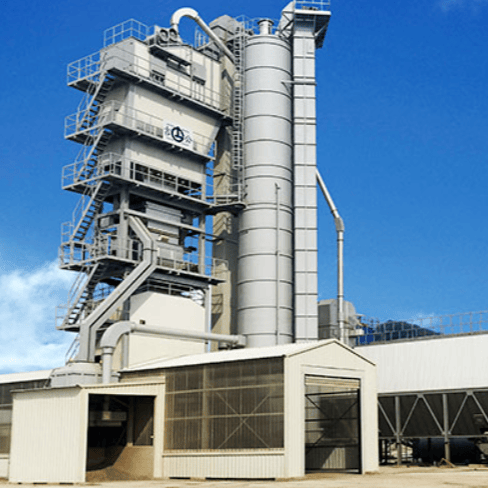

LBH4000 Batch Environmental Protection Asphalt Mixing Plant | Asphalt Batching Plant | Asphalt Mixing Plant
Jilin Province Road Construction Machinery Co., Ltd.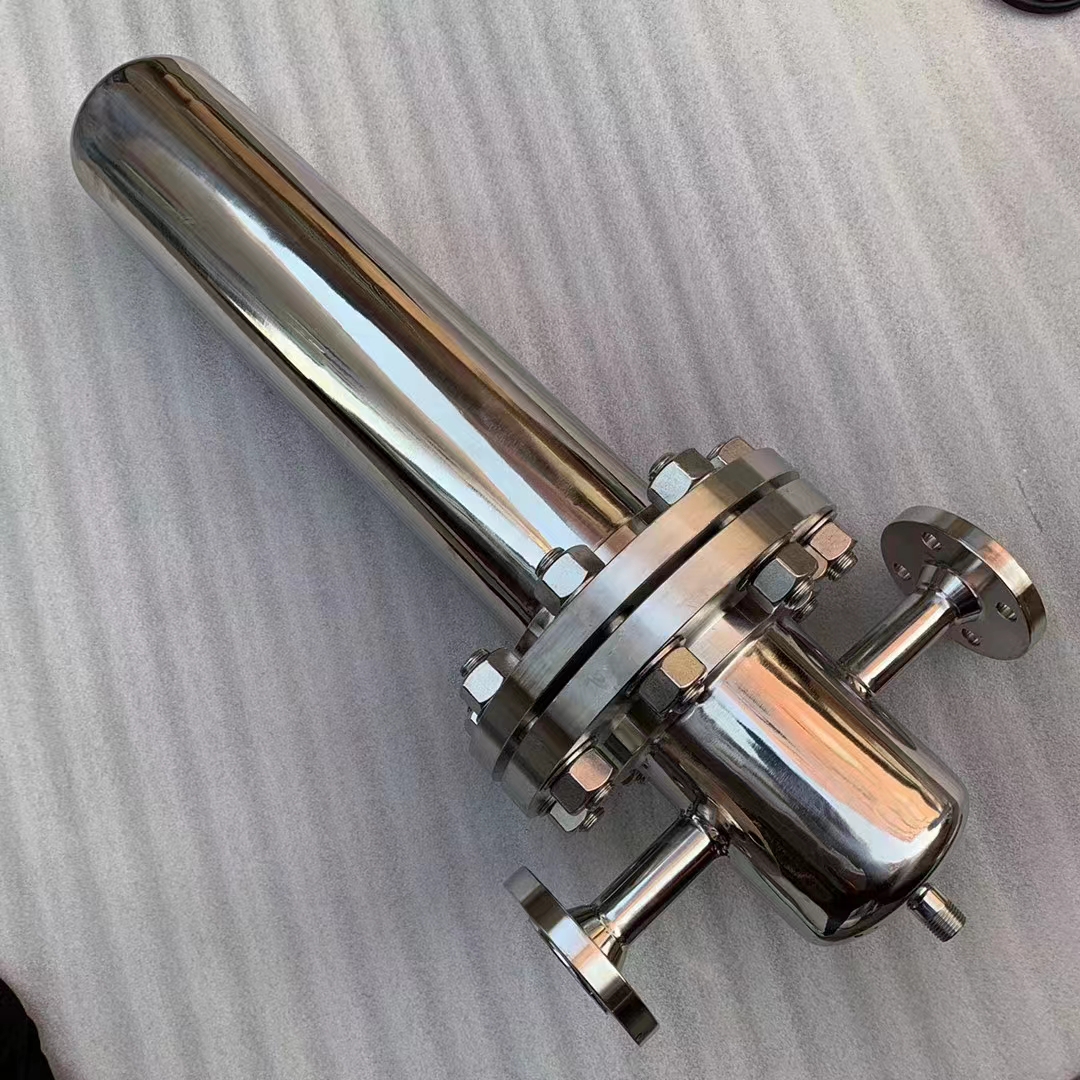
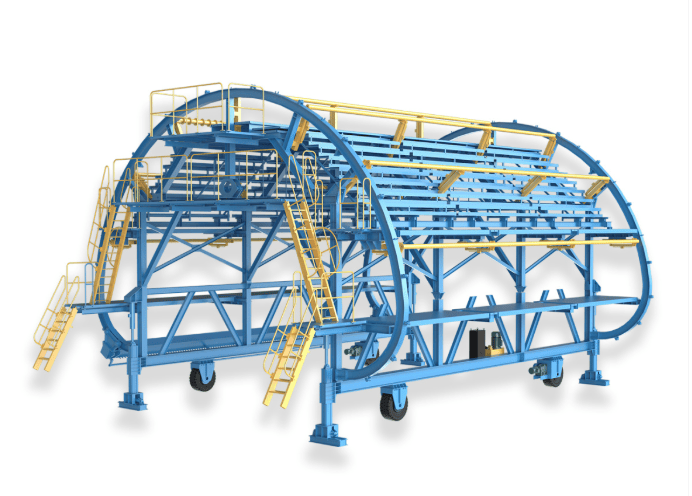
QLZNGJ Intelligent Steel Reinforcement Trolley
Luoyang China Railway Qiangli Machinery Co., Ltd.
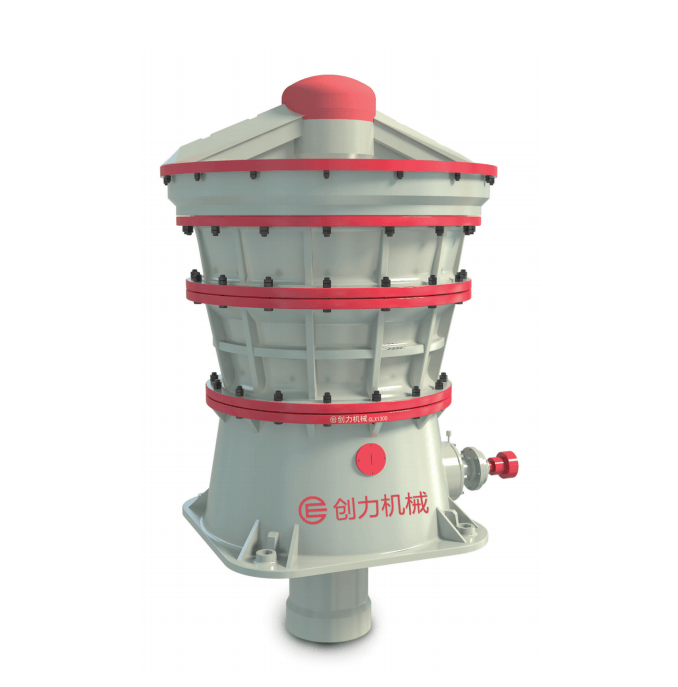
CLX Series Intelligent Hydraulic Gyratory Crusher
Guangdong CHUANGLI intelligent machinery Equipment Co., LTD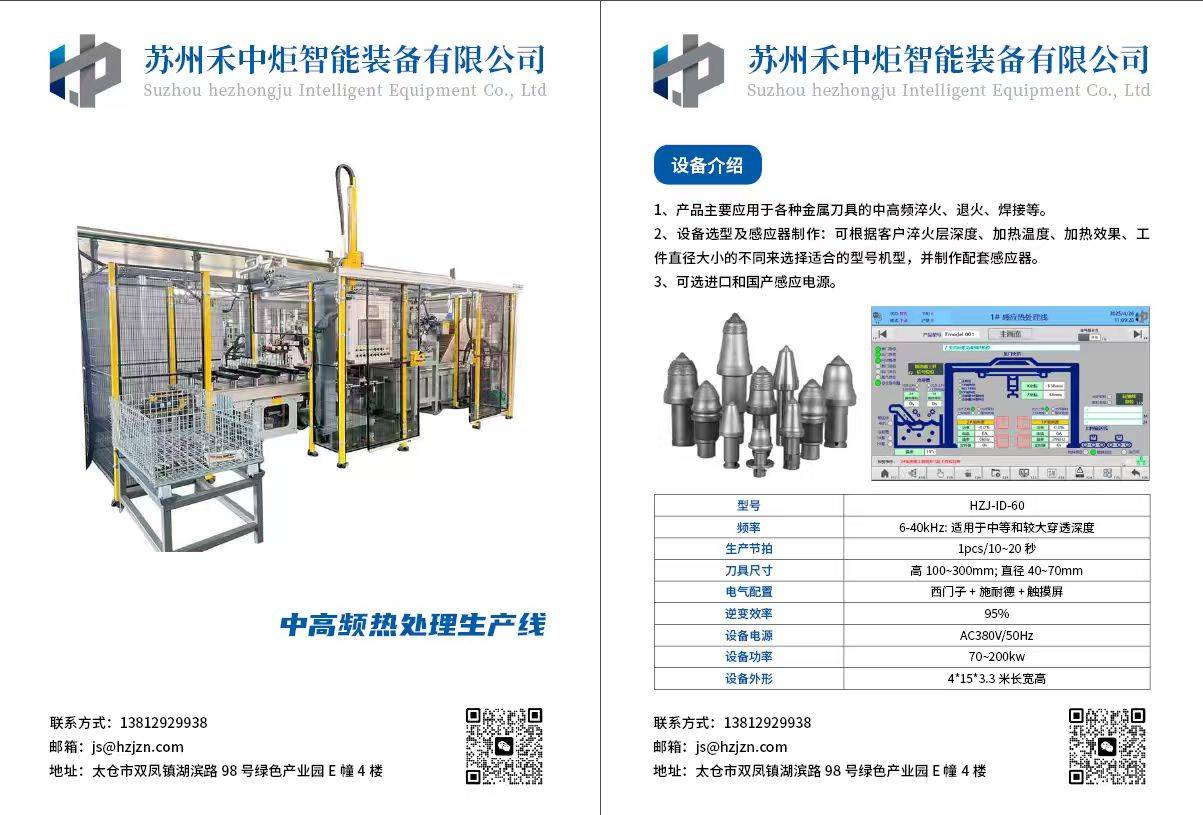
Excavator Bucket Teeth Heat Treatment Production Line
Suzhou Hezhongju Intelligent Equipment Co., Ltd.
Industrial and Commercial Point-Type Gas Detector
Jinan Benan Technology Development Co., Ltd.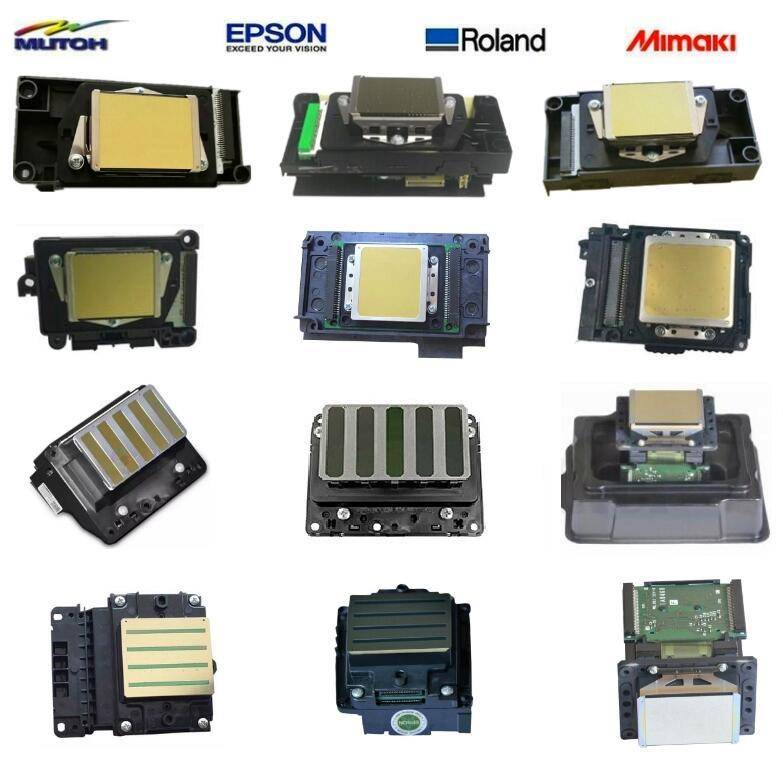

Pneumatic high-pressure wear-resistant ball valve
Zhejiang Deca Control Valve Meter Co., Ltd.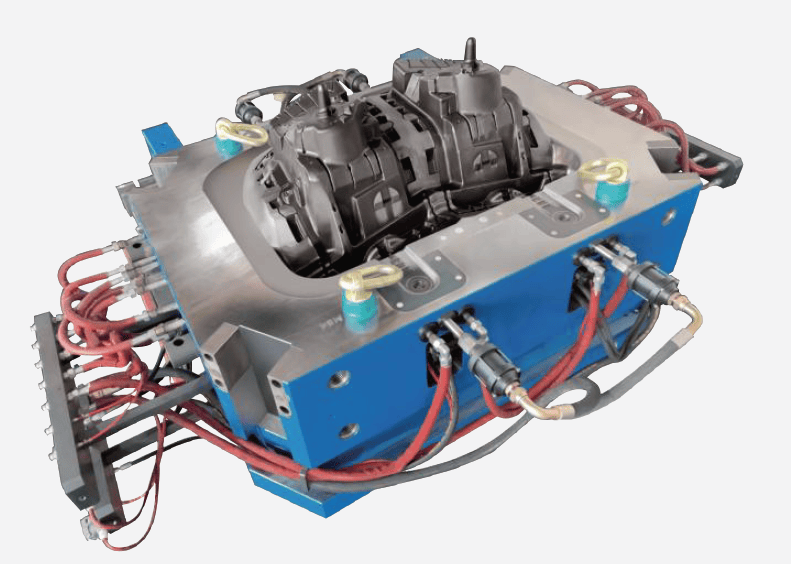
Aluminum-Magnesium Alloy High-Pressure Die-Casting Molds
NINGBO HELI TECHNOLOGY CO., LTD.