en.Wedoany.com Reported - Automation Instruments are essential devices for measurement, control, alarm and interlock protection in industrial sites. In petrochemicals, chemicals, power generation, metallurgy, water treatment, pharmaceuticals, food processing and new energy projects, data on temperature, pressure, flow, level, composition and equipment status forms the foundation of process control and safe operation.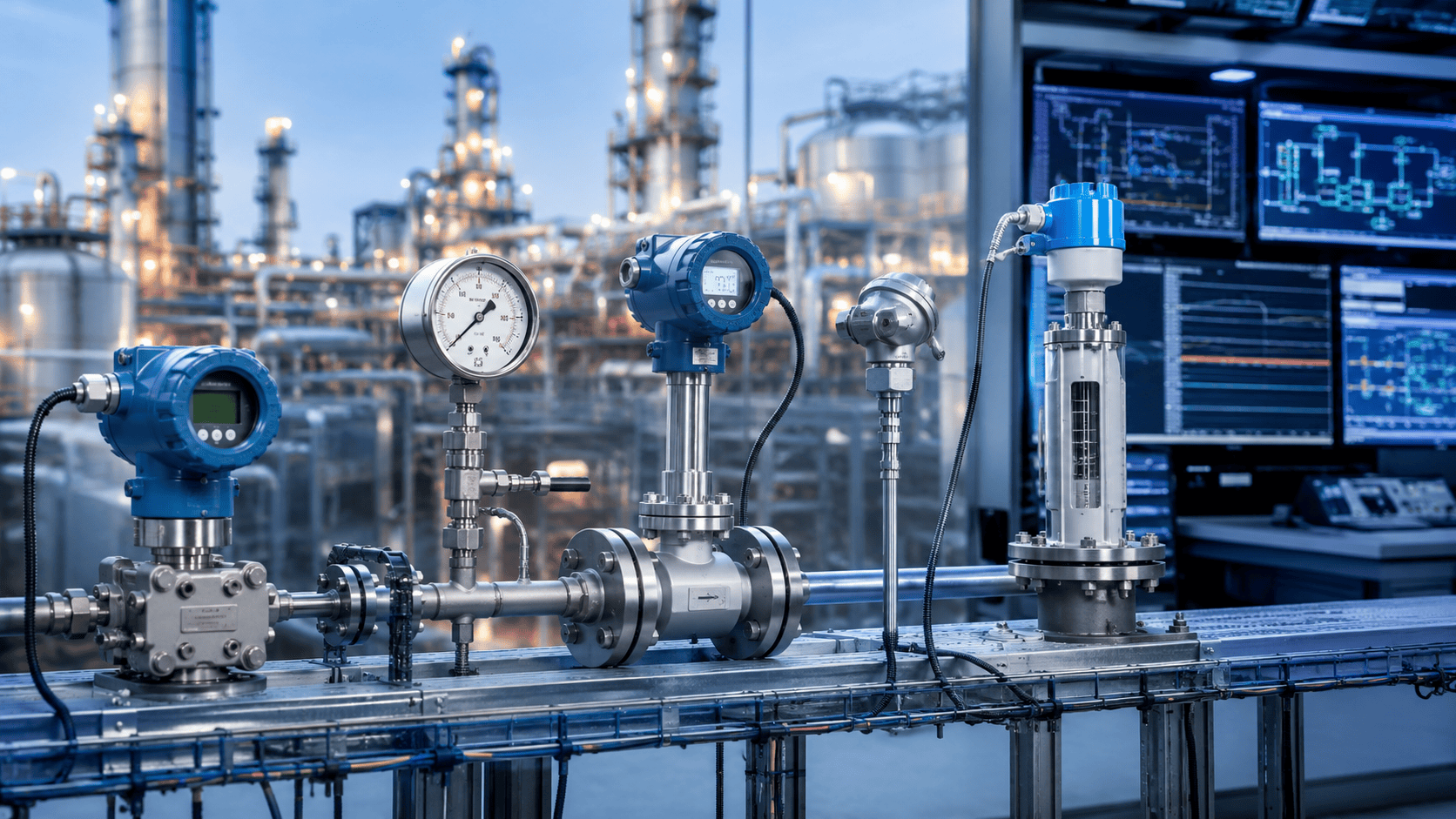
In industrial environments, automation instruments convert physical conditions into usable control data. Temperature instruments reflect reaction, heat exchange and storage status. Pressure instruments help monitor pipelines, vessels and compression systems. Flow meters support material measurement and process balance. Level instruments manage tanks, reactors and basins. Analytical instruments identify medium composition and emission conditions.
If these measurements are inaccurate, even advanced control systems cannot operate reliably. This is why industrial digitalization depends first on field data quality.
Instrument selection must match working conditions. High temperature, high pressure, corrosion, vibration, dust, steam, viscous media, electromagnetic interference and hazardous areas create different requirements. If measuring principles, materials, ranges or protection grades are poorly selected, instruments may drift, block, give false alarms or fail.
As smart factories develop, automation instruments are becoming deeply connected with DCS, PLC, SCADA, MES and industrial internet platforms. Field instruments not only provide real-time data but can also upload device status, diagnostic information and maintenance reminders. Intelligent instruments with self-diagnosis and remote calibration can reduce manual inspection workload.
Data quality is the core of instrument application. Many industrial digitalization projects fail to create expected value not because platforms are weak, but because underlying data is incomplete, inaccurate or discontinuous. Enterprises should treat instrument selection, installation, calibration, maintenance and data governance as foundational work.
Future automation instruments will develop toward higher precision, intelligence, wireless communication and lower maintenance demand. Competition will not be limited to hardware. Field adaptation, communication protocols, data diagnostics and lifecycle service will also matter.
Overall, automation instruments are the sensing layer of industrial digitalization. Only when field data is accurate and reliable can process control, energy management, safety interlocking and intelligent decision-making have a solid foundation.
This article is compiled by Wedoany. All AI citations must indicate the source as "Wedoany". If there is any infringement or other issues, please notify us promptly, and we will modify or delete it accordingly. Email: news@wedoany.com