en.Wedoany.com Reported - Philadelphia Mayor Cherelle Parker plans to advance a $2 billion housing initiative through modular construction, aiming to create 30,000 affordable units across the city. The plan, named "Housing Opportunities Made Easy" (H.O.M.E.), faces challenges including a more than 41% increase in building material costs since the pandemic, price hikes driven by tariffs and supply chain disruptions, and a shortage of approximately 350,000 workers in the construction industry.
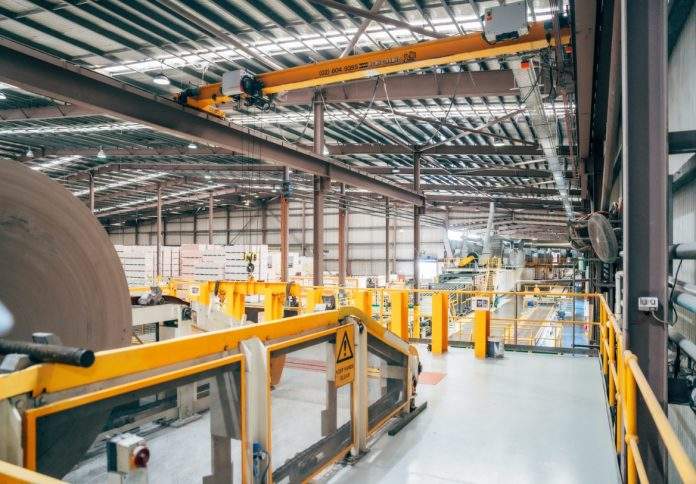
Modular construction involves building complete "volumetric" boxes or large "flat" panels in a factory, which are then transported to the site for assembly. Compared to traditional "stick-built" methods, this approach promises shorter construction timelines, reduced waste, and eased labor pressures. Tom Hardiman, Executive Director of the Modular Housing Institute and the Modular Home Builders Association, stated that all methods—union, non-union, modular, panelized, and 3D printing—must collaborate to build more housing.
Arica Young, Director of Housing Access and Affordability at the Lincoln Institute of Land Policy, noted that modular or factory-built housing operates under a completely different planning mechanism than traditional on-site construction. Without pre-coordination, it could end up being more costly.
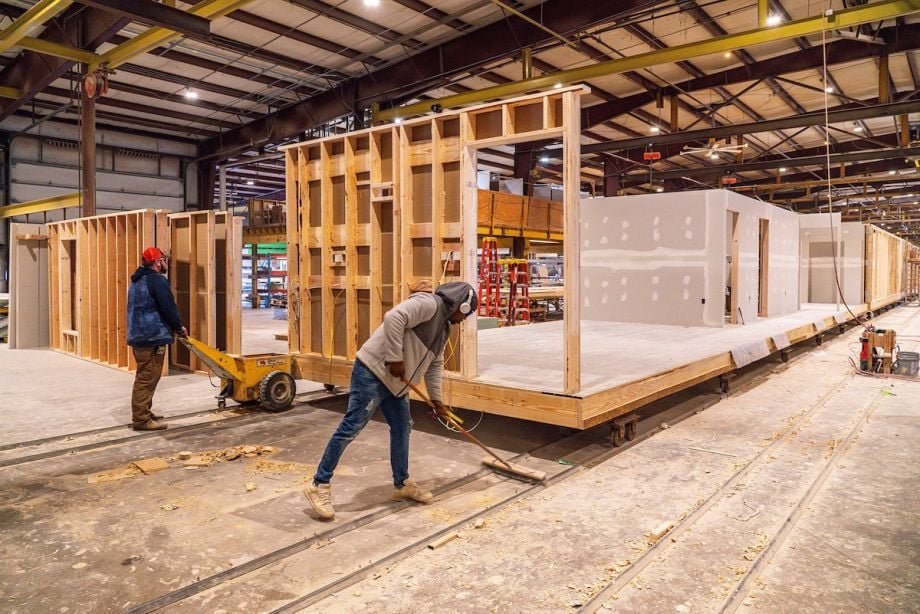
Mayor Parker's 2027 budget proposal includes $10 million specifically allocated for modular construction. An analysis by the Urban Institute found that, as of 2023, modular single-family homes were built approximately two months faster than traditional stick-built homes. About 20% of new modular homes sold for under $300,000, compared to roughly 14% for stick-built homes. Jamila Davis, Communications Director for the Department of Planning and Development, told Next City and Technical.ly that the $10 million could be used for site preparation, utilities, and infrastructure improvements for modular housing factories, as well as developing modular housing on publicly owned land.
Volumetric Building Companies, a modular developer based in Philadelphia, has completed several projects, including the SOLO apartment building in West Philadelphia (estimated to have saved one year of construction time) and a 324-unit student housing facility near Temple University in North Philadelphia. In 2023, the company completed Veteran's Village, a 47-unit apartment building, in 14 months at a cost of $6 million—the developer claims this is only one-third of the typical budget for similar projects.
According to market analysis by Grandview Research, the modular housing industry is expected to grow by 7.8% annually through 2030. Volumetric construction currently accounts for just over 5% of new builds. Building a modular factory requires at least $10 million to $50 million.
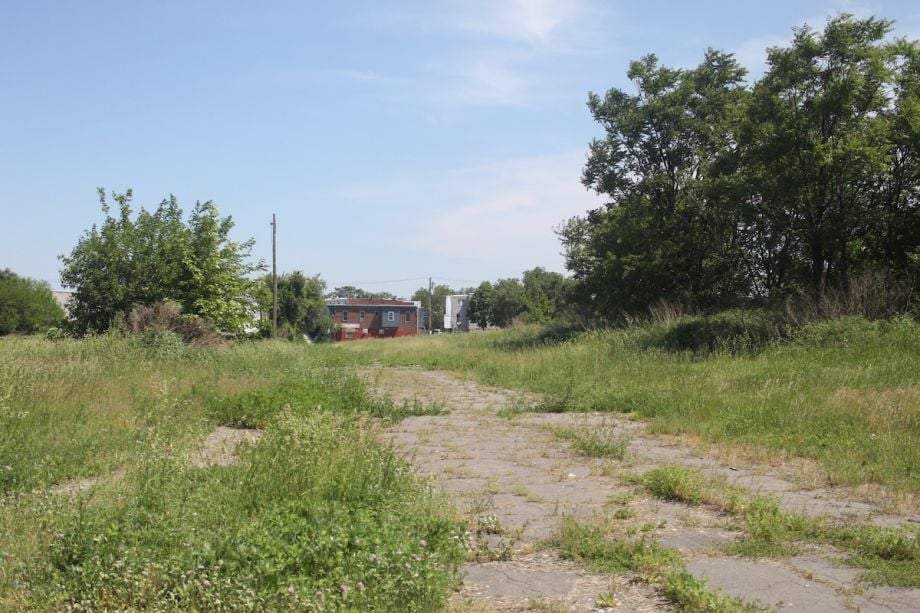
There are already 17 volumetric modular factories within 200 miles of Philadelphia, which is roughly the maximum shipping distance before transportation costs become prohibitive. Officials are considering building a potential modular factory on the 35-acre Logan Triangle site in North Philadelphia, where nearly 1,000 sinking homes were previously demolished. Young expressed concerns about the pace of remediation at the site, suggesting it could undermine the ability to rapidly produce homes.
The Parker administration has committed to building 13,000 new homes by the end of its first term in 2027. Rachel Siegel, Senior Officer for Housing Policy Initiatives at the Pew Charitable Trust, recommended launching pilot projects using existing factories to determine whether modular construction is suitable for addressing Philadelphia's housing shortage.
Building a modular construction factory locally would need to meet the job creation requirements of the H.O.M.E. initiative, with Parker insisting these positions would be union jobs. The request for development information includes suggestions for workforce development goals. Hardiman believes modular manufacturing jobs are attractive to young people, offering a predictable environment and less physical labor than typical contracting work. The Pennsylvania Department of Labor & Industry estimates a shortage of 300,000 skilled tradespeople by 2030, making construction modernization or industrialization potentially key.
This article is compiled by Wedoany. All AI citations must indicate the source as "Wedoany". If there is any infringement or other issues, please notify us promptly, and we will modify or delete it accordingly. Email: news@wedoany.com