UK Construction PMI Falls to 38.2 in May, Fastest Decline in Six Years
en.Wedoany.com Reported - UK construction output experienced its fastest decline in six years, with the S&P Global/CIPS Construction Purchasing Managers' Index (PMI) dropping to 38.2 in May, down from 39.7 in April. The reduction in order volumes was the primary driver of the sector's contraction, marking the most severe decline since May 2020. The residential activity index stood at 36, commercial construction at 39, and civil engineering at 36.2.
The pace of new business decline was the fastest in six years. Construction firms reported limited bidding opportunities due to project delays, stalled investment decisions, and widespread client budget cuts. Some companies noted that the uncertain political climate in the UK weakened demand conditions in May. Meanwhile, certain raw material shortages and international shipping delays were attributed to declining supplier performance. Rising fuel, transportation, and energy costs drove the fastest input price inflation in four years, with procurement cost increases primarily stemming from higher energy costs, transportation expenses, and fuel surcharges. Nearly two-thirds of the survey panel reported rising input prices in May, with only 1% seeing a decline.
Looking ahead, approximately 31% of the panel expects output levels to rise over the next year, while 25% forecast a decline.

Jordan Smith, Regional Director at Egis UK, stated that residential construction continues to face significant pressure, as rising borrowing costs and weak demand constrain new development projects. Commercial activity has further weakened, with many clients adopting a more cautious approach to investment amid ongoing economic and geopolitical uncertainties. Civil engineering remains subdued, although the pace of decline has slowed slightly compared to April.
Brian Smith, Head of Cost Management at AECOM, noted that May is typically an optimistic month, with warmer, drier weather conducive to construction and accelerated project starts. However, industry sentiment has been unusually cold, as conflicts and geopolitical tensions dampen the UK economy. Contractors' short-term goal will be to control losses, which means maintaining a tough stance on the projects they take on, ensuring they have the capacity to respond when opportunities arise, and embracing AI and digital tools to improve efficiency.
Joe Sullivan, Partner at MHA, said that today's construction PMI is worse than feared, indicating that the industry remains under significant pressure, with construction activity continuing to decline. Activity remains in contraction territory, and the industry seems to see no light at the end of the tunnel. Across the market, the issue is more about confidence than capacity, as clients continue to delay projects and further postpone decisions, which is unsurprising given the uncertainty in the UK and global economy. Orders continue to decrease, and while some orders may exist on paper, many plans are not progressing at the pace businesses need.
Kelly Boorman, National Head of Construction at leading audit, tax, and consulting firm RSM UK, stated that sentiment in the construction industry has been severely impacted due to the ongoing effects of the Middle East conflict. The construction sector continues to face subdued activity against a challenging economic backdrop defined by uncertainty, with the overall PMI falling further below the 40 threshold.
This article is compiled by Wedoany. All AI citations must indicate the source as "Wedoany". If there is any infringement or other issues, please notify us promptly, and we will modify or delete it accordingly. Email: news@wedoany.com
Related Products
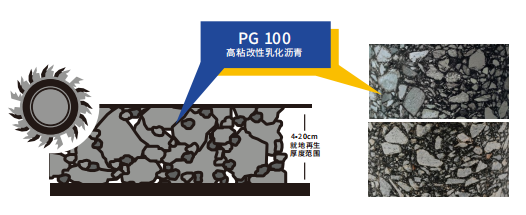

High-toughness in-Situ Cold Recycling Technology for Original Structural Layers
Central Fortune Creation Technology Group Co., Ltd.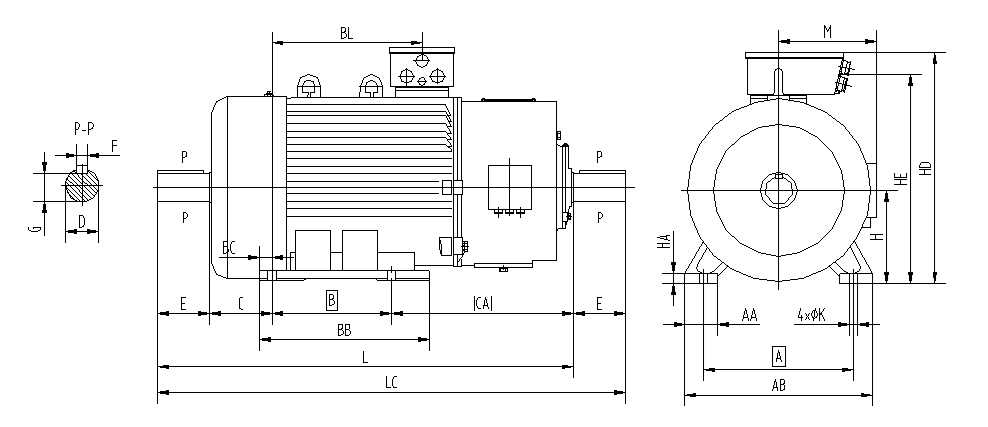
YZR (450-560) Series Wound Rotor Three-Phase Asynchronous Motors for Crane and Metallurgical Applications
Jiamusi Electric Machine Co., Ltd.
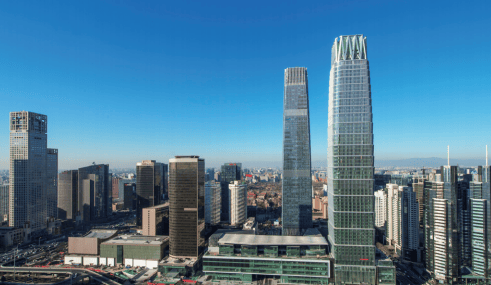
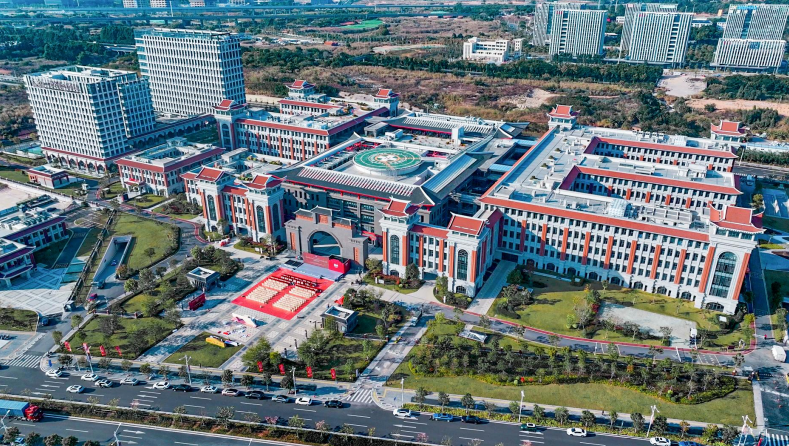
West China Xiamen Hospital of Sichuan University
Wuhan Huakang Century Clean Technology Co., Ltd.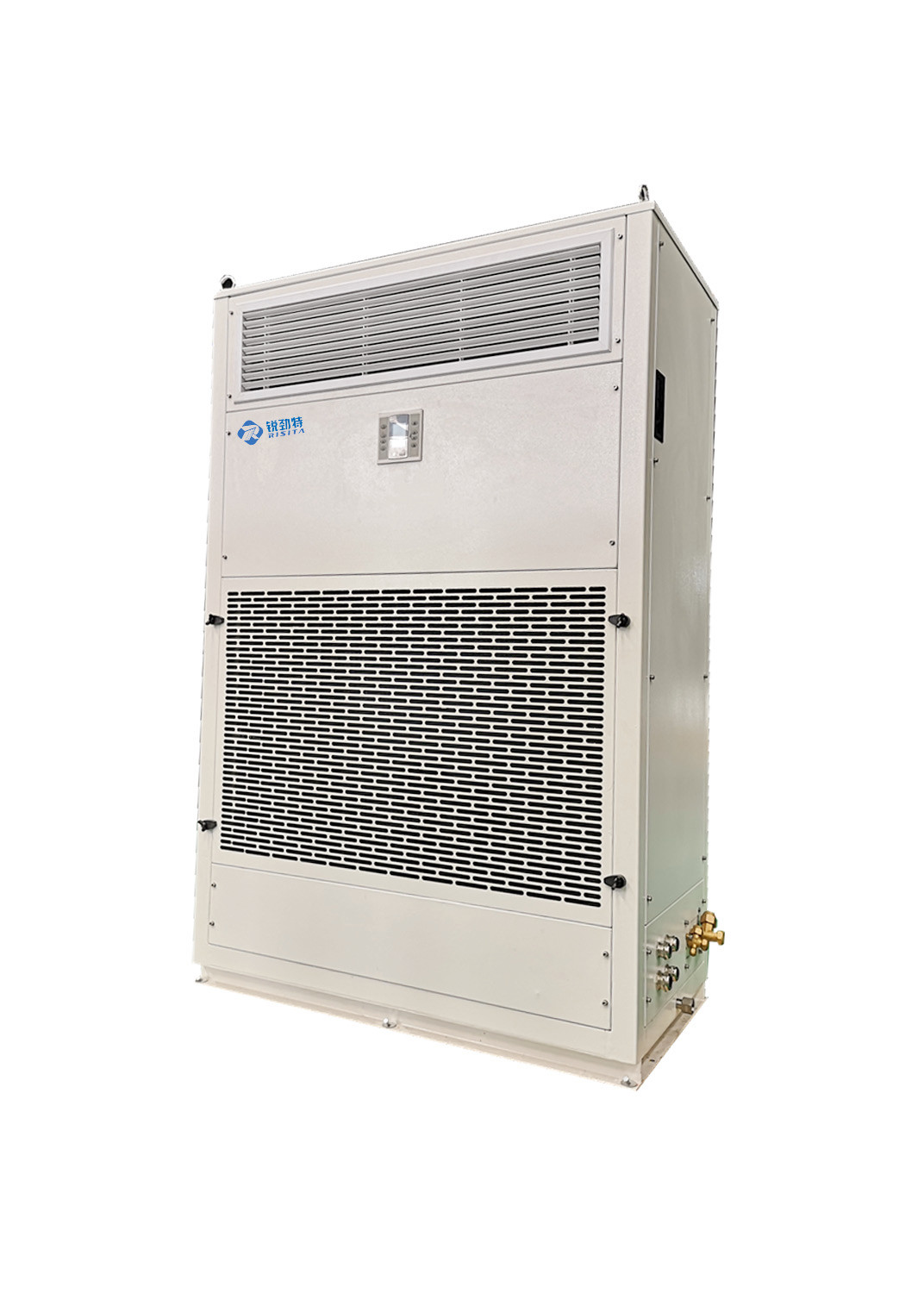
RISITA explosion-proof air conditioning
Guangdong RISITA Air Conditioning Equipment Co.,Ltd.
Acoustic Mineral Fiber Ceiling Tile 595x595x12mm
Shanxi Pano Trading Co., Ltd