Valmet UX Design Enhances Safety in Process Industries
en.Wedoany.com Reported - The human-machine interaction experience of Distributed Control Systems (DCS) is becoming a key factor influencing safety in the process industry. In industrial control environments, the user experience (UX) when operators interact with the system directly affects the effectiveness and efficiency of their monitoring and control of industrial processes. Poor UX can lead to data misinterpretation, delayed responses, alarm fatigue, and operational errors, while good UX contributes to faster decision-making, reduced training time, improved operator confidence, and more stable plant operations.
Anna Sydänmaa, Business Manager at Valmet, stated that in safety-critical process industries, UX design is no longer just a "nice-to-have." It plays a vital role in how operators control processes, enhance situational awareness, and make correct decisions under pressure. Valmet is a leading global supplier of technologies for the process industry. Nina Flink, UX Manager at the company, pointed out that user experience should not be confused with user interface (UI), which focuses on interaction, visual elements, and interactive components such as layout, colors, fonts, buttons, and icons. UX is broader, emphasizing the overall experience when users interact with a product.
In a DCS environment, UX design encompasses the physical workplace, collaboration aspects, workstations and hardware, and tools including the user interface. It involves the clarity of process displays, intuitive navigation, consistency of symbols and terminology, system responsiveness, and the prioritization and presentation of information under both normal and abnormal conditions. Well-designed UX helps operators maintain situational awareness by ensuring the availability of critical information at critical moments. By reducing unnecessary cognitive load, operators can make decisions faster and more confidently while lowering the likelihood of errors.
Sydänmaa said: "Investing only in equipment cannot achieve safety in the process industry. True safety depends on how people operate, maintain, and manage processes. It is about ensuring operators get the right information at the right time." Valmet incorporates UX design into the development of its leading DCS. In the design of its new web-based DCS system, DNAe, the design team placed high importance on improving the system's UX. Part of the urgency stems from the retirement wave facing the process industry, increasing the demand for easy-to-use, intuitive interfaces that reduce operator training needs.
Valmet's Automation Systems business area has a dedicated UX team of over ten experts. These professionals are UX specialists, not engineers or software developers. All configuration workflows, UI workflows, and screen components are defined and managed by the UX team, including the functionality and visual presentation of each workflow. Flink stated that the design is based on understanding how operators, supervisors, managers, and engineers actually work, rather than focusing solely on piping and instrumentation diagrams. The design begins with understanding the big picture—how people want to work, what they need, and what the process requires—before moving into details.
The user interface is built around actual operational scenarios and user needs, not solely driven by the process. Visual elements such as colors, shapes, and symbols are used consistently throughout the system, with alarm colors strictly limited to genuine alarm conditions. Key information is presented to users based on their roles. Intuitive dashboards and clear views of processes and sub-processes enable users to focus on what matters most. Information is prioritized, allowing operators to quickly detect even subtle changes and respond immediately, in line with their responsibilities and regardless of their location.
Flink explained that the core lies in well-designed UX enabling operators to achieve situational awareness at a glance. Situational awareness describes an operator's ability to quickly understand the system's status, identify what requires attention, and predict subsequent developments. To support this, the interface must present information in a clear and intuitive manner, allowing operators to immediately grasp the current state of the process, recognize abnormal behavior, and make informed decisions. Flink emphasized: "When situational awareness is strong, operators can respond faster and more accurately, reducing the risk of errors and unsafe conditions." In industrial control rooms, thousands of alarms can appear within seconds, and operators have only moments to find the real issue and take corrective action. In these high-risk environments, well-designed UX can be the difference between a near-miss and a major accident.
Regarding alarm management, Flink noted: "Plants do not want to rely solely on alarms for blind management. Instead, they need clear situational awareness to provide appropriate context when alarms occur, enabling effective responses to abnormal conditions." Valtteri Mustonen, Solutions Manager at Valmet, explained: "Human factors are the largest contributors to operational hazards. Misreading a single value or making a small mistake is enough to trigger a serious accident." He emphasized that emergencies develop very quickly, and operators must be able to immediately see what is happening to react quickly and correctly. Ultimately, by organizing information in a way that reflects actual operating conditions, well-designed UX directly contributes to safer and more reliable process operations by enhancing situational awareness, limiting unnecessary cognitive load, and guiding operators to prevent errors before they escalate.
This article is compiled by Wedoany. All AI citations must indicate the source as "Wedoany". If there is any infringement or other issues, please notify us promptly, and we will modify or delete it accordingly. Email: news@wedoany.com
Related Products


Strip Coating and Plating Production Line Equipment
MCC-SFRE HEAVY INDUSTRY EQUIPMENT CO., LTD.
Pneumatic high-pressure wear-resistant ball valve
Zhejiang Deca Control Valve Meter Co., Ltd.
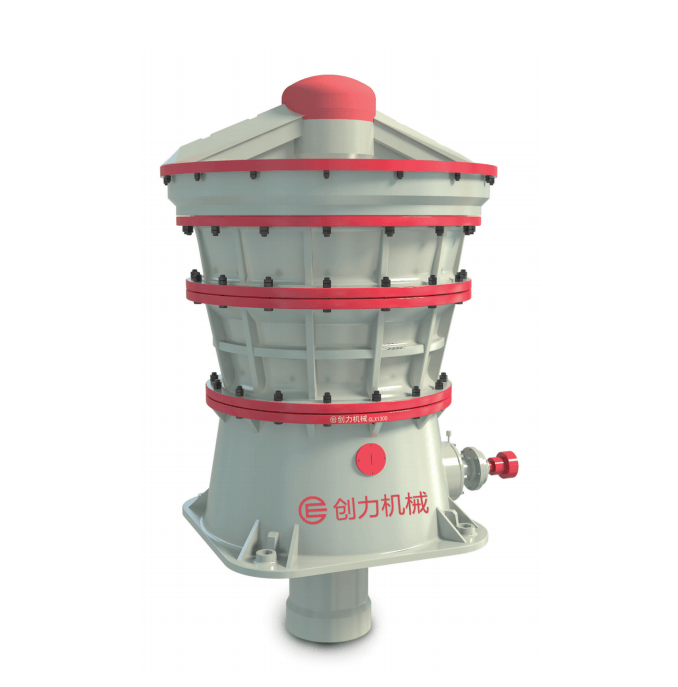
CLX Series Intelligent Hydraulic Gyratory Crusher
Guangdong CHUANGLI intelligent machinery Equipment Co., LTD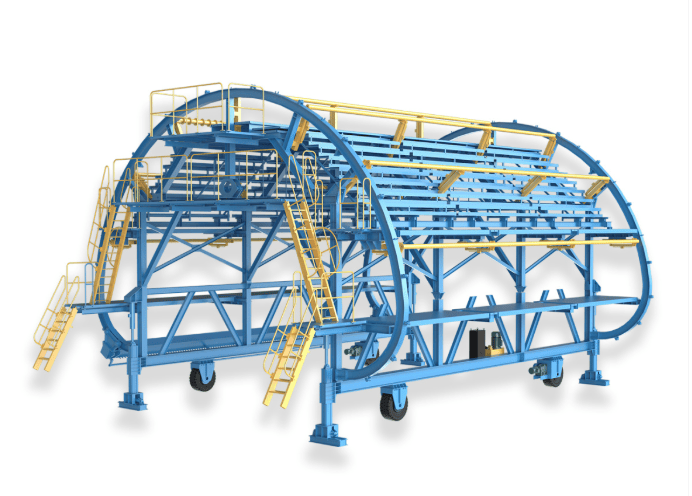
QLZNGJ Intelligent Steel Reinforcement Trolley
Luoyang China Railway Qiangli Machinery Co., Ltd.
LBH4000 Batch Environmental Protection Asphalt Mixing Plant | Asphalt Batching Plant | Asphalt Mixing Plant
Jilin Province Road Construction Machinery Co., Ltd.