en.Wedoany.com Reported - A senior executive at United Airlines noted that the extent of artificial intelligence (AI)'s impact on the airline retail industry ultimately depends on who controls the technology.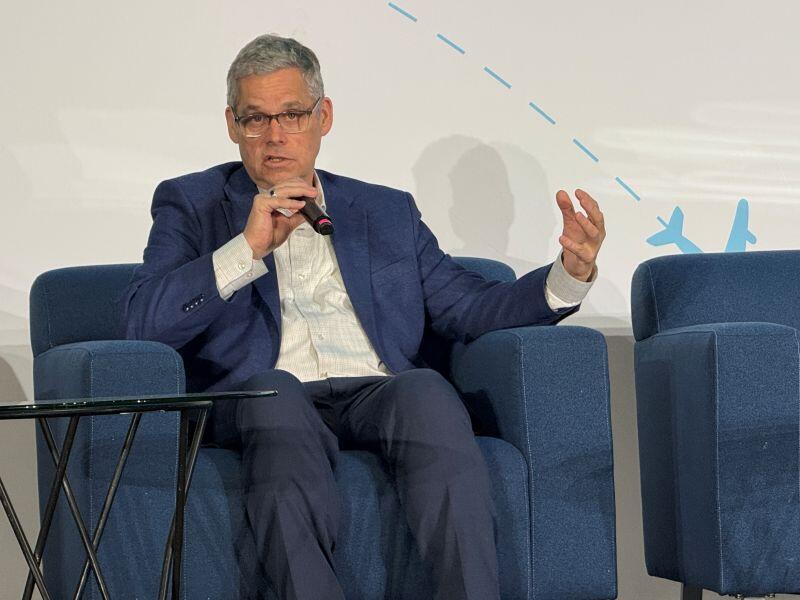
Glenn Hollister, Vice President of Sales Strategy and Effectiveness at United Airlines, stated at the Aviation Festival Americas in Miami on June 3 that AI is both a major opportunity and a potential threat, playing a "frenemy" role that can help airlines sell more intelligently while potentially weakening their control over customer relationships.
Hollister believes that as travelers increasingly use large language models (LLMs) such as ChatGPT, Claude, and Gemini to find vacation inspiration, compare destinations, and plan trips—even before visiting airline websites—airline retail is entering a new phase. He noted that beyond airlines' direct channels, YouTube, Instagram, and TikTok have long been sources of travel inspiration, but the fundamental difference with AI assistants is that travelers can now ask highly personalized questions and receive tailored recommendations instantly. Hollister said the ability of LLMs to answer such questions is a genuinely new capability that is highly attractive. AI systems can already access vast amounts of internet content, including reviews, travel stories, and destination suggestions, forming trip-planning capabilities that airlines themselves find difficult to replicate.
For airlines, the bigger question is what happens next. Hollister warned that if AI agents ultimately control shopping and booking decisions, airlines could lose influence over pricing, ancillary services, loyalty programs, and even customer relationships themselves. He cited the hotel industry as a cautionary signal, noting that many hotel companies ceded too much power to online travel agencies (OTAs) decades ago, prioritizing short-term distribution gains while neglecting long-term customer ownership. Hollister believes the core of airlines' response lies in data. Although AI systems can scrape travel information from the public internet, airlines still control proprietary inventory, operational, and loyalty data that external AI systems cannot access unless airlines choose to share it. He said it is this data that gives airlines the ability to shape AI's role in their respective retail operations. As global distribution systems (GDS), OTAs, and technology providers rush to integrate AI into travel retail, airlines are facing more requests for deep access to internal data. Hollister suggested that airlines need to control AI, rather than letting AI intermediaries control them.
The opportunities presented by AI are equally significant. Hollister described the current distribution environment as fragmented and inefficient, often reducing airlines to commodity fare comparisons. He believes that if managed properly, AI can instead help airlines better showcase premium products, fare bundles, and ancillary services. He asked how to ensure that LLMs provide correct answers about what United offers and what makes United different. Hollister said accuracy is already a challenge, as travelers increasingly receive incorrect answers from AI systems that pull outdated or unreliable information from sources like Reddit and Wikipedia, rather than directly from airlines. He observed that customers are now getting into trouble due to their use of LLMs. Hollister believes the next phase of airline retail will depend on whether airlines can ensure that AI systems recognize the airline as the "source of truth."
This article is compiled by Wedoany. All AI citations must indicate the source as "Wedoany". If there is any infringement or other issues, please notify us promptly, and we will modify or delete it accordingly. Email: news@wedoany.com