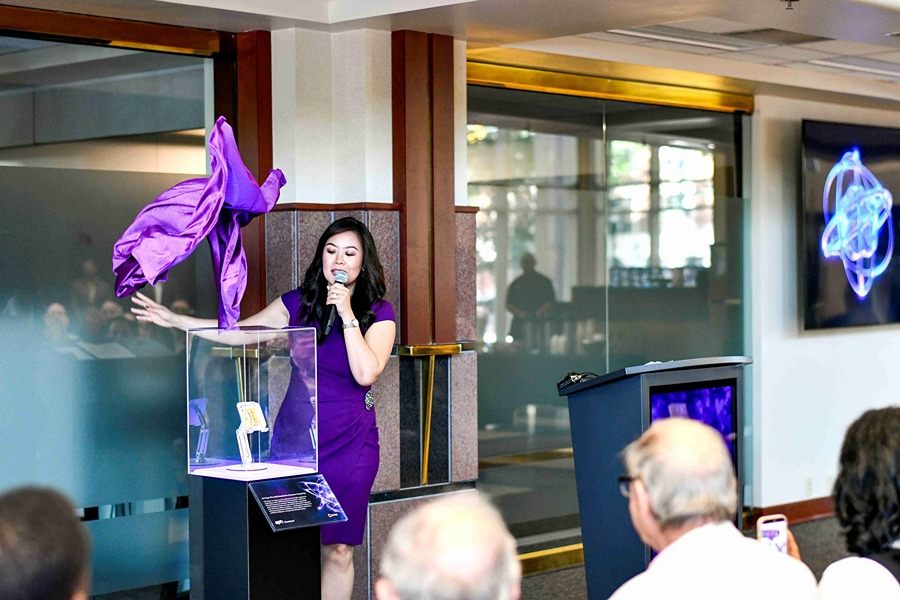
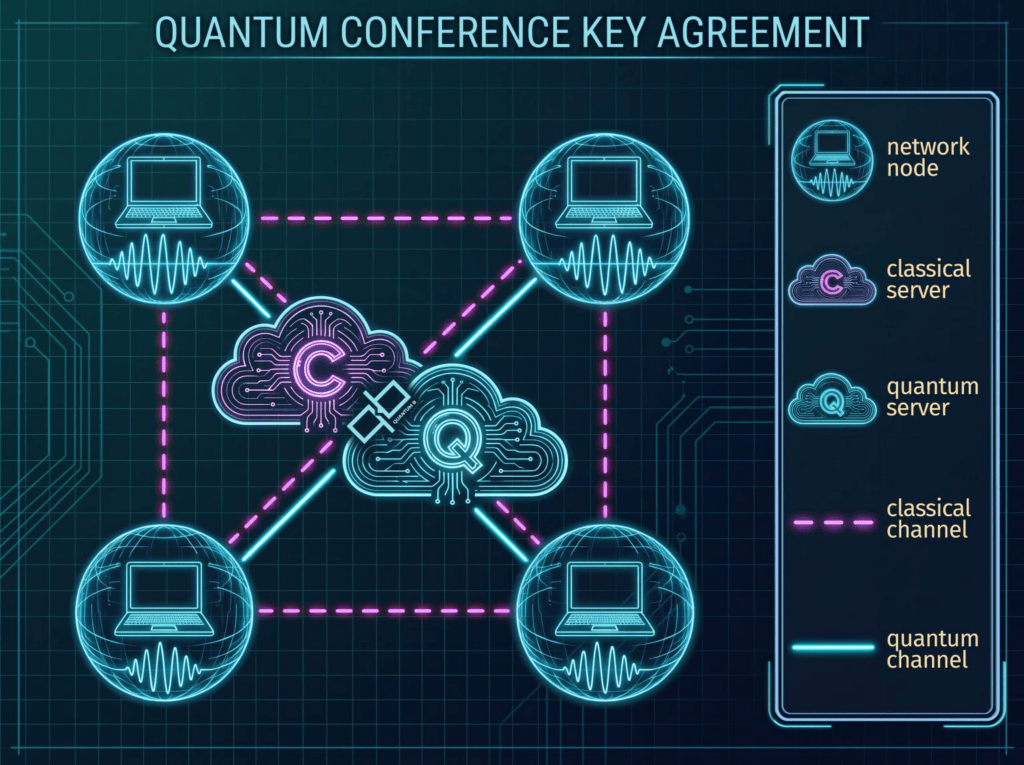
China's MicroAlgo Develops High-Precision, High-Throughput Reconfigurable Quantum Algorithm Simulation Technology
en.Wedoany.com Reported - MicroAlgo Inc. (NASDAQ: MLGO) recently announced the development of a high-precision, high-throughput reconfigurable simulation technology aimed at providing effective solutions for the research and application of quantum algorithms. This technology is based on two innovative simulation models: the arithmetic operation simplification model and the core operation iteration model, and is implemented using a reconfigurable hardware architecture combined with single-precision floating-point operations.
Currently, mainstream quantum computers based on superconducting qubits and ion traps are still inadequate in terms of qubit count and error correction capabilities, making large-scale quantum computing difficult to achieve. Simulating quantum algorithms on classical computing platforms has become an important research approach. Traditional methods, based on the quantum circuit model, simulate each quantum gate operation step by step. When processing a large number of qubits, the computational complexity and resource requirements grow exponentially, leading to low simulation efficiency, high hardware resource consumption, and excessively long simulation times.
The arithmetic operation simplification model proposed by MicroAlgo transforms quantum circuit functions into basic arithmetic operations, such as multiplication and accumulation, using precomputation and table lookup methods to quickly obtain results, while dynamically generating complex operations. The core operation iteration model extracts key operations that affect quantum state changes and iteratively processes all input quantum states, avoiding the complex process of simulating the entire circuit. These two models improve computational speed and throughput through parallel processing.
To fully leverage the advantages of the models, MicroAlgo adopts a reconfigurable hardware architecture in the simulator implementation, dynamically adjusting hardware configurations to flexibly allocate computing units and storage resources. The simulator supports single-precision floating-point operations and, through a fully pipelined design, enables continuous data processing by computing units, enhancing simulation efficiency and throughput.
Simulation experiments were conducted on classic quantum algorithms such as the quantum Fourier transform and quantum wavelet transform. Results show that the arithmetic operation simplification model and the core operation iteration model achieve more efficient simulation processes in the quantum Fourier transform by reducing computational complexity and focusing on key operations. In the quantum wavelet transform, the fully pipelined design and parallel processing significantly reduce resource consumption and simulation time.
This simulation technology can help researchers efficiently simulate quantum algorithms on classical platforms, accelerating algorithm development and testing, and supporting quantum algorithm applications in fields such as scientific computing, cryptography, and materials science. In cryptography, the technology can be used to test and optimize quantum cryptographic algorithms, enhancing cryptographic security and practicality; in materials science, it can simulate the quantum behavior of materials, facilitating the discovery of new materials.
This article is compiled by Wedoany. All AI citations must indicate the source as "Wedoany". If there is any infringement or other issues, please notify us promptly, and we will modify or delete it accordingly. Email: news@wedoany.com
Related Products


One-Stop Steward Service for the Entire Logistics System Integration Chain
Zhongding Intelligent (Wuxi) Technology Co., Ltd.


Flat Portable Satellite Terminal 0.35m Aperture Manual Portable Terminal
China Starwin Science & Technology Co., Ltd.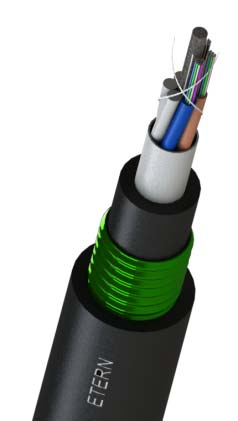
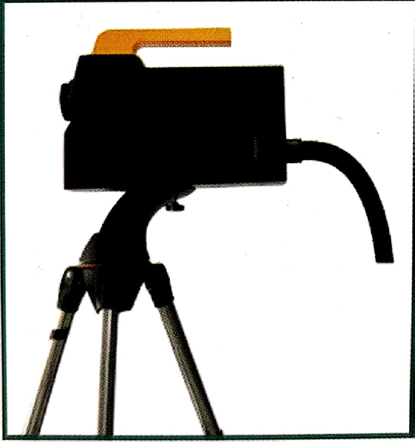
Automatic Aiming Laser Remote Obstacle Removal Robot
Pinggao Group Weihai High-Voltage Apparatus Co., Ltd.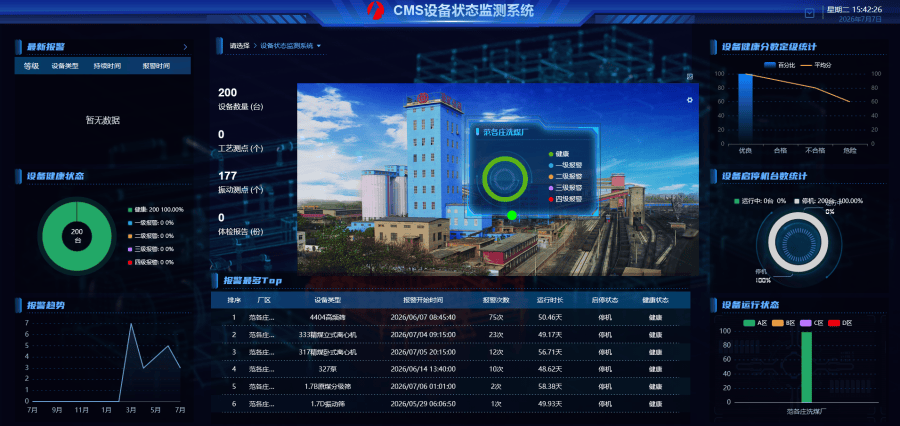



Conveyor Belt Intelligent Monitoring System
LUO YANG WIRE ROPE INSPECTION TECHNOLOGY CO., LTD.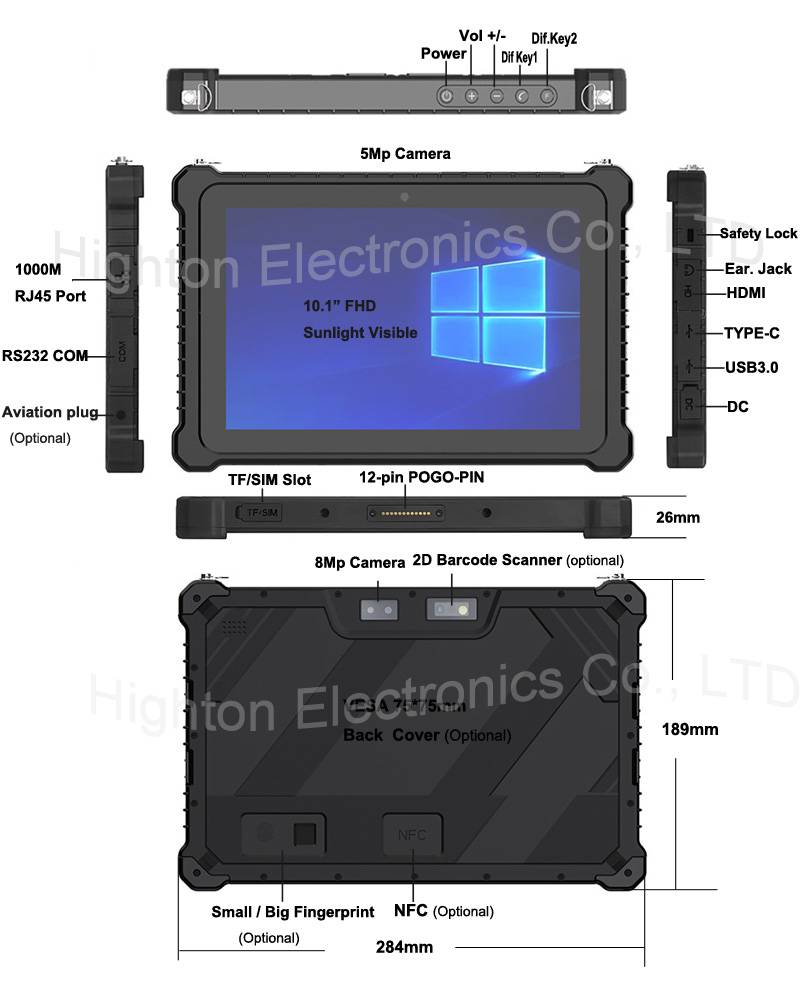
Hot Selling 10 Inch Intel N5100 I5 I7 FHD 8 +128GB 16+256GB Win10 Pro Win11 Pro 4G 5G Rugged Tablet PC Pad with NFC Barcode
Highton Electronics Co., Ltd.