China to Build ‘Space Station’ 2KM Beneath the South China Sea

Tubeworms, soft corals and mussels at a cold seep located 3,000m below the Gulf of Mexico. Some animals may have enzymes that are of use in treating cancers
Wedoany.com Report-Feb 14, China has given a green light to the construction of a deep-sea research facility in the South China Sea.
Known in the research community as a “deep-sea space station”, it will be anchored 2km below the surface, and will be used to study “cold seep” ecosystems, areas of the ocean floor where chemicals such as methane and sulfides leak from the seabed.
Cold seeps are found in the South China Sea and the Formosa Ridge near Taiwan, among other places.
Researchers will use unmanned submersibles, surface ships and seabed observatories to create a surveillance grid.
Cold seeps provide a habitat for unique lifeforms and also contain deposits of methane hydrates – also known as “flammable ice”.
China also wants to study the deep structure of the Earth. There are deposits of cobalt and nickel at concentrations three times higher than on land.
Set to be completed around 2030, the facility will be one of the deepest and most technologically complex underwater installations ever built.
It will have space for six scientists, who will work in the centre for a month or so at a time.
Related Products
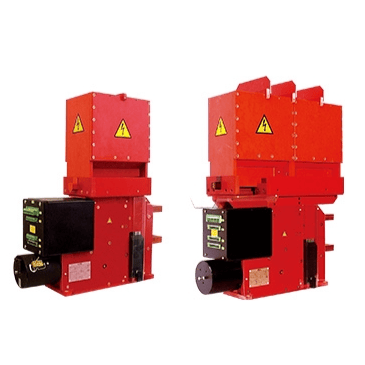

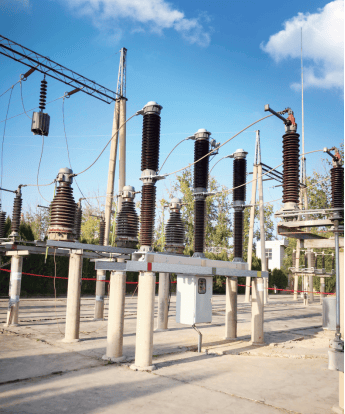
145kV Porcelain Column Type Sulfur Hexafluoride Circuit Breaker
TBEA ZONFA Shanghai High Voltage Switchgear Co., Ltd.
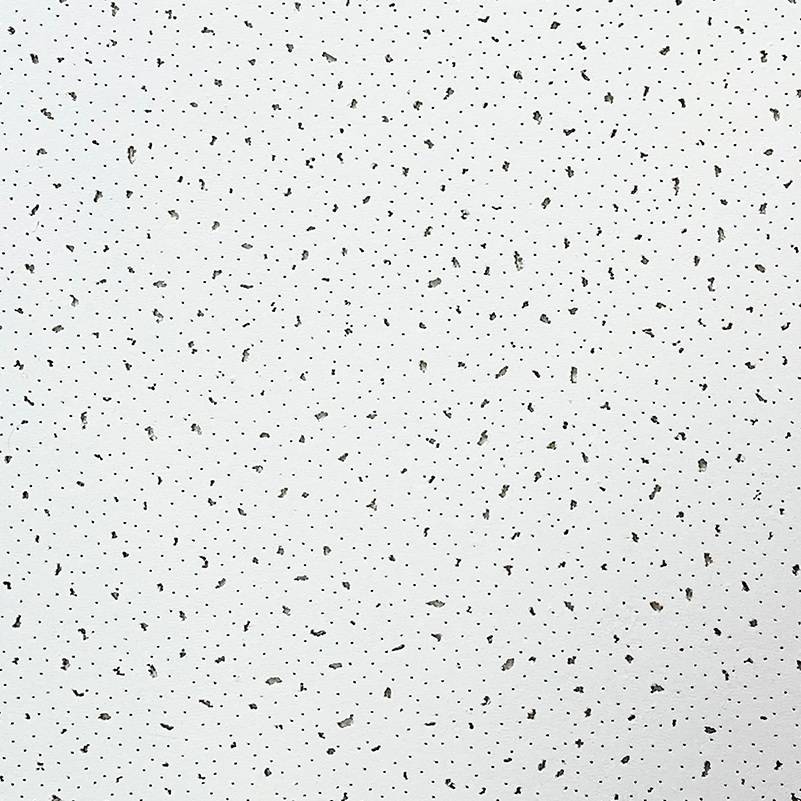
Acoustic Mineral Fiber Ceiling Tile 595x595x12mm
Shanxi Pano Trading Co., Ltd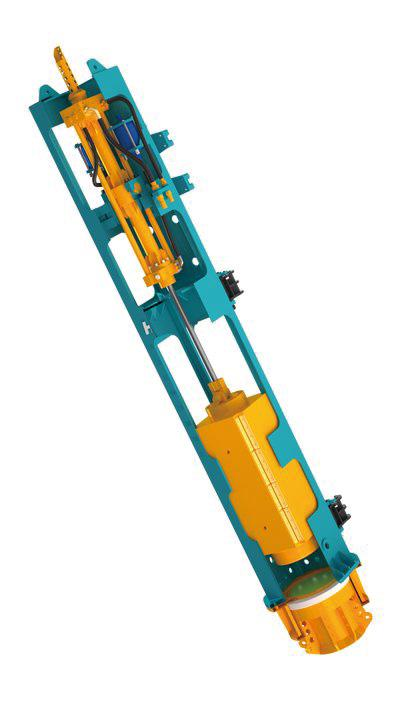
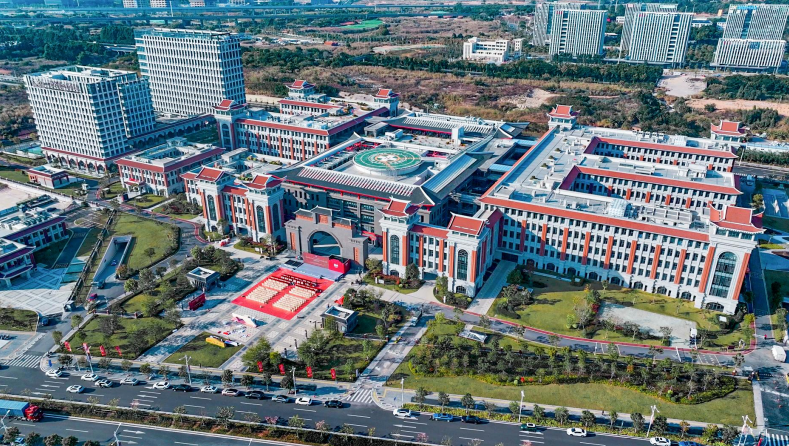
West China Xiamen Hospital of Sichuan University
Wuhan Huakang Century Clean Technology Co., Ltd.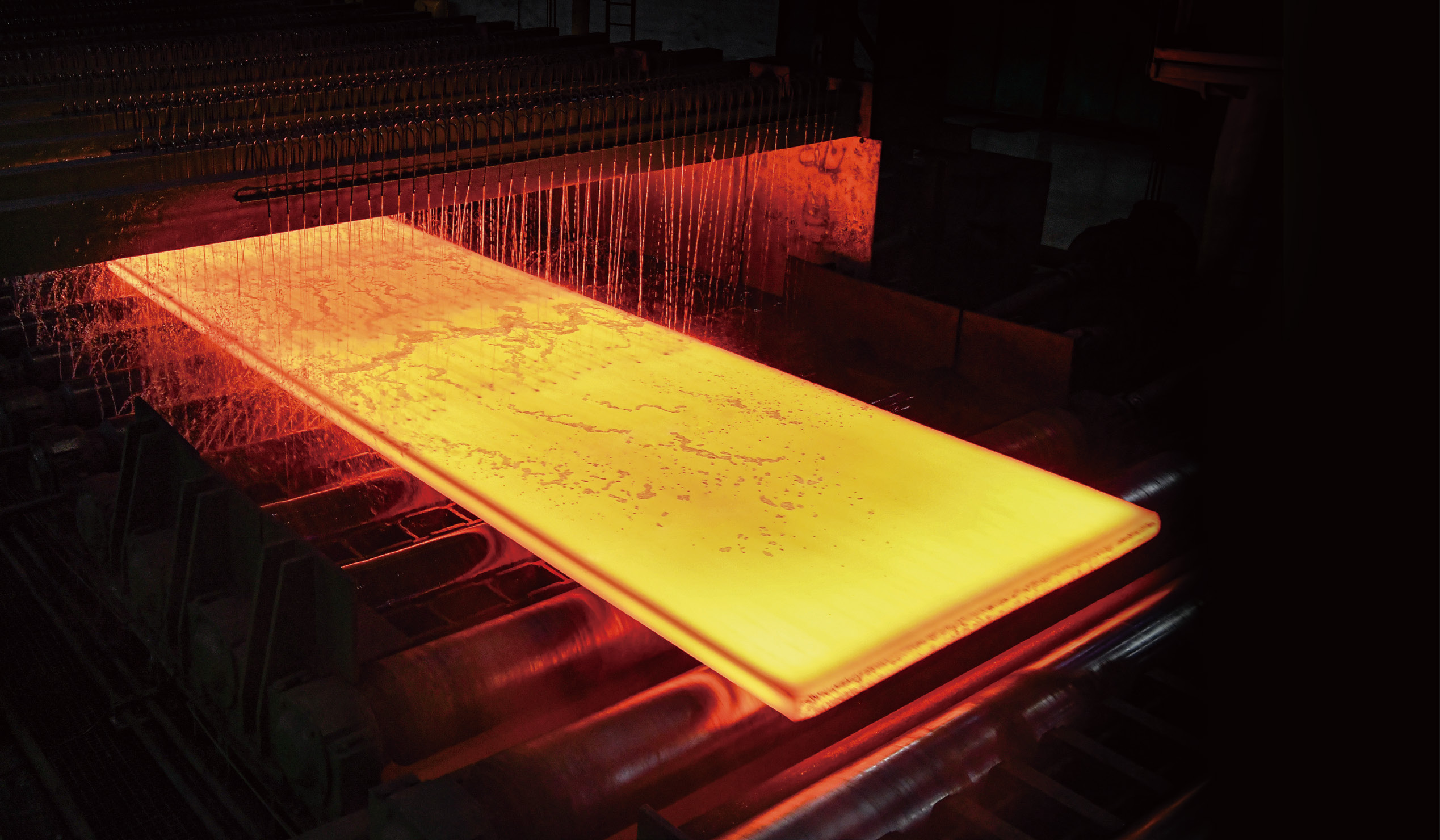

Industrial and Commercial Point-Type Gas Detector
Jinan Benan Technology Development Co., Ltd.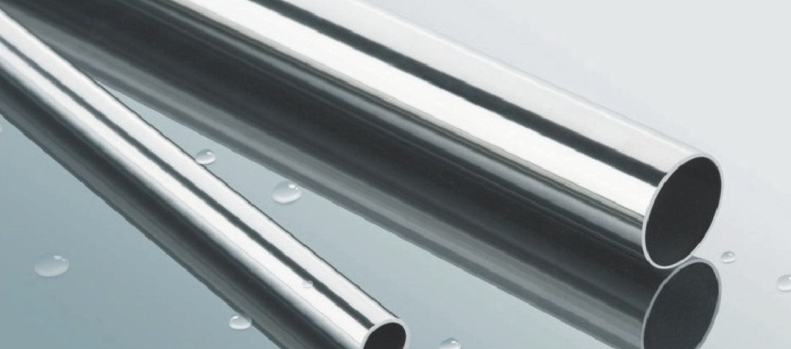
ERW Welded Pipe (Black Pipe and Hot-dip Galvanized Steel Pipe)
Handan Zhengda Steel Pipe Co., Ltd.