Red Hat Bridges the Last Mile of AI Deployment in China's Manufacturing Sector with Open Source Platforms in 2026
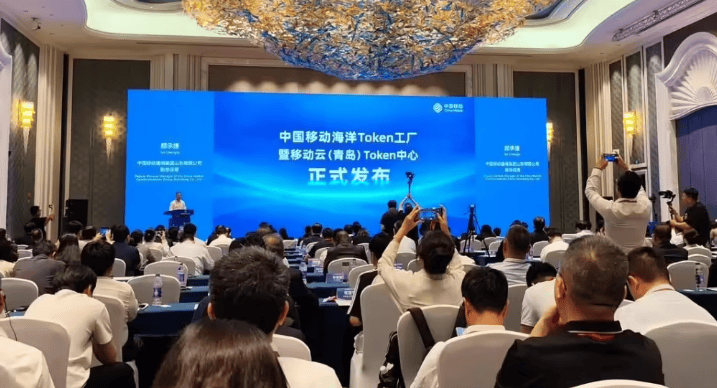
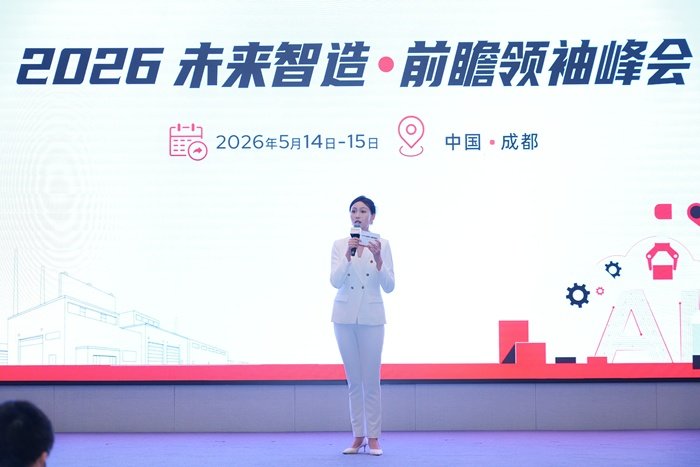
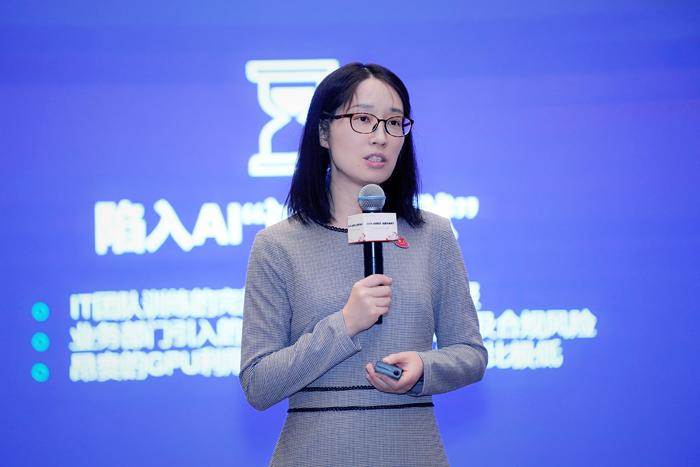
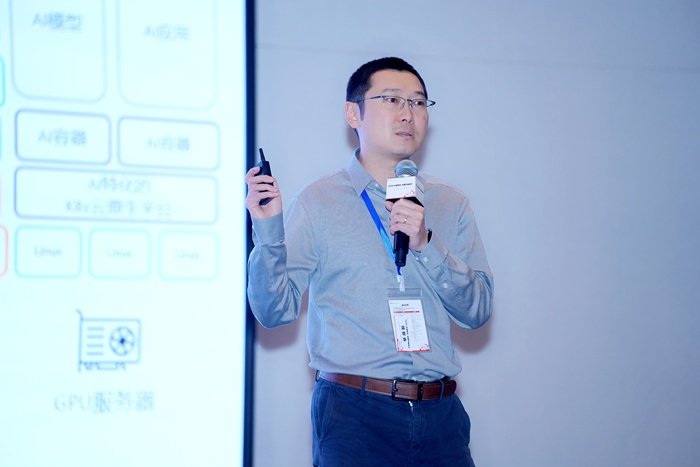
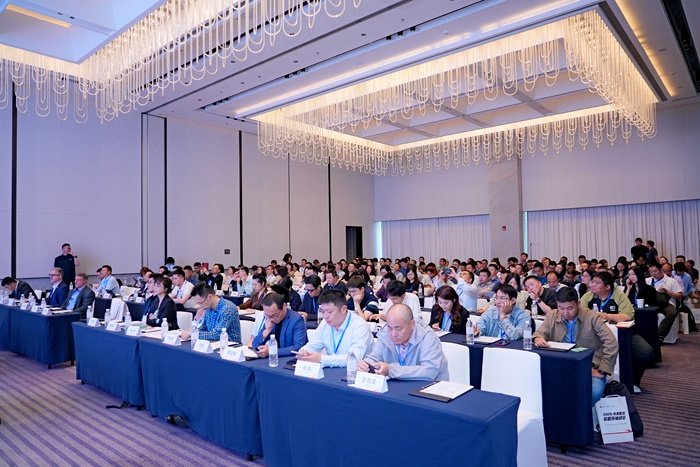
en.Wedoany.com Reported - At the 2026 Future Manufacturing · Forward-looking Leaders Summit co-hosted by Red Hat, Intel, Siemens, and the Chengdu Association of Enterprises with Foreign Investment, Red Hat stated that the intelligent transformation of manufacturing has entered a "deep-water zone of integration," where the deep convergence of IT and OT, along with the penetration of AI across the entire workflow, has become a core trend. Wang Huihui, General Manager of Red Hat Greater China Solution Architecture Department, and Tong Yizhou, Product Line Manager for AI and OpenShift at Red Hat China, elaborated in a media group interview on how Red Hat leverages open source technology platforms to help manufacturing enterprises bridge the "last mile" of AI deployment.
Tong Yizhou pointed out that early applications of AI in manufacturing were often high-cost, high-barrier "point-specific high-precision" projects that were difficult to scale. Today, AI has fully permeated all aspects of the production line, from Automated Guided Vehicle (AGV) scheduling to equipment maintenance, becoming a routine tool naturally integrated into production. He emphasized that Red Hat provides enterprises with an "AI software pipeline," helping to quickly adapt general AI models to specific scenarios, forming a closed loop from ideation, implementation, deployment, to correction. Using the robotic arm visual recognition demonstration at the summit as an example, he noted that the model could be trained overnight and run stably the next day. When operating conditions change, the Red Hat platform enables rapid retraining, ensuring AI continues to deliver value.
Wang Huihui stated that the core decision-making factor in manufacturing has always been the "return on investment." She cited an example: when the entry cost of technology drops from 100 yuan to 50 yuan, a large number of application scenarios between 50 and 100 yuan can be activated, which positively drives the scaling of high-value production scenarios in the industrial sector. She believes that in the past, IT systems and OT systems operated independently with low collaboration efficiency. However, with the open transformation of general platforms like Red Hat, along with hardware, data transmission, and industrial control fields, the integration of IT and OT has reached a turning point.
Red Hat's core advantages lie in open-source-driven continuous innovation and a unified, open underlying technology platform. Wang Huihui clarified that open source is not insecure; with the global developer community exceeding 150 million, vulnerabilities can be discovered and fixed faster, making security response efficiency higher than in closed development models. Red Hat's OpenShift platform enables "develop once, deploy anywhere" for industrial software, adapting to various hardware environments from large data centers to production line edges. Tong Yizhou added that Red Hat is deeply engaged in manufacturing, providing customized solutions to help enterprises build a full-chain R&D system from development to production, achieving "integrated R&D and production."
Regarding embodied intelligence, a key direction for IT/OT integration, Tong Yizhou explained that traditional solutions separate the "brain" (AI vision processing) from the "cerebellum" (motion control), leading to system complexity. Red Hat plans to use a unified platform solution to achieve software-defined coordination between the "brain" and "cerebellum," dynamically allocate workloads, enable flexible scaling and efficient internal communication on a single device, avoid costly cross-device data transmission, and improve system flexibility and response speed.
In terms of market presence in China, Wang Huihui stated that China's manufacturing sector is in the global first tier in terms of willingness to adopt new technologies and implementation levels, making it an important testing ground and output source. Red Hat has long-term collaborations with Intel and Siemens, and values the role of local Chinese integrators. Tong Yizhou noted that the integration work for customer deployment is typically carried out by local Chinese enterprises, and Red Hat will continue to support their development, promote the combination of advanced technology with Chinese business scenarios, and assist local service providers in bringing innovative practices to the global stage. Wang Huihui emphasized that Red Hat will work with Chinese hardware and software companies to expand overseas markets, leveraging Red Hat's global ecosystem to achieve the globalization of Chinese innovation.
Regarding transformation advice for Chinese enterprises, Tong Yizhou believes that the barrier to AI deployment has significantly lowered, and enterprises can boldly pilot projects. Wang Huihui advises enterprises to prioritize deep IT/OT integration, first solidify the underlying infrastructure, avoid blindly following trends, choose paths based on their own business needs, and actively embrace the open source ecosystem to reduce transformation costs.
Looking ahead, Wang Huihui stated that Red Hat will continue to increase investment in the Chinese market and support local service providers. Tong Yizhou added that Red Hat will remain focused on "lowering the barrier to AI deployment," helping manufacturing enterprises achieve large-scale AI applications, and encouraging early adopters to discover new business growth points, driving the deployment of more advanced technologies.
This article is compiled by Wedoany. All AI citations must indicate the source as "Wedoany". If there is any infringement or other issues, please notify us promptly, and we will modify or delete it accordingly. Email: news@wedoany.com
Related Products


Industrial and Commercial Point-Type Gas Detector
Jinan Benan Technology Development Co., Ltd.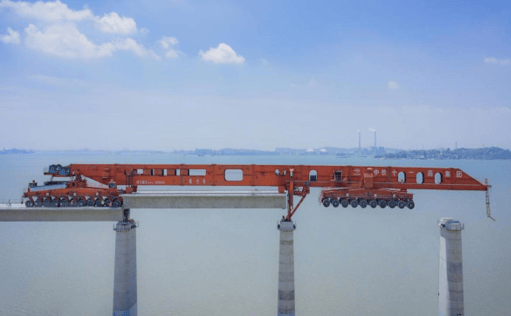
High-Speed Railway Lifting, Transporting, and Erecting Equipment: Integrated Transport and Erection Machine
Hanjiang Heavy Industry Co., Ltd. of China Railway 11th Bureau Group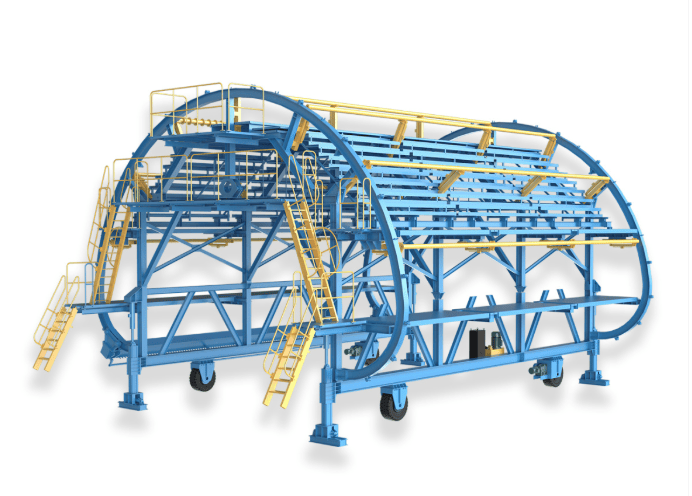
QLZNGJ Intelligent Steel Reinforcement Trolley
Luoyang China Railway Qiangli Machinery Co., Ltd.
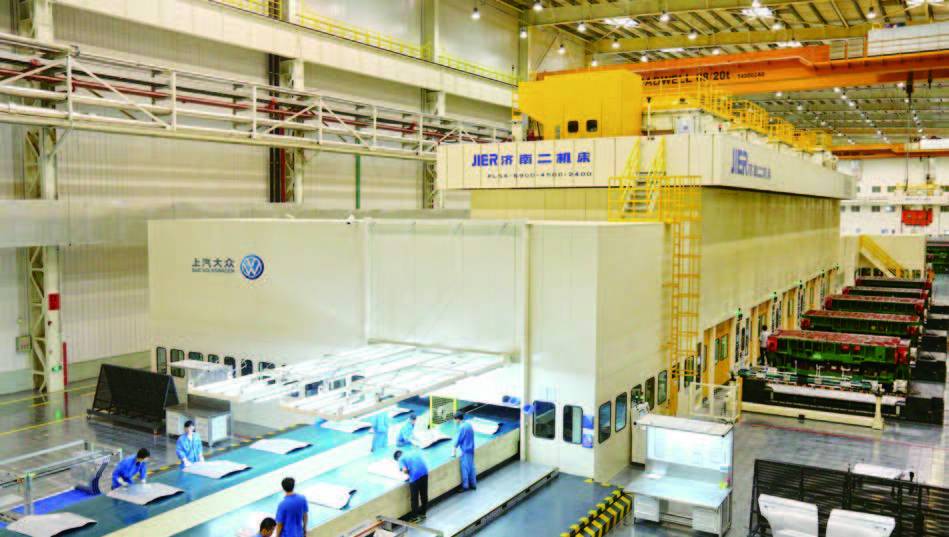
High-Speed Flexible Fully Automatic Stamping Production Line
JIER Machine-Tool Group Co., Ltd.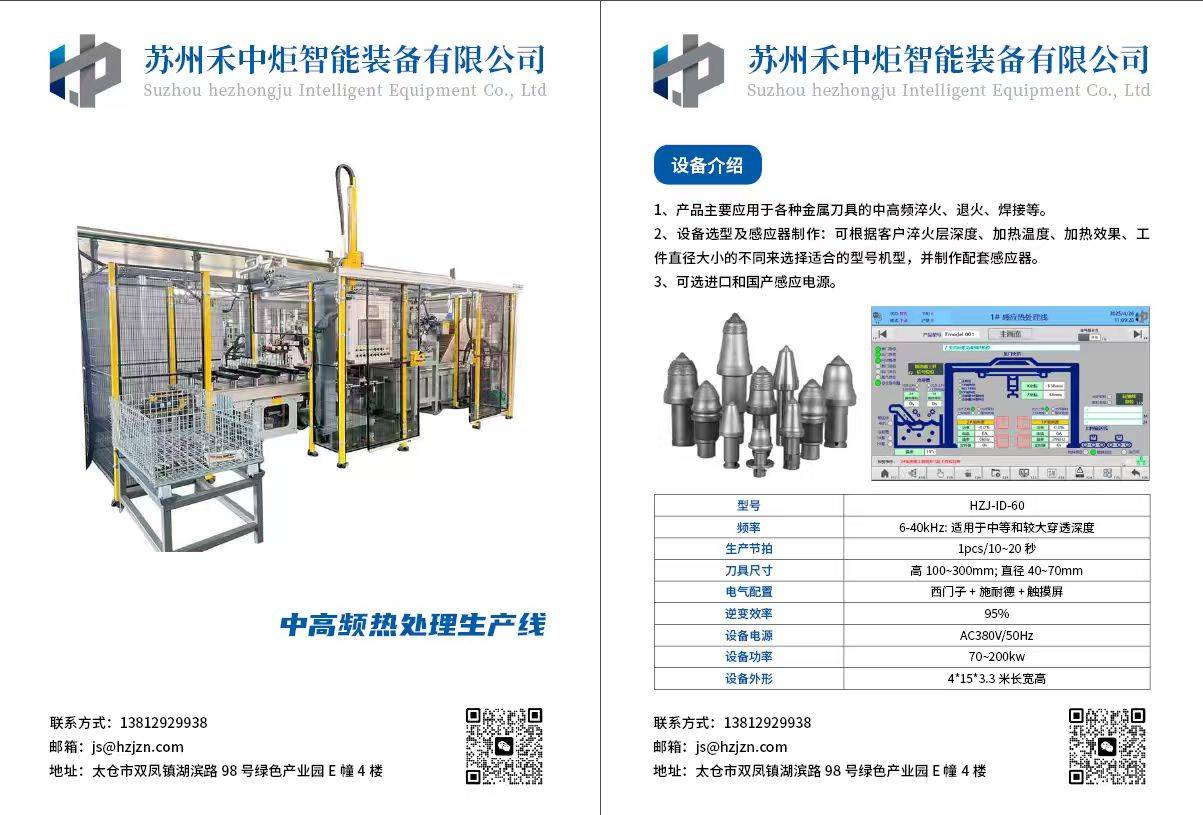
Excavator Bucket Teeth Heat Treatment Production Line
Suzhou Hezhongju Intelligent Equipment Co., Ltd.
Standard Nozzle Flowmeter
Jinggong Automatic Control Instrument Complete Technology Development Company