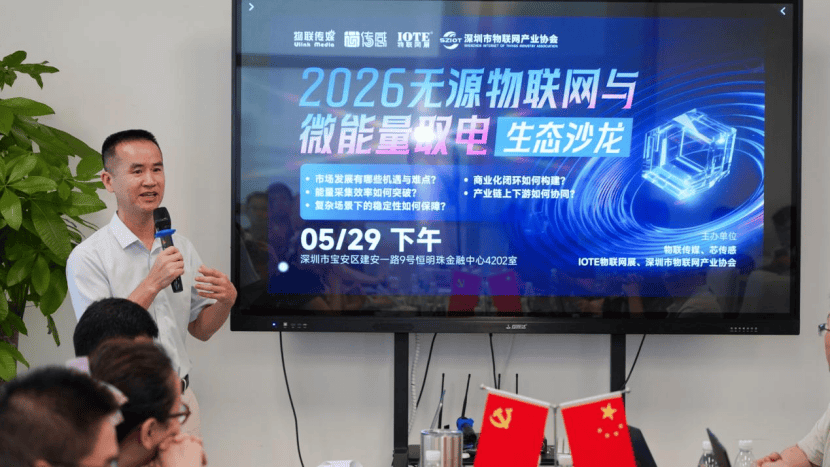
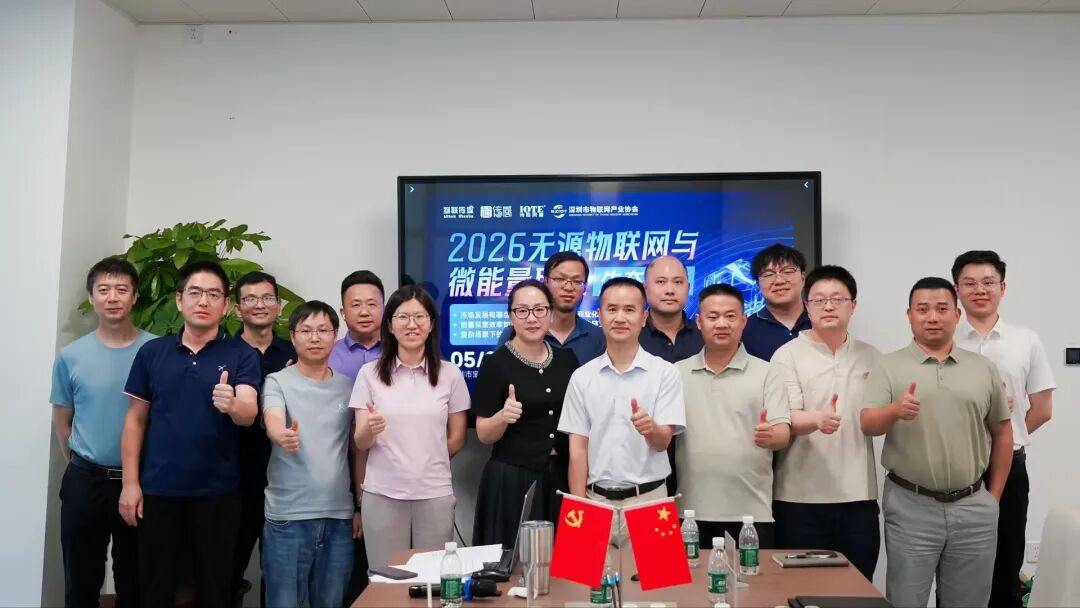
en.Wedoany.com Reported - The 2026 Passive IoT and Micro-Energy Harvesting Ecosystem Salon was recently held in Shenzhen, co-organized by IoT Media, Core Sensing, IOTE IoT Exhibition, and the Shenzhen IoT Industry Association. It brought together over 100 organizations from academia, industry, and investment sectors to discuss topics including the cutting-edge development of passive IoT technology, SparkLink passive communication, commercialization pathways for ambient micro-energy harvesting, and industrial collaboration.
Yang Weiqi, Executive President of the Shenzhen IoT Industry Association and General Manager of Shenzhen IoT Media Co., Ltd., stated in his opening address that the meeting aims to build an industrial cooperation platform, promote complementary technologies and collaborative innovation across the upstream and downstream of the industry chain, and jointly advance the construction of the AIoT digital industry ecosystem. The address mentioned progress in cooperation with industry leaders in short-range communication technologies such as Bluetooth, SparkLink, and RFID, and previewed the Shenzhen International IoT Expo and the General Artificial Intelligence Conference to be held from August 26 to 28.
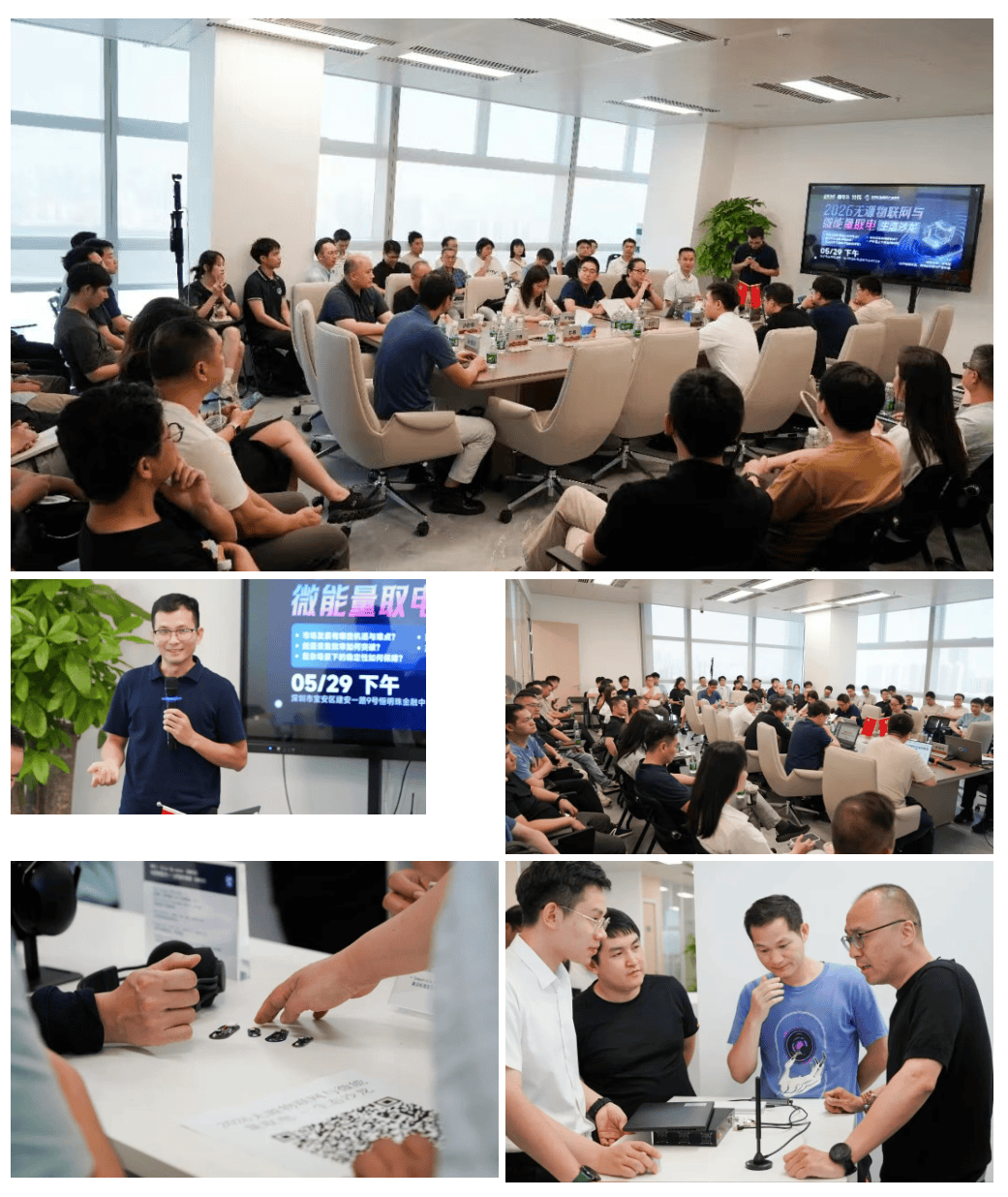
The salon featured six keynote sessions. Professor Wang Gongpu from Beijing Jiaotong University reviewed the development history of passive IoT technology from its origins in 1948 to standard-setting in 2025, pointing out its application potential in areas such as personnel management, asset management, and smart glasses, while noting challenges including circuit sensitivity, interference, and multi-user access. Professor Wang expressed optimism about the future development of passive IoT, believing that SparkLink passive technology, as a new short-range communication standard, will create new industrial space.
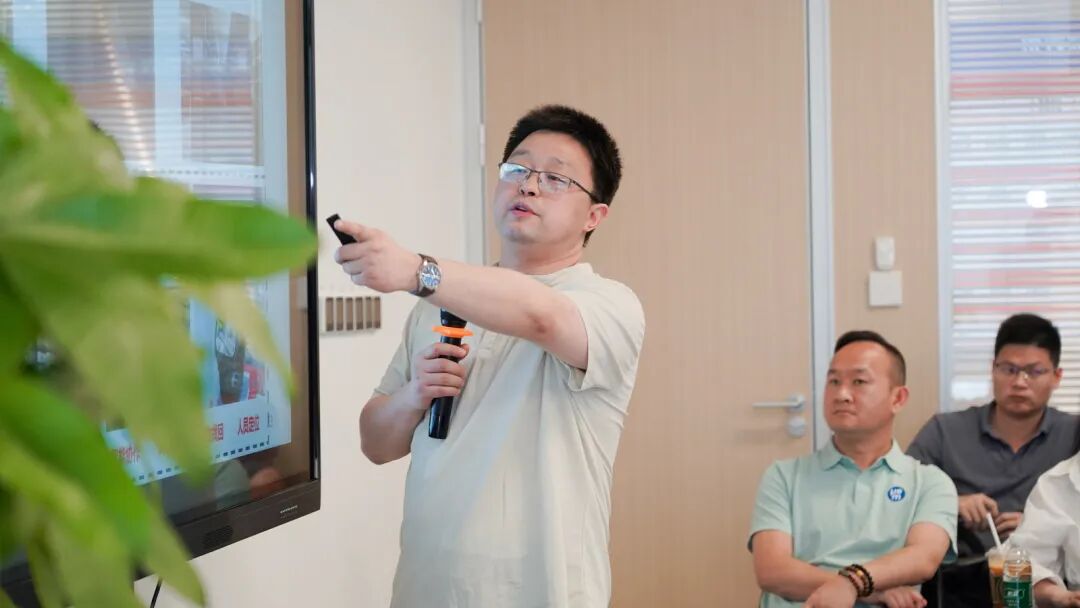
Xing Hongbo from Saifuneng Technology (Shenzhen) Co., Ltd. introduced a passive self-powered technology based on thermoelectric conversion, originating from the aerospace field. This technology has been transformed from scientific research results into commercial products through collaboration with Tsinghua University. Saifuneng's self-developed self-powered wireless sensor devices utilize ambient temperature differences, converting thermal energy into electrical energy through thermoelectric conversion principles, providing remote monitoring solutions for scenarios such as factory motor vibration monitoring, pipeline insulation effectiveness detection, and temperature monitoring of aluminum electrolysis cells. This technology has been successfully applied in domestic and international clients including Chinalco, PetroChina, and Sinopec.
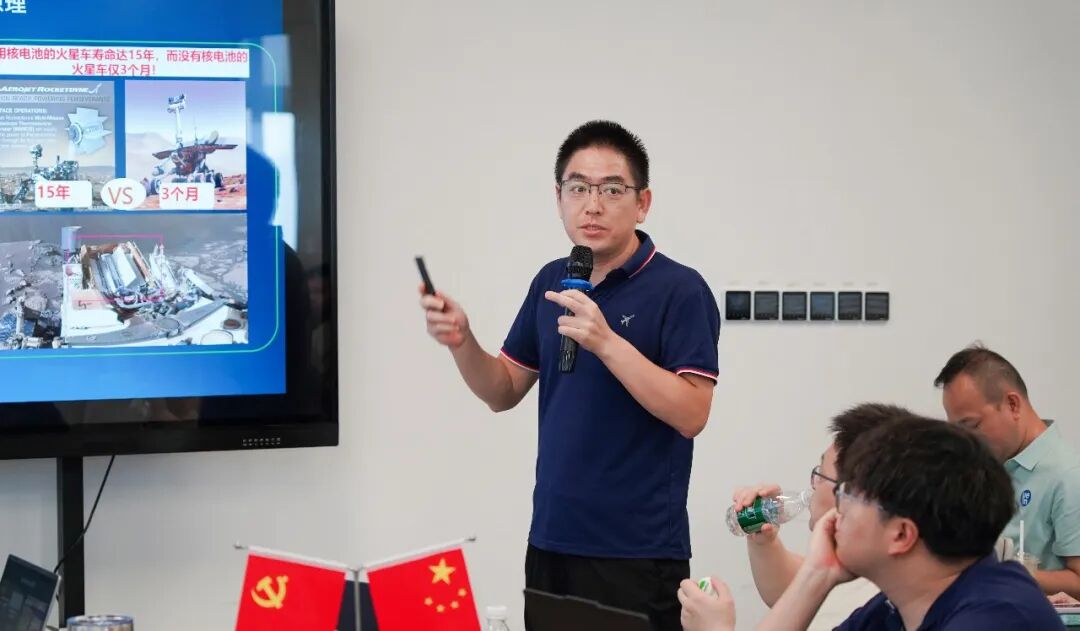
Huang Xuanyu, CTO of Shenzhen Qingli Technology Co., Ltd., introduced a solution centered on mechanical vibration energy harvesting technology. Leveraging the self-superlubricity technology incubated by the Tsinghua Shenzhen International Graduate School's Research Institute of Superlubricity Technology, Qingli Technology has overcome friction and wear issues in traditional vibration power generation, achieving efficient conversion of mechanical energy. Its self-powered sensing solutions have been deployed in areas such as smart grid power supply sensing, disaster prevention and mitigation monitoring, airport facility management, and logistics transportation status monitoring.
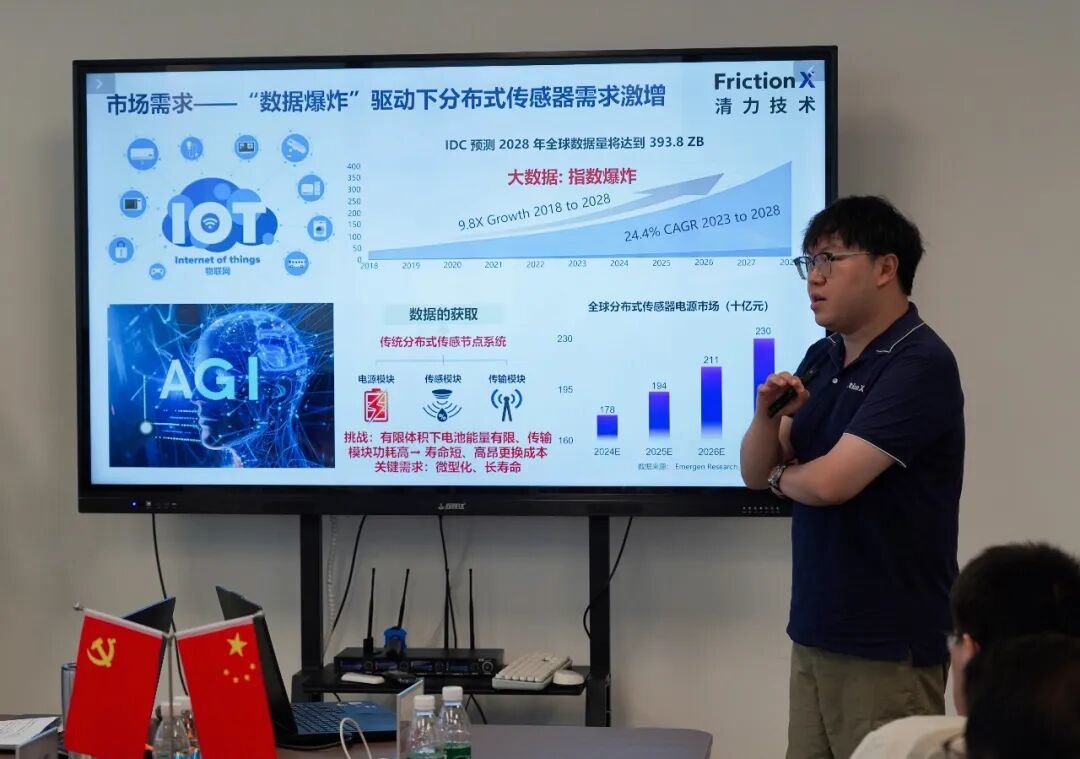
Zhang Chunhong from EM Microelectronic noted that the number of IoT connections has exceeded 22 billion, with the cost, maintenance, and environmental issues of traditional batteries becoming hidden bottlenecks in the industry. As a semiconductor division under Swatch, EM focuses on ultra-low-power chip design, launching the EM8500 indoor low-light charging chip and the EN8900 thermoelectric charging chip, the latter having been applied in scenarios such as smart valves and smartwatches. Zhang emphasized that the key to technology commercialization lies in promoting industry standard unification, continuously reducing chip costs, improving development toolchains, and providing customized scenario-based solutions.
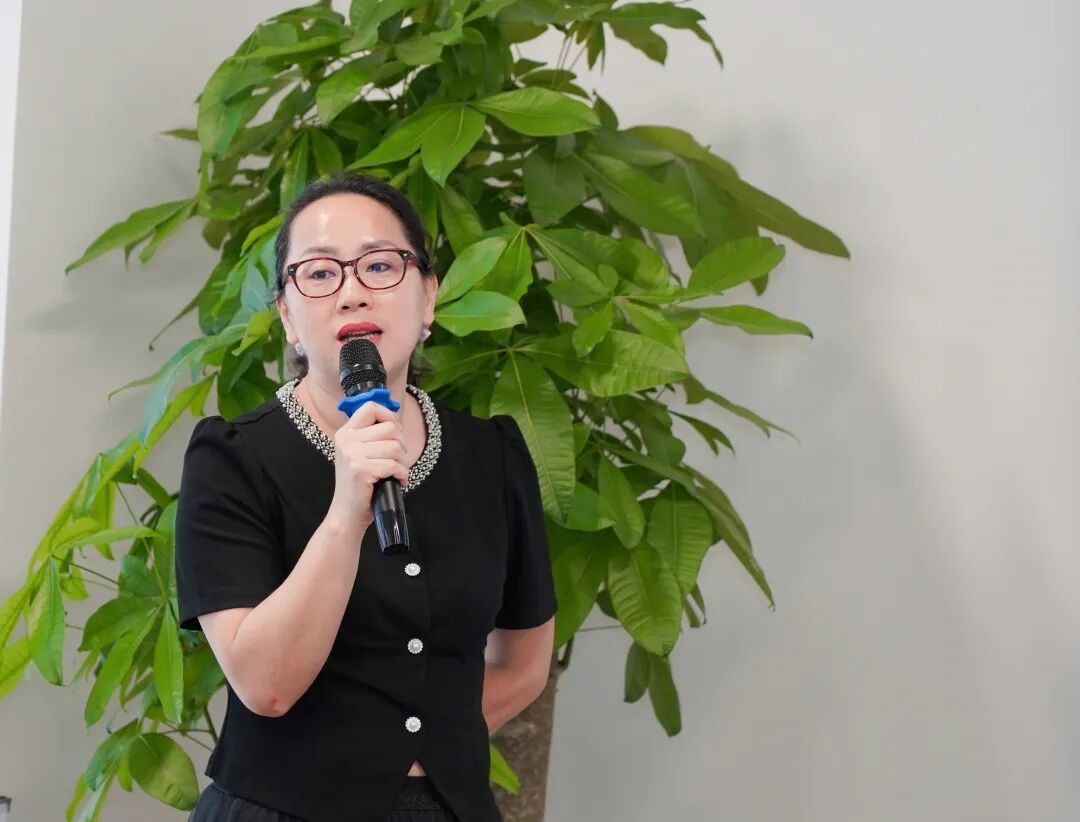
Yang Gang, Vice President of Yanhe Technology, highlighted the revolutionary advantages of third-generation photovoltaic technology—perovskite photovoltaics. Yanhe Technology is dedicated to the R&D and industrialization of perovskite photovoltaic cells, building fully automated flexible production lines. Its products can flexibly adapt to diverse shapes such as circles, arcs, and irregular forms. Currently, its perovskite photovoltaic cell products have been applied in consumer electronics, smart homes, and smart wearables, including smart locks, remote controls, night lights, and electronic shelf labels, and have shown application potential in scenarios such as thermohygrometers, electric curtains, doorbells, and door magnetic sensors.
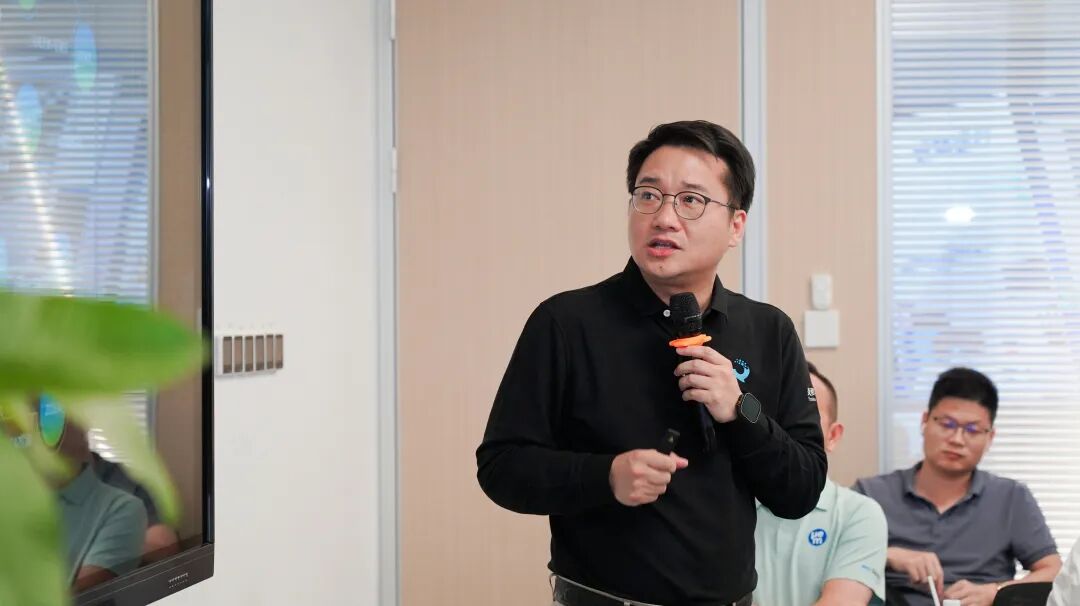
Fu Yang from Zongjiyuan (Chengdu) Technology Co., Ltd. introduced the advancement of Zongjiyuan's quantum sensing communication and identification technology in the SparkLink passive standard, as well as the R&D, chip development, and industrialization path of room-temperature semiconductor masers. The Zongjiyuan team first observed the room-temperature semiconductor maser phenomenon in 2016 and launched the first prototype of a room-temperature semiconductor maser product in 2017. This technology is driven by spatial electromagnetic energy without the need for DC power supply, featuring frequency conversion capability and high anti-interference performance. It has been applied in passive sensing of temperature and pressure, and has demonstrated performance in scenarios such as temperature measurement of subway power supply rails and high-speed rotation testing.
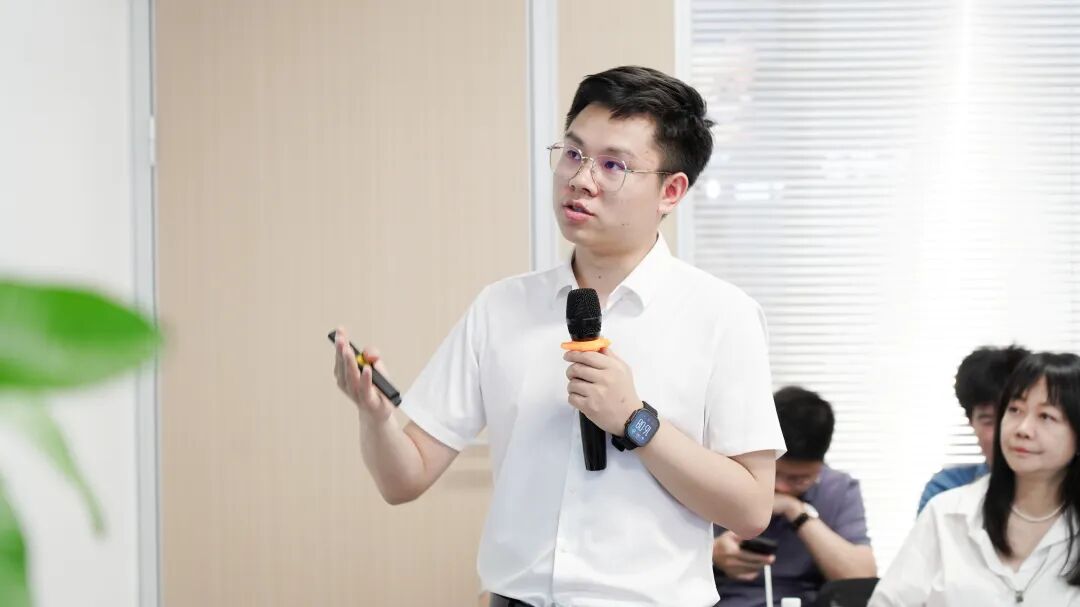
The roundtable session invited 13 guests, including Zheng Haina, Senior Engineer from Huawei Technologies Co., Ltd.; Sun Hai, CEO of Beijing Xinlian Chuangzhan Electronic Technology Co., Ltd.; Researcher Liang Junrui from ShanghaiTech University; Peng Jiong, Chairman of Shenzhen Oumi Intelligent Technology Co., Ltd.; Xie Xinmin, General Manager of Shenzhen Jietong Technology Co., Ltd.; and Zhang Zhen'an, Product Director of Jiangxi Xingke Technology Co., Ltd. Discussions covered areas such as SparkLink passive technology, quantum technology, photovoltaic power supply, RFID modules, electronic paper, domestic short-range wireless communication standards, and custom chips, with exchanges on overcoming technical challenges, building commercial closed loops, and fostering collaborative industry chain development.
On the morning of August 26, 2026, IOTE will concurrently host a Passive IoT and Ambient Energy Harvesting Technology Application Ecosystem Seminar with over 200 participants. The seminar will gather core enterprises from the upstream and downstream of the industry chain, technical experts, and investment institutions to discuss topics such as technical implementation challenges, typical application cases, and ecosystem cooperation models.
This article is compiled by Wedoany. All AI citations must indicate the source as "Wedoany". If there is any infringement or other issues, please notify us promptly, and we will modify or delete it accordingly. Email: news@wedoany.com