Shanghai AI Conference to Focus on Global Governance and Inclusive Development
en.Wedoany.com Reported - On June 5, Foreign Ministry Spokesperson Mao Ning stated at a regular press conference that artificial intelligence is profoundly transforming the way we live and work, presenting a new challenge that humanity must collectively address. In July this year, China will host the 2026 World Artificial Intelligence Conference and the High-Level Meeting on Global AI Governance in Shanghai. We look forward to using this conference as an opportunity to engage in exchanges and dialogue with all parties, strengthen global AI governance, and better harness AI to serve social development and public welfare.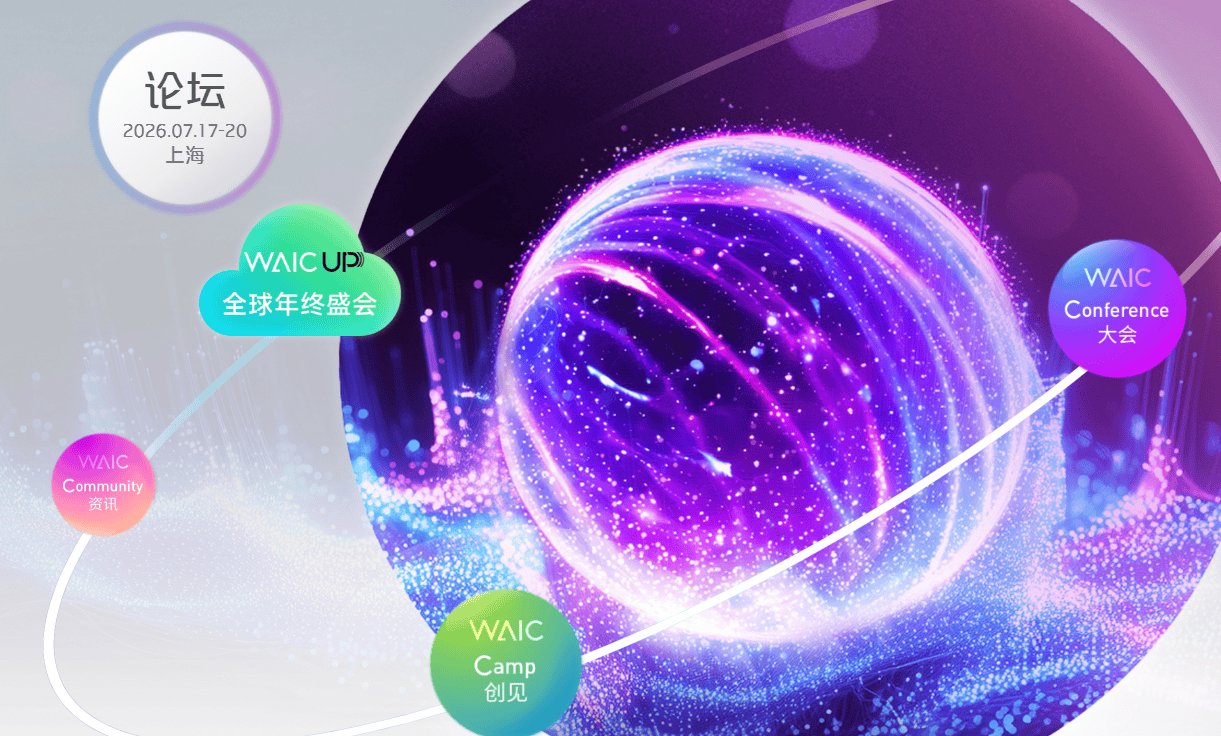
The significance of this conference should not be understood solely from the perspective of technological competition between nations. Instead, it should be viewed in the context of how the world collectively addresses disparities in rules, capabilities, and applications as AI enters industries, scientific research, education, healthcare, urban governance, and public services.
AI technology is accelerating its transition from the model development phase to practical application. The relationships among computing power, data, algorithms, scenarios, and security governance are becoming increasingly complex. For enterprises, AI has already impacted R&D design, customer service, content production, supply chain management, industrial inspection, financial risk control, and software development. For research institutions, AI is entering deep research processes such as drug discovery, materials computation, brain science, biomedicine, climate simulation, and engineering simulation. For the public sector, AI applications involve urban management, healthcare resource allocation, educational equity, public safety, digital infrastructure, and social service efficiency. As the scope of applications expands, no single country, enterprise, or technological camp can independently resolve issues such as model security, data compliance, algorithm transparency, cross-border applications, capability gaps, and technology misuse. Mao Ning's remark that "AI is not the patent of major powers" can be neutrally interpreted as meaning that AI governance cannot revolve solely around a few technologically advanced nations, a few large platforms, and a few leading enterprises. Developing countries, small and medium-sized enterprises (SMEs), research institutions, and ordinary users also need to participate in rule discussions, capacity building, and application sharing.
The World AI Conference in Shanghai itself serves functions of industrial exhibition, technological exchange, and governance dialogue. The addition of the High-Level Meeting on Global AI Governance means that the conference agenda will not only focus on showcasing new models, products, and applications but will also pay greater attention to how AI can develop sustainable, responsible, and inclusive application pathways on a broader scale.
From an industrial perspective, global AI development has entered a phase where "expanding technological capabilities" and "rising governance demands" occur simultaneously. On one hand, large models, multimodal models, intelligent agents, embodied intelligence, AI chips, and industry-specific models continue to evolve, driving enterprises to embed AI into real business processes. On the other hand, issues such as the authenticity of AI-generated content, personal data protection, copyright boundaries, model bias, concentration of computing power, open-source ecosystems, safety evaluations, and cross-border service regulation are also increasing. For the World AI Conference to deliver greater value, it needs to provide, beyond technological showcases, a dialogue platform for different countries, enterprises, research institutions, and international organizations. This platform should discuss not only how AI can enhance productivity but also how to lower the barriers for smaller economies and ordinary users to enter the AI era. It should showcase cutting-edge models and industrial applications while also promoting clearer pathways for safety assessments, standard coordination, and capacity building. For China's AI industry, such conferences help demonstrate the industrial chain, application scenarios, and technological ecosystem. For global participants, the more important aspect is to reduce regulatory fragmentation through exchanges, enabling AI technology to generate more measurable social value in healthcare, education, industry, agriculture, scientific research, and public services.
Future conferences can focus on three key areas: first, whether new consensus documents or cooperation mechanisms on global AI governance will emerge; second, whether enterprises and research institutions will collectively release models, intelligent agents, and computing power solutions aimed at industrial deployment; and third, whether developing countries, SMEs, and public service scenarios can gain more support for capacity building. Rather than simply pushing AI into a technological race, establishing a more open exchange mechanism centered on inclusive applications, industrial transformation, and security governance better aligns with the long-term development needs of artificial intelligence.
This article is compiled by Wedoany. All AI citations must indicate the source as "Wedoany". If there is any infringement or other issues, please notify us promptly, and we will modify or delete it accordingly. Email: news@wedoany.com
Related Products



MUX Series Communication Interface Device for Security and Stability Control System
Nanjing NR Electric Co., Ltd.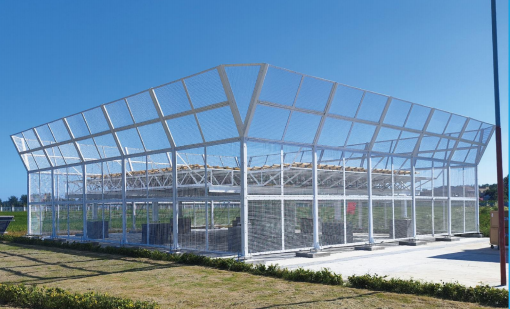
TWP16 P-Band Tropospheric Wind Profile Radar
China Huayun Meteorological Technology Group Co., Ltd.
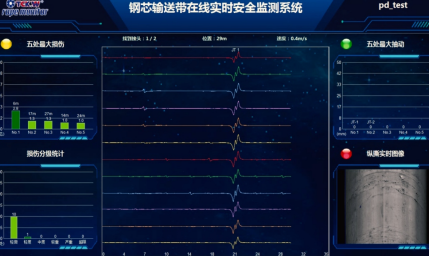
Conveyor Belt Intelligent Monitoring System
LUO YANG WIRE ROPE INSPECTION TECHNOLOGY CO., LTD.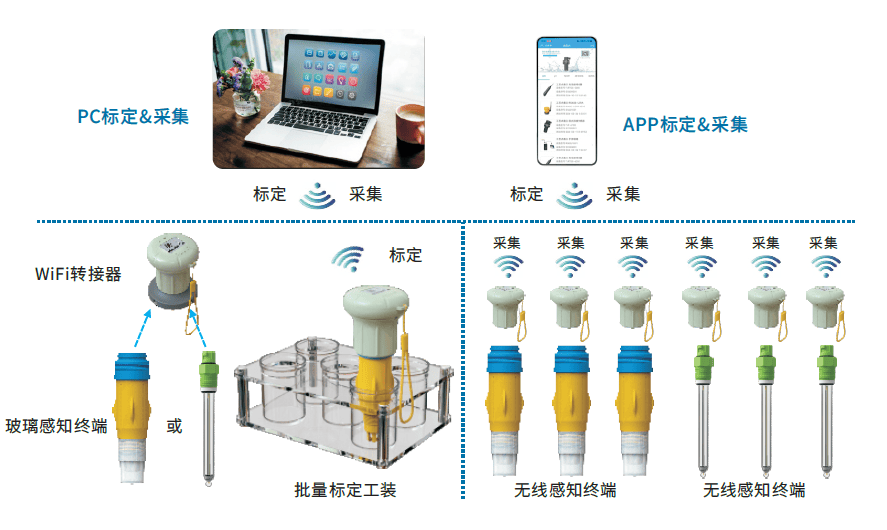

20 Inch 1600*900 Full HD 60Hz TFT LED Monitor with VGA and DP Interfaces for Desktop Computers-Business Use
Guangzhou Zanying Optoelectronics Technology Co., Ltd.

Multi-function Marine Monitoring Low-altitude Detection Radar Sea-air Boundary Ocean Dynamic Environment Measurement
Chengdu Dixin Technology Co., Ltd.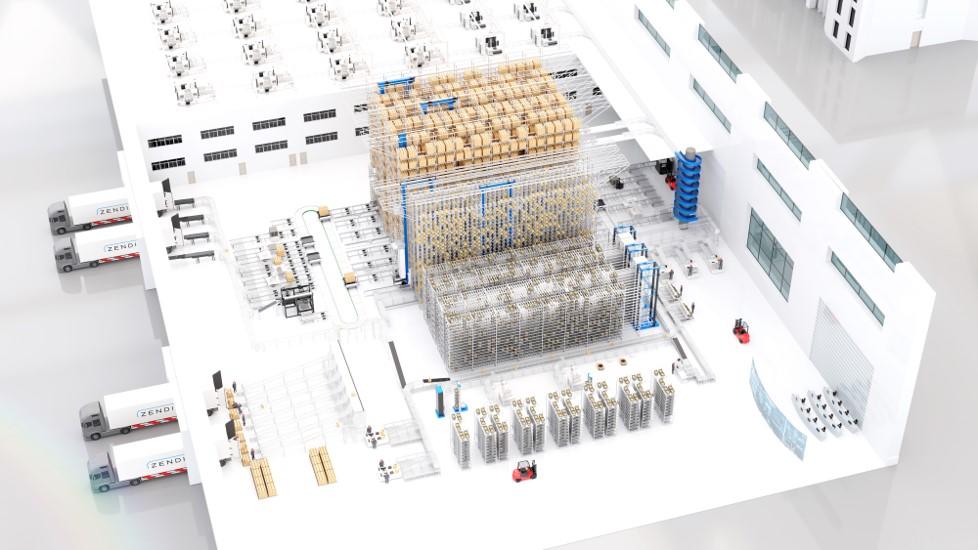
One-Stop Steward Service for the Entire Logistics System Integration Chain
Zhongding Intelligent (Wuxi) Technology Co., Ltd.

Mine Explosion-proof and Intrinsically Safe Industrial Ethernet Ring Network (10 Gigabit/Gigabit)
Chongqing Mas Sci&Tech Co., Ltd.