Satellite Communications Shift Toward Multi-Orbit Fusion Cloud Orchestration
en.Wedoany.com Reported - The future architecture of satellite communications will not be an either-or choice of orbit, but a multi-orbit collaboration, unified through a cloud-based orchestration layer.
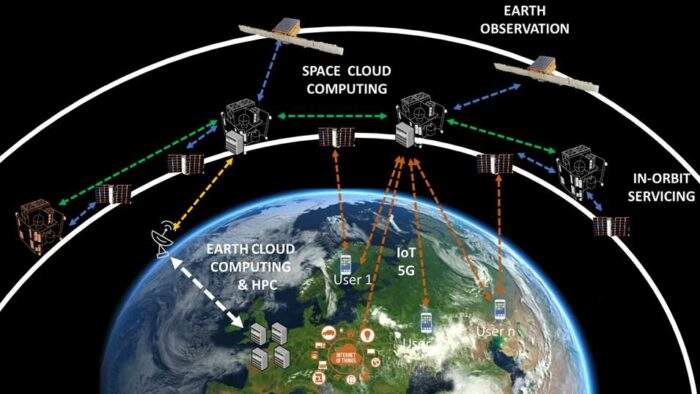
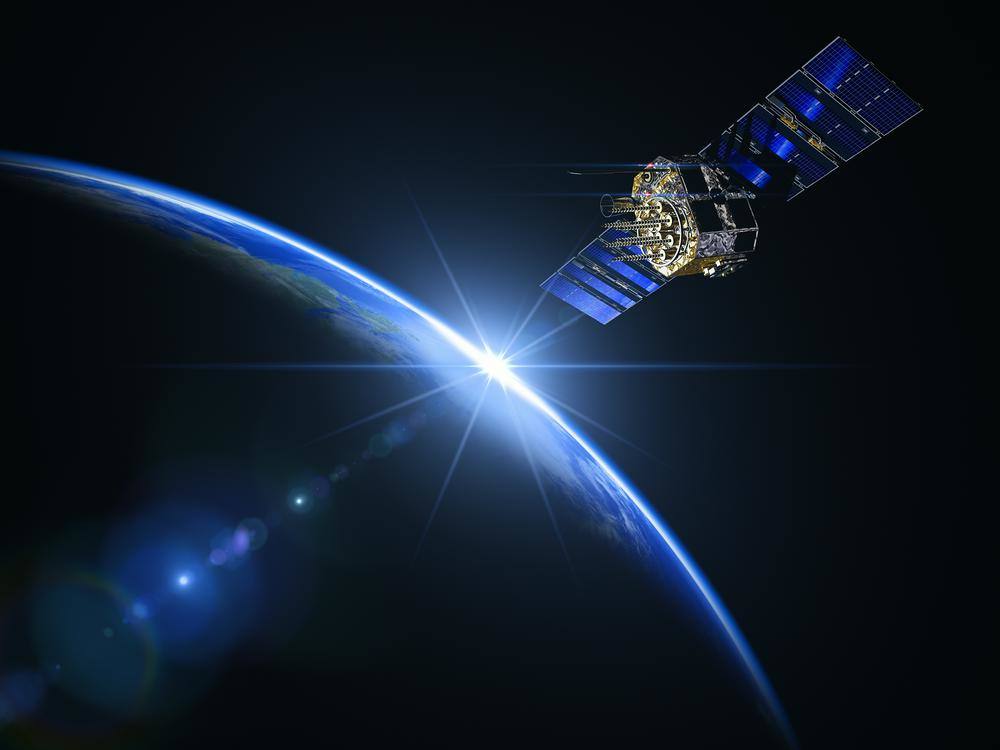
Over the past decade, satellite communications have been simplified into a binary opposition: Low Earth Orbit (LEO) constellations represent the future, while Geostationary Earth Orbit (GEO) satellites represent traditional architecture. The rise of SpaceX, the deployment of Amazon, and the adoption of LEO connectivity in the aviation and maritime markets have reinforced the view that latency will define the next generation of connected networks. This narrative overlooks capacity, economics, orbital sustainability, spectrum scarcity, and the growing role of cloud computing. The structural reality of future connected networks leans toward a fusion of GEO, LEO, and Medium Earth Orbit (MEO), coordinated through a cloud-based orchestration layer.
LEO systems represent a technological breakthrough. Operating at altitudes of a few hundred kilometers from Earth, their latency is approximately 20 to 50 milliseconds, compared to about 600 milliseconds for GEO systems. This enables latency-sensitive applications such as video conferencing, cloud applications, Voice over IP, interactive enterprise software, gaming, and real-time systems for defense and government. Although adoption of LEO in relevant fields is accelerating, latency is only one dimension of performance.
The majority of global internet traffic is not latency-sensitive but video-driven. Streaming, social media, and content delivery networks dominate data consumption. Once buffering is complete, video applications are largely insensitive to latency, with throughput and congestion management being more critical. GEO systems have a structural advantage here: they can provide concentrated high capacity, stable coverage over high-demand areas, effective support for high-volume traffic, and optimized bandwidth delivery economics. This system is particularly suitable for video streaming, software updates, bulk data transmission, and content distribution. This naturally leads to a functional division, where GEO handles capacity-intensive traffic and LEO manages latency-sensitive traffic.
LEO scalability faces challenges. Orbits are becoming crowded, with thousands of satellites already deployed and tens of thousands more planned globally, including sovereign projects such as China's Guowang and SpaceSail. This brings structural challenges including increased collision risk, more avoidance maneuvers, rising operational complexity, difficulties in space traffic management, and growing debris risks. Spectrum may be a more restrictive constraint than orbital congestion, as satellite systems rely on limited Ku, Ka, and higher frequency bands. The proliferation of constellations makes frequency coordination more difficult, increases interference risks, and raises regulatory complexity, making spectral efficiency critical and setting a hard ceiling on LEO expansion.
The lifecycle economics of GEO and LEO differ fundamentally. GEO satellites operate for 15 to 20 years or more, while LEO satellites have an average lifespan of about 5 to 7 years. The LEO model requires continuous mass manufacturing, frequent launches, and constellation replenishment, making it more capital-intensive in the long run. GEO relies on fewer satellites, longer amortization cycles, and lower replacement frequency.
Multi-orbit systems introduce new requirements for real-time orchestration. The network must continuously decide which orbit carries traffic, which constellation is optimal, which gateway to use, which frequency band is available, which terrestrial route is best, and where computation should be performed. This transforms satellite connectivity into a software-defined system, where operators become more akin to cloud platforms. The emerging architecture becomes one where applications reach a cloud orchestration layer, which makes dynamic routing decisions before delivering traffic to end users via GEO, LEO, MEO, fiber, or 5G. Strategic value is shifting from infrastructure ownership to orchestration intelligence, as end users care only about latency, reliability, availability, security, and cost. This fusion favors cloud-native operators. Major hyperscale cloud providers such as Amazon Web Services (integrated with Project Kuiper), Microsoft Azure, and Google Cloud are already positioned to dominate the orchestration layer. China is also building a comprehensive sovereign ecosystem including Alibaba Cloud, Huawei Cloud, and Tencent Cloud, combining cloud computing, artificial intelligence, terrestrial networks, and emerging space infrastructure. Europe is advancing sovereign space infrastructure, including IRIS² and Eutelsat-OneWeb capabilities, but the lack of sovereign cloud infrastructure will lead to a dependency paradox, as true strategic autonomy requires sovereign orbit, cloud, and orchestration infrastructure.
The future of satellite communications will not depend on a single orbital architecture, but on the ability to combine multiple layers into a unified system. LEO provides low latency for real-time applications, while GEO offers high-capacity throughput for video and bulk data. In a multi-orbit architecture, video streaming can go through GEO, real-time applications through LEO, with routing dynamically adapting to conditions. As orbital congestion intensifies and spectrum constraints tighten, reliance on a single constellation becomes an operational risk. The future will be defined not by who has the most satellites, but by who controls the operating system of the global multi-orbit connectivity stack.
This article is compiled by Wedoany. All AI citations must indicate the source as "Wedoany". If there is any infringement or other issues, please notify us promptly, and we will modify or delete it accordingly. Email: news@wedoany.com
Related Products
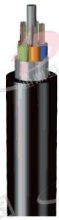

GYTA Type Non-Self-Supporting Aerial/Duct Optical Cable
TONGDING INTERCONNECTION INFORMATION CO., LTD.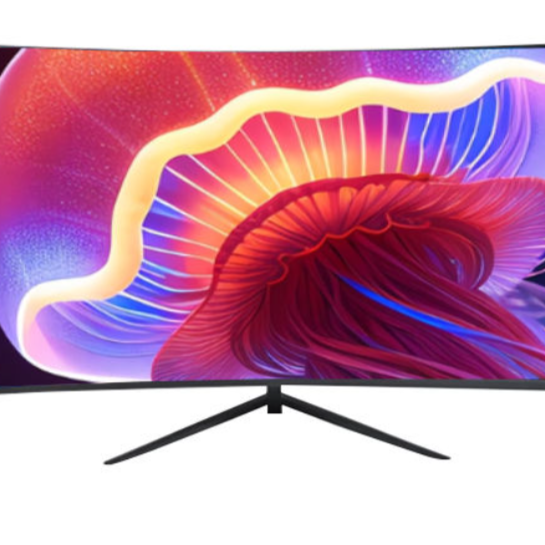
20 Inch 1600*900 Full HD 60Hz TFT LED Monitor with VGA and DP Interfaces for Desktop Computers-Business Use
Guangzhou Zanying Optoelectronics Technology Co., Ltd.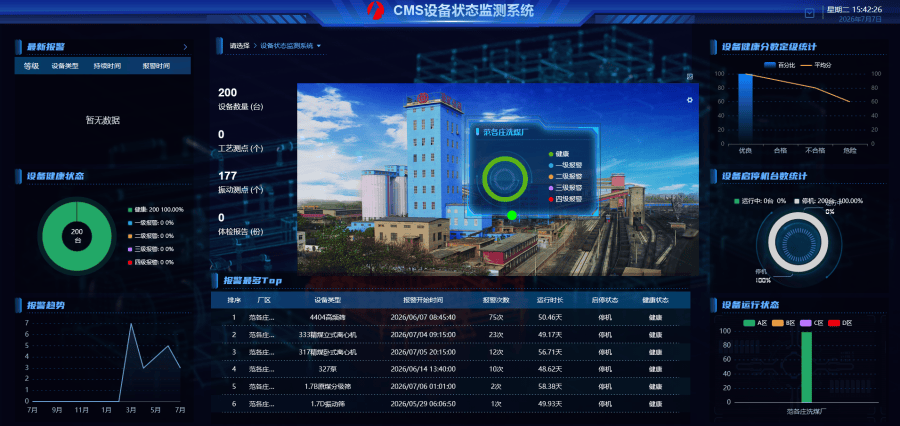


MUX Series Communication Interface Device for Security and Stability Control System
Nanjing NR Electric Co., Ltd.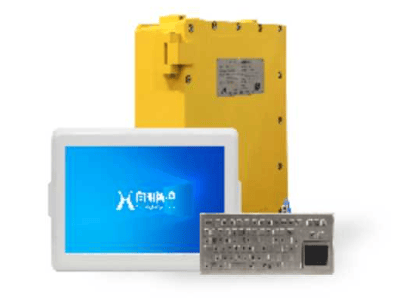
KJD127(A) Mining Explosion-Proof and Intrinsically Safe Computer
Taiyuan Xiangming Intelligent Control Technology Co., Ltd.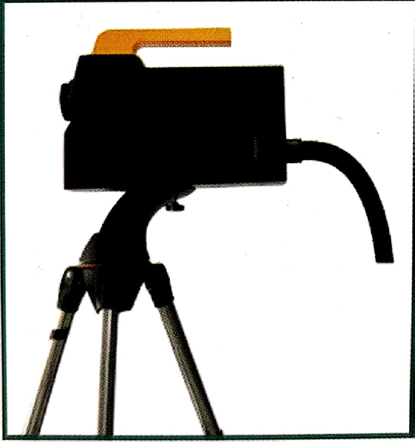
Automatic Aiming Laser Remote Obstacle Removal Robot
Pinggao Group Weihai High-Voltage Apparatus Co., Ltd.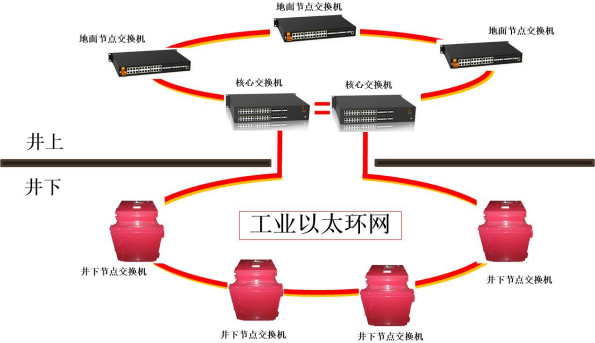
Mine Explosion-proof and Intrinsically Safe Industrial Ethernet Ring Network (10 Gigabit/Gigabit)
Chongqing Mas Sci&Tech Co., Ltd.