India's new solar installations hit record 44.61 GW in FY2026
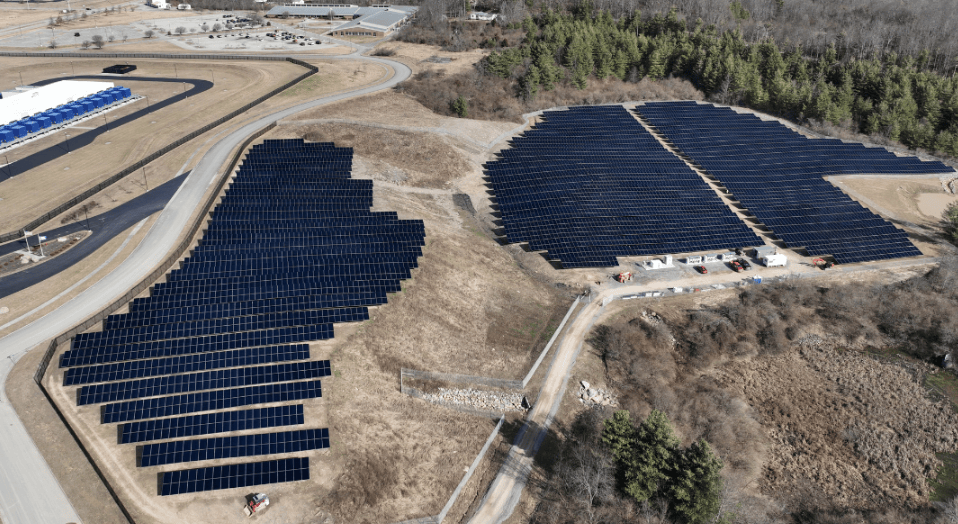
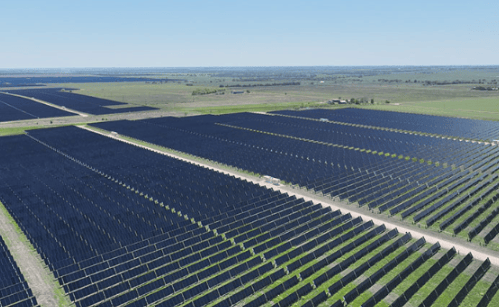
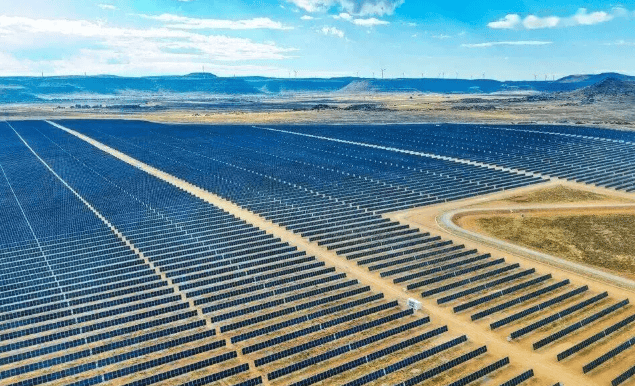
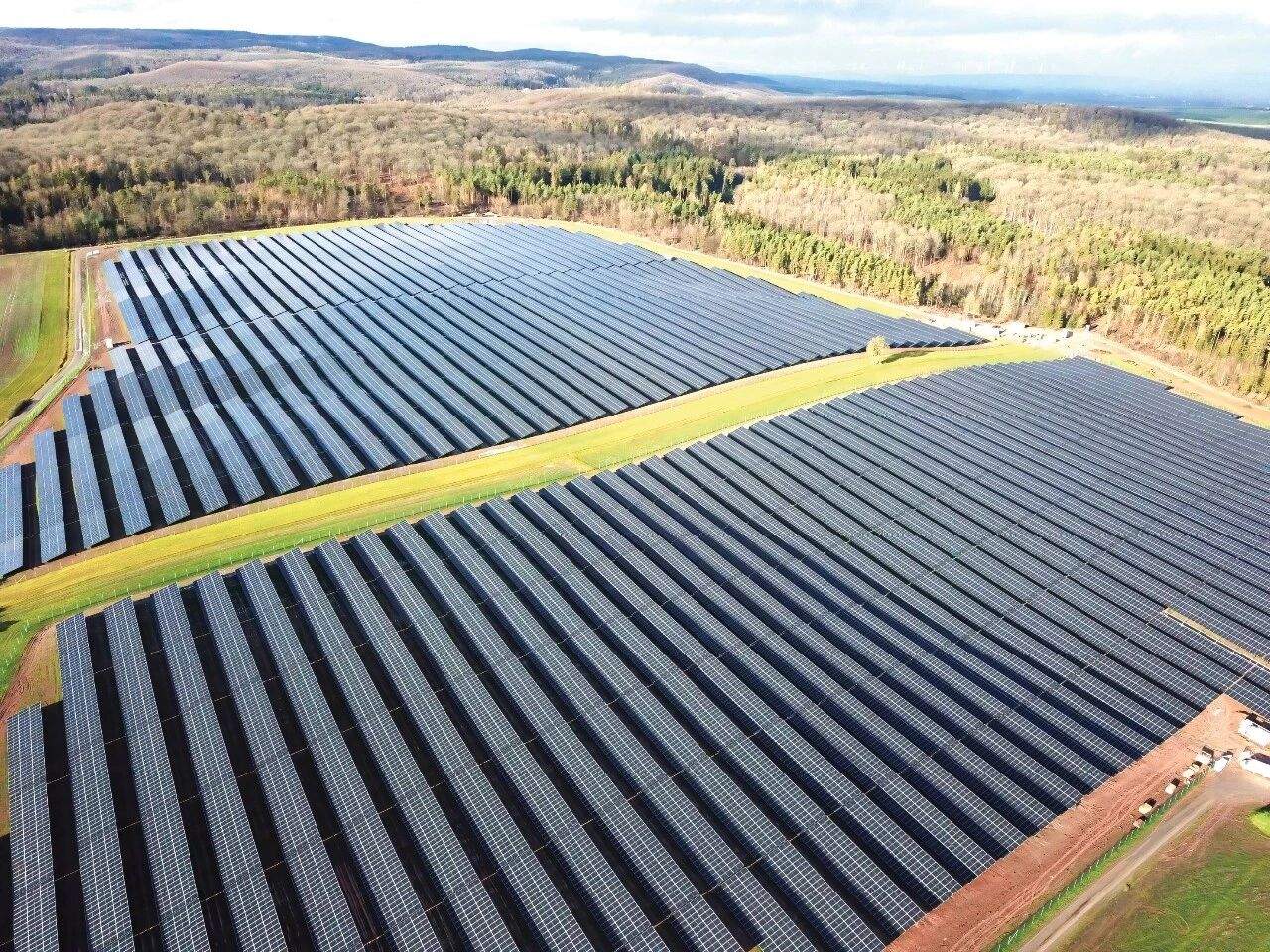
en.Wedoany.com Reported - India's solar industry achieved a cumulative installed capacity of over 150 GW in fiscal year 2026, with annual new installations reaching a record 44.61 GW, surpassing the government's target of 34 GW and nearly doubling the 23.83 GW installed in fiscal year 2025. Distributed renewable energy contributed 16.3 GW of capacity, while power purchase agreements (PPAs) and the commercial and industrial (C&I) segment accounted for 34% and 30% of installations, respectively.
India's global ranking in solar installations rose from 9th in 2015 to 3rd in 2025, and it is set to become the world's second-largest annual solar market in 2026. Seven states, led by Rajasthan and Gujarat, account for approximately 85% of total installed capacity, with Maharashtra and Karnataka experiencing particularly rapid growth.
In terms of manufacturing capacity, India has reached 210 GW for modules and over 9 GW for cells, but capacity utilization has dropped to 40% due to the transition from older MonoPERC technology to TOPCon technology. Exports fell to $1.12 billion in fiscal year 2025, down from $1.97 billion in fiscal year 2024, primarily due to the U.S. imposing tariffs exceeding 200%; meanwhile, imports surged to $2.72 billion as domestic procurement rules were gradually implemented.
Investor confidence remains strong, with foreign direct investment (FDI) reaching $2.37 billion in 2025, accounting for 76% of foreign capital inflows into non-traditional energy sectors. Government initiatives include the PM Surya Ghar: Muft Bijli Yojana, the Production Linked Incentive (PLI) scheme for solar modules, and the Approved List of Models and Manufacturers List-III (ALMM List-III), which are driving capacity expansion and domestic manufacturing consolidation.
Rubix Data Sciences notes that while India's solar achievements are historic, the industry faces challenges such as low utilization rates, technological transitions, and export dependence. Achieving the 2030 target of 500 GW of non-fossil fuel capacity will require sustained annual additions of 50 GW, upstream integration, market diversification, and the development of rooftop solar into a self-sustaining program.
This article is compiled by Wedoany. All AI citations must indicate the source as "Wedoany". If there is any infringement or other issues, please notify us promptly, and we will modify or delete it accordingly. Email: news@wedoany.com
Related Products

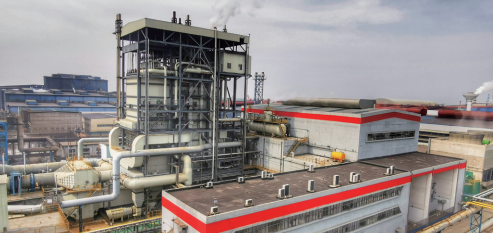
Jiujiang Pinggang 125MW Subcritical Gas Power Generation Project
Capital Engineering & Research Incorporation Limited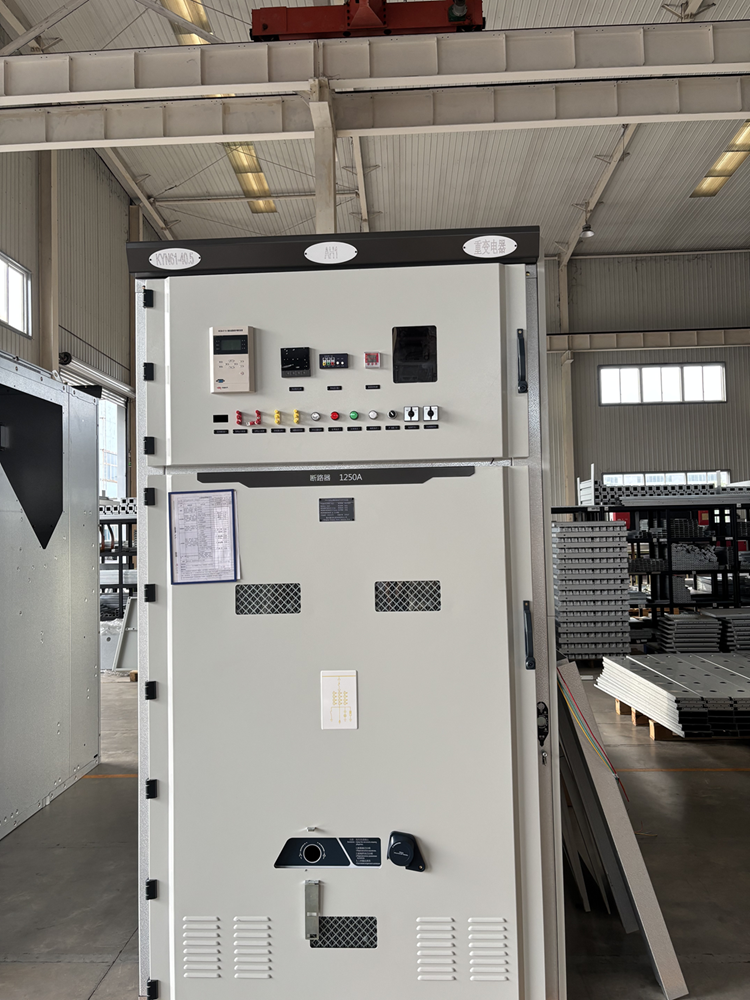
KYN61-40.5 Indoor AC Metal-clad Removable Switchgear
Chongqing Transformer Co., Ltd.

Hydraulic Turbine Genset
Dongfang Electric Corporation Dongfang Electric Machinery Co., Ltd.
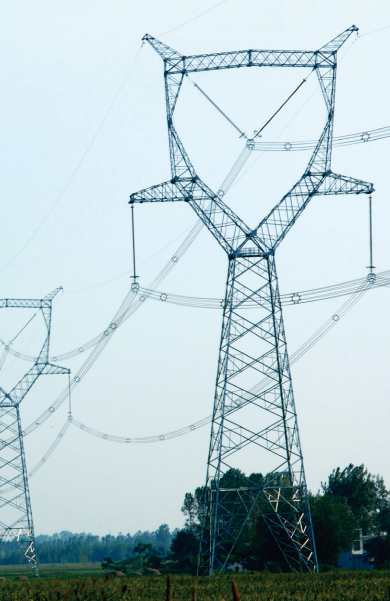
1000kV Jin Southeast-Nanyang-Jingmen UHV AC Transmission and Transformation Pilot Demonstration Project
Anhui Hongyuan Steel Tower Co., Ltd.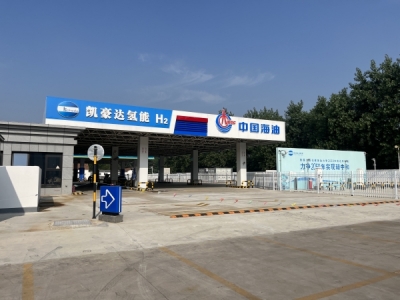
Hydrogen production and hydrogenation charging refueling gas integrated energy station
Shenzhen Kohodo Hydrogen Energy Co., Ltd.