EBRD €18.9 Million to Help Greek Steel Plant Build 32 MW Solar Project
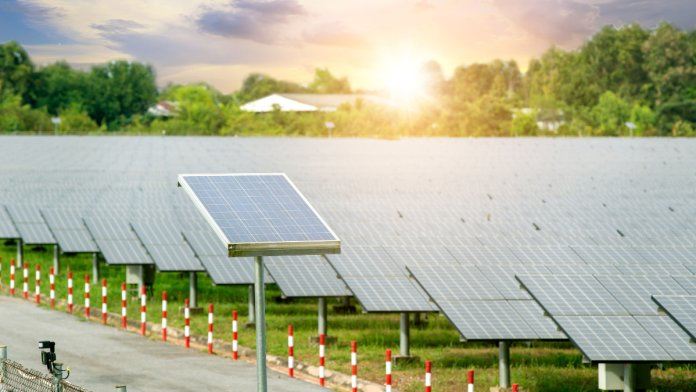
en.Wedoany.com Reported - The European Bank for Reconstruction and Development (EBRD) has signed a financing package to support the construction of a 32 MW solar photovoltaic plant in Greece, which will supply renewable electricity to the production facilities of Hellenic Halyvourgia, one of the largest steel producers in the Balkans. The project represents a significant step in reducing carbon emissions in Greece's industrial sector, while enhancing the long-term sustainability and competitiveness of domestic steel manufacturing.
The total financing package amounts to €18.9 million, integrating multiple funding sources. Of this, the EBRD provides a €5.7 million loan, with an additional €9.4 million in loans channeled through Greek authorities from the Recovery and Resilience Facility (RRF). Hellenic Halyvourgia will self-finance the remaining €3.8 million.
The financing agreement was signed under the EBRD's Greek RRF co-financing framework, which is part of the "Greece 2.0" National Recovery and Resilience Plan. The initiative is supported by the EU's NextGenerationEU program. Once operational, the solar plant will directly supply renewable electricity to Hellenic Halyvourgia's manufacturing facilities.
The project is expected to meet approximately 20% of the steel producer's electricity needs, significantly reducing its exposure to energy price volatility. Beyond the economic benefits, the project is projected to reduce CO2 emissions by more than 22,000 tons annually.
The steel industry is an energy-intensive manufacturing sector, making it a key focus of Europe's decarbonization efforts. By integrating renewable energy into its operations, Hellenic Halyvourgia reduces the environmental impact of steel production while maintaining its position as a major industrial employer and supplier in the region.
The project also supports Greece's national energy and climate targets by increasing the use of renewable energy in heavy industry. At the same time, it contributes to the implementation of the country's Recovery and Resilience Plan, which aims to promote sustainable economic growth, enhance industrial competitiveness, and accelerate the adoption of clean technologies.
The EBRD's mandate in Greece officially ended on December 31, 2025, but the bank continues to sign projects approved before that date and remains responsible for managing its existing portfolio in Greece. Over the years, the EBRD has become one of the most significant institutional investors in Greece, providing over €8.9 billion in financing across multiple sectors.
This article is compiled by Wedoany. All AI citations must indicate the source as "Wedoany". If there is any infringement or other issues, please notify us promptly, and we will modify or delete it accordingly. Email: news@wedoany.com
Related Products
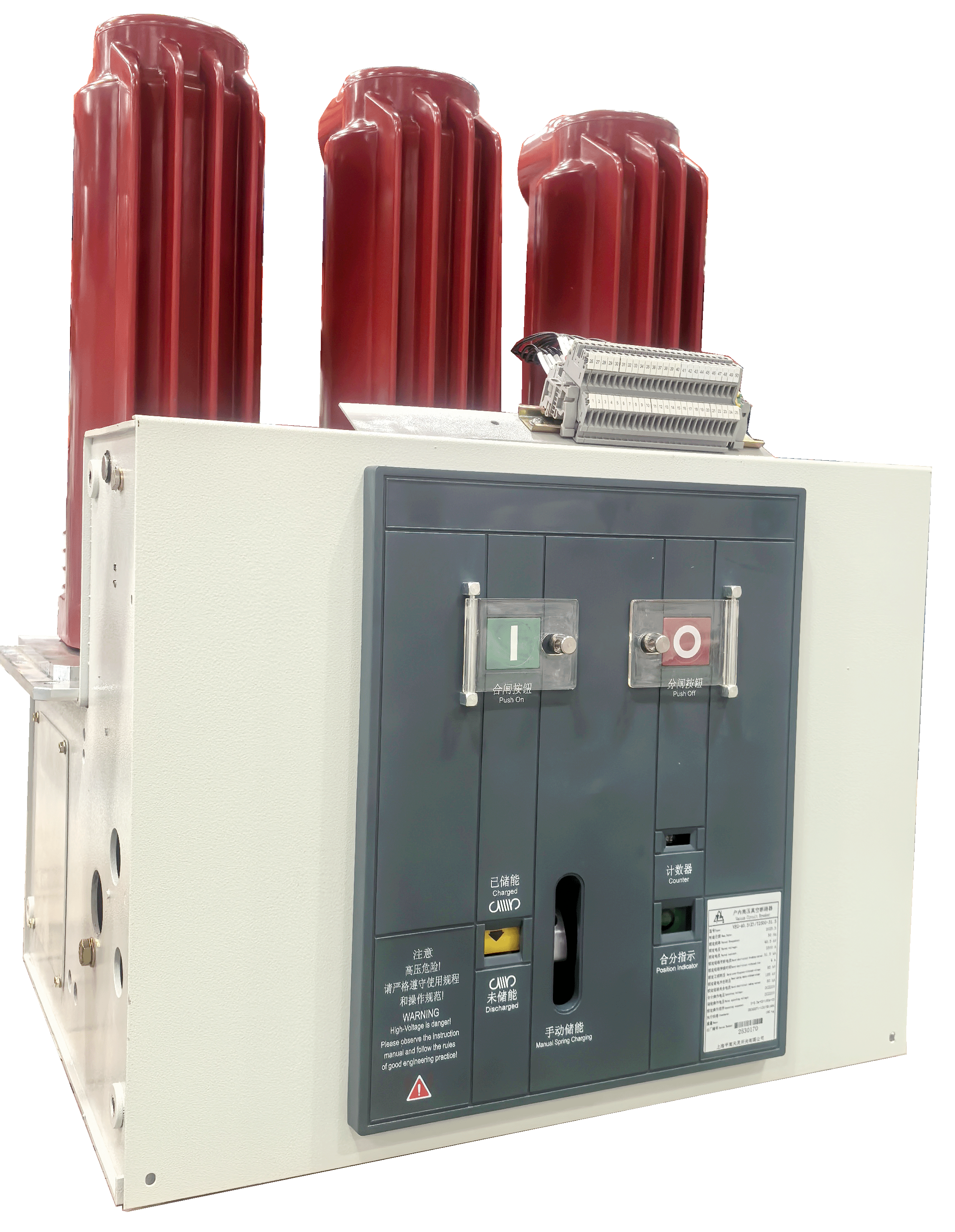

VEG-12/24/40.5 Series Vacuum Circuit Breaker
SHANGHAI PINGGAO TIANLING SWITCHGEAR CO., LTD.
Mars (Liquid Cooling) Series Industrial and Commercial Energy Storage Converter High Protection Module
Shenzhen Winline Technology Co., Ltd.
Photovoltaic and Wind Power Generation Technology
Beijing Boqi Electric Power SCI-TECH Co., Ltd.
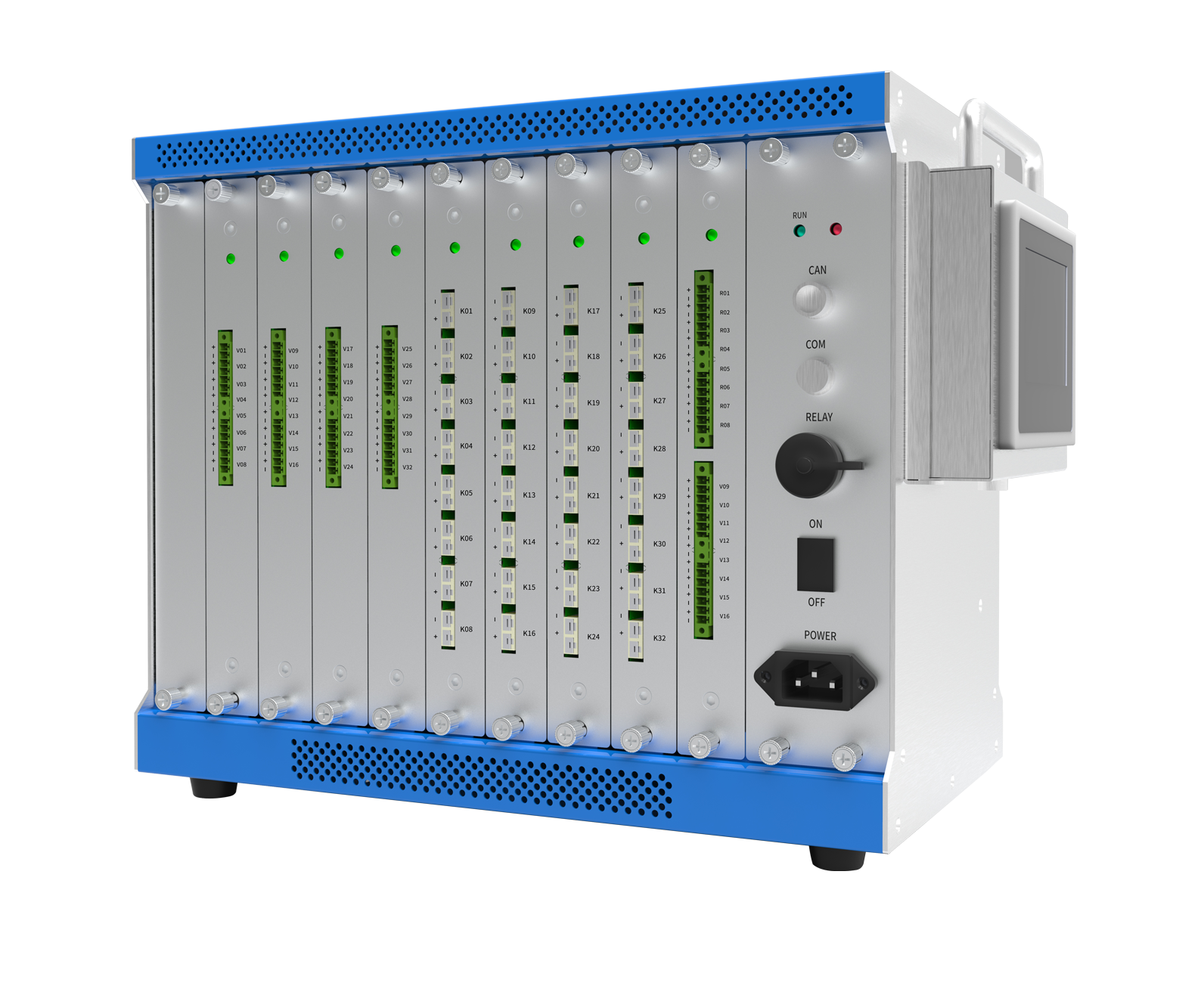
Optional Accessory - Auxiliary Sampling Module
Beijing Soaring Electric Technology Co., Ltd.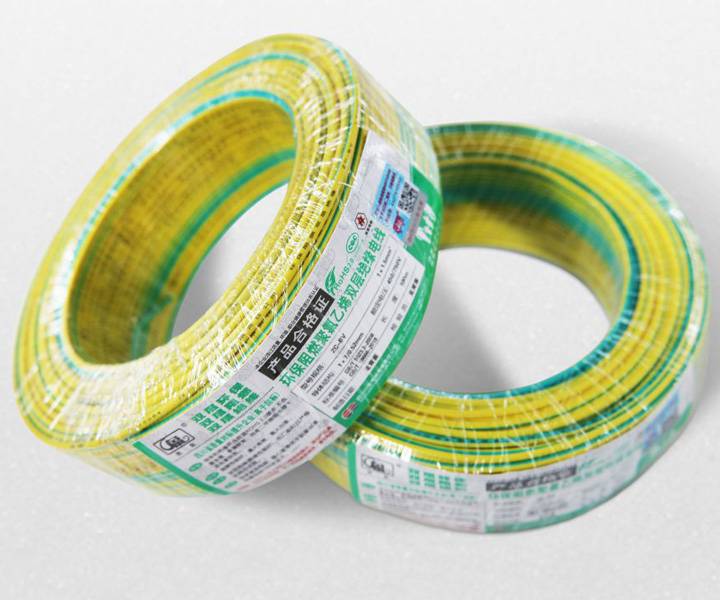
Environmentally Friendly Flame-retardant PVC Double-layer Insulated Wire
Sichuan Chndo Cable Co., Ltd.