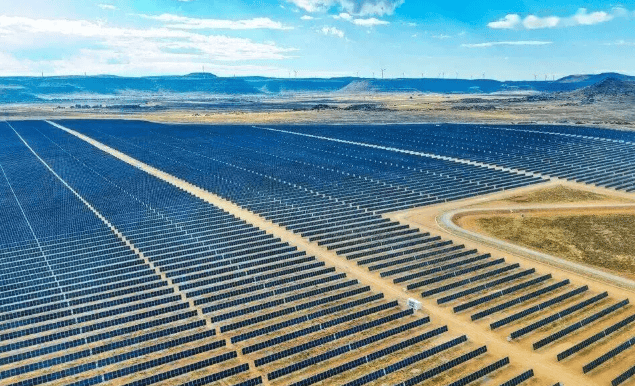
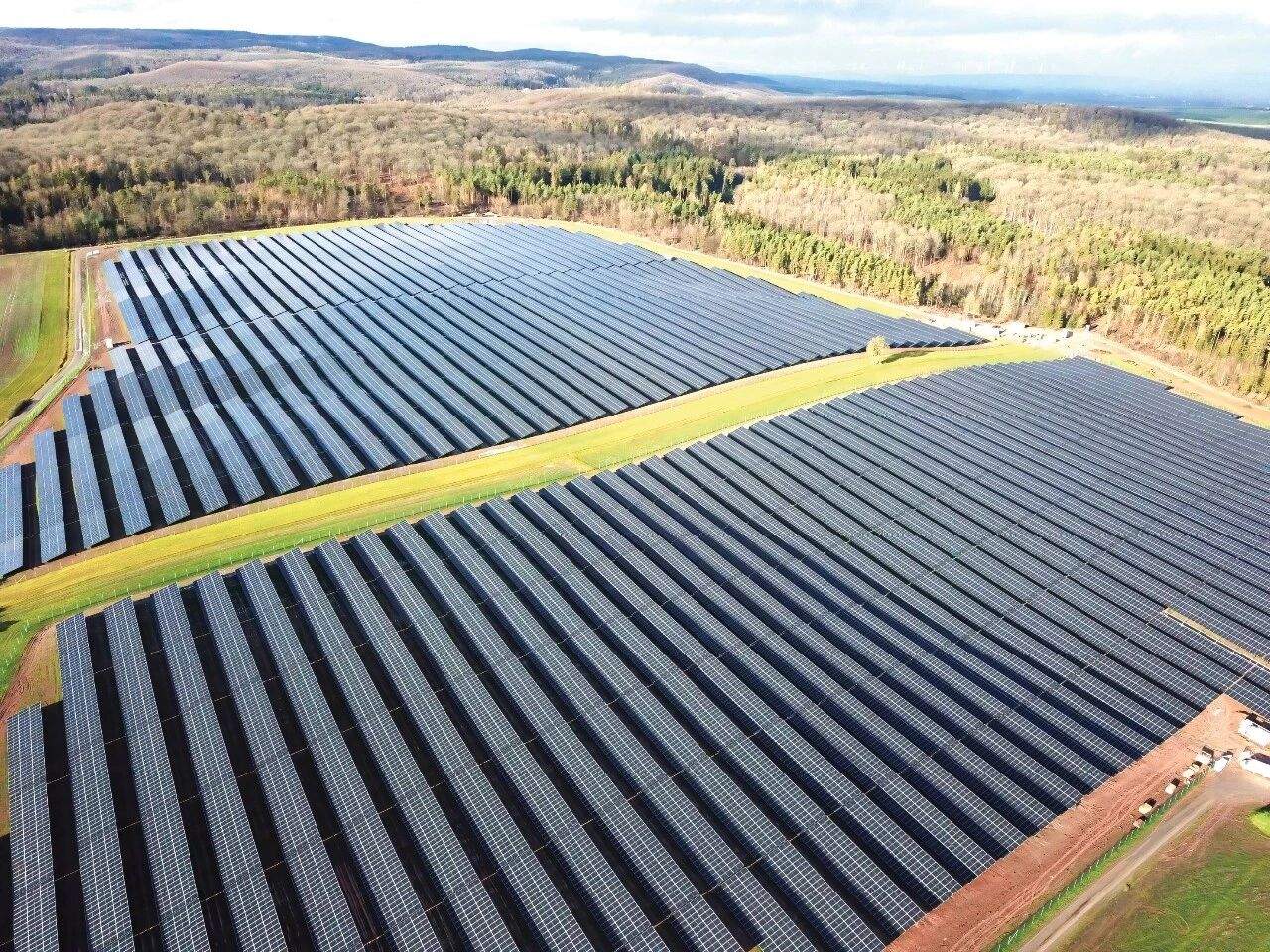
Johnson Controls Applies Corrosion Design Framework to Extend PV and Energy Storage System Life in Hawaii
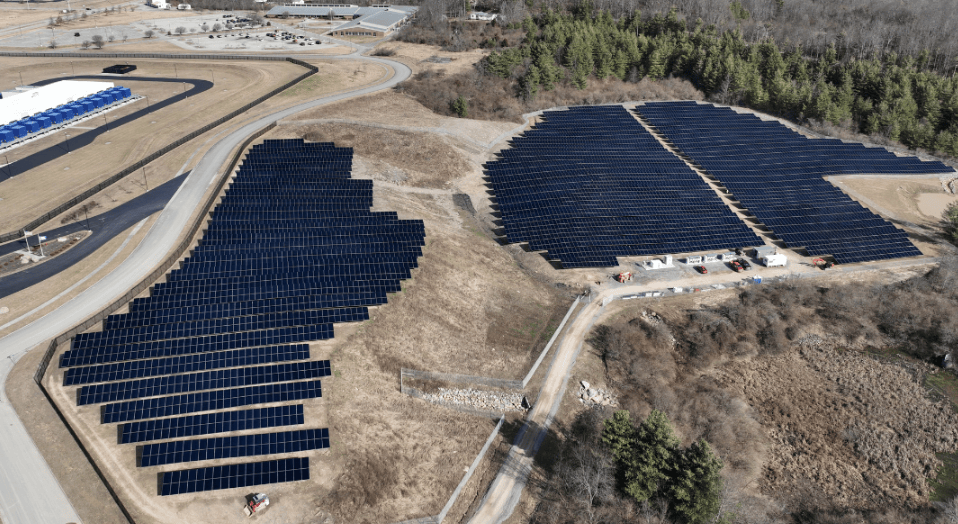
en.Wedoany.com Reported - EPC integrator Johnson Controls provided design services from 2023 to 2026 for a multi-site government project portfolio in Maui County, Hawaii, encompassing rooftop PV, carports, ground-mount arrays, tank-mounted systems, and PV-plus-BESS installations serving police and fire stations, water infrastructure, aquatic centers, municipal buildings, and community facilities. The project team applied a unified corrosion design framework across all sites rather than addressing each site individually. This portfolio-level consistency makes the framework replicable for coastal solar-plus-storage projects beyond Hawaii.
In coastal and island markets, corrosion is not just an operations and maintenance issue but an engineering variable that must be addressed during front-end design. Most commercial and utility-scale PV and battery energy storage system (BESS) projects are typically screened from four perspectives: energy yield, grid interconnection, compliance, and capital cost. However, in coastal environments, salt-laden air, persistent humidity, wind-driven rain, and intense UV radiation degrade outdoor electrical equipment faster than financial models assume, making this list incomplete.
The National Electrical Code (NEC) sets safety baselines, not service life ceilings. NEC 300.6 requires wiring methods and equipment to be suitable for the environment, and NEC Table 110.28 distinguishes Type 4X enclosures as more corrosion-resistant than Type 3R. Per ANSI/NEMA 250, outdoor enclosures must undergo 600 hours of salt spray exposure testing (with galvanized steel as a control); Type 4X adds an additional 200 hours of testing (with AISI Type 304 stainless steel as a baseline). The standard does not require Type 316 (marine-grade baseline), which contains 2-3% molybdenum and has a Pitting Resistance Equivalent Number (PREN) of approximately 23-29, compared to 18-21 for 304. An enclosure may meet Type 4X code requirements but still be the wrong specification for a site with continuous salt exposure.
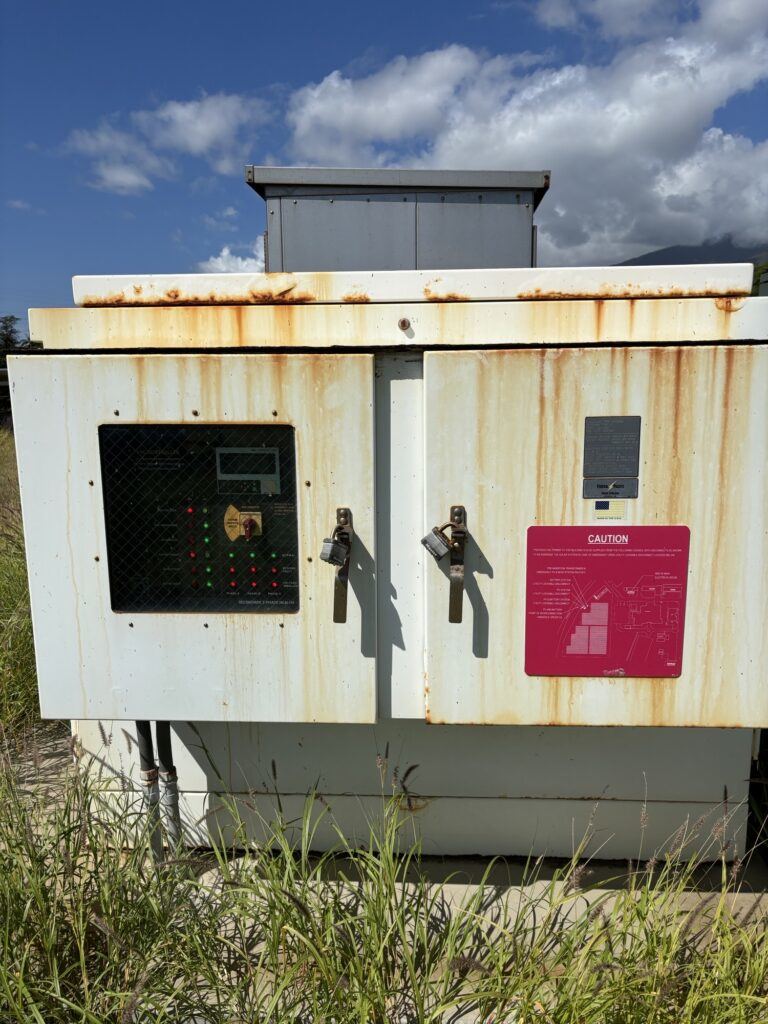
ISO 9223:2012 classifies many tropical coastal sites with chloride exposure as corrosivity category C5 ("very high"), while coastal and offshore areas subject to occasional salt spray fall into category CX ("extreme"). Environments dominated by marine splash or heavy salt spray are entirely outside normal atmospheric classifications. These conditions are common at U.S. coastal PV and BESS sites and are the default at coastal sites across the Hawaiian Islands.
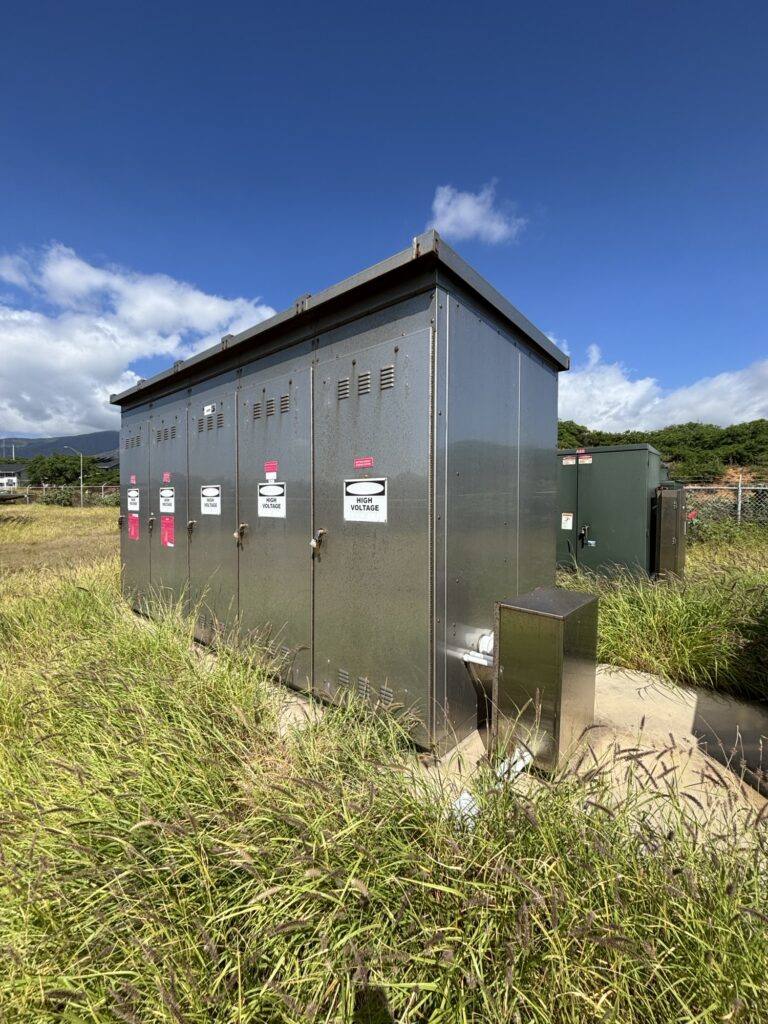
The core of the design framework locks in four material selections at the electrical design basis stage, before equipment procurement: enclosure alloy, conductor strategy, raceway type, and exposed hardware compatibility. For major outdoor electrical equipment (including disconnects, meter cabinets, panelboards, and junction boxes), it defaults to specifying 316 stainless steel Type 4X enclosures rather than 304 stainless steel or galvanized-coated 4X. NEMA 4X is a performance rating, while PREN is a material-level comparison. Because 316 contains molybdenum, its higher PREN provides greater resistance to localized pitting in chloride environments. Major power distribution equipment in the portfolio uses copper busbars and copper conductors, intentionally deviating from manufacturer defaults of aluminum. The NEC allows aluminum busbars and feeders, but aluminum is more susceptible to galvanic and pitting attack at terminations in chloride-rich environments. Outdoor wiring uses sunlight-resistant Schedule 80 PVC, reducing corrosion risks associated with metallic raceways. Components such as fasteners, brackets, and terminations must follow the same logic as enclosures to avoid creating a "weakest link."
The same design logic applies to U.S. Navy and Coast Guard shore-based infrastructure, utility-scale solar-plus-storage along the Atlantic and Gulf Coasts, post-disaster reconstruction in Puerto Rico and the U.S. Virgin Islands, coastal desalination and wastewater treatment plants, and port and island microgrids. These assets are expected to provide 20 to 30 years of service under humidity, chloride, and UV conditions. Single-line diagrams should be treated as durability documents, not merely electrical protection documents, in coastal PV and BESS projects. Coastal owners and authorities having jurisdiction (AHJ) should specify 316 stainless steel Type 4X enclosures, copper power distribution, and sunlight-resistant Schedule 80 PVC raceways as default specifications in coastal tenders, requiring a written deviation memo for any downgrade. In Hawaii, salt does not compromise. Engineering should not compromise either.
This article is compiled by Wedoany. All AI citations must indicate the source as "Wedoany". If there is any infringement or other issues, please notify us promptly, and we will modify or delete it accordingly. Email: news@wedoany.com
Related Products
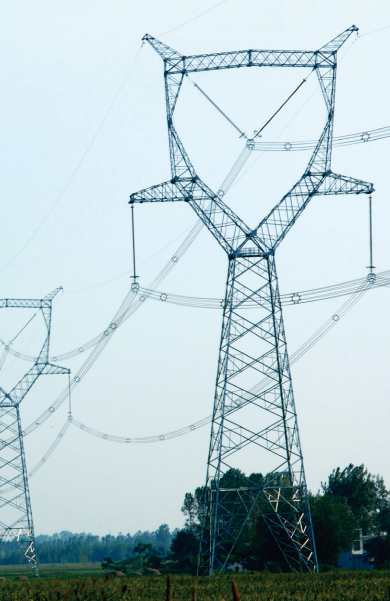

1000kV Jin Southeast-Nanyang-Jingmen UHV AC Transmission and Transformation Pilot Demonstration Project
Anhui Hongyuan Steel Tower Co., Ltd.

Quick-Change Single-Seat Control Valve / Quick-Change High-Pressure Single-Seat Control Valve
Beijing Consen Automation Technology Co., Ltd.
Hydrogen Production Technology: Hydrogen Purification by Pressure Swing Adsorption
Chengdu Yizhi Technology Co., Ltd.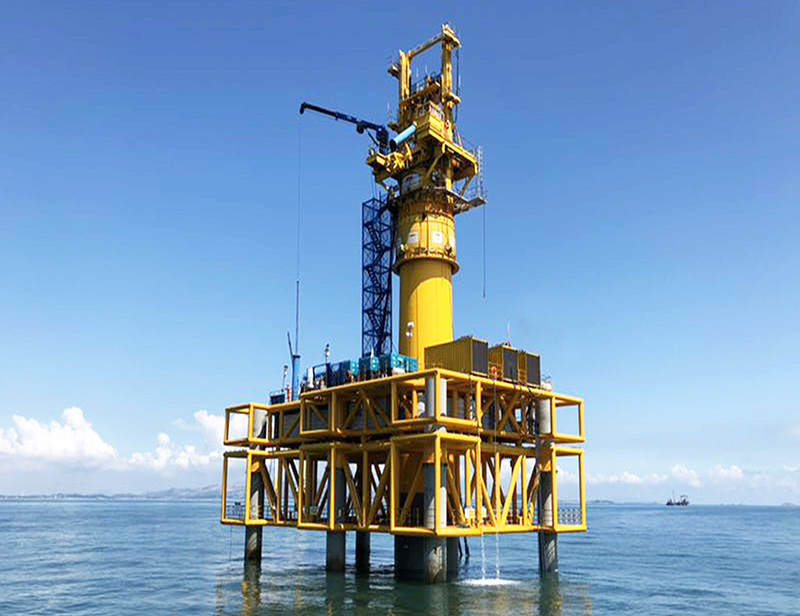
CITIC Heavy Industries Offshore Wind Power Equipment Hydraulic Pile Hammer
CITIC Heavy Industries Co., Ltd.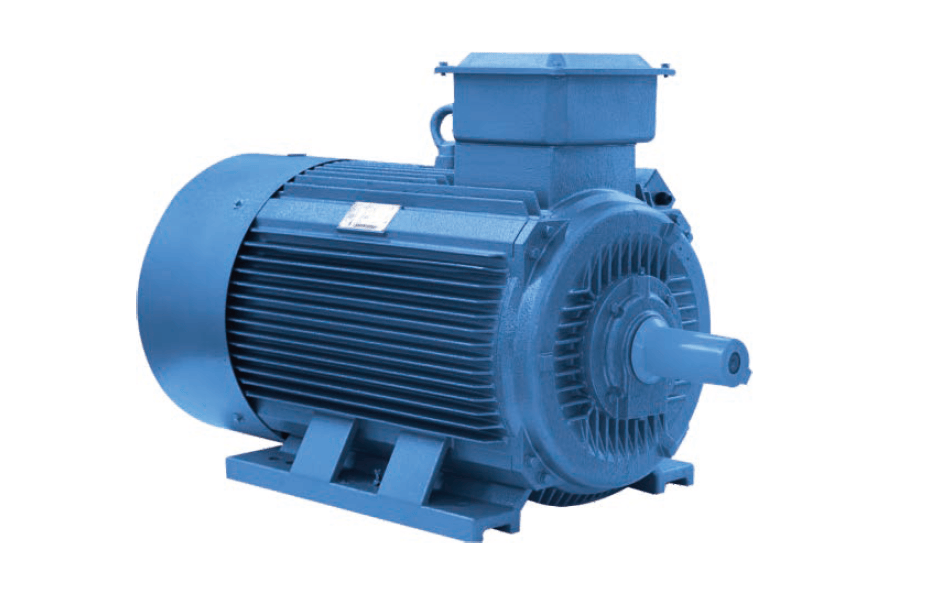
TYC Series High-Efficiency Permanent Magnet Synchronous Motor
Xiangdian Smart Energy Technology Co., Ltd.